







Delft Ceramic Charger
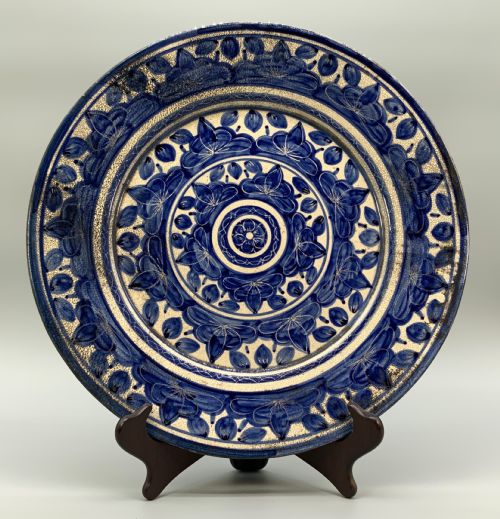
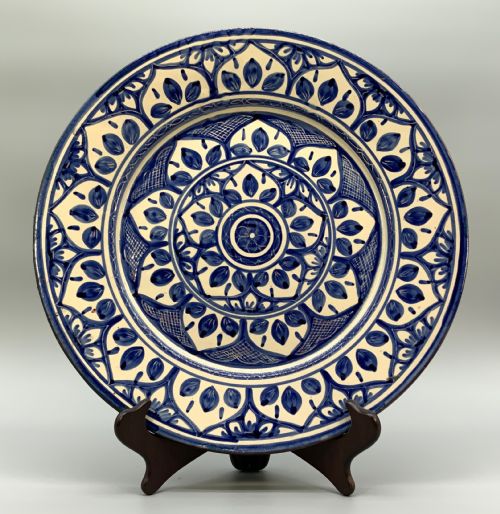
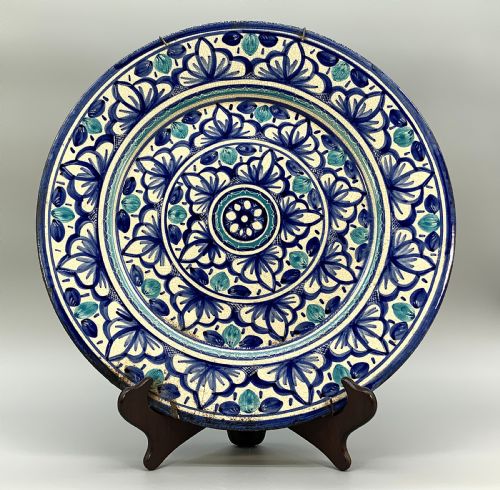
Delft ceramic chargers are tin-glazed earthenware dishes that bring centuries of hand-painted cobalt and polychrome artistry to a room.
Delft Ceramic Charger
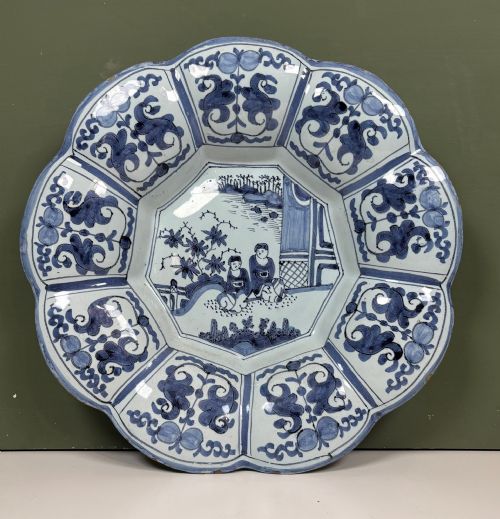
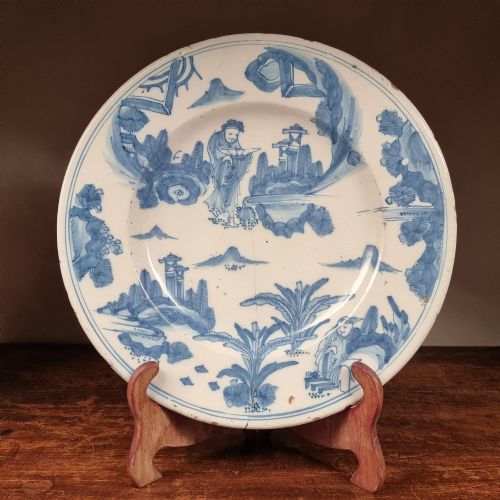
A delft ceramic charger is a wide, shallow wall or table plate rooted in seventeenth- and eighteenth-century traditions. These pieces span Dutch, English, and continental workshops, appearing in both blue and white and polychrome palettes.
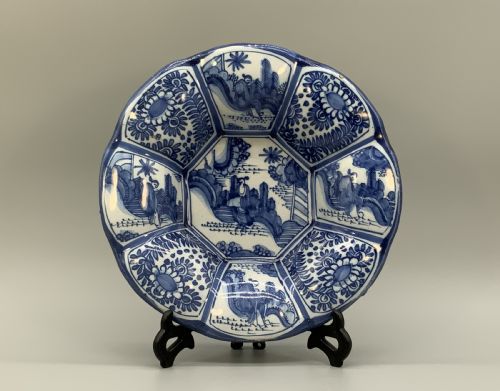
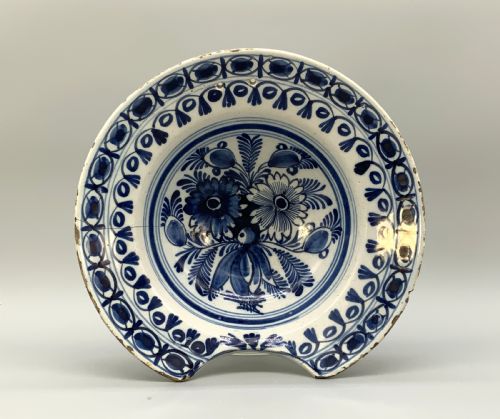
Buyers encounter forms ranging from standard circular chargers to lobed dishes, barber's bowls, and marriage plates. The selection includes seventeenth-century Kraak-style plates alongside eighteenth-century geometric floral designs and Moorish-influenced pieces.
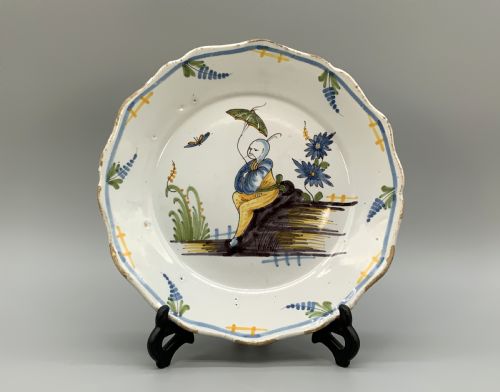
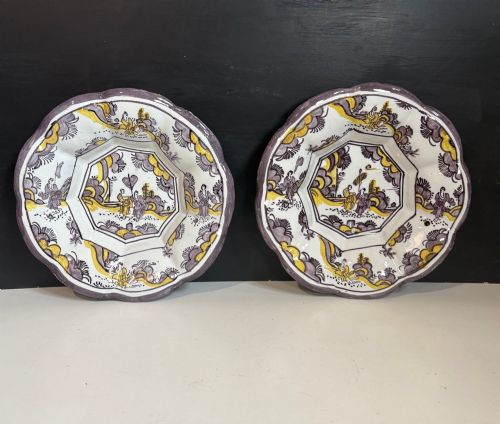
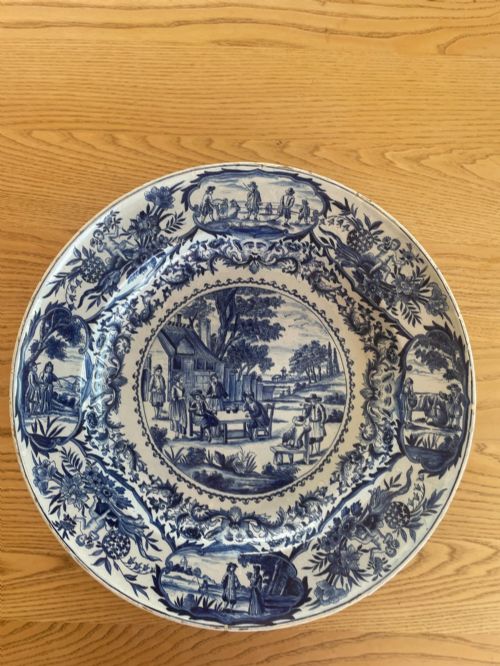
Origin and period define the appearance, with seventeenth-century examples leaning toward robust earthenware bodies and eighteenth-century items introducing manganese, yellow, and complex Chinoiserie scenes.
Materials and production methods
Potters shaped these vessels from earthenware clay, coating the fired body in a tin glaze that produced an opaque, milky white surface. This tin-glaze layer provided the absorbent white ground necessary for hand-painted decoration.
Painters applied cobalt pigment and metallic oxides directly onto the unfired or raw glaze, utilising grand feu or standard kiln firings to fuse the pigments into the surface. Polychrome examples incorporated manganese, yellow, and other mineral pigments alongside traditional cobalt blue.
Delft Ceramic Charger Retail Price Guide 2026
Typical asking prices for delft ceramic charger among the pieces listed under this phrase on Sellingantiques today, from the lower quarter to the upper quarter. They describe what is for sale here now, not the wider market.
The inventory records regional traditions including English Delftware, Dutch Delft, Spanish Faience, and continental Moorish Revival styles.
Assessing quality in tin-glazed earthenware
Quality rests upon the crispness of the hand-painted brushwork and the stability of the tin glaze across the broad surface of the dish. Skilled painters achieved fluid botanical, figurative, or geometric motifs that sit harmoniously within the circular boundaries.
The smoothness of the white glaze ground and the depth of the cobalt or polychrome pigments distinguish finer examples. Early pieces display the weight and structural character inherent to historic earthenware manufacture.
The Delft Ceramic Charger Glossary
- Tin-Glazed Earthenware
- Earthenware pottery covered with a lead glaze made opaque by the addition of tin oxide. This coating creates the characteristic white background for painted designs.
- Cobalt Pigment
- A metallic blue colorant used extensively on ceramic wares for its ability to withstand high kiln temperatures without losing intensity. It defines the classic blue and white palette.
- Polychrome
- Decoration employing multiple colours rather than a single pigment. On these ceramics, it typically involves combinations of blue, manganese, yellow, and green.
- Kraak Style
- A decorative scheme originating from imported Chinese porcelain, featuring panels of floral or symbolic motifs arranged radially around a central design. European potters adapted this layout during the seventeenth century.
- Grand Feu
- A high-temperature firing technique used to fix the glaze and pigments simultaneously. This process yields durable surfaces with integrated colours.
Delft Ceramic Charger: Frequently Asked Questions
How were these chargers displayed?
Historic households typically hung these large plates on walls or stood them upright on dressers to showcase their painted surfaces. Their broad diameters made them ideal centrepieces for formal rooms.
Today, collectors use specialist plate hangers or display stands to mount them safely on walls or place them on furniture surfaces.
How do I care for a historic charger?
Keep tin-glazed earthenware out of direct sunlight and away from areas prone to rapid humidity changes. Dust the surface gently with a soft, dry cloth without applying cleaning liquids.
Avoid washing historic ceramic chargers in water, as the porous earthenware body and historic glazes remain vulnerable to moisture absorption.
How do I distinguish 17th and 18th century pieces?
Seventeenth-century examples often feature heavier earthenware bodies and designs influenced by Chinese Kraak porcelain. Eighteenth-century pieces frequently introduce broader polychrome palettes, manganese accents, and British or continental floral patterns.
Examining the foot ring, glaze characteristics, and painting style helps determine the specific period and manufacturing origin.