




Defence Walking Stick
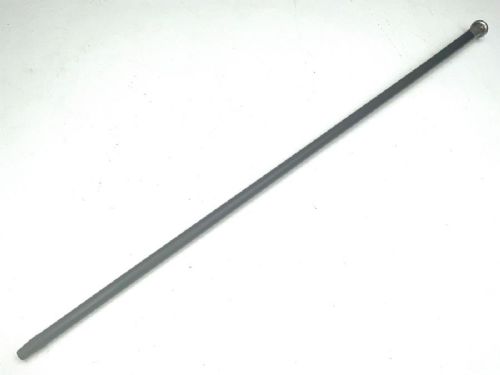
A defence walking stick conceals a hidden blade for personal protection, combining everyday gentlemanly attire with covert readiness.
Defence Walking Stick
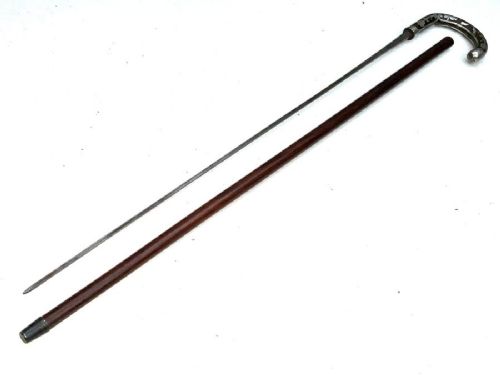
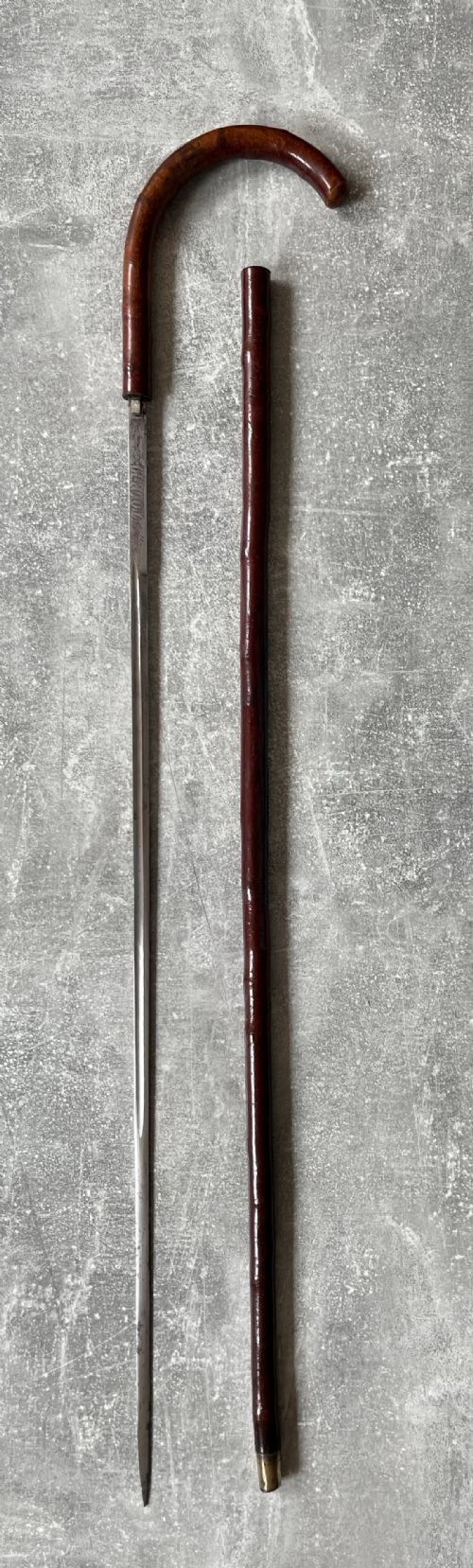
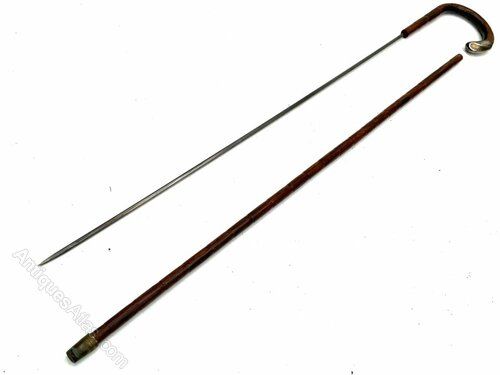
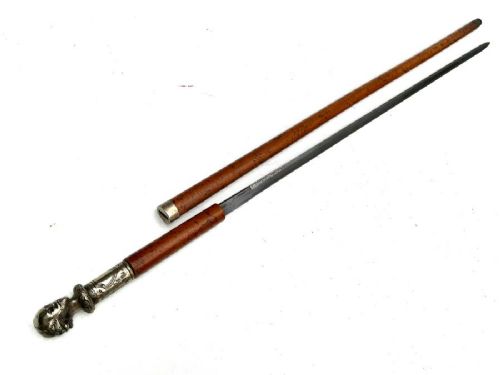
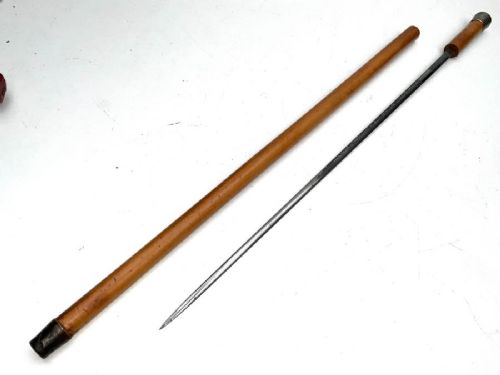
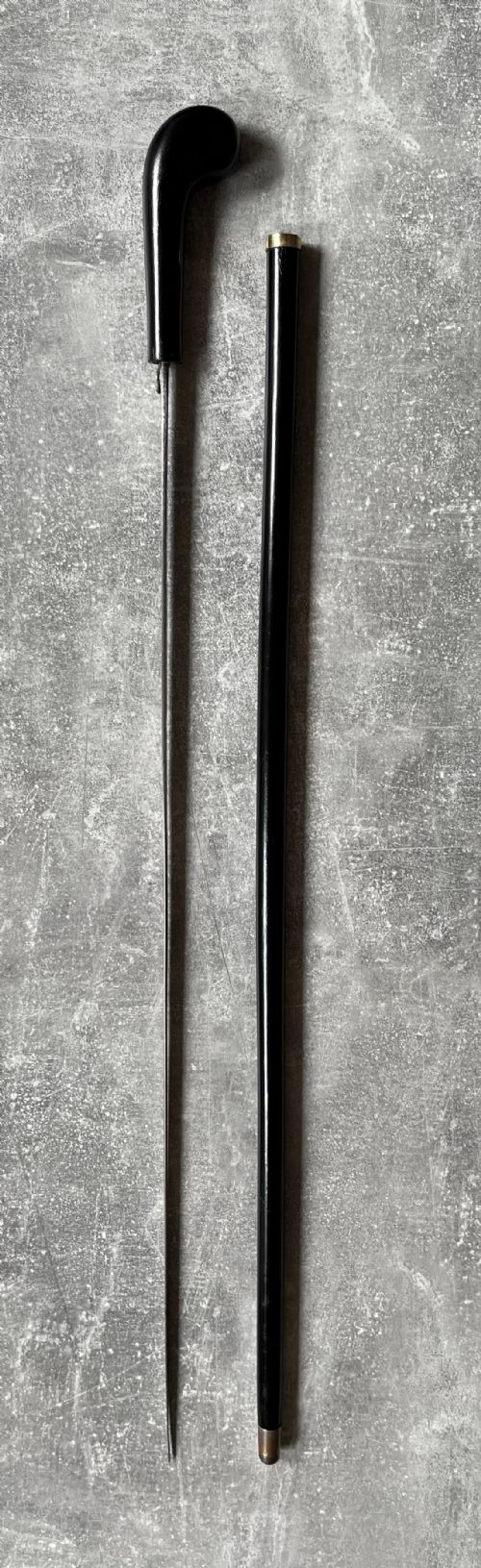
A defence walking stick appears as a standard gentleman's accessory while housing a concealed blade within the shaft. When you search for a defence walking stick, you encounter pieces spanning the Victorian, Edwardian, and early twentieth-century periods.
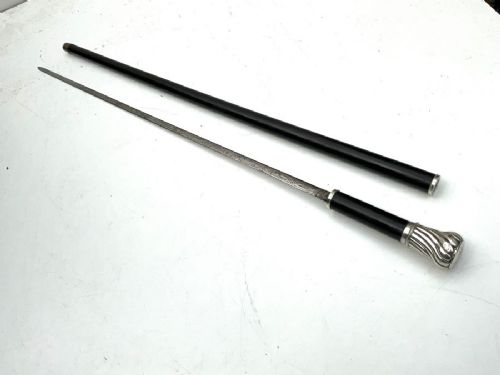
The versions most common on this page utilise traditional shafts of partridge wood, malacca, ebonised wood, bamboo, and blackthorn. Handles vary from simple crook shapes and root balls to carved horn, bone, antler, and silver horse heads.
These items were carried by gentlemen for self-protection during urban walks. Makers fitted them with functional locking mechanisms to secure the internal blade firmly inside the wooden or metal body.
How they were made
Craftsmen built these sticks by hollowing out robust wooden shafts to accommodate steel blades, often incorporating Toledo or Wilkinson steel. Silver mounts, repoussé collars, and brass details reinforced the junction between the handle and the shaft.
Handles were fashioned from natural materials including horn, bone, antler, and various dense woods, secured with pins or collars. Ebonised finishes and polished partridge wood provided a refined exterior that concealed the weapon within.
Several gentlemen clearly felt under-dressed without a silver horse head staring out from the top of their concealed steel blade.
What varies in quality
Quality rests in the precision of the joinery between the shaft and the handle, where superior examples close with an invisible, flush seam. The grade of the internal steel blade, such as signed Toledo or Wilkinson work, elevates the standard.
Material selection dictates the higher tier, evidenced by hallmarked silver collars, detailed repoussé work, and finely carved horn or horse head handles rather than plain wood. A tight, secure locking mechanism for the blade marks superior execution.
Brigg·Wilkinson
The Defence Walking Stick Glossary
- Sword stick
- A walking stick containing a concealed blade accessed by pulling the handle apart from the shaft. These were widely carried by gentlemen in the Victorian and Edwardian eras.
- Toledo blade
- A steel blade produced in Toledo, Spain, known for historical steel-working traditions. These blades appear in several nineteenth and twentieth-century examples.
- Malacca
- A type of rattan cane featuring distinctive scale patterns and joint rings, imported from Southeast Asia. It served as a preferred lightweight shaft material for walking sticks.
- Silver collar
- A metal band encircling the top of the shaft below the handle, frequently bearing hallmarks or decorative repoussé patterns. It added structural reinforcement and visual contrast.
- Blackthorn
- A dense, dark wood featuring natural thorn knobs, traditionally used for Irish walking sticks. It provides a rugged and heavy shaft.
Defence Walking Stick: Frequently Asked Questions
How do you open a sword stick?
Most defence walking sticks release through a simple pull, twist, or push-button mechanism that disengages the internal catch holding the blade inside the shaft. The handle acts as the hilt once separated.
Owners should handle the mechanisms with care to preserve the original fit and alignment between the wooden sections.
What materials were used for handles?
Handles incorporate carved horn, bone, antler, silver horse heads, and root balls. Woods like chestnut and malacca also form integral handle shapes.
These materials reflect the personal taste of the original gentleman owner and the prevailing styles of the Victorian and Edwardian periods.
Are these sticks marked with dates?
Some pieces carry silver hallmarks with date letters corresponding to assay office records in London. Others date to specific stylistic eras such as the Victorian period or the early 1900s based on construction.
Examining the metal mounts and blade stamps provides clues to the manufacturing decade.
How do you maintain a defence stick?
Keep the wooden shafts conditioned with appropriate wax and store the pieces in stable humidity environments to prevent wood splitting. The internal steel blade benefits from light oiling to protect the metal.
Avoid forcing the sections together if the wood expands or contracts with seasonal temperature shifts.