





Deep Red Wool Rug
A deep red wool rug brings rich warmth and enduring character to a room, grounding your floor space with centuries of weaving tradition.
Deep Red Wool Rug
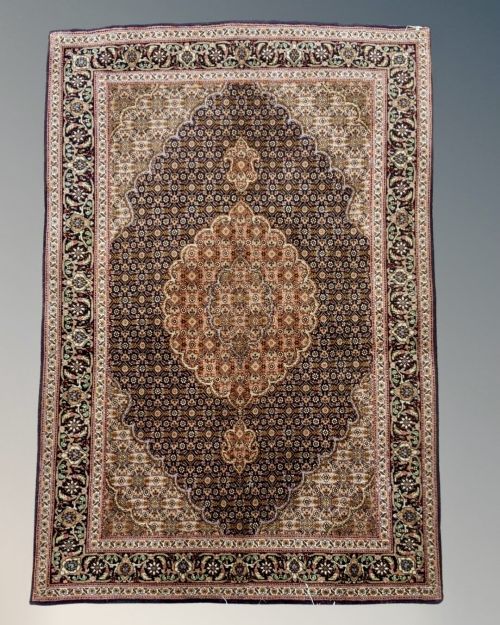
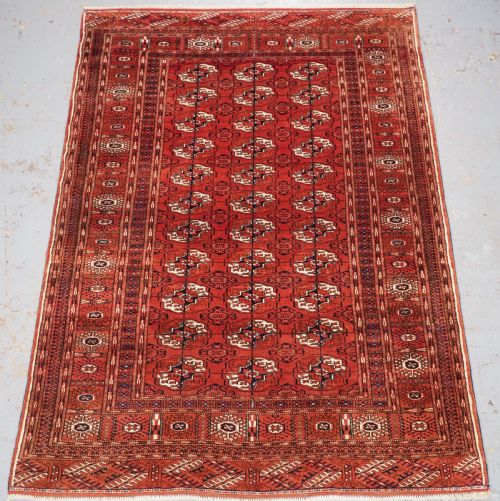
When you search for a deep red wool rug, you encounter a selection of pieces spanning from the late nineteenth century through to the 1930s. These floor coverings and tribal textiles encompass traditional Persian designs alongside Turkmen, Afghan, and Baluch tribal pieces.
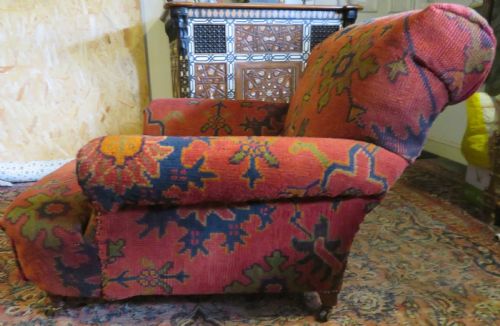
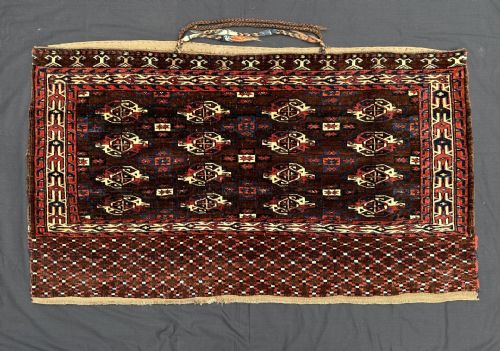
You will find runner rugs, area carpets, and smaller storage bags alongside larger room-sized carpets. The selection also includes upholstered club armchairs incorporating antique rug fragments and kilims into their design.
The aesthetic centres on deep rich shades of red, often accompanied by traditional motifs such as rams' horn mihrabs and geometric borders. These textiles originate from workshops and nomadic steppes alike, reflecting diverse cultural weaving practices.
Materials and construction methods
The foundation of these textiles relies primarily on wool and cotton, with several examples utilising hand-spun wool for the pile. Natural dyes provide the deep red colour palettes seen across the nineteenth and early twentieth century pieces.
Nomadic and village weavers employed hand-woven techniques to create durable carpets and rugs designed for daily utility. Alongside the woven textiles, wooden frames and brass details appear in the structural elements of associated nineteenth century armchairs.
Some nineteenth century makers repurposed tribal storage bags into comfortable club armchairs.
Assessing quality and craftsmanship
The quality of a rug rests upon the handling of its materials, specifically the softness and glossiness of the wool pile. Superior examples maintain rich colour saturation and structural integrity across the weave, whether created in a village setting or a traditional workshop.
Design clarity and the complexity of regional motifs distinguish individual pieces within the range. The precision of hand-weaving and the stability of the foundation yarns dictate the overall durability and visual depth of the carpet.
Howard And Sons
The Deep Red Wool Rug Glossary
- Mihrab
- A niche design element in a prayer rug, often shaped like an arch to point toward Mecca. It frequently incorporates symbolic motifs such as rams' horns.
- Ensi
- A specific type of tribal wall-hanging or tent door rug produced by the Tekke Turkmen. These pieces feature a characteristic cross-panel design.
- Chuval
- A large nomadic storage bag used for household possessions in transit across Central Asian steppes. They display detailed tribal gul patterns on the face.
- Kilim
- A flat-woven carpet or rug produced without a pile. These textiles are utilised both as floor coverings and as upholstery materials for nineteenth century armchairs.
- Pile
- The upright yarn loops that form the tactile surface of a rug. Hand-spun wool pile provides both texture and longevity to antique carpets.
Deep Red Wool Rug: Frequently Asked Questions
How do I clean a wool rug?
Vacuum gently without a rotating brush to remove surface dirt and prevent fibre damage. Professional cleaning is recommended for deep maintenance to protect natural dyes.
Avoid soaking the foundation and address spills immediately by blotting with a clean cloth. Proper care preserves the soft glossy wool and rich colour.
Where were these rugs made?
The pieces originate from regions including Persia, Turkmenistan, Afghanistan, and Turkey. Village weavers and nomadic tribes produced many of the tribal textiles.
Other examples stem from established weaving centres such as Isphahan, Ushak, and Bidjar. Each origin brings distinct regional patterns and colour palettes to the selection.
How do I style a tribal rug?
Place a runner in a hallway or kitchen to add warmth and define the walkway. Area rugs anchor living room furniture, sitting beneath a coffee table or seating group.
Allow the deep red tones and geometric patterns to contrast with neutral flooring. The textiles complement both traditional interiors and modern spaces seeking historic character.