




Decorative Wood Statue
When you handle a decorative wood statue, you hold centuries of carving tradition carved from oak, cedar, and limewood.
Decorative Wood Statue
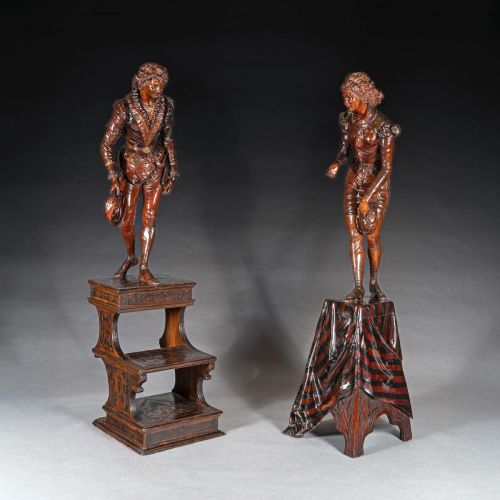
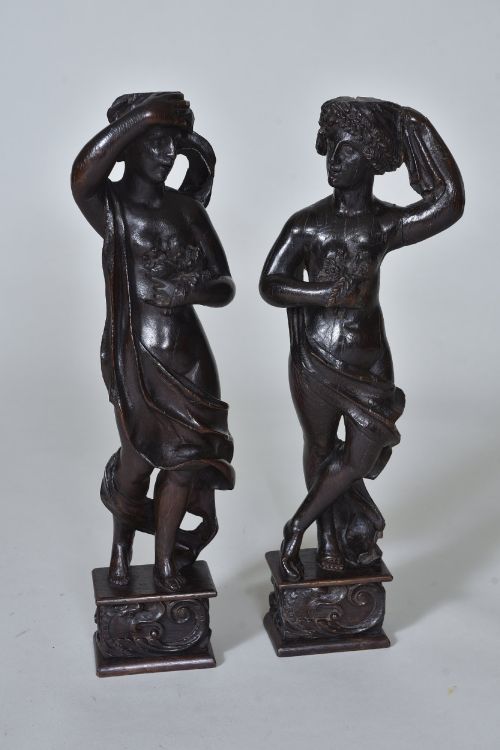
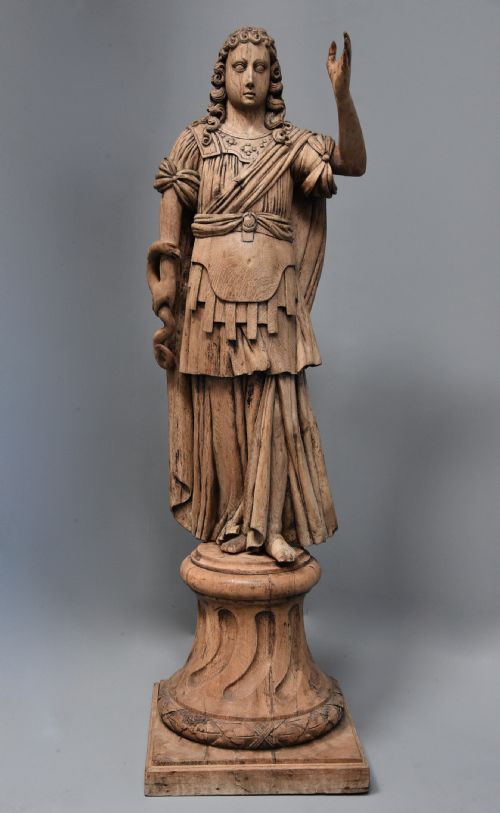
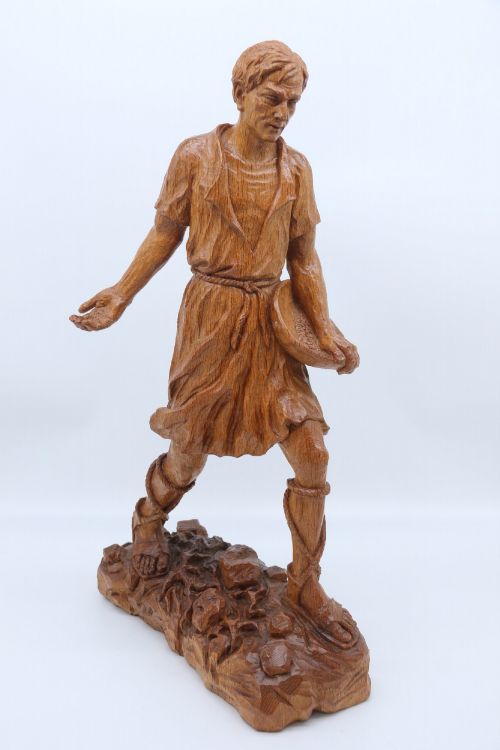
A decorative wood statue encompasses figures, animals, and human forms produced across the eighteenth, nineteenth, and early twentieth centuries. These carvings emerge from diverse traditions, ranging from European folk art and Venetian workshops to Asian and Anglo-Indian practices.
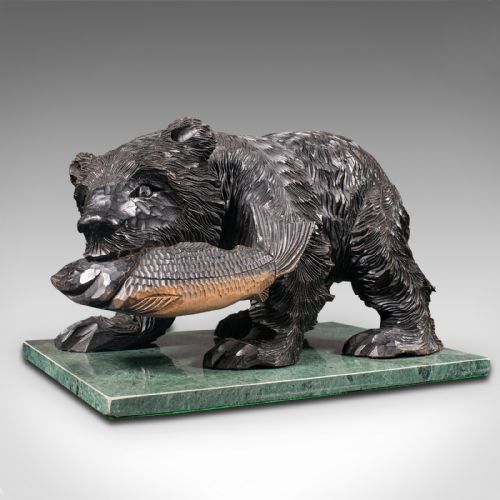
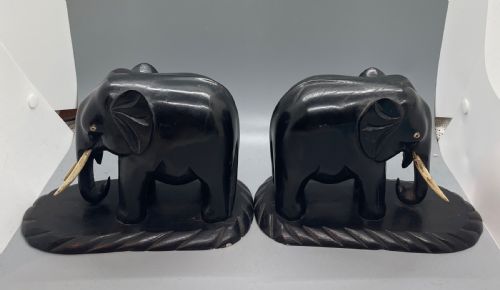
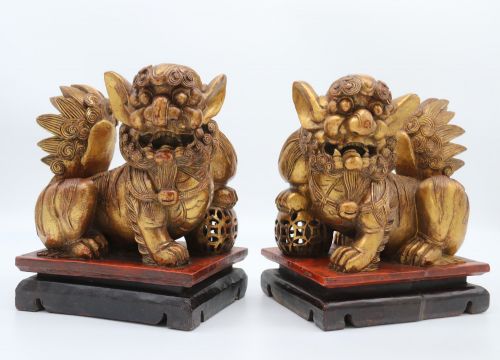
The objects take many forms, including life-size human figures, animal sculptures such as lions, elephants, and bears, as well as functional pieces like bookends and figural lamps. Buyers frequently encounter nineteenth-century interpretations alongside earlier Georgian and later Art Deco examples.
How They Were Made
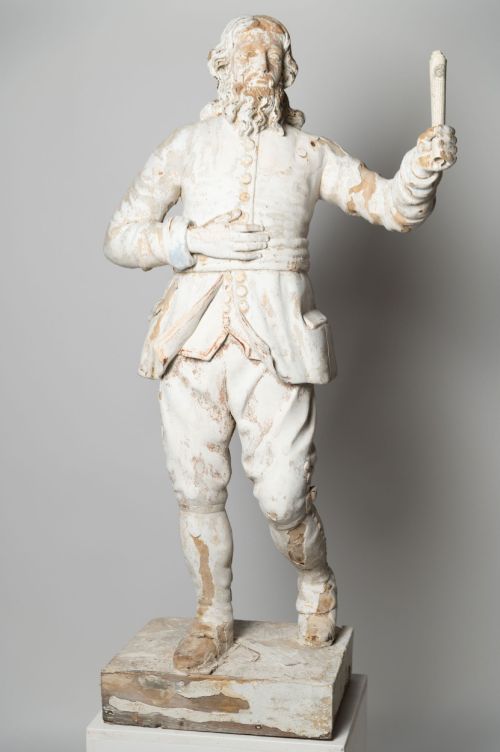
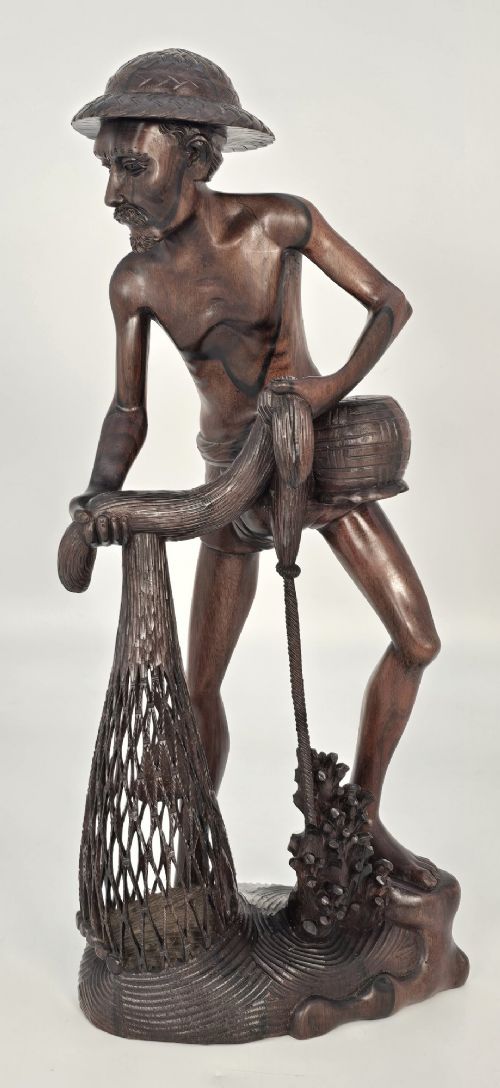
Carvers shaped these pieces primarily from various hardwoods, oak, ebony, cedar, and limewood, applying hand tools directly to the grain. Many sculptures received surface ornamentation through gesso, gold leaf, lacquer, or polychrome paint.
Some works incorporate contrasting elements, pairing carved wood bases with bronze or brass mounts, while others retain their original painted surfaces or distinct giltwood finishes.
Decorative Wood Statue Retail Price Guide 2026
Typical asking prices for decorative wood statue among the pieces listed under this phrase on Sellingantiques today, from the lower quarter to the upper quarter. They describe what is for sale here now, not the wider market.
A solitary wooden iguana rests comfortably alongside fierce lions and serene Buddhist deities.
What Varies in Quality
The integrity of the original surface treatment dictates much of the visual impact, separating pieces with undisturbed polychrome paint, gilding, or patinated hardwood from those with heavy later interventions.
Valentino Besarel·Hans Müller
The Decorative Wood Statue Glossary
- Polychrome paint
- Decoration utilising multiple colours on the surface of wood sculpture. This technique highlights carved details on figures and architectural elements.
- Gesso
- A plaster-like mixture applied to wood surfaces as a preparation for gilding or painting. It provides a smooth base for gold leaf.
- Giltwood
- Wood that has been coated with gold leaf or gold paint. It frequently appears on neoclassical eagles and Venetian decorative figures.
- Hardwood
- Dense timber from broad-leaved trees, chosen by carvers for durability and fine grain. Species like oak, ebony, and cedar appear across these listings.
- Folk art
- Objects created by traditional craftsmen or untrained artisans outside academic traditions. These carvings often display direct, unpretentious charm.
Decorative Wood Statue: Frequently Asked Questions
Where were decorative wood statues placed in homes?
These sculptures stood on pedestals, furniture tops, or floors depending on their scale. Life-size figures often occupied hallways or reception rooms as architectural ornaments.
Smaller animal figures and bookends found homes on desks, mantelpieces, and library shelves. Many pieces served purely aesthetic roles, while others functioned as lamps or waiters.
How do I identify the period of a carved wooden figure?
Dating relies on stylistic clues, tool marks, and material choices associated with particular eras. Georgian pieces often show neoclassical restraint or robust animal carving, while nineteenth-century works display varied regional styles.
Twentieth-century examples frequently adopt Art Deco geometry or modern interpretations of traditional subjects. Comparing the finish, such as original polychrome or gesso, aids in establishing age.
What is the difference between folk art and academic wood carvings?
Folk art carvings reflect regional traditions and vernacular styles produced by local craftsmen. They prioritize expressive character over strict anatomical proportion.
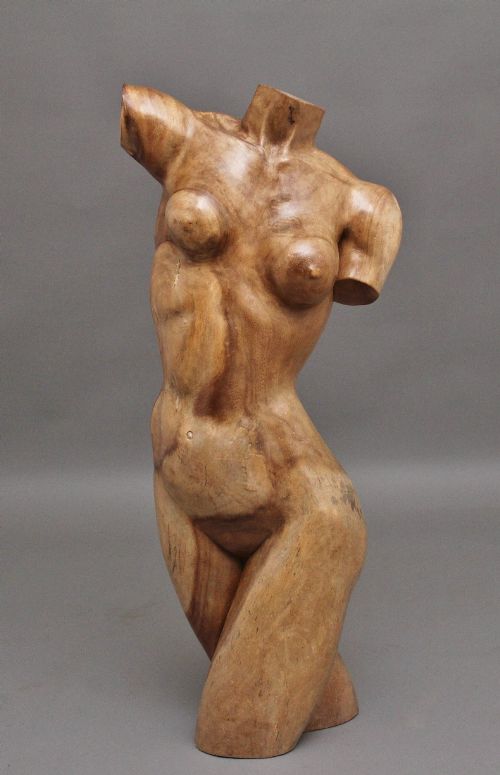
Academic sculptures demonstrate formal training with precise attention to human anatomy, classical drapery, and refined finishing techniques. Both categories exist across nineteenth and twentieth-century production.
How should I care for antique wooden sculptures?
Keep wooden figures away from direct sunlight and sudden temperature shifts to prevent splitting or warping. Dust gently with a dry, soft cloth without applying modern chemical polishes.
Preserving original painted or gilt surfaces requires avoiding moisture and abrasive cleaners entirely. Stable indoor humidity protects both the timber substrate and delicate gesso layers.