




Decorative Wall Charger
A decorative wall charger brings scale and colour to an empty interior surface, offering a broad canvas of ceramic, copper or enamel.
Decorative Wall Charger
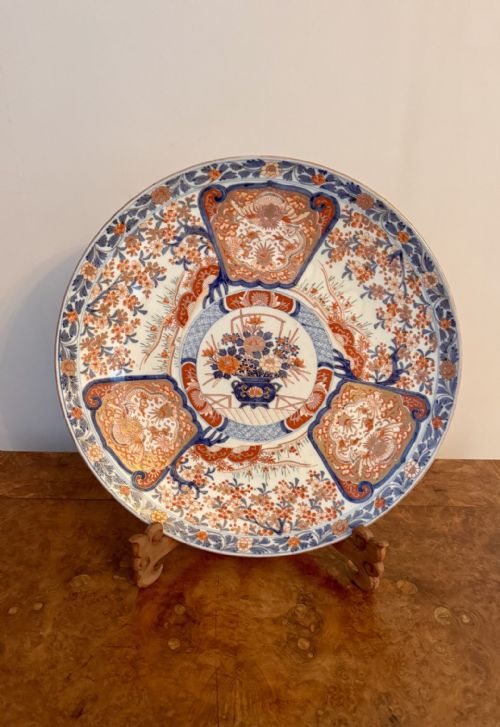
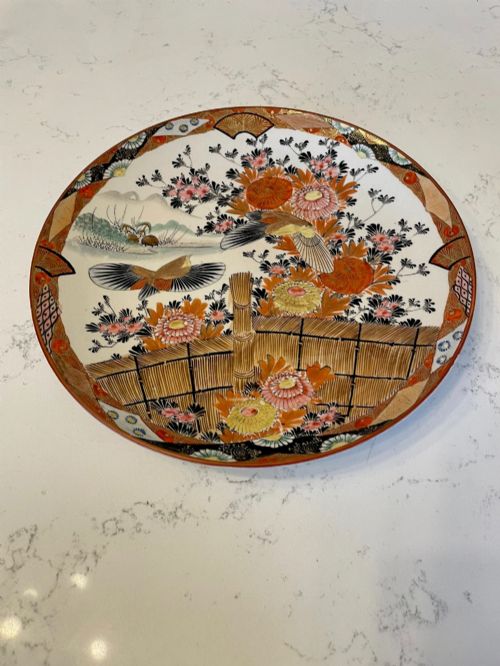
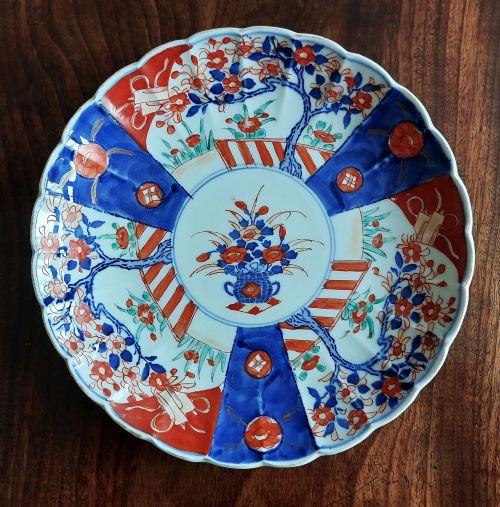
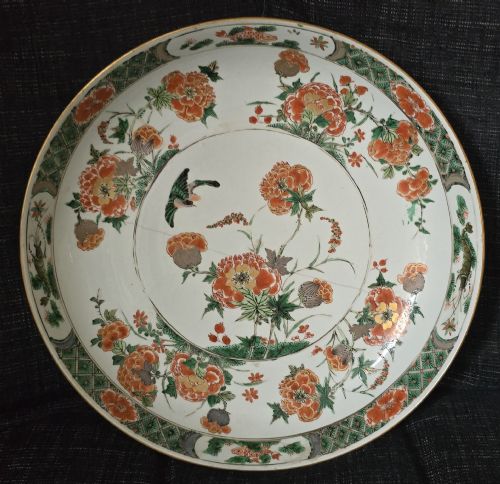
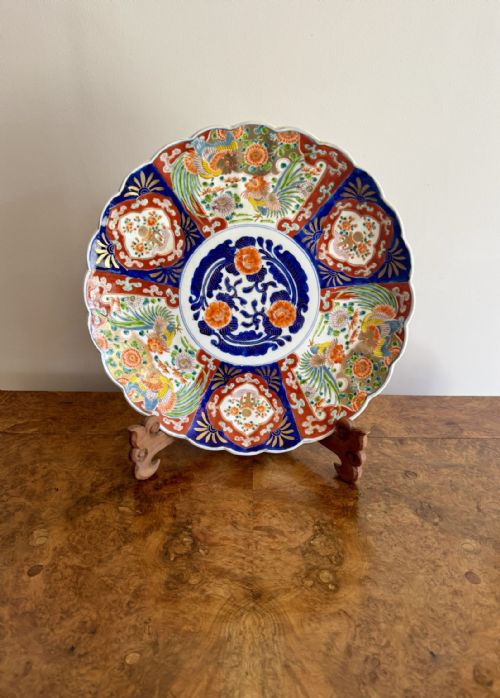
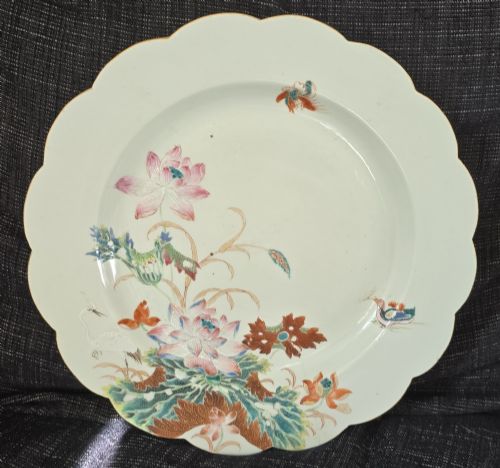
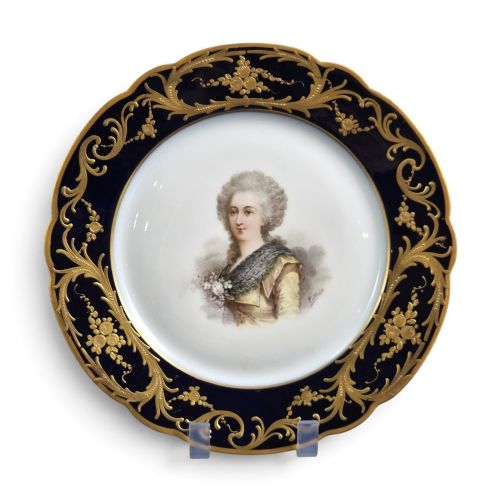
A decorative wall charger is a large display plate or plaque created specifically for visual impact rather than domestic service at the dining table. These substantial pieces span centuries of production, appearing in porcelain, earthenware, and metal from origins across Europe, Asia, and the Middle East.
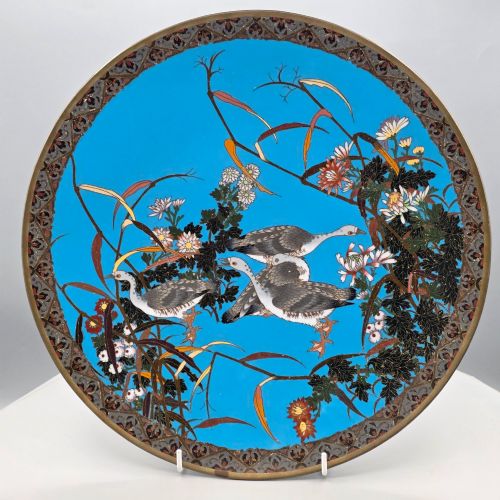
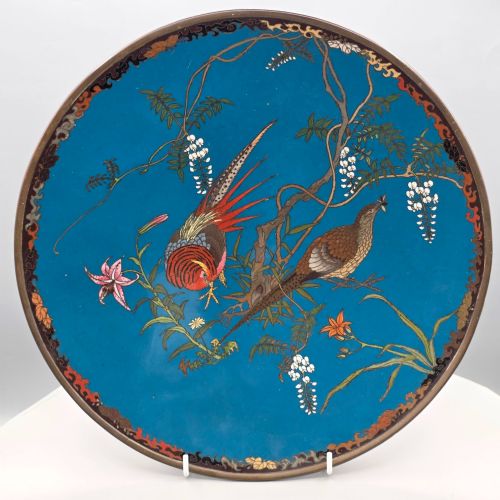
The most common examples encountered on this page originate from Japanese Meiji period kilns and European potters spanning the seventeenth to the early twentieth centuries. Forms range from deep circular dishes and scalloped plates to flat wall plaques and mixed metal trays.
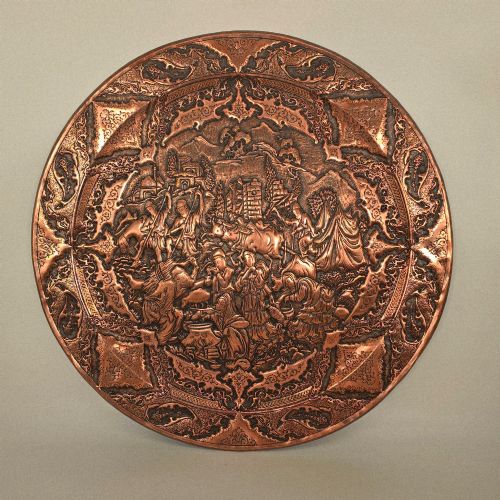
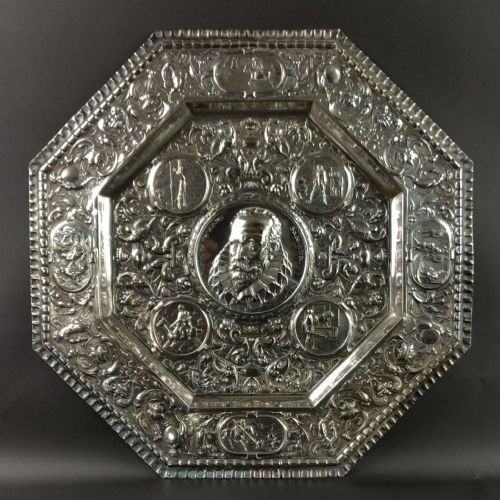
Makers utilised these wide surfaces to display elaborate hand-painted scenes, intricate blue and white patterns, or raised repoussé metalwork intended to be hung on walls or exhibited on cabinets.
How they were made
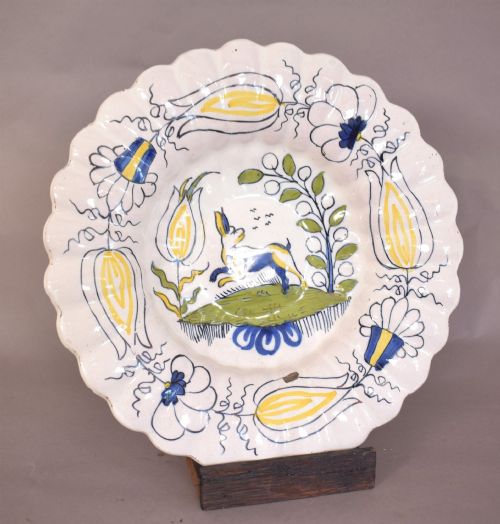
Potters shaped ceramic and earthenware bodies on the wheel or pressed them into moulds before applying tin glazes, cobalt underglazes, or rich enamel palettes. Japanese and Chinese works frequently combined high-fired porcelain with detailed hand-painted pigments and gilding.
Metal versions in copper, brass, and iron relied on hammering, engraving, and repoussé techniques to push designs into relief, occasionally incorporating silver and gold inlay or patinated finishes. Cloisonné pieces achieved their complex patterns by soldering delicate metal wires to a base and filling the resulting cells with coloured enamel.
Listings feature porcelain, enamel, earthenware, and copper alongside specialised styles including Japanese Imari, Dutch Baroque, and Qing Dynasty periods.
What varies in quality
The distinction between standard domestic wares and top-tier decorative wall chargers lies in the ambition and execution of the surface design. Superior examples display confident, highly detailed brushwork, precise metal inlay, or deeply modelled repoussé work executed by named artists or premier workshops.
Material refinement and firing stability also separate the grades, as finer porcelain, richer enamel saturation, and well-preserved gilding retain their visual strength without warping or dulling over time.
Shozo·Koshida·John Ford·Richard Sebright·John Davenport·William Yale
The Decorative Wall Charger Glossary
- Charger
- A large ornamental plate designed primarily for display on a wall or sideboard rather than for dining use. These pieces measure significantly larger than standard dinner plates.
- Repoussé
- A metalworking technique where a craftsman hammers the reverse of a sheet of copper, brass, or iron to form a raised design in relief on the front. Engraving often finishes the surface details.
- Cloisonné
- An enamel technique involving metal wires soldered to a metal body to create compartments, which are then filled with coloured enamel paste and fired. The resulting surface shows distinct coloured fields separated by thin metal lines.
- Imari
- A style of Japanese porcelain featuring a characteristic palette of underglaze blue, iron red, and gilt highlights. Originating from the Arita area, these export wares became immensely popular across Europe.
- Faience
- European tin-glazed earthenware produced with an opaque white glaze that accepts painted pigments. Dutch and French workshops utilised this technique to imitate prized oriental porcelain.
Decorative Wall Charger: Frequently Asked Questions
How do I hang a heavy charger?
Heavy ceramic, brass, and copper pieces require specialised wall fixings and adjustable wire display hangers that securely grip the rim without putting stress on the body.
Ensure the hanging wire or wall hook is rated for the specific weight of the charger, particularly for large nineteenth-century metalwork or thick earthenware plaques.
Were these plates used for dining?
Most chargers and large display plaques were created specifically for visual presentation on walls, dressers, or cabinets. Their substantial scale and delicate painted or inlaid surfaces made them impractical for everyday meals.
While some earthenware and porcelain forms share roots with table service, the grander examples on this page served entirely decorative functions in historic interiors.
How do I clean metal and ceramic chargers?
Ceramic and porcelain pieces benefit from gentle dusting with a soft, dry cloth to protect fragile glazes and historical enamel work. Avoid submerging antique earthenware in water, as old glazes can craze.
Metal chargers in copper or brass should be kept dry and free of abrasive cleaning compounds, preserving the natural patination built up over centuries.