


Decorative Urn Displays
These decorative urn displays bring classical presence and ornamental weight to a room, turning alcoves and surfaces into miniature museums.
Decorative Urn Displays
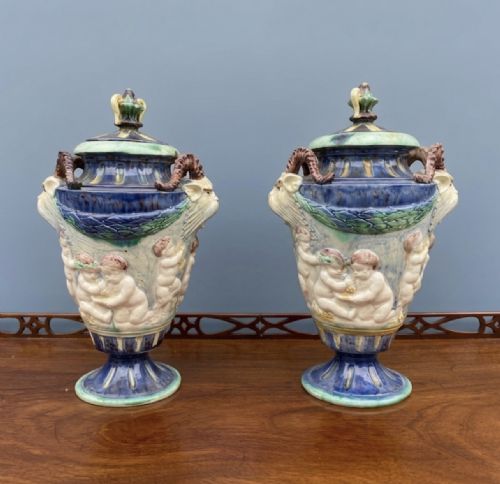
Decorative urn displays encompass a wide range of ornamental vessels, pedestals, and stands designed to elevate sculptural forms within an interior space. When you search for decorative urn displays, you meet pieces spanning the nineteenth century through the Edwardian era, taking the form of majolica urns, bronze ewers, and porcelain vases resting upon marble columns or carved wood stands.
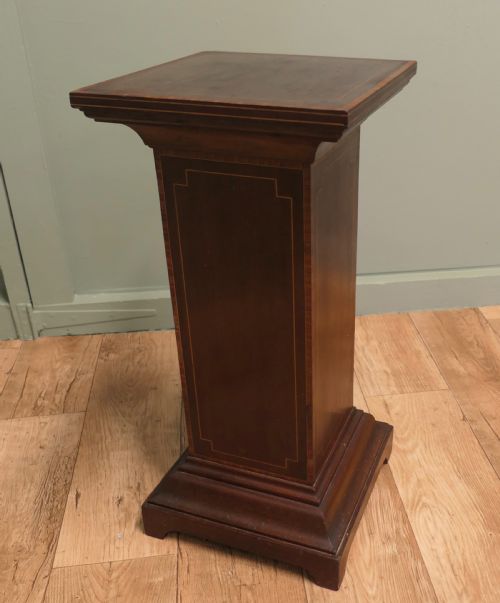
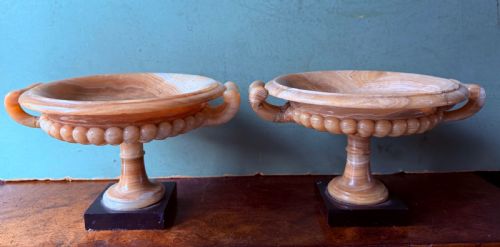
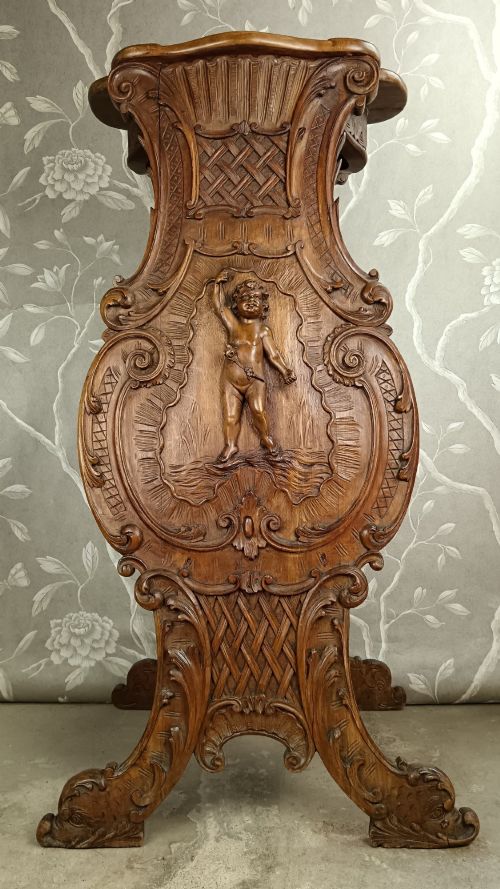
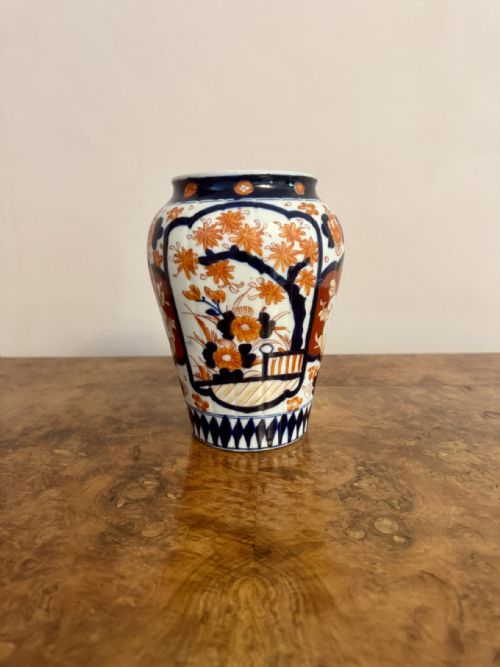
The selection ranges from grand Italian Grand Tour souvenirs carved in alabaster and marble to intricate Japanese Satsuma and Imari vases brought to Europe during the Meiji period. Alongside these standalone vessels, the category includes supporting furniture such as walnut and mahogany pedestals, torchères, and plant stands intended to display the urns at optimal height.
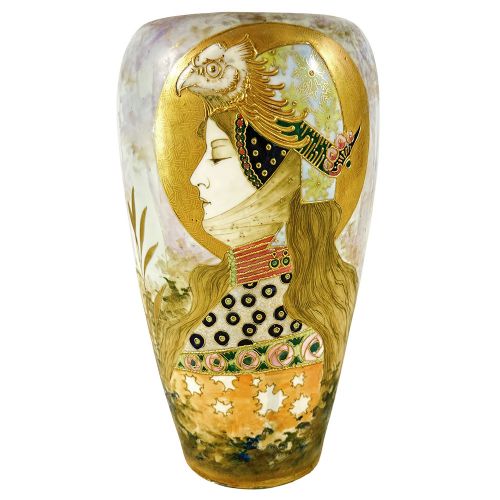
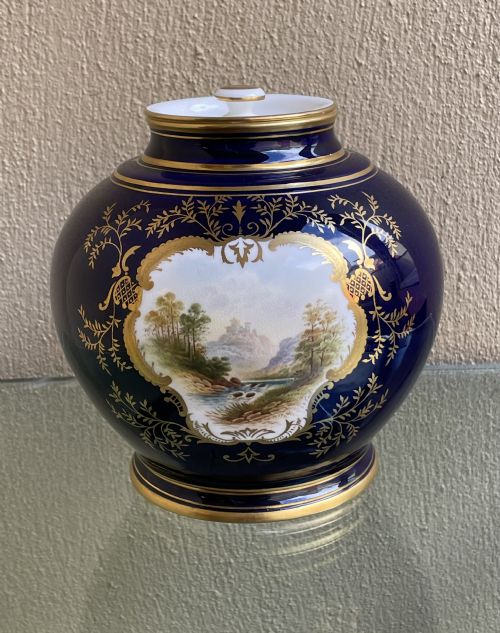
Makers and potteries represented across the listings include Minton, Royal Worcester, Coalport, Wedgwood, and specialised Japanese studios like Kinkozan and Hododa. Whether rendered in European earthenware or Asian porcelain, these pieces serve primarily as focal points for interior decoration and historical display.
How they were made
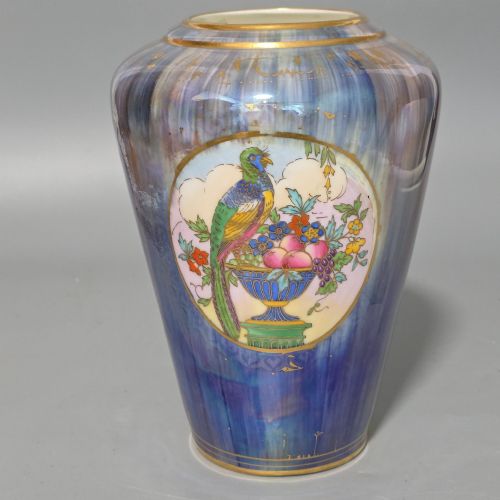
The materials recorded in these pieces rely heavily on fired ceramics, including porcelain, earthenware, majolica, and specialised art pottery finished with hand-applied enamel, glaze, and gold leaf. Many of the ceramic and bronze works incorporate meticulous hand-painted details, moriage relief work, or cloisonné wirework to build complex decorative panels.
Supporting elements and stone vessels utilise carved natural materials such as carrara marble, alabaster, giltwood, and flamed mahogany. Stonework is typically shaped and polished from solid blocks, while wooden pedestals and tables employ traditional joinery, turning, and gilding techniques to support heavier display pieces.
What varies in quality
Quality in these displays rests upon the crispness of the carving in stone and wood, and the precision of hand-painted brushwork on porcelain and earthenware surfaces. Pieces from established potteries or named artists show superior depth in gilding, enamel saturation, and figurative detail compared to simpler commercial wares.
The choice of materials also dictates the upper tier of the range, distinguishing solid marbles, intricate bronzes, and heavy gilt mounts from simpler secondary woods and standard glazed pottery. Proportion and the integrity of the pairing between an urn and its matching pedestal or base determine the overall visual success of the display.
Nicholas Kannhauser·Reissner Stellmacher and Kessel·Minton·Coalport·Hododa·Kinkozan·Royal Vienna·Wedgwood·Royal Worcester
The Decorative Urn Displays Glossary
- Grand Tour
- A nineteenth-century cultural journey undertaken by wealthy Europeans to study classical antiquities. Souvenirs from these trips often included miniature alabaster and marble tazze or bronze ewers.
- Satsuma
- A type of Japanese earthenware featuring a crackle-glaze ivory background decorated with polychrome enamels and heavy gilding. These wares were widely exported during the Meiji period.
- Moriage
- A Japanese ceramic technique where slip is piped onto the surface to create raised decorative patterns before firing and gilding. It gives a distinct tactile quality to vases and urns.
- Cloisonné
- An ancient metalworking technique employing thin metal wires soldered to a base to form compartments, which are then filled with enamel paste and fired. The resulting vessels show intricate coloured patterns separated by metal lines.
- Torchère
- A tall, slender stand or pedestal designed specifically to hold a light, candelabrum, or decorative urn. They are frequently carved from wood or marble during the Victorian and Edwardian periods.
- Campana
- A classical bell-shaped form commonly used for ancient Roman and later souvenir urns. The profile flares outward gently towards a distinct everted rim.
Decorative Urn Displays: Frequently Asked Questions
What is a decorative urn display?
A decorative urn display is a combination of an ornamental vessel, such as a vase or ewer, and its supporting pedestal, column, or table.
These arrangements are designed to create a focal point in a room by elevating sculptural objects to eye level.
How do I style a pedestal and urn?
Place heavier marble or bronze columns in corners or hallways where they can support substantial weight safely.
Pair lighter porcelain or earthenware vases on wooden tables or plant stands to add height variation to a room.
What is the Grand Tour style?
The Grand Tour style refers to nineteenth-century European souvenirs modeled after ancient Greek and Roman antiquities.
These pieces are typically carved from alabaster, carrara marble, or cast in bronze to mimic museum artefacts.
How do I identify Meiji period Satsuma ware?
Meiji period Satsuma pieces feature a characteristic cream-coloured crackle glaze decorated with detailed hand-painted scenes and heavy gold leaf.
Many bear maker signatures or studio mon badges underneath the base.
Where should I place a heavy marble pedestal?
Heavy marble pedestals require stable, level flooring to distribute their substantial weight evenly without tilting.
They work best as architectural anchors in entrance halls or large reception rooms.