


Decorative Table Lighting
Decorative table lighting encompasses oil lamps, candelabra, and electrified bases designed to illuminate interiors through varied forms.
Decorative Table Lighting
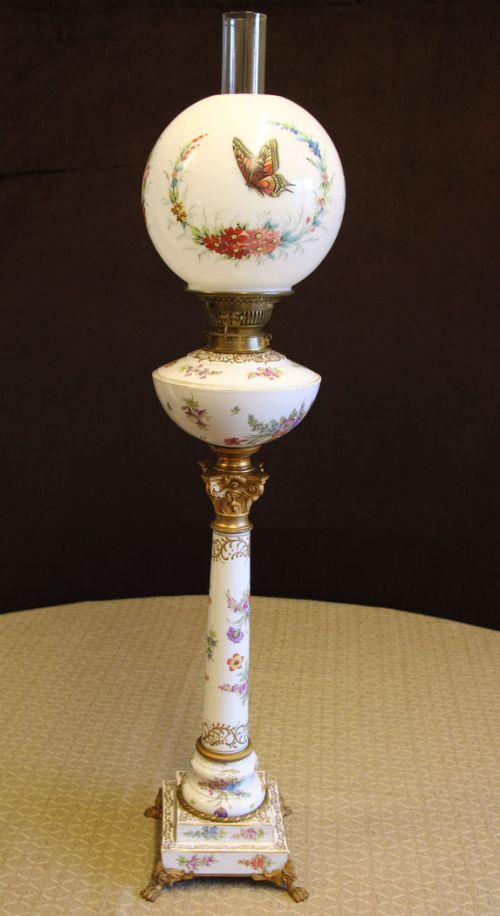
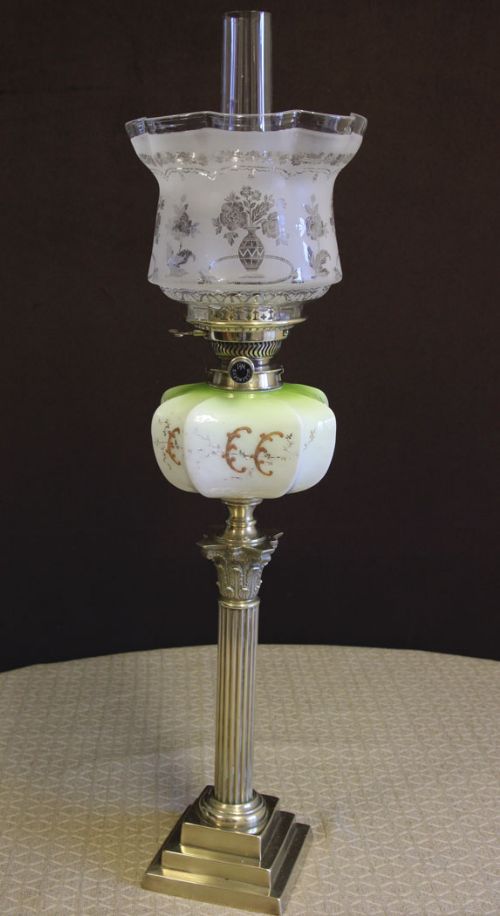
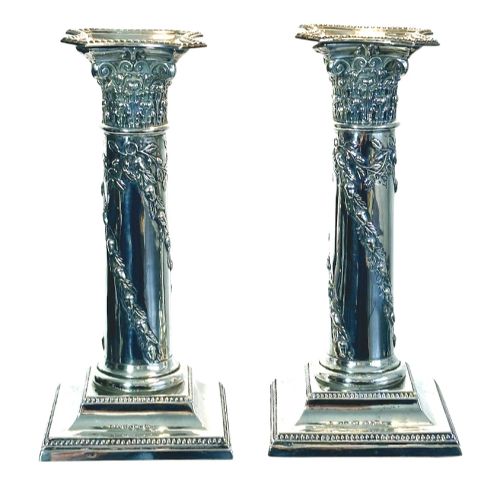
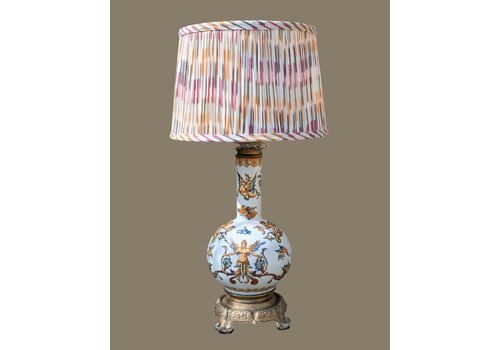
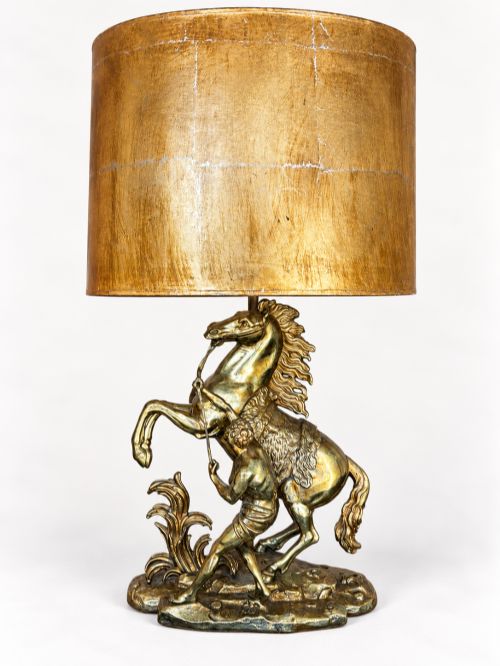
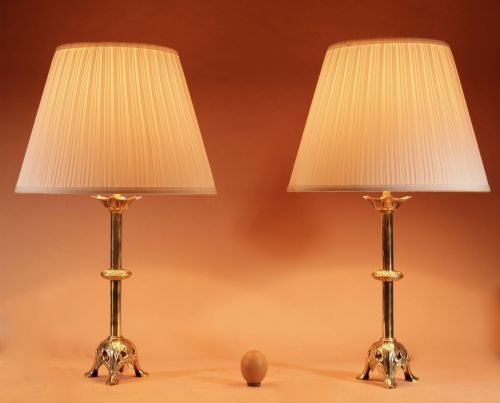
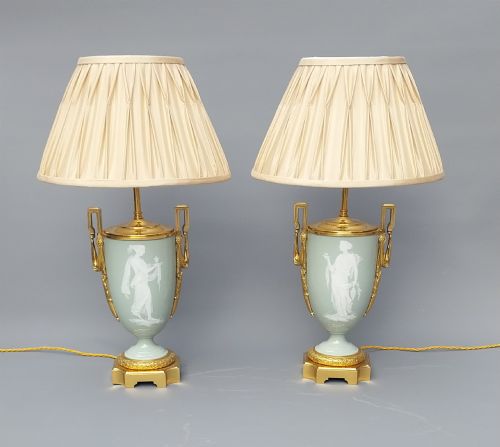
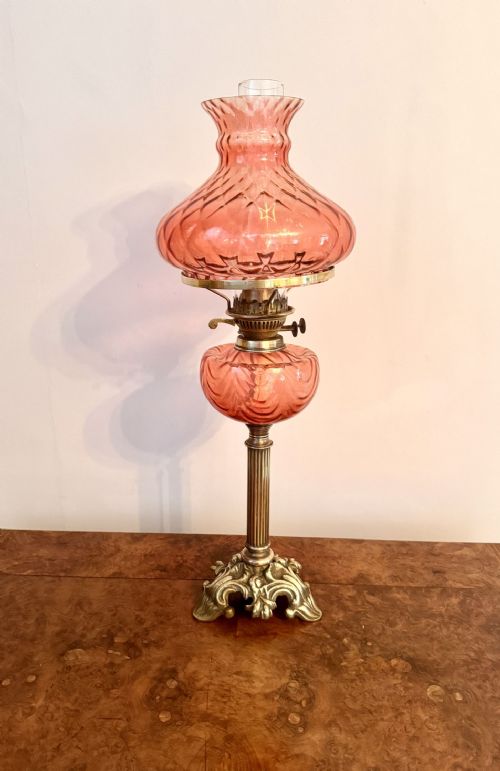
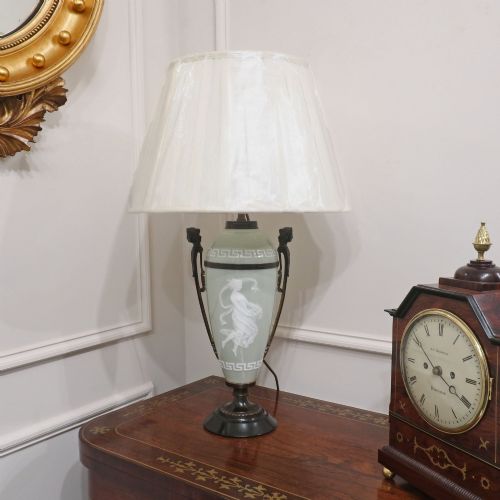
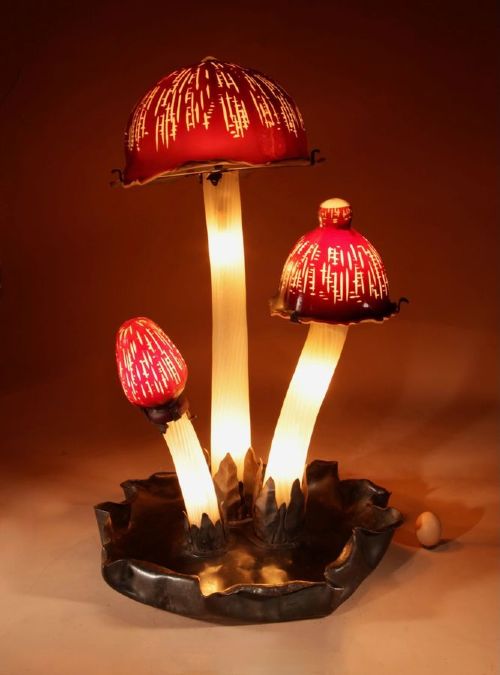
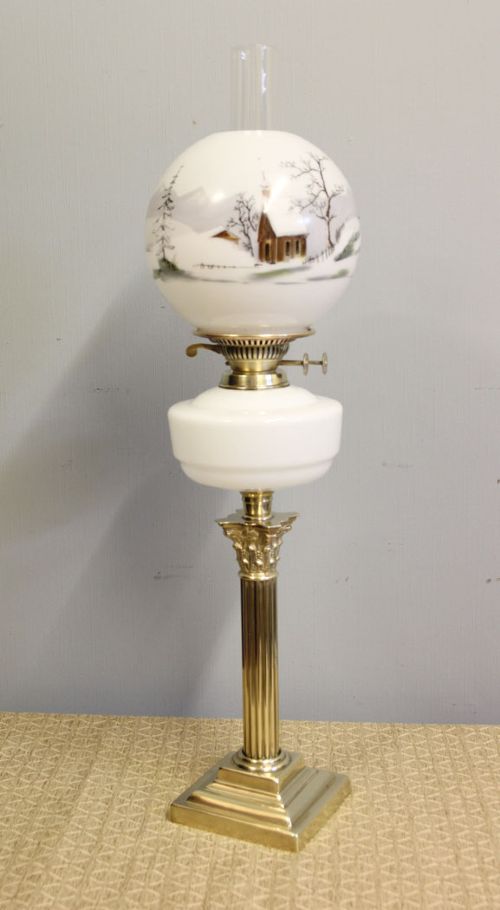
Decorative table lighting spans functional illumination pieces from the nineteenth and early twentieth centuries, including converted oil lamps, candelabra, and cast metal bases. Buyers encounter Victorian brass designs, Edwardian glass fonts, and French neoclassical porcelain creations adapted for modern use.
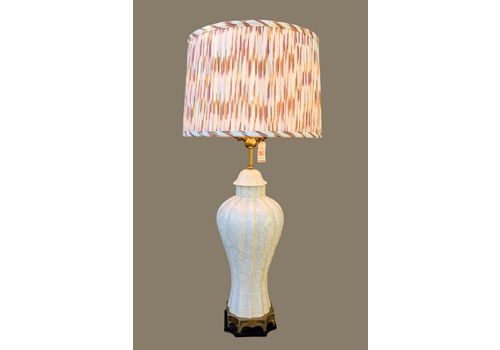
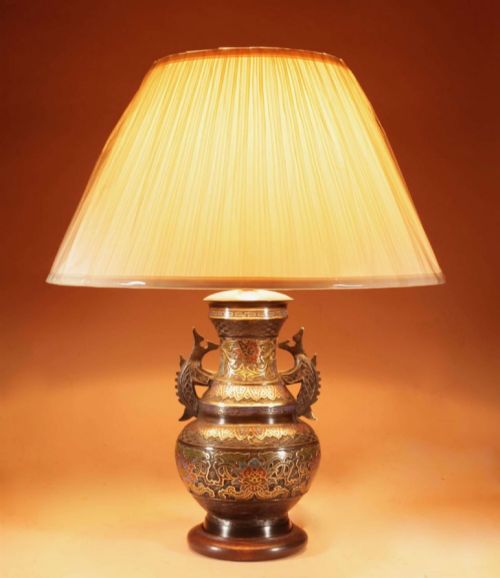
The selections on this page draw from diverse global workshops, featuring Japanese bronze vessels, Kashmiri papier-mache columns, and European porcelain bodies. These items frequently originate from conversions of earlier vases or candelabra, retaining their original decorative mounts while accommodating electrical fittings.
Judging execution and finish
Quality rests upon the crispness of casting detail in metal mounts and the refinement of hand-painted or glazed surfaces on porcelain and glass bodies. Finer examples display meticulous chiselling on ormolu components and harmonious proportions between base and shade.
The integrity of the original material conversion determines the success of the piece, particularly where antique vases or oil lamp fonts receive electrical fittings. Superior items retain their structural balance and integrate mounts without obscuring the primary artistic medium.
Decorative Table Lighting Retail Price Guide 2026
Typical asking prices for decorative table lighting among the pieces listed under this phrase on Sellingantiques today, from the lower quarter to the upper quarter. They describe what is for sale here now, not the wider market.
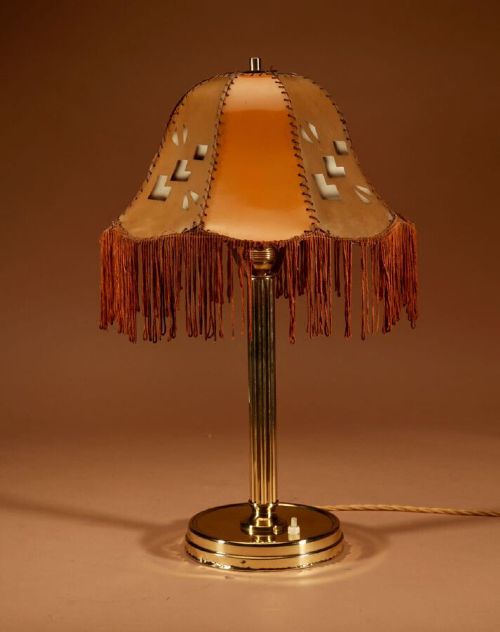
The inventory spans the nineteenth century through the Art Deco period, capturing shifts from Victorian oil lamps to cubist electric forms.
Pierre Philippe Thomire·Georges Leleu·Charles Schneider·Sitzendorf·Royal Worcester·Moorcroft·Hicks and Meigh
The Decorative Table Lighting Glossary
- Ormolu
- Gilded bronze used extensively for decorative mounts on nineteenth-century French and English furnishings. The technique involves applying finely ground gold mercury amalgam to a bronze base.
- Candelabra
- Branched lighting fixtures designed to hold multiple candles simultaneously. Many surviving examples later undergo conversion into table lamps.
- Pâte-sur-pâte
- A ceramic decoration method where wet porcelain slip builds up relief designs on a contrasting background. This technique appears on French and English porcelain lamp bodies.
Decorative Table Lighting: Frequently Asked Questions
How do I wire an antique oil lamp?
Conversion typically involves running a discreet cord through the central column without drilling through the primary ceramic or glass reservoir where possible. Professional rewiring ensures modern safety standards while preserving the original collar and burner fittings.
Many pieces arrive already converted by previous owners, allowing immediate placement on side tables or desks.
Can I replace the lampshade safely?
Replacement shades should complement the scale of the base and match the period style, whether utilising pleated fabric, etched glass, or card. Proportions matter when pairing a substantial bronze or porcelain body with an upper shade.
Fixings often rely on standard shade carriers that attach directly to the bulb holder or gallery.
How do I identify French neoclassical lighting?
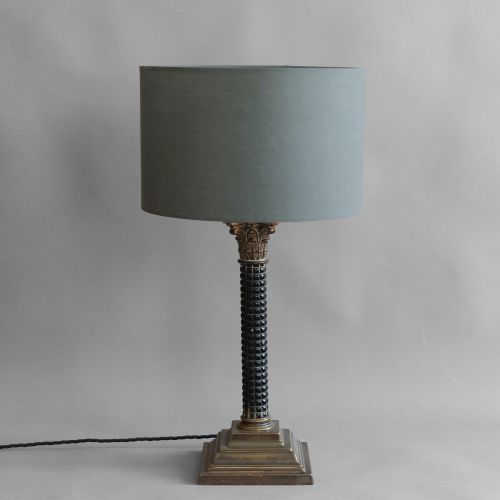
French neoclassical pieces frequently incorporate gilt bronze mounts, marble plinths, and classical architectural motifs such as Corinthian columns or urn shapes. These designs reflect eighteenth-century revival tastes popular during the nineteenth century.
Matching pairs often display symmetrical figural decorations or cast foliate details along the base.
What maintenance do brass lamp bases require?
Polishing should be approached cautiously to preserve the natural patination built up over decades or centuries. Dusting with a soft dry cloth prevents grime accumulation on intricate cast brass or ormolu surfaces.
Harsh chemical cleaners can strip surface gilding from nineteenth-century metalwork permanently.