

Decorative Table Glass
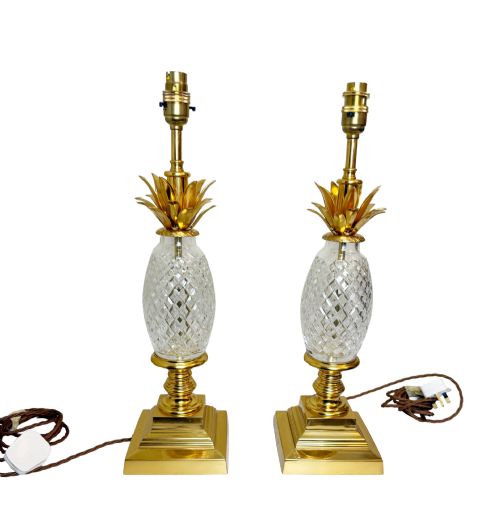
These decorative table glass pieces combine brass, crystal and gilt bronze to bring Victorian and Art Deco styling directly into domestic interiors.
Decorative Table Glass
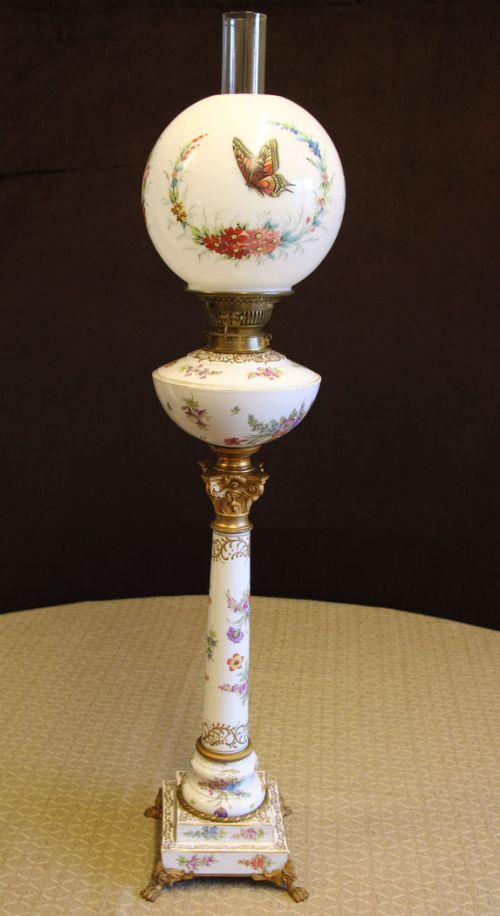
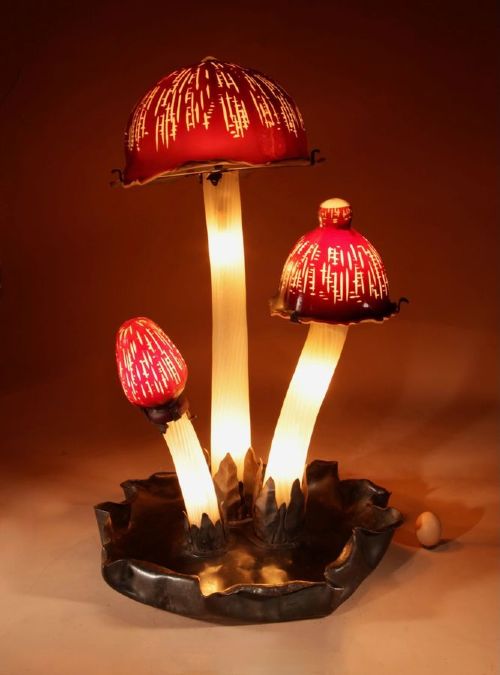
When you search for decorative table glass, you encounter functional and ornamental objects intended for interior placement, most frequently table lamps, oil lamps, centrepieces, and vases. The items span the nineteenth century through the mid-twentieth century, with Victorian, Edwardian, and Art Deco manifestations predominating.
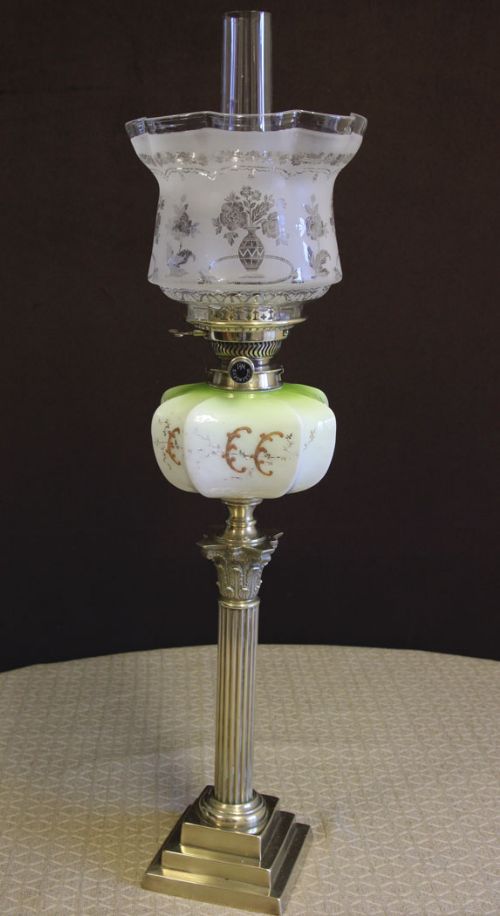
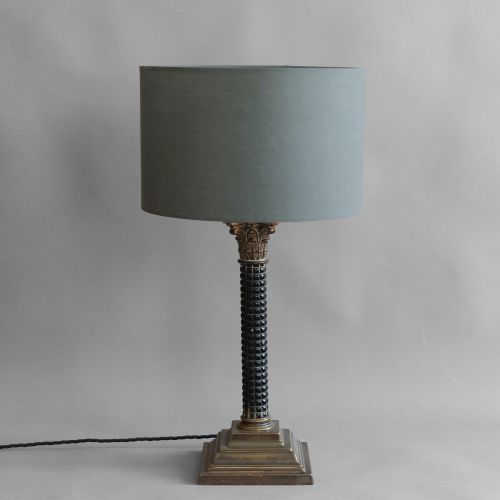
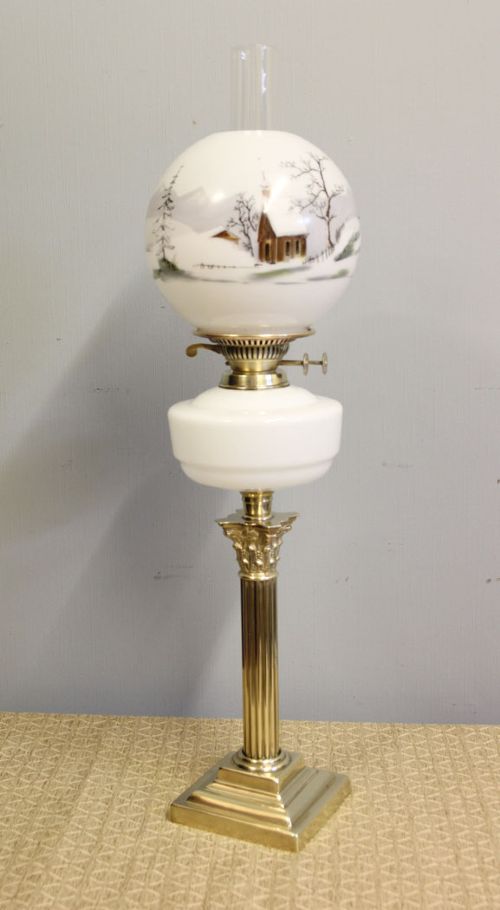
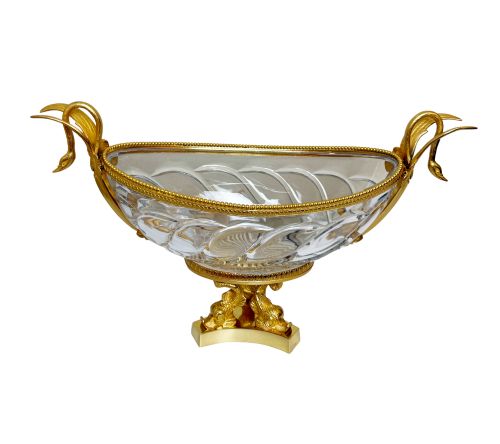
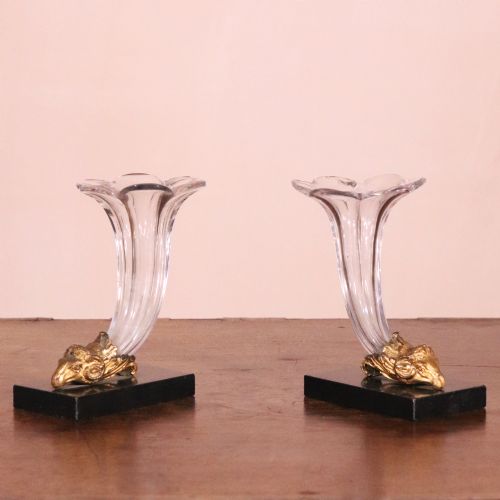
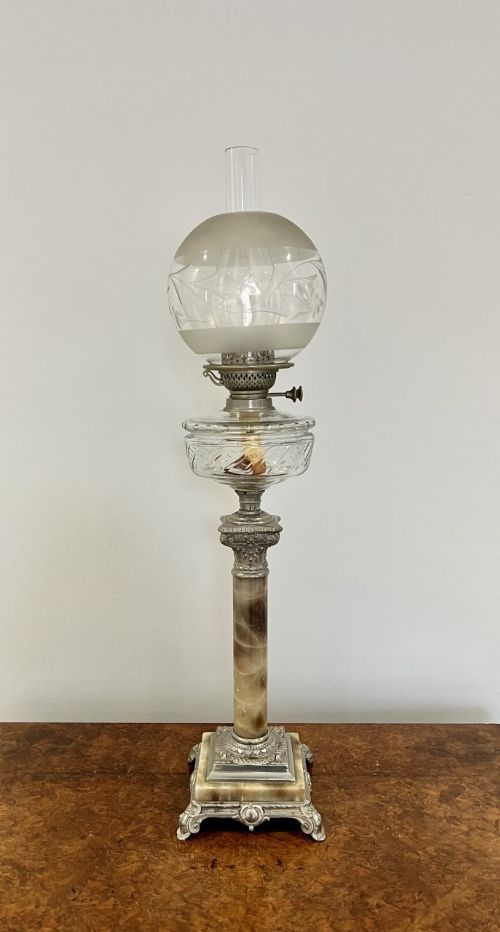
The selection ranges from tall column oil lamps fitted with etched shades to crystal and gilt bronze centrepieces, alongside smaller domestic accessories such as finger bowls, water jugs, and mantel lustres. Many pieces integrate diverse media, pairing cut glass or vaseline glass with brass, copper, porcelain, and silver plate bases.
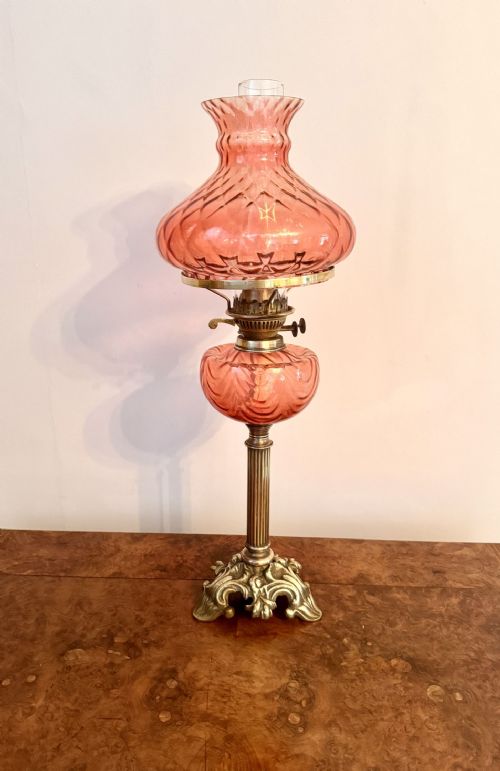
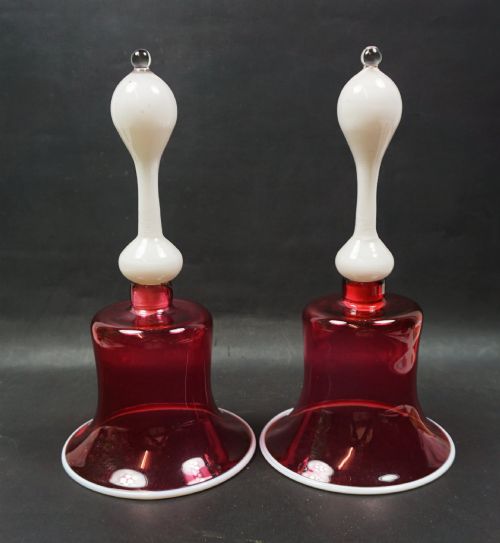
Origin points encompass English, French, and Bohemian workshops, alongside American designs and mid-century Italian production. Buyers frequently meet oil lamps and table lamps featuring coloured fonts in cranberry, vaseline, and ruby glass, accompanied by matching or contrasting glass shades.
Materials and construction methods
Makers utilised transparent, overshot, and cut crystal alongside coloured glass types like vaseline, uranium, cranberry, and ruby. Glass components were frequently blown, moulded, or cut by hand, then paired with metallic mounts in brass, gilt bronze, or silver plate.
Mounting techniques involved securing glass reservoirs or bodies into cast metal bases, sometimes incorporating onyx columns, ceramic figures, or cast iron structures. Surface decoration relied on gilding, enamel detailing, and acid-etched shade motifs rather than complex applied additions.
Decorative Table Glass Retail Price Guide 2026
Typical asking prices for decorative table glass among the pieces listed under this phrase on Sellingantiques today, from the lower quarter to the upper quarter. They describe what is for sale here now, not the wider market.
Materials recorded across the inventory include cut crystal, vaseline glass, gilt bronze, brass, porcelain, and silver plate.
Separating top tier pieces from standard examples
The distinction between standard items and superior examples lies in the crispness of the glass cutting and the weight of the metal mounts. High quality pieces exhibit deep, clean facets on cut crystal and substantial brass, gilt bronze, or ormolu foundations.
Execution of secondary details, such as hand-etched glass shades, fire-gilt finishes, and signed mechanical elements, elevates an object. Proportion and balance between the glass element and its supporting metalwork determine the visual success of mixed media compositions.
Whitefriars·Charles Schneider·Georges Leleu·Val St. Lambert·Tiffany·Emile Picault
The Decorative Table Glass Glossary
- Vaseline glass
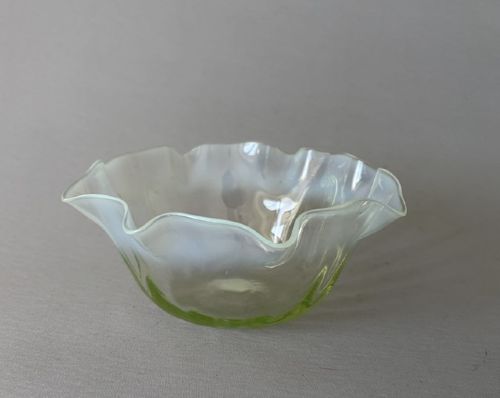
- A transparent yellowish-green glass containing uranium dioxide, which fluoresces brightly under ultraviolet light. It appears frequently in Victorian table pieces.
- Epergne
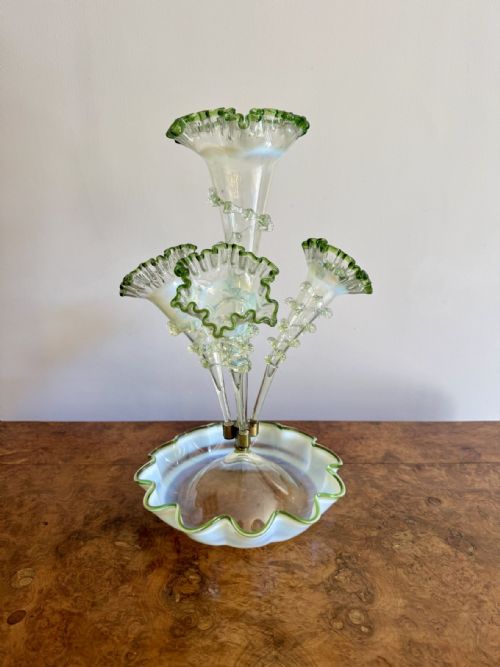
- A large table centrepiece featuring a central bowl with multiple branching arms holding smaller baskets or vases for fruit or flowers. These are often executed in coloured and cased glass.
- Cased glass
- Glass formed of two or more distinct layers of different colours, sometimes called overlay. The outer layer is occasionally cut away to reveal the contrasting colour beneath.
- Mantel lustre
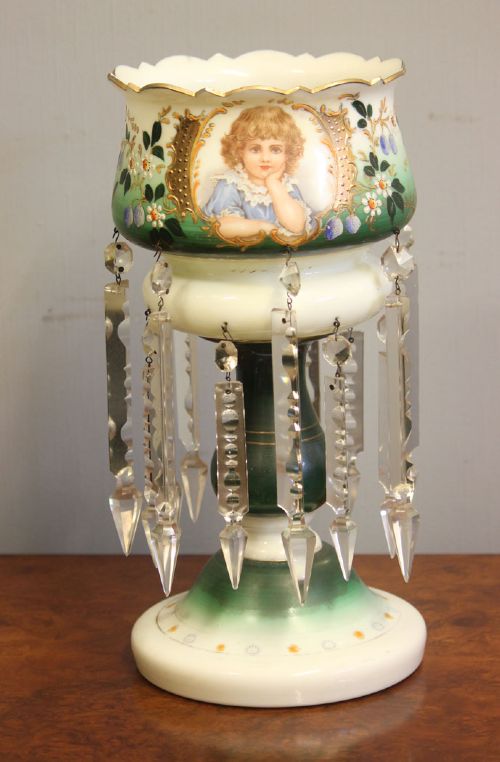
- A decorative ornamental vase hung with long cut glass prisms designed to catch the light. They commonly date from the nineteenth century.
- Overshot glass
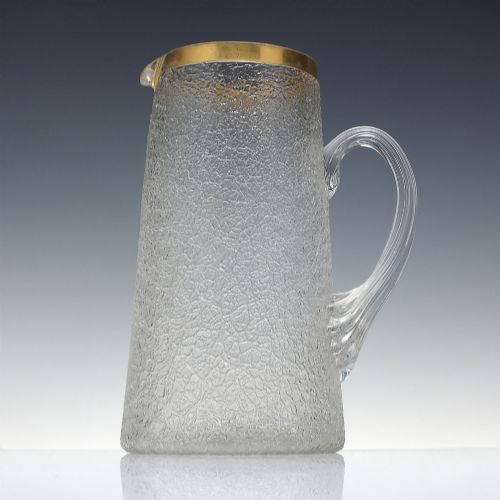
- A technique where fine threads of molten glass are rolled over the surface of a blown vessel to create a textured, icy finish. This finish appears on nineteenth-century jugs and pitchers.
Decorative Table Glass: Frequently Asked Questions
How do I identify a Victorian oil lamp?
Victorian oil lamps typically combine a ceramic or coloured glass font with a heavy brass or copper base, occasionally incorporating figural porcelain elements.
Examine the burner mechanism and collar, which often bear period patent dates or manufacturer markings consistent with nineteenth-century domestic lighting production.
What is vaseline glass?
Vaseline glass is a distinct yellowish-green glassware that gains its characteristic hue and fluorescence from trace amounts of uranium dioxide added during manufacture.
It was widely utilised for Victorian and Edwardian table accessories, including epergnes, finger bowls, and decorative lamps.
How were centrepieces used?
Centrepieces served as ornamental dining table focal points, often holding fruit, flowers, or sweetmeats during formal meals.
They combined cast metal frames in gilt bronze or ormolu with removable glass bowls or inserts designed for easy cleaning.
Are these lamps still functional?
Many antique oil lamps and column lamps have been professionally converted for modern electrical use while retaining their original burners and glass fonts.
When evaluating converted lamps, check whether the original wiring pathways and structural integrity remain unaltered by the conversion process.