


Decorative Silver Table Centrepieces
Decorative silver table centrepieces command the middle of a dining table with scale, grace and material presence.
Decorative Silver Table Centrepieces
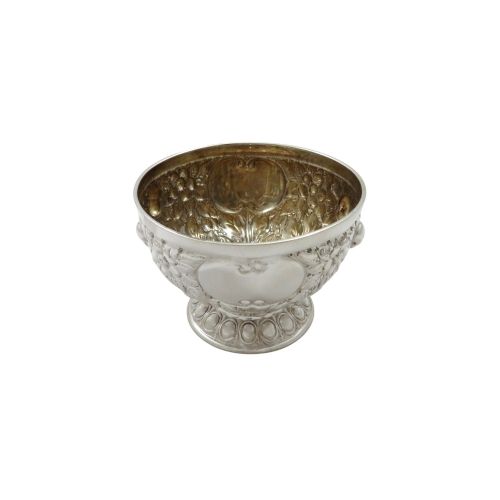
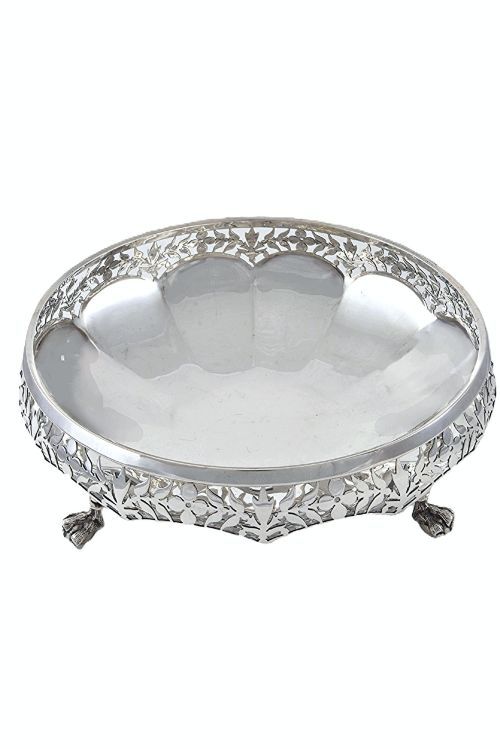
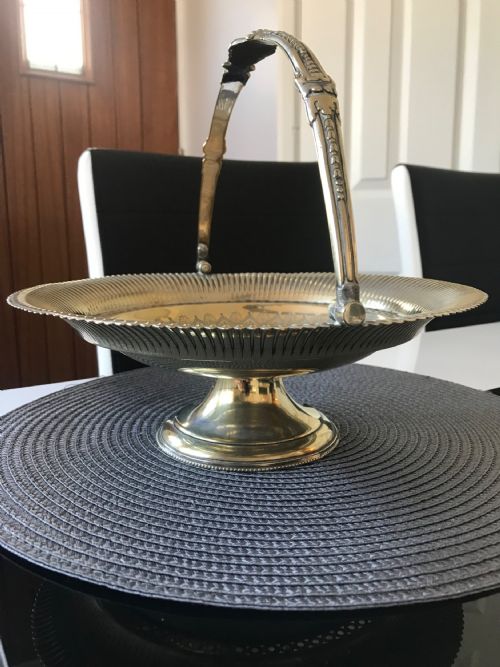
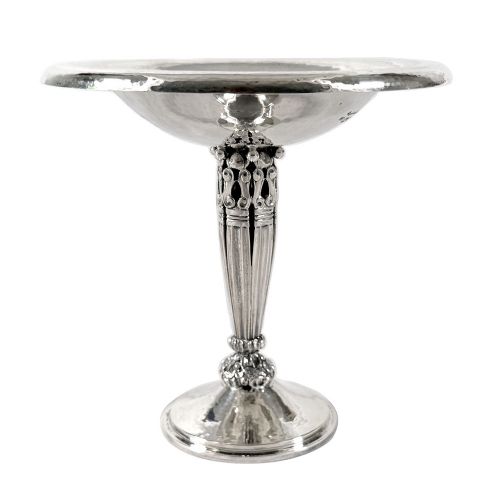
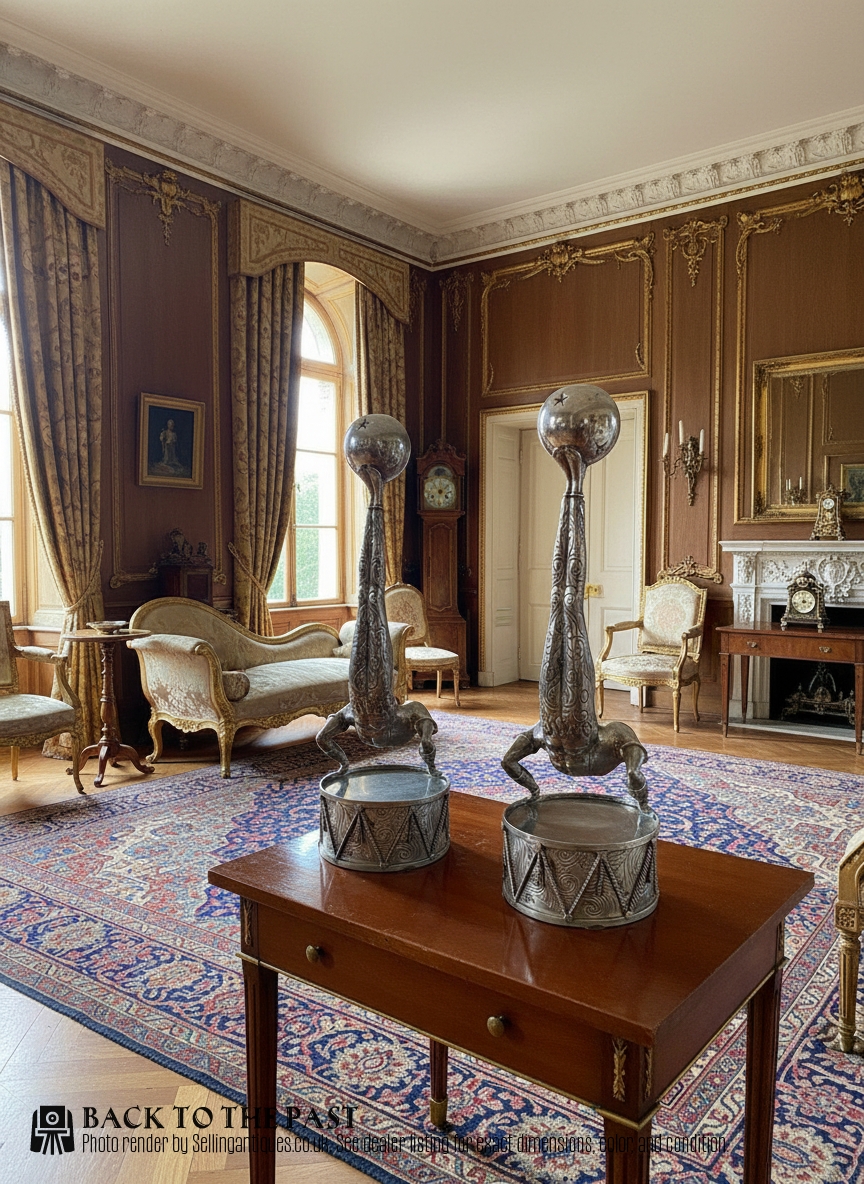
Decorative silver table centrepieces are substantial focal vessels designed to anchor a formal dining arrangement, taking forms such as large bowls, tazzas, epergnes and baskets. Buyers pursuing decorative silver table centrepieces encounter works ranging from late nineteenth-century Victorian productions to mid-twentieth-century designs.
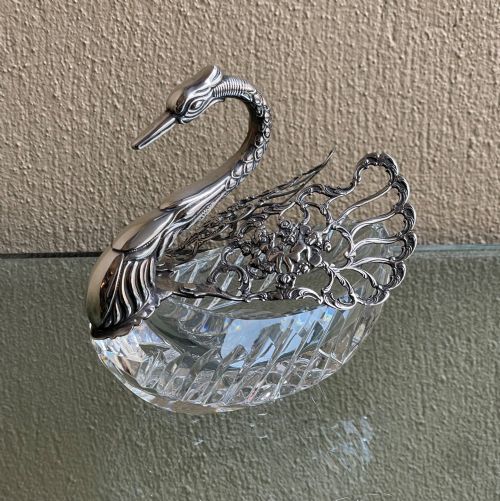
The selection includes solid sterling silver, silver plate, and combinations featuring cut glass, ceramic inserts, and brass elements. Styles span the ornate curves of Rococo Revival and Art Nouveau, the symmetry of Neoclassical design, and the geometric lines of Art Deco.
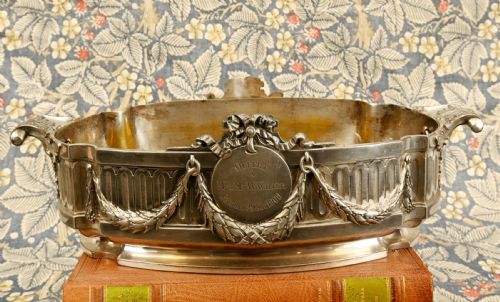
Forms such as jardiniere planters, comport stands and presentation bowls reflect the varied dining customs of the Victorian, Edwardian and George V eras. Pieces often arrive accompanied by fitted glass liners, handles or supporting stands that complete the original composition.
Materials and construction
Makers utilised sterling silver and electroplated nickel silver alongside durable silver plate, often combining metalwork with heavy cut glass, ceramic pottery bodies, or bronze elements. Bowls and baskets frequently rely on structural handles, pierced rims, and raised pedestal feet to support their weight.
Techniques range from manual hammering and silversmithing on solid pieces to electroplating base metals and casting decorative mounts in classical motifs. Ceramic components from potteries like Doulton Burslem and Royal Worcester are integrated directly into silver-plated stands and flower pot holders.
Listings span sterling silver, silver plate, cut glass, ceramic, and brass across Victorian, Edwardian, Art Nouveau, and Art Deco periods.
Evaluating quality and execution
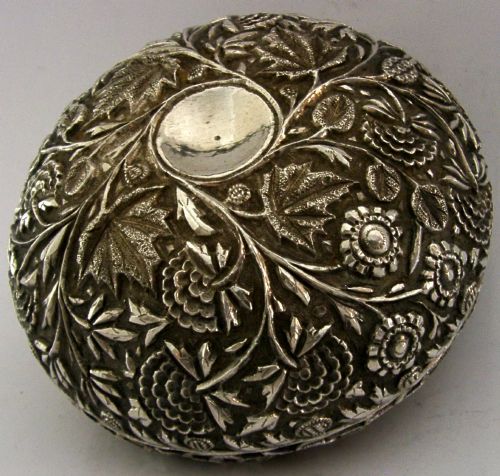
Quality rests in the crispness of chased and cast ornamentation, the gauge and weight of the silver or plated metal, and the structural integrity of joints and feet. Heavy silver plating and substantial sterling construction separate ambitious workshop productions from lighter commercial wares.
The integration of secondary materials, such as hand-cut lead glass liners or fine ceramic bowls, distinguishes the upper tier of the range. Maker attribution and the precision of hallmarks also define the standing of individual centrepieces.
Charles Boyton·Elkington & Co·Doulton Burslem·Royal Worcester·Gorham
The Decorative Silver Table Centrepieces Glossary
- Tazza
- A shallow bowl or dish raised on a stem and foot, commonly used for serving fruit or sweets.
- Epergne
- An ornamental centrepiece featuring a central dish surrounded by multiple smaller hanging baskets or arms.
- Comport
- A decorative dish or bowl mounted on a pedestal, designed for table service.
- Jardiniere
- A large ornamental pot or stand intended for holding plants or floral arrangements.
- Hallmark
- An official stamp applied to precious metals indicating purity, maker, and date of assay.
Decorative Silver Table Centrepieces: Frequently Asked Questions
What were silver centrepieces used for?
These large vessels held fruit, flowers or confectionery to anchor the middle of a formal dining table. They served as principal decorative displays during dinner parties.
Over time their functions shifted from edible displays to purely decorative floral arrangements and table sculptures.
How do I date an antique silver centrepiece?
Assay office marks and maker stamps on sterling silver pieces provide exact year letters and city origins. Stylistic clues such as Rococo curves or Art Deco geometry also narrow down the period.
Complemented by construction methods, hallmarks offer the most reliable guide to production dates.
What is the difference between sterling and silver plate?
Sterling silver denotes solid precious metal meeting specific legal purity standards throughout the object. Silver plate involves a thin layer of silver bonded over a base metal foundation.
Heavier plated items often use electroplated nickel silver beneath the surface layer for strength.
How do I care for silver centrepieces at home?
Regular dusting with a soft cloth prevents dust accumulation in chased crevices and pierced decorative work. Periodic gentle polishing with appropriate silver creams maintains the surface lustre without removing plating.
Keeping glass and ceramic inserts clean prevents chemical reactions between moisture and the surrounding metal.