


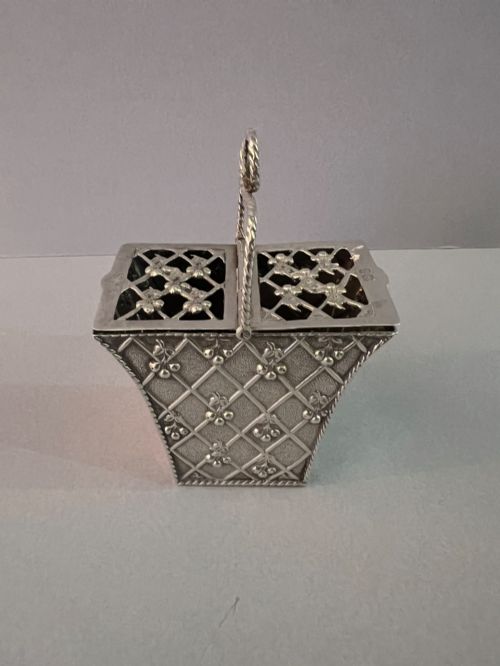


Decorative Silver Boxes
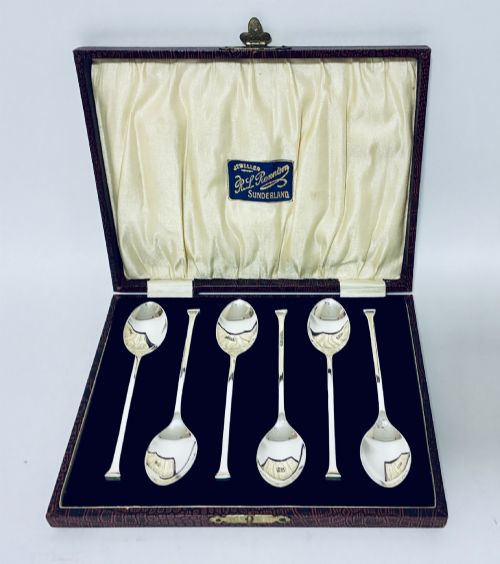
These decorative silver boxes arrive in forms from snuff cases to tea caddies, offering small-scale metalwork designed to hold treasures on a desk or table.
Decorative Silver Boxes
Decorative silver boxes encompass a wide range of small receptacles intended for storage, display, and personal use across several centuries. When exploring these items, a buyer is most likely to encounter Victorian and Edwardian examples alongside pieces originating from Continental Europe and India.
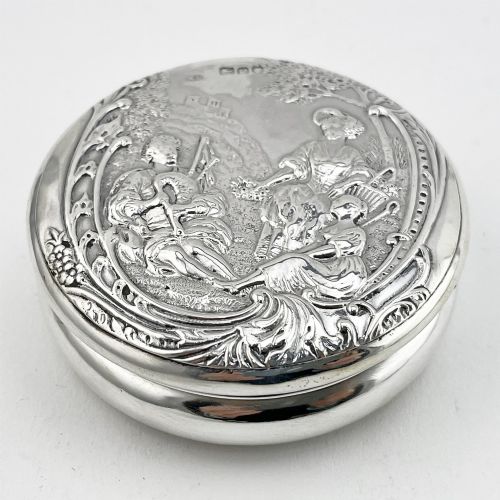
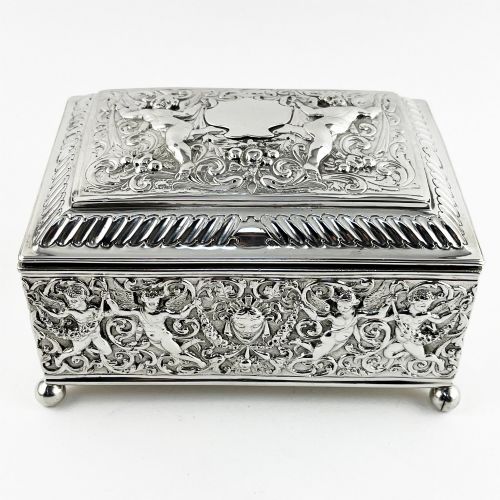
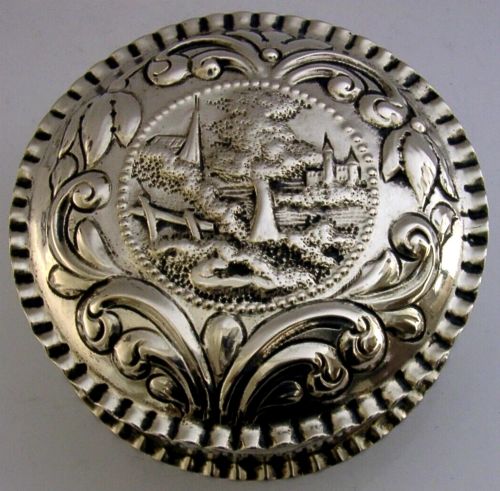
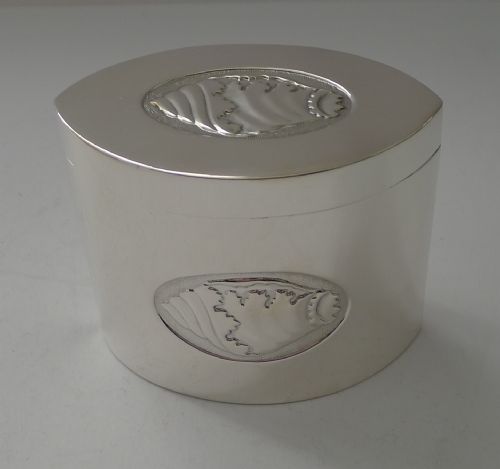
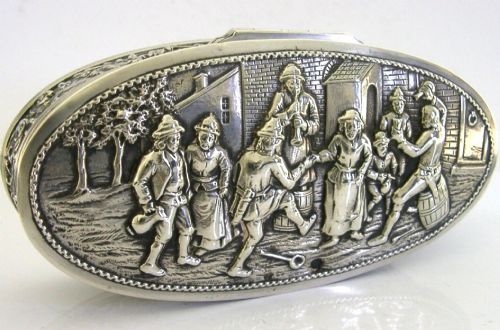
Forms stretch from simple geometric table boxes to elaborate caskets featuring repoussé scenes, inlaid satinwood, and cast motifs. Each piece reflects the functional requirements of its period, whether designed for tobacco, gaming counters, or dry tea leaves.
How they were made
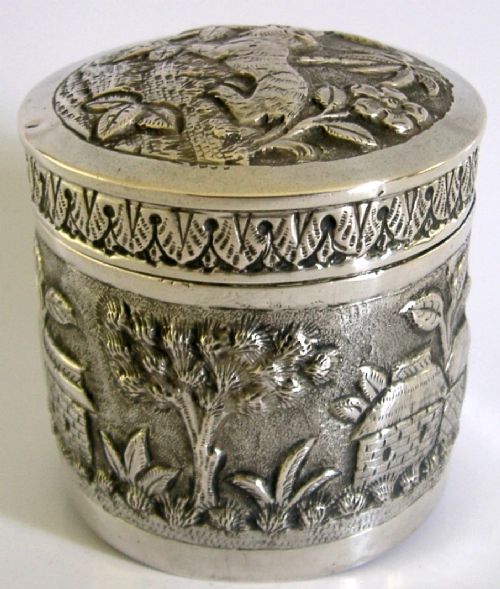
Silversmiths utilised solid sterling silver, silver plate, and higher purity Continental alloys, shaping sheet metal through hammering, raising, and piercing. Surfaces frequently received detailed decoration via chasing, engraving, and repoussé work, creating high-relief scenes and floral motifs.
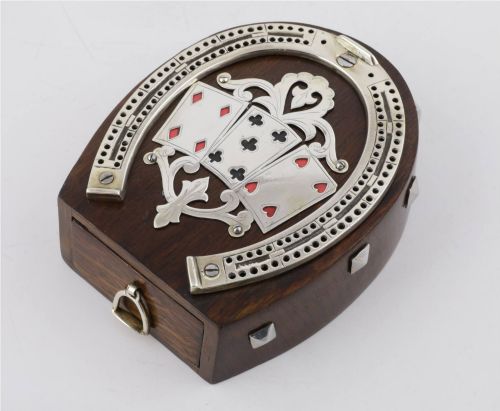
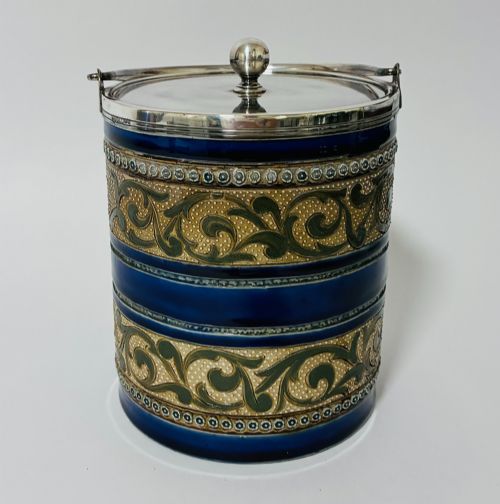
Many boxes combine silver with organic or mineral elements, such as tortoiseshell panels, enamel appliques, ceramic bodies, and wooden carcasses made from mahogany, satinwood, and burr maple. Hinges, clasps, and feet were cast separately and soldered or pinned to the main body.
Decorative Silver Boxes Retail Price Guide 2026
Typical asking prices for decorative silver boxes among the pieces listed under this phrase on Sellingantiques today, from the lower quarter to the upper quarter. They describe what is for sale here now, not the wider market.
Keep an eye out for hidden compartments that once stored playing cards, snuff, or secret messages.
What varies in quality
The integrity of the construction dictates longevity, particularly in the alignment of lids, the strength of hinges, and the preservation of internal linings. Finer examples maintain structural stability alongside undisturbed surface patination.
Khlebnikov·Gucci
The Decorative Silver Boxes Glossary
- Sterling silver
- An alloy consisting of 92.5 percent silver by mass, with the remainder usually copper. This standard appears widely across British pieces.
- Tea caddy
- A small box or jar used to store dry tea leaves before brewing. They often featured secure lids and interior compartments.
- Snuff box
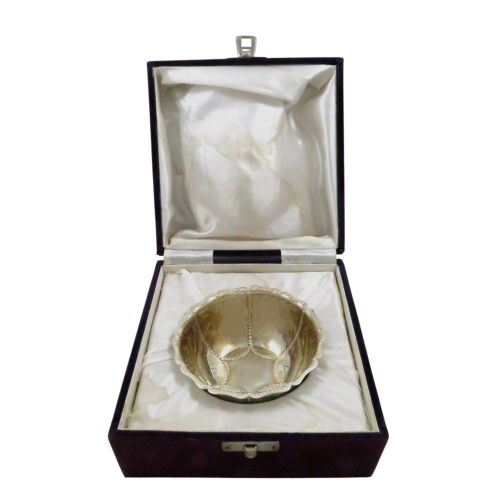
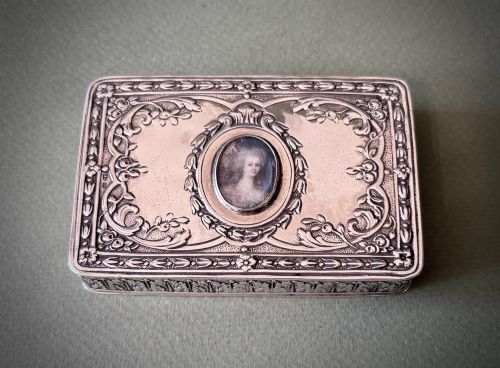
- A small, tightly sealed container designed to hold powdered tobacco for nasal consumption. These objects frequently display intricate hinged lids and gilt interiors.
- Repoussé
- A metalworking technique where a silversmith shapes metal from the reverse side by hammering. This creates a raised design on the front face.
- Silver gilt
- Silver objects that have been coated with a thin layer of gold on their interior or exterior surfaces. This finish provides a warm tone and protects against tarnish.
Decorative Silver Boxes: Frequently Asked Questions
What were decorative silver boxes used for?
These receptacles served specific domestic and personal functions depending on their shape and internal layout. Tea caddies preserved dry leaves, while snuff boxes held tobacco in pockets or on tabletops.
Larger caskets and trinket boxes accommodated jewellery, playing cards, desk accessories, and small keepsakes. Their decorative nature meant they remained visible in public rooms as indicators of status.
How do I identify the period of a silver box?
Dating relies on stylistic clues, manufacturing techniques, and any accompanying hallmarks stamped into the metal. Georgian and Regency examples often show clean neoclassical lines or tortoiseshell construction, whereas Victorian pieces frequently display heavier cast ornamentation and revival styles.
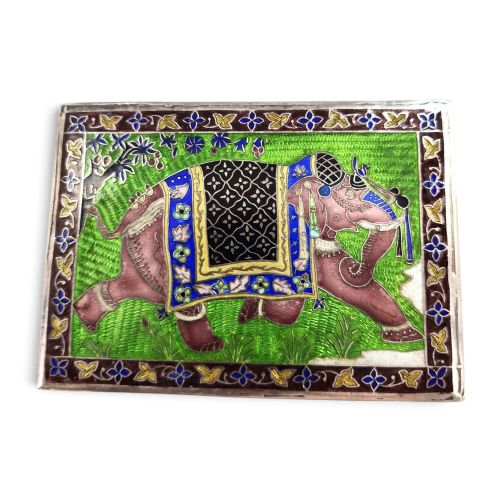
Continental and Indian pieces carry distinct regional motifs, such as shaded enamel work or local animal and figural scenes. Comparing construction methods helps narrow the decade of production.
Are these boxes made of solid silver?
The materials vary between solid sterling silver, European silver standards, and silver plate over base metals. Listings distinguish between solid silver weights and plated items.
Many examples incorporate non-metal components such as wood, enamel, ceramic, and tortoiseshell. Hallmarks and maker marks assist in confirming the exact metallic composition of individual pieces.
How should I care for silver boxes at home?
Maintenance involves gentle dusting and minimal polishing to preserve the original patination and delicate surface details. Enamel, tortoiseshell, and wooden elements require protection from direct sunlight and moisture.
Avoiding abrasive cleaners ensures that chased designs, gilding, and fine engravings remain intact for future years of display.