



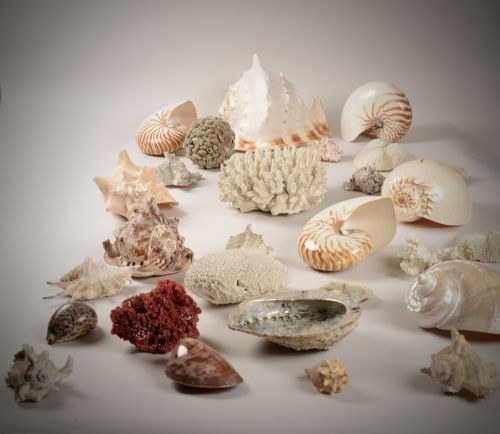
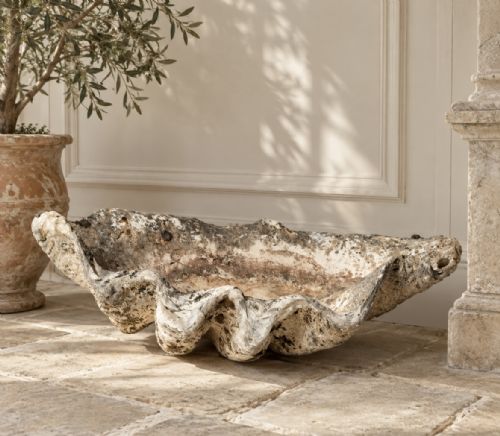


Decorative Shell Dish
A decorative shell dish brings the organic geometry of the sea indoors, shaped from porcelain, glass, or natural material to catch the light.
Decorative Shell Dish
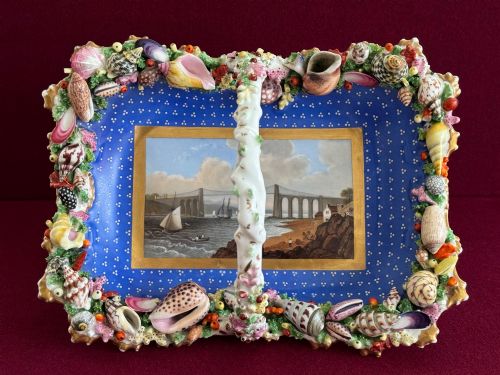
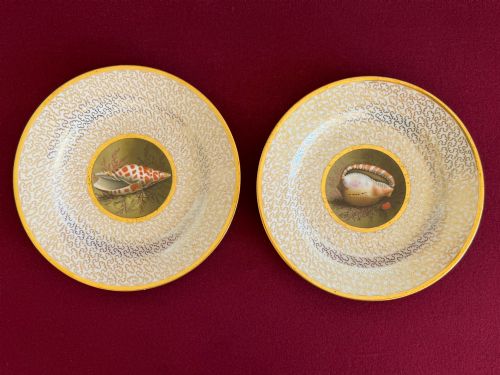
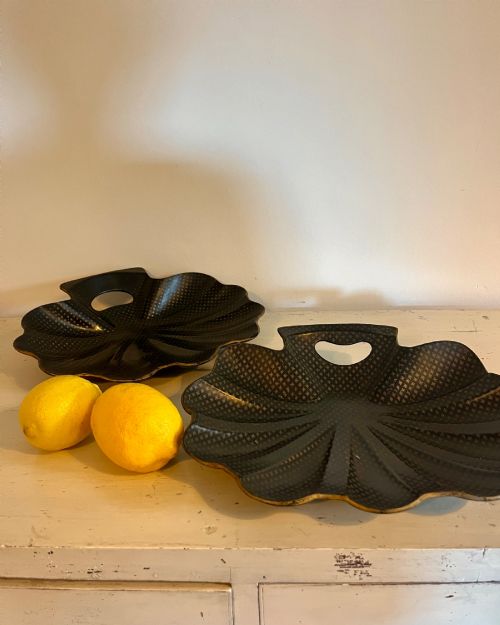
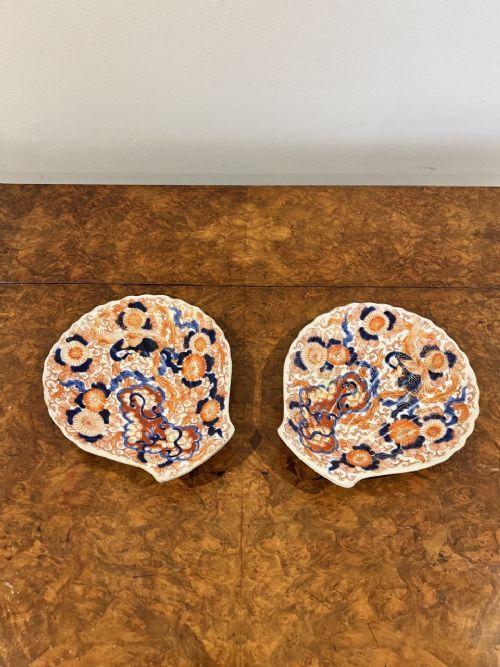
A decorative shell dish is an ornamental vessel shaped like a natural marine shell or fashioned directly from one, designed for display on a cabinet or table. When you search for a decorative shell dish, you encounter forms ranging from Victorian opaline glass scallop dishes to Japanese Imari ceramic plates and French lacquered trays. These pieces span the eighteenth, nineteenth, and early twentieth centuries, with Victorian and nineteenth-century examples appearing frequently on this page.
The objects take various physical forms, including cabinet plates, decorative baskets, tea caddies, and figural centrepieces incorporating mother-of-pearl or natural shell. Origins stretch from European porcelain factories and French glasshouses to Japanese kilns of the Edo period and 1900. Buyers select these items to introduce tactile texture and maritime motifs into traditional and eclectic interiors alike.
Factors determining quality
Quality rests upon the crispness of the modelling and the precision of the hand-painted or enamelled decoration. In ceramic and glass pieces, sharply defined ribs and clean edges distinguish superior work from softer, less detailed moulding.
The preservation of surface finishes, such as intact gilding, gold leaf, and lacquer, marks the difference between average examples and those of distinction. Material integration, whether the secure mounting of mother-of-pearl in bronze or the purity of opaline glass, dictates the standing of each piece.
Decorative Shell Dish Retail Price Guide 2026
Typical asking prices for decorative shell dish among the pieces listed under this phrase on Sellingantiques today, from the lower quarter to the upper quarter. They describe what is for sale here now, not the wider market.
Victorian collectors occasionally arranged entire rooms to mimic oceanic depths, ensuring even the tea caddy took the form of a tortoise shell.
Barr Flight and Barr·Chamberlain Worcester·Royal Dux·Rene Lalique
The Decorative Shell Dish Glossary
- Opaline glass
- A type of semi-translucent glass popular in nineteenth-century France, often tinted in delicate shades like green and finished with gilt edges.
- Imari
- A style of Japanese export porcelain decorated in underglaze blue, iron-red, and gold, frequently adopting shell and floral motifs.
- Comport
- An ornamental dish or bowl raised on a stem and foot, used for serving fruit or displaying items on a table.
- Tea caddy
- A box or container designed to store loose tea leaves, occasionally incorporating internal cannisters and sugar dishes.
- Coquilles
- French for shells, a term used in decorative arts to describe shell-moulded glassware and plates.
Decorative Shell Dish: Frequently Asked Questions
What were decorative shell dishes used for?
These pieces served both decorative and functional purposes in historical interiors, functioning as catch-alls for small trinkets, sweetmeat dishes, or centrepieces on dining and parlour tables.
Natural specimens and ceramic versions alike were also displayed in cabinets of curiosities alongside coral and sea shells to showcase an interest in natural history.
How do I care for antique glass and porcelain shell dishes?
Keep these items out of direct sunlight to prevent any painted enamel or lacquer from fading over time. Dust them gently with a dry, soft cloth and avoid abrasive cleaning agents that could damage delicate gilding or gold leaf.
For pieces combining bronze and mother-of-pearl, handle the mounts carefully to maintain the structural integrity of the assembly.
How can I tell the difference between nineteenth-century and earlier pieces?
Examination of the material base, glaze consistency, and marks helps distinguish periods. Eighteenth-century pieces, such as Edo period Japanese Arita dishes, exhibit specific potting techniques and pigment qualities characteristic of earlier kilns.
Nineteenth-century items often show the influence of Victorian natural history collections and industrial glass production methods like opaline moulding.
Are natural shell dishes fragile?
Giant clam shells and smaller natural specimens are composed of calcium carbonate and can be brittle if subjected to sharp impacts or sudden temperature changes. Proper placement on a stable surface prevents accidental rolling or tipping.
When mounted in bronze or framed with metal fittings, the structural support helps protect the delicate edges of the natural material.