


Decorative Porcelain Statuette
When you search for a decorative porcelain statuette, you are looking for small figural sculptures crafted by European kilns.
Decorative Porcelain Statuette
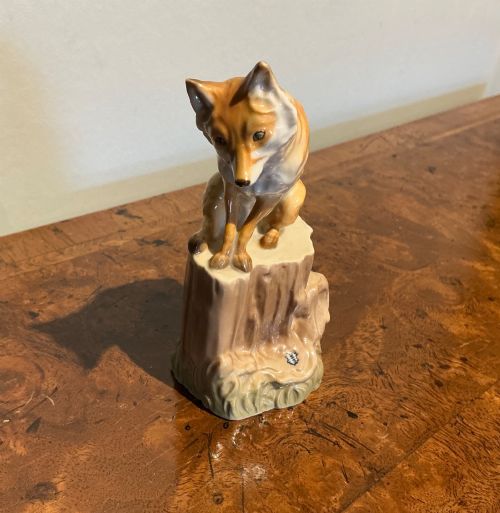
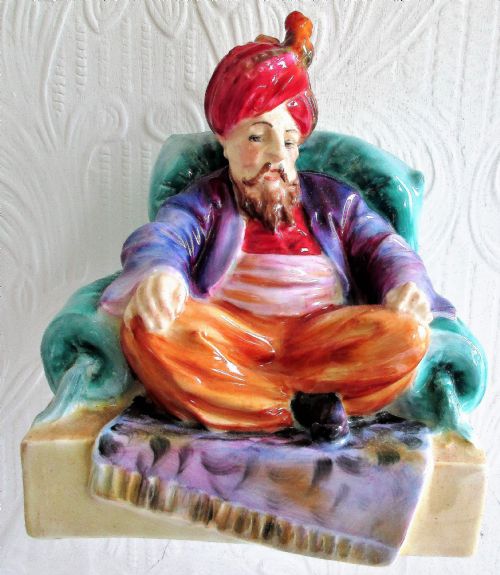
A decorative porcelain statuette encompasses figures, figurines, and sculptural groups originating from various European traditions. These pieces range from eighteenth-century English and continental works to nineteenth-century Victorian designs and twentieth-century productions. Collectors encounter subjects such as cherubs, putti, animals, and human figures in pastoral or exotic settings.
The selections available here frequently showcase nineteenth-century manufacturing alongside earlier eighteenth-century examples and later twentieth-century items. Common formats include single figures, paired groupings, and sculptural table ornaments. These objects reflect the changing stylistic preferences of collectors over several hundred years, moving from ornate rococo revival compositions toward art deco lines.
What Varies in Quality
The standard of a decorative porcelain statuette depends heavily on the crispness of the moulding and the delicacy of the hand-painted details. Finer examples retain sharp facial expressions, delicate fingers, and intricate floral appliqués without blurring or loss of definition. Superior painting demonstrates subtle shading in the enamels and precise application of gold leaf.
The reputation of the manufactory and the skill of the individual modeller also influence the standing of a piece. Earlier works or those produced by notable European centres typically exhibit greater anatomical accuracy and sculptural depth. Condition plays a role, as intact extremities and original polychromy preserve the integrity of the composition.
Listings for decorative porcelain statuette pieces feature items from the eighteenth century through to the twentieth century, incorporating materials like bisque porcelain and gold leaf.
Nymphenburg·Royal Doulton·Volkstedt·Edme Samson·Royal Worcester·Meissen·Chantilly·Derby·Sitzendorf·Royal Dux·Carl Thieme Dresden·Copeland·Chelsea
The Decorative Porcelain Statuette Glossary
- Bisque porcelain
- Un-glazed white porcelain with a matte, porous surface texture resembling marble. This material became popular during the nineteenth century for classical and sentimental figural groups.
- Putto
- A plump, naked male child figure, often winged, derived from classical art and frequently depicted in eighteenth-century and nineteenth-century porcelain groups. These figures often appear alongside animals or allegorical attributes.
- Gilt
- A thin layer of gold applied to the surface of porcelain for decoration. It is often used to accent garment edges, bases, and accessories.
- Enamel
- Opaque vitreous paint applied to the surface of fired porcelain and fixed in a second kiln firing. These colours provide the vibrant hues seen on garments and naturalistic bases.
- Figurine
- A small, three-dimensional sculptural representation of a human, deity, or animal. In ceramics, these objects are cast or modelled from clay and fired.
Decorative Porcelain Statuette: Frequently Asked Questions
What are porcelain statuettes?
Porcelain statuettes are small, three-dimensional ceramic sculptures depicting human figures, animals, or mythological subjects. They were produced by European kilns as decorative ornaments for domestic interiors.
These pieces range from small single figures to large pairs and complex sculptural groups. They reflect the artistic styles of their respective periods, including rococo revival and Victorian designs.
How were these figures used?
These figures served primarily as decorative objects displayed on mantelpieces, tables, and cabinets in wealthy homes. They functioned as conversation pieces and symbols of refined taste.
Some examples were designed as table centerpieces or specific allegorical representations. Their intricate details were meant to be appreciated at close range.
How do I tell different periods apart?
Identifying periods relies on examining the stylistic cues, clothing of the figures, and manufacturing techniques. Eighteenth-century pieces often feature distinct pastel palettes and soft-paste bodies, while nineteenth-century works frequently employ hard-paste porcelain and bolder colours.
Factory marks and signatures stamped or painted on the base provide direct evidence of the date and place of manufacture. Comparing the modelling style to known historical examples helps narrow down the timeframe.
What is the difference between bisque and glazed porcelain?
Glazed porcelain has a shiny, vitrified surface coating that seals the clay body and produces a reflective sheen. This finish protects the colours and allows for easy cleaning.
Bisque porcelain is fired without a final glaze, leaving a matte, porous surface that resembles carved marble. This finish was favoured for capturing fine sculptural details without the distraction of surface glare.
How should I clean porcelain figures?
Cleaning porcelain figures requires gentle dusting with a soft, dry brush to remove surface particles. Avoid harsh chemical cleaners or abrasive materials that could damage hand-painted enamels or delicate gilt highlights.
If washing is necessary, use lukewarm water and mild soap with extreme caution, ensuring the piece is dried completely afterward. Avoid submerging figures that have glued repairs or delicate applied elements like porcelain flowers.