



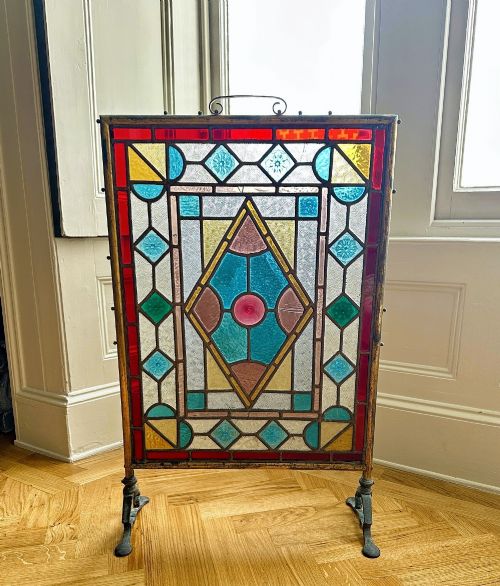

Decorative Panel Art
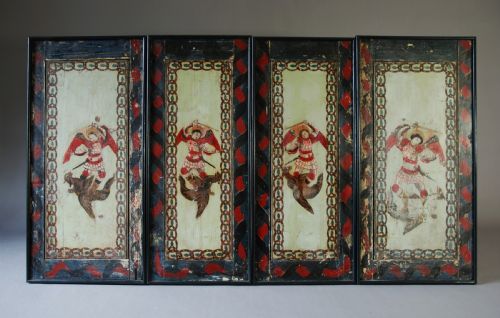
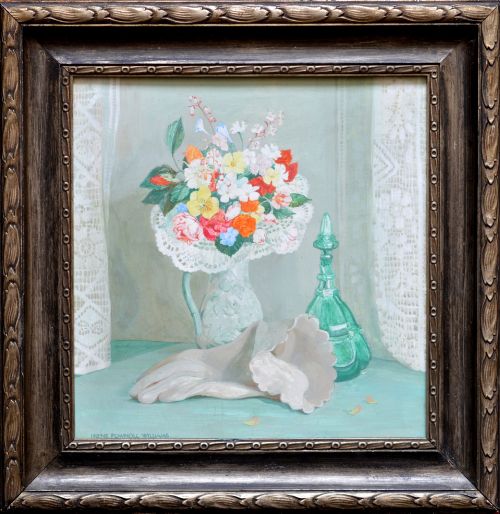
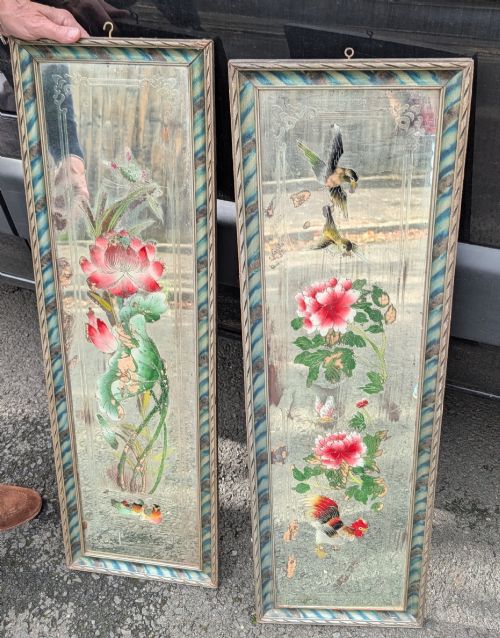
Decorative panel art brings architectural salvage, carved wood, textiles and painted glass onto walls to fill a room with texture and history.
Decorative Panel Art
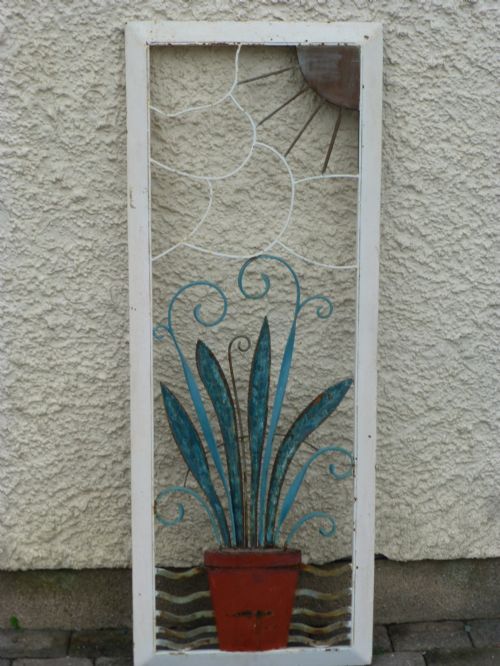
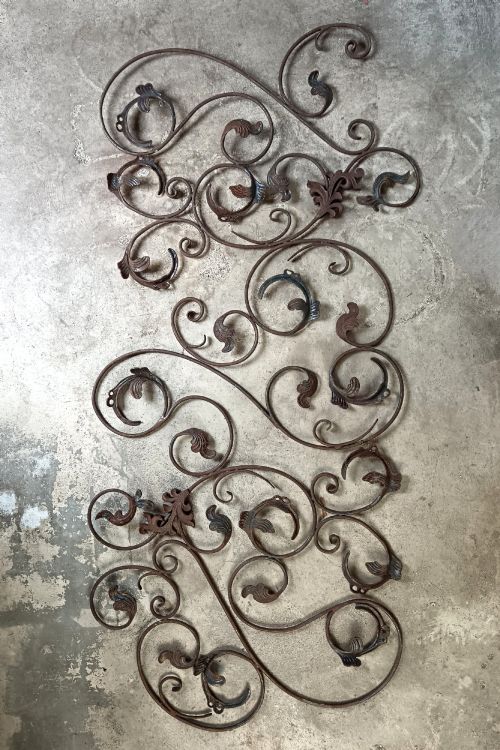
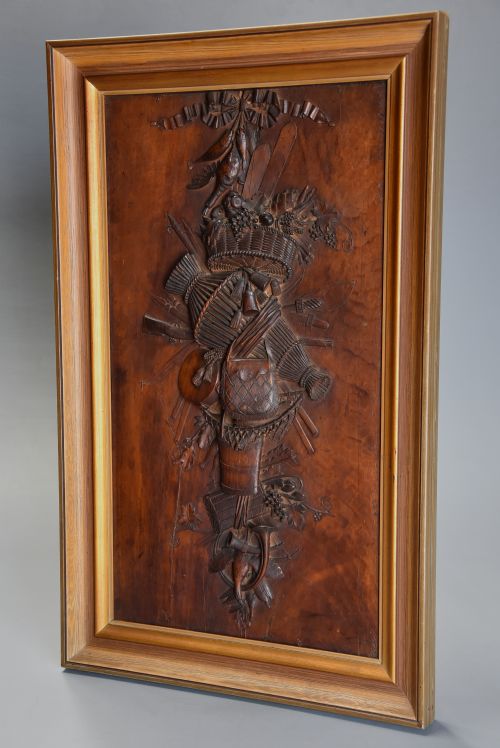
Decorative panel art encompasses a diverse group of objects designed for wall display or spatial division, drawing from architectural salvage, textiles, paintings and stained glass. When exploring decorative panel art, buyers encounter items ranging from carved wooden panels and iron grilles to embroidered wall hangings and leaded glass windows.
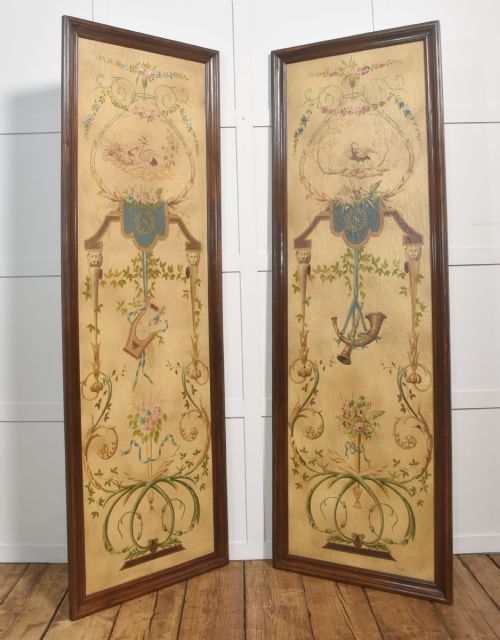
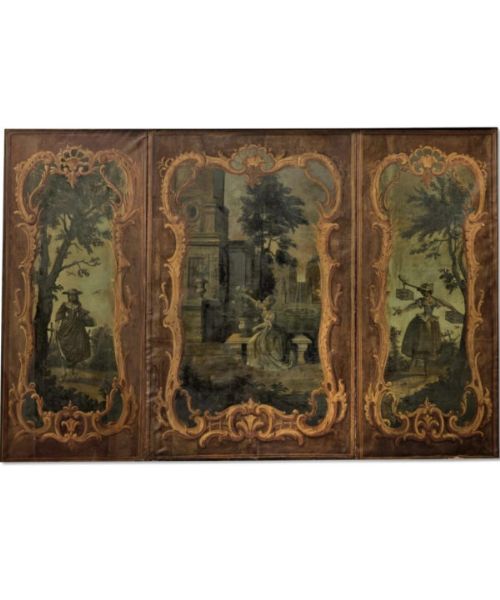
The selection spans multiple centuries and styles, featuring pieces from the eighteenth, nineteenth and early twentieth centuries. Common forms include framed mirrors, painted canvas panels, theatre scenery boards, fairground ride panels and cupboard doors repurposed for interior display.
Stylistic influences vary widely across the inventory, touching upon Arts and Crafts, Art Nouveau, Art Deco, Renaissance Revival and folk traditions. Pieces may originate from European workshops, English country houses, Asian lacquer traditions or ecclesiastical settings.
How They Were Made
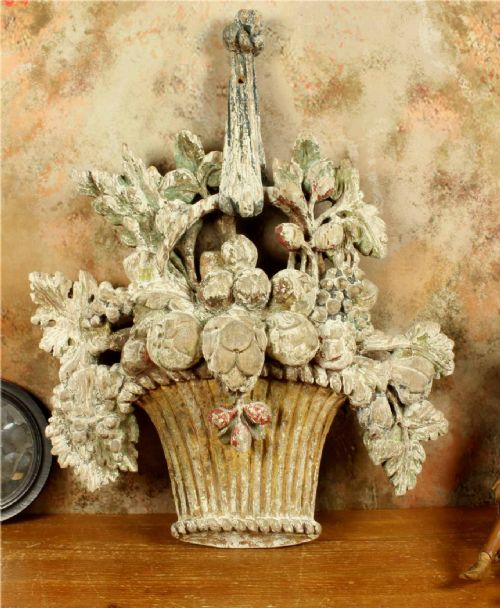
Makers utilised traditional hand-working techniques across timber, metal, glass and textiles. Carved panels display relief work in oak, fruitwood and pine, whilst metal pieces combine wrought iron, cast iron, brass, white metal and beaten copper.
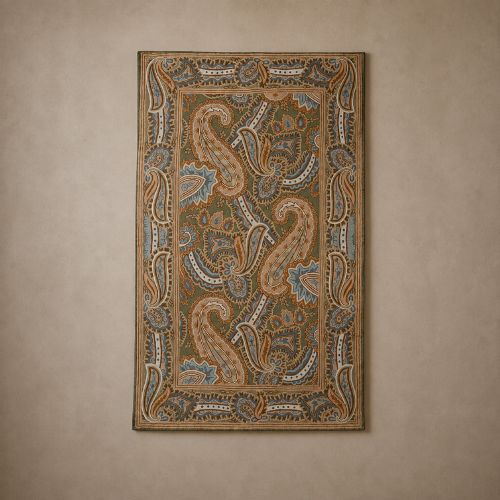
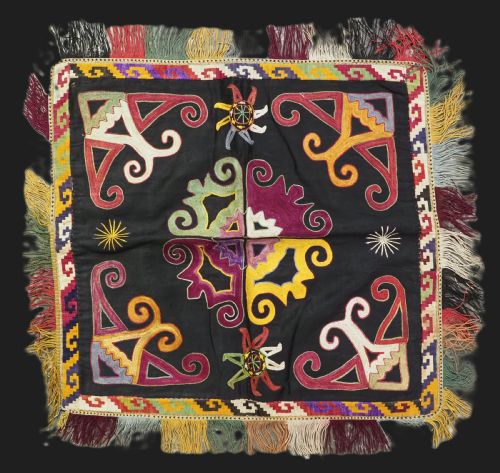
Glass panels incorporate leaded came work paired with hand-painted scenes, and textile panels feature crewelwork embroidery, needlework, silk and wool fabrics. Surface decoration relies on tempera, oil paint, polychrome pigments, gilding, lacquer and mother-of-pearl inlay.
Decorative Panel Art Retail Price Guide 2026
Typical asking prices for decorative panel art among the pieces listed under this phrase on Sellingantiques today, from the lower quarter to the upper quarter. They describe what is for sale here now, not the wider market.
Materials span wrought iron, stained glass, embroidered textiles, beaten copper, fruitwood carvings and painted canvas.
What Varies in Quality
Quality rests on the integrity of the material, the crispness of the hand-carving or metalwork, and the preservation of original surface finishes. Superior pieces retain their untouched patinas, original paintwork or authentic mounting frames rather than modern restorations.
The sophistication of the design dictates distinction, separating standard utility items from exhibition-quality artistic works. Hand-painted details, complex leaded glass compositions and intricate textile embroidery elevate certain panels above straightforward architectural salvage.
Raymond Subes·William Morris·Longwy·Limoges·Irene Christobelle Pownoll Williams
The Decorative Panel Art Glossary
- Architectural salvage
- Elements rescued from buildings scheduled for demolition or alteration. These items include iron grilles, balustrades and carved doors repurposed as wall art.
- Stained glass
- Glass coloured by metallic oxides during manufacture, often assembled with lead cames to form windows or firescreens. Hand-painted details are frequently fired onto the glass surface.
- Crewelwork
- Embroidery executed with wool yarn on a plain-weave ground fabric. This technique creates textured wall hangings and decorative textile panels.
- Grisaille
- A painting executed entirely in monochrome shades of grey, usually to imitate sculpture. It appears on canvas panels and decorative triptychs.
- Repurposed
- An object adapted from its original functional context for a new decorative purpose. Examples include cupboard doors, carousel panels and cart fragments mounted on walls.
Decorative Panel Art: Frequently Asked Questions
How do I hang heavy panel art?
Heavy wooden or iron panels require secure wall anchoring, typically into structural studs or masonry using appropriate weight-rated fixings. Professional installation is recommended for large architectural fragments and framed glass.
Ensure the hanging wire or integrated brackets match the substantial weight of materials like cast iron, solid oak or leaded glass windows.
Are these panels suitable for exterior display?
Most antique panels are intended for interior environments where humidity and temperature remain stable. Weathered ironwork and certain architectural salvage pieces can withstand sheltered outdoor conditions.
Delicate painted surfaces, textiles, and antique glass require indoor protection from moisture and direct sunlight to preserve their condition.
What defines an Arts and Crafts panel?
Arts and Crafts pieces emphasise hand-craftsmanship, natural materials and simple utility over mass-produced ornamentation. They frequently feature exposed joinery, beaten copper, oak frames and motifs inspired by nature.
These works often align with designers like William Morris, celebrating honest construction and traditional workshop techniques.