



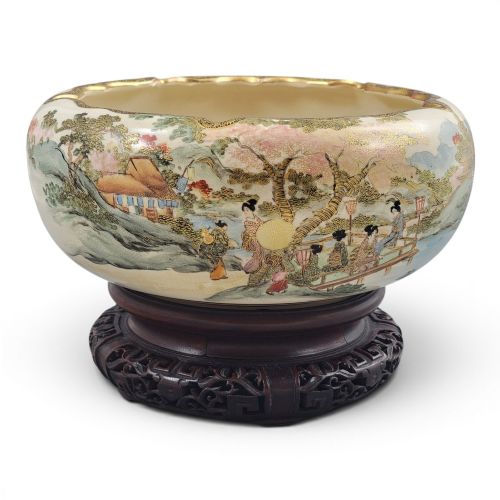
Decorative Oriental Porcelain Bowls
These decorative oriental porcelain bowls bring centuries of hand-painted artistry, vibrant enamel, and rich glaze into domestic spaces.

Decorative Oriental Porcelain Bowls
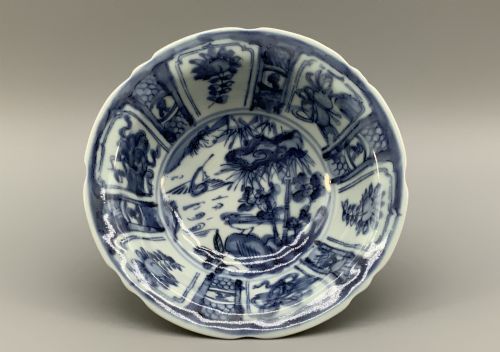
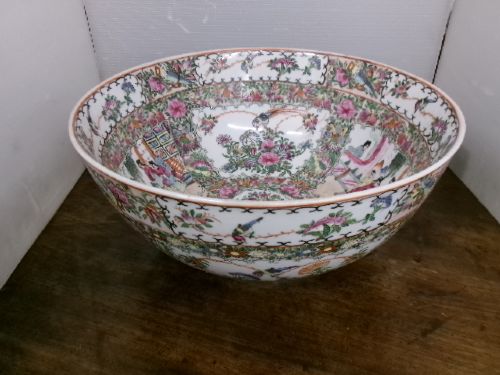
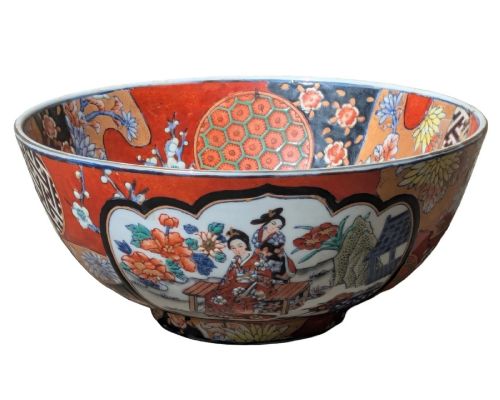
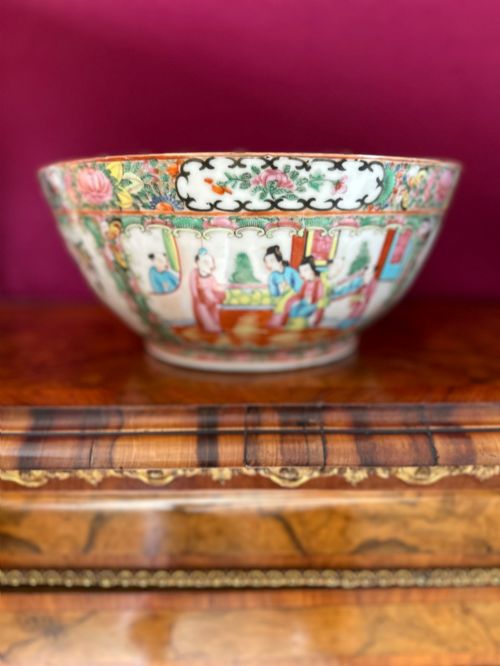
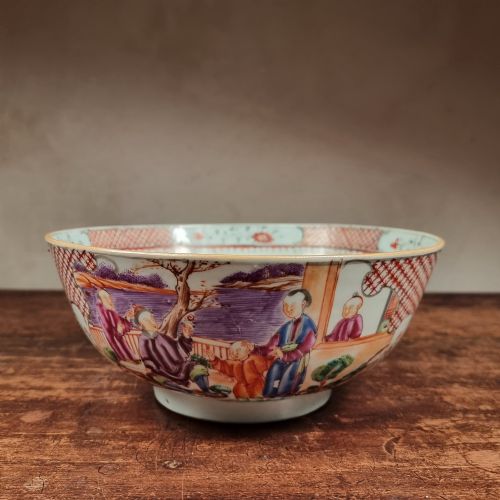
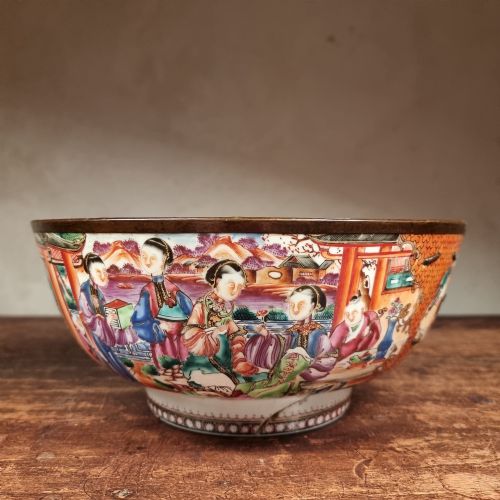
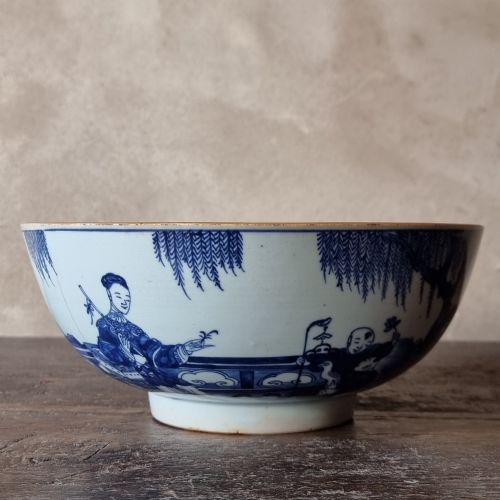
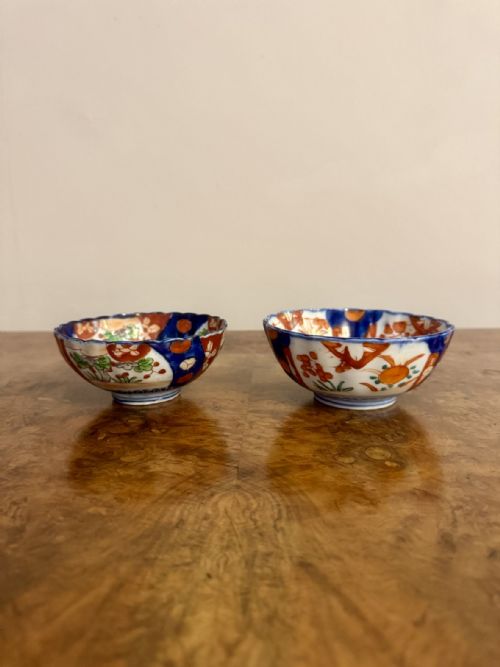
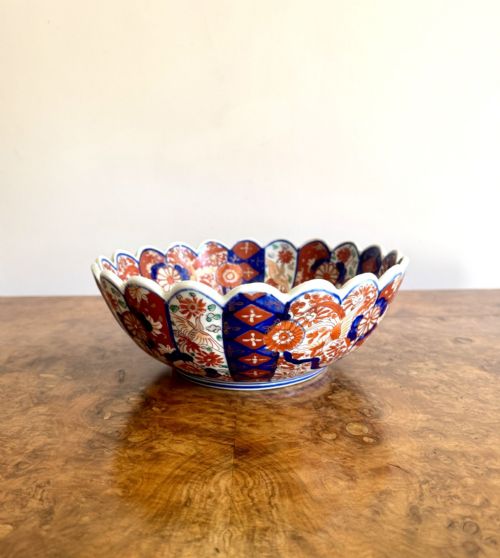
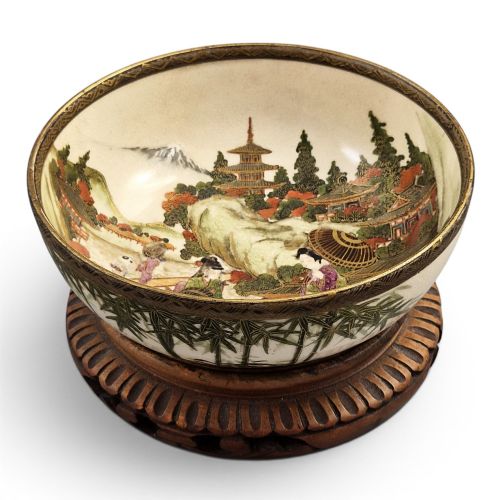
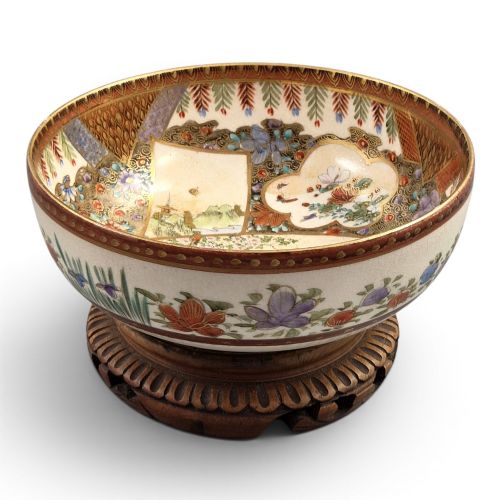
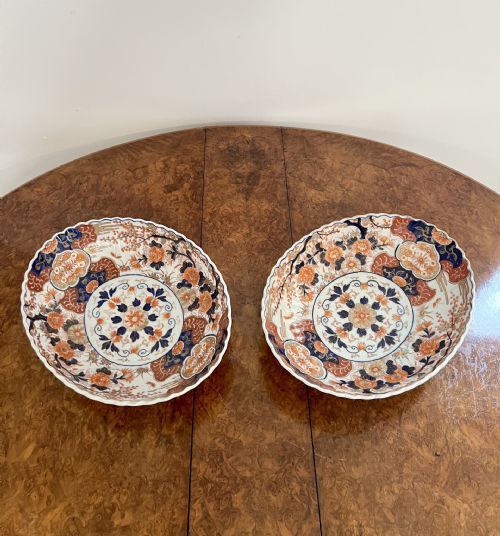
Chinese pieces frequently display Canton hand-painted motifs or blue and white porcelain schemes. Japanese examples showcase traditional Imari patterns and Satsuma earthenware styles, spanning from early eighteenth-century Arita wares to later nineteenth-century centrepieces.
Buyers encountering this selection most commonly meet Japanese Imari bowls from the nineteen hundreds alongside nineteenth-century Chinese Canton productions. These forms range from small domestic vessels to large decorative bowls intended for prominent display.
Materials and technique
The primary material is fine porcelain, occasionally accompanied by earthenware bodies on specific Satsuma pieces. Artisans shaped these vessels by hand or wheel before applying mineral pigments and cobalt blue underglazes.
Decoration relies heavily on hand-painted enamel work, often heightened with gold leaf, gilt, and intricate gilding. Firing took place in kilns at high temperatures, fusing the coloured glazes to the porcelain surface for lasting vibrancy.
The listings span periods from seventeen hundred through the nineteen forties, encompassing eighteenth-century Chinese punch bowls and Edwardian Japanese Imari.
Craftsmanship and execution
Quality rests in the precision and density of the hand-painted brushwork across the surface. Master works display finer detail in figural scenes and floral motifs, whereas simpler items rely on repetitive stamping or coarser execution.
The depth and brilliance of the enamel palette, alongside the careful application of gold leaf and gilt accents, distinguish superior specimens. Well-preserved glazes without extensive rubbing or modern repair retain greater integrity.
Kozan·Shizan·Ryuzan·Kinkozan·Hododa
The Decorative Oriental Porcelain Bowls Glossary
- Imari
- A traditional style of Japanese porcelain featuring a distinctive palette of underglaze blue, iron red, and gilt. These wares were heavily exported to Europe from the port of Imari.
- Satsuma
- A type of Japanese earthenware characterised by a pale, ivory-crackled glaze decorated with polychrome enamels and gilding. The best examples frequently bear artist signatures on the base.
- Famille Rose
- A major palette of Chinese ceramic glazes introduced during the Qing dynasty, dominated by opaque pink or rose enamel. The style depicts floral, landscape, and figural scenes.
- Canton
- Porcelain manufactured in China specifically for export, typically painted in bustling port workshops with vibrant Mandarin figural panels and floral borders. The production spanned the nineteenth and early twentieth centuries.
- Jardinière
- A large decorative ceramic pot or bowl designed to hold potted plants or flowers. These sturdy vessels often feature substantial basin depths and ornate exterior decoration.
- Punch Bowl
- A wide, capacious bowl historically utilised for mixing and serving communal punch drinks at social gatherings. They often feature deep interior wells and elaborate exterior ornamentation.
Decorative Oriental Porcelain Bowls: Frequently Asked Questions
How do I care for antique oriental porcelain bowls?
Wash these pieces gently by hand using lukewarm water and mild soap when cleaning becomes necessary. Avoid harsh scrubbing or abrasive sponges that might damage delicate enamel and gilt decoration.
Keep decorative bowls away from direct sunlight and areas subject to sudden temperature shifts. Place them securely on stable surfaces or use dedicated stands to prevent accidental slips.
What is the difference between Chinese and Japanese decorative bowls?
Chinese porcelain pieces frequently utilise cobalt blue underglazes or Famille Rose enamels depicting scholarly scenes and floral sprays. Many of these date back to the Kangxi or Qing periods.
Japanese examples often showcase the distinct iron-red and cobalt palette of Imari or the crackled glaze of Satsuma earthenware. These pieces heavily reflect Meiji period craftsmanship and design aesthetics.
How were these bowls originally used?
Larger vessels such as punch bowls served practical functions at dining tables and social gatherings for mixing communal drinks. Jardinieres acted as ornamental planters for interior greenery and floral displays.
Many other bowls functioned purely as decorative centrepieces or display dishes within domestic interiors. Their intricate patterns were intended to catch the light and showcase imported artistry.
How can I tell the period of a bowl?
Examine the base and glaze characteristics for clues regarding manufacturing techniques and regional origins. Cobalt tones, potting thickness, and enamel textures often correlate with specific historic eras.
Signed pieces created by renowned Meiji period masters provide clear attribution to specific workshops and dates. Comparing stylistic motifs against documented examples helps confirm the approximate age.