




Decorative Occasional Chairs
Decorative occasional chairs bring personality to a room, offering useful extra seating through pieces shaped by Victorian, Edwardian, and nineteenth-century hands.
Decorative Occasional Chairs
Decorative occasional chairs encompass armchairs, side chairs, and bedroom chairs designed to provide portable, stylish seating throughout the home. When you search for decorative occasional chairs, you encounter diverse seating forms intended for light use in salons, morning rooms, and bedrooms rather than heavy daily service.
The selections span periods from the mid-nineteenth century through the Edwardian era and into the early twentieth century. These pieces emerge in styles including Victorian, Edwardian, French Riviera, Hollywood Regency, Louis XVI, Sheraton Revival, and French Neoclassical.
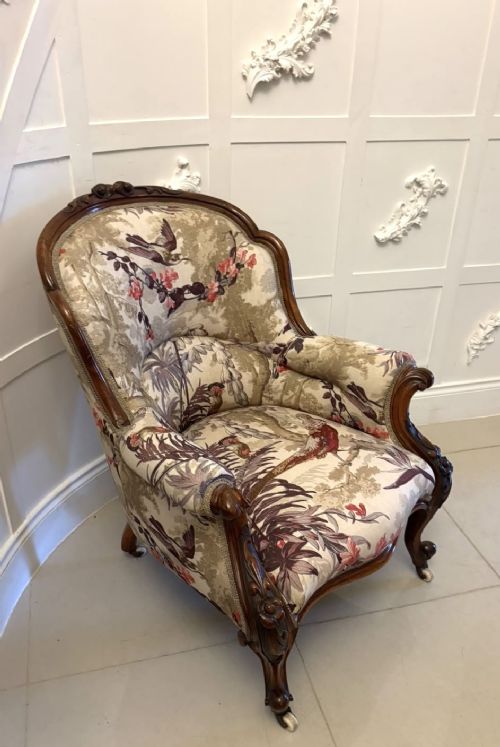
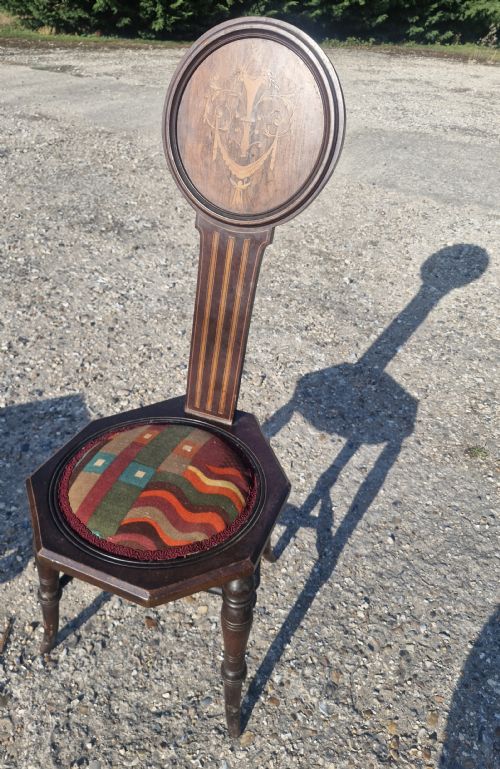
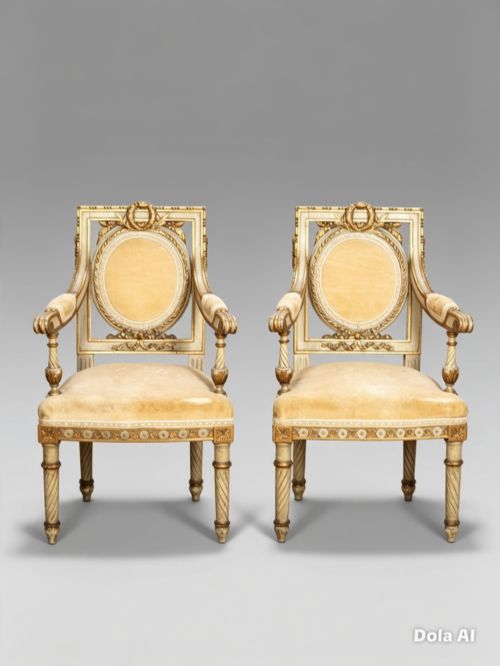
Most examples you meet on this page lean towards drawing room and salon use, featuring inlaid mahogany, carved walnut, and painted or gilded frames. Smaller forms such as bedroom chairs and spinning chairs appear alongside wider armchairs and pairs of salon seats.
How they were made
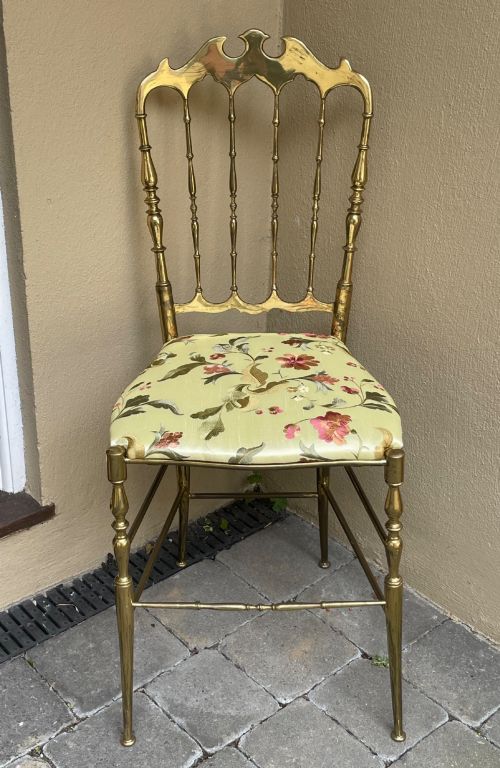
Carpenters and cabinetmakers shaped these frames using hardwoods like mahogany and walnut, frequently employing intricate inlay work and hand-carving. Certain pieces utilise alternative structural materials such as wrought iron, polished brass, and papier-mâché to achieve distinctive decorative silhouettes.
Surface ornamentation ranges from hand-painted details and gilding to cane panels and silk cotton upholstery. Joinery techniques combined traditional wood construction with specialised metalwork for brass salon chairs and wrought iron frames.
Decorative Occasional Chairs Retail Price Guide 2026
Typical asking prices for decorative occasional chairs among the pieces listed under this phrase on Sellingantiques today, from the lower quarter to the upper quarter. They describe what is for sale here now, not the wider market.
Listings span the nineteenth and early twentieth centuries, featuring periods from 1860 through the Edwardian era to 1920.
What varies in quality
The distinction between standard and superior pieces rests on the crispness of hand-carving and the precision of inlaid details in the wood. Finer examples display meticulous attention to decorative painted surfaces, gilding, and the original integrity of materials like cane and polished brass.
Proportion and structural ambition also separate ordinary chairs from exceptional ones, particularly in matched pairs or elaborate salon armchairs featuring intricate woodwork.
The Decorative Occasional Chairs Glossary
- Occasional chair
- A movable, decorative chair designed to be shifted between rooms for extra seating. These pieces prioritize visual charm and lighter construction over heavy armchair comfort.
- Sheraton Revival
- A late nineteenth and early twentieth-century design movement inspired by eighteenth-century neoclassical furniture. Pieces in this style typically feature satinwood inlay, mahogany, and slender tapered legs.
- Papier-mâché
- A composite material made from paper pulp or layers of paper bound with glue, then moulded and lacquered. It provided a sturdy yet lightweight base for Victorian decorative objects and chair frames.
- Spinning chair
- A low-seated chair traditionally used for hand spinning wool or flax. Later examples became decorative household items featuring carved wooden seats and backs.
Decorative Occasional Chairs: Frequently Asked Questions
What is an occasional chair used for?
These chairs provide flexible seating that can move easily between rooms as needed. They serve as decorative accents in corners, bedrooms, and drawing rooms rather than primary seating.
Because they are lightweight, you can reposition them effortlessly when entertaining guests or changing a room's layout.
How do I identify an Edwardian chair?
Edwardian chairs often feature lighter woods like mahogany, sometimes enhanced with delicate stringing or floral inlay. The styles frequently look back to eighteenth-century Sheraton and Hepplewhite designs with a refined, slender build.
They date from the reign of King Edward VII and the very early twentieth century, carrying a brighter aesthetic than heavier Victorian furniture.
Where were salon chairs placed?
Salon chairs sat in formal reception rooms and drawing rooms where guests gathered for conversation and entertainment. Their decorative frames were meant to be viewed from all sides.
Property owners arranged them in conversational groups rather than pushing them permanently against the walls.
What defines Sheraton Revival style?
Sheraton Revival furniture draws direct inspiration from the neoclassical designs of the late eighteenth century. Makers utilised mahogany, subtle inlay work, and slender tapered legs to create an elegant silhouette.
This revival movement gained popularity around the end of the nineteenth century and into the Edwardian period.