




Decorative Metal Platters
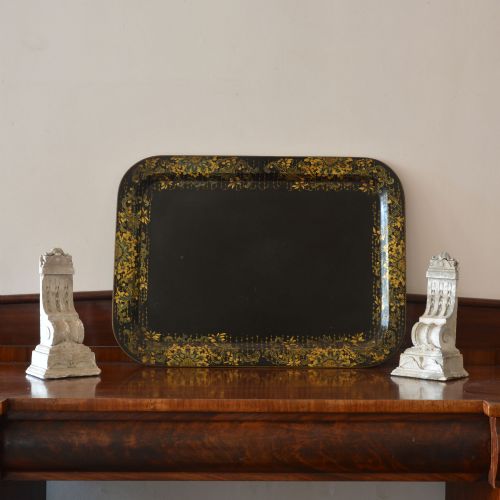
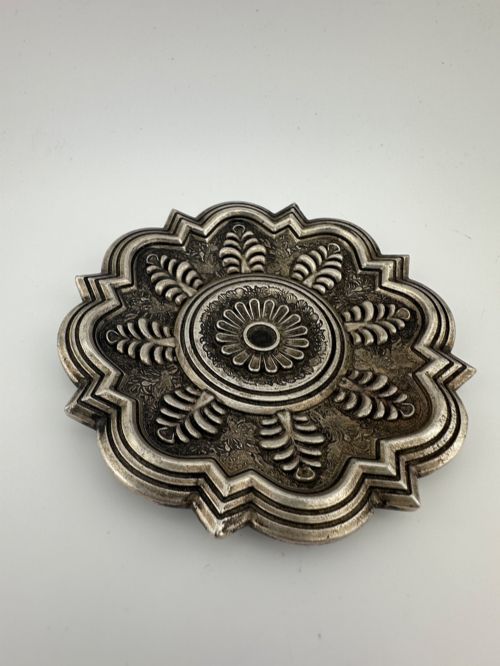
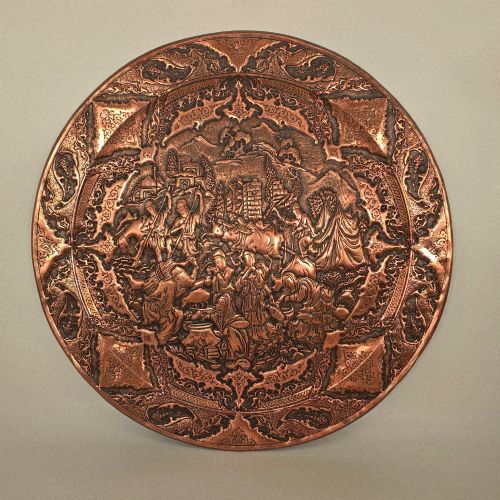
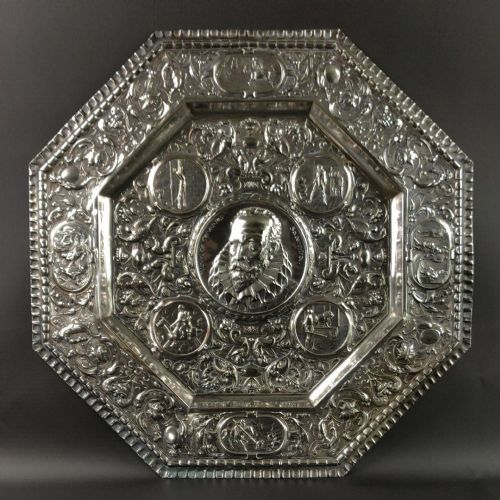
These decorative metal platters bring tactile weight and historic narrative to a room, ranging from Japanese cloisonné enamel to beaten British copper.
Decorative Metal Platters
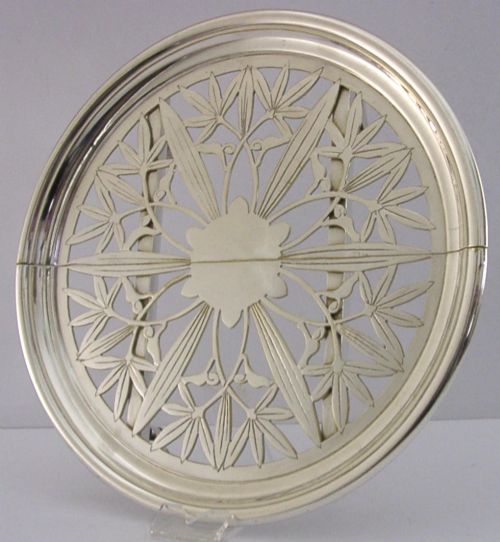
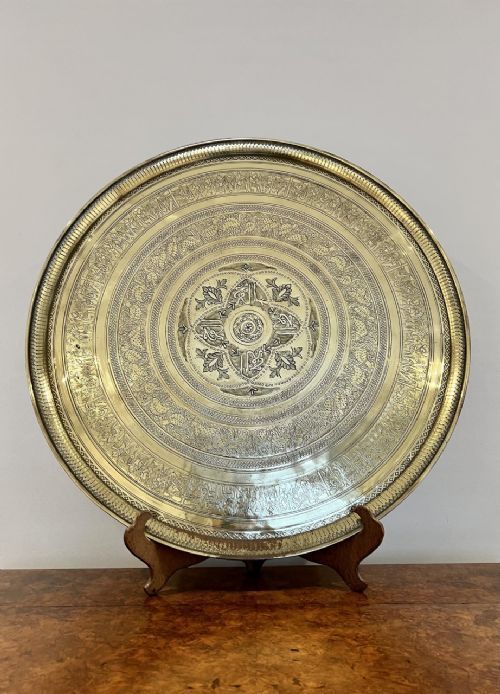
Decorative metal platters encompass wall chargers, display plates, and large serving trays created to be seen rather than used at the dining table. These pieces emerge predominantly from the nineteenth and early twentieth centuries, spanning stylistic revivals and international workshops.
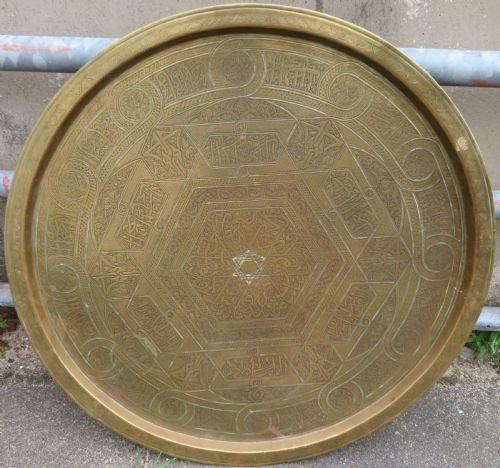
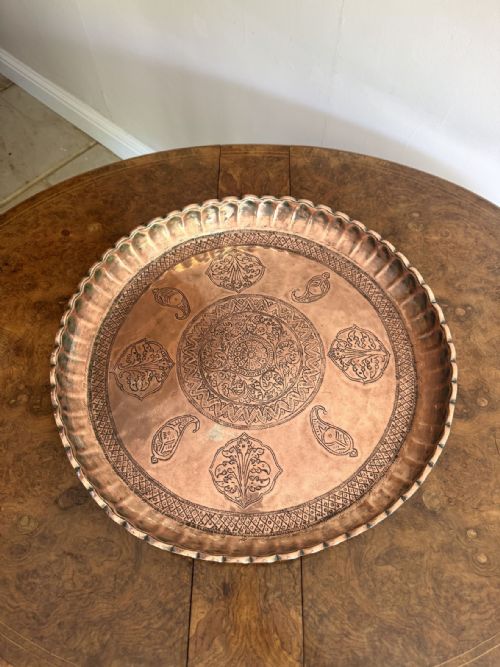
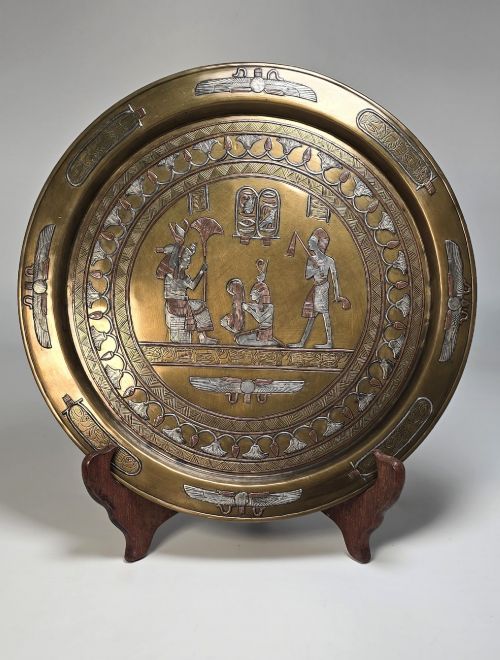
You will frequently encounter Japanese cloisonné chargers decorated with birds, florals, and dragons from the Meiji period, alongside British Arts and Crafts copper trays bearing beaten foliage. Cairo ware brass and silver-inlaid bronze chargers also form a distinct group within this category.
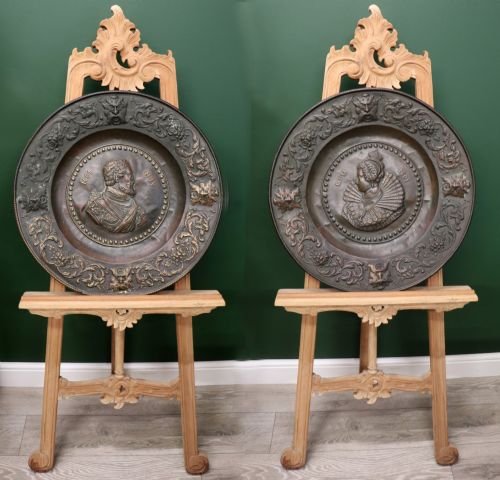
Forms vary from circular plates and octagonal trays to large wall-hung chargers, utilising metals that include brass, copper, bronze, and pewter. These objects served as ornamental focal points in Victorian and Edwardian interiors, often displaying significant craftsmanship.
What varies in quality
The degree of detail in the handwork separates standard production from exceptional examples, particularly in the precision of engraved lines and the complexity of repoussé relief. In cloisonné enamel, the fineness of the wirework and the absence of pitting or distortion in the fired glass indicate superior execution.
The integrity of the mixed metal composition and the crispness of applied inlay dictate the distinction between ordinary decorative wares and masterworks. Furthermore, artist signatures or workshop attributions elevate certain pieces by confirming a higher standard of design and provenance.
Decorative Metal Platters Retail Price Guide 2026
Typical asking prices for decorative metal platters among the pieces listed under this phrase on Sellingantiques today, from the lower quarter to the upper quarter. They describe what is for sale here now, not the wider market.
Listings feature nineteen-century copper, brass, and bronze platters, incorporating Japanese cloisonné enamel, Arts and Crafts beaten work, and Middle Eastern Cairo ware.
Christofle·Liberty and Co·Kinkozan·Faulkner Bronze Company
The Decorative Metal Platters Glossary
- Charger
- A large ornamental plate or platter intended for display on a wall or sideboard rather than for service. These substantial pieces typically exceed standard plate diameters.
- Repoussé
- A metalworking technique where the artisan hammers a sheet from the reverse side to form a raised design in relief. Detail is subsequently refined from the front using chasing tools.
- Cloisonné
- An enamelling method utilising thin metal wires soldered to a metal body to form distinct cells that hold coloured glass paste. The piece is then fired and polished to a smooth finish.
- Cairo Ware
- Late nineteenth-century metalwork originating from Egypt, characterised by brass or bronze bodies heavily inlaid with contrasting silver and copper geometric or calligraphic patterns.
- Toleware
- Painted or enamelled metal objects, often tin or steel, developed to imitate Asian lacquerware. Victorian examples frequently feature intricate figural or botanical hand-painting.
Decorative Metal Platters: Frequently Asked Questions
How were decorative metal platters used historically?
These items functioned primarily as display pieces mounted on walls or presented on sideboards to demonstrate the owner's refined taste. Unlike functional tableware, their intricate surfaces and delicate inlays precluded everyday utility.
In Victorian and Edwardian interiors, large chargers served as striking focal points above mantelpieces or within hallway displays, often complementing other exotic travel souvenirs and revival metalwork.
How do I hang a heavy metal charger safely?
Hanging requires robust adjustable brass or coated wire display springs that grip the rim evenly without stressing the metal body. Secure the primary weight directly into wall studs using appropriate masonry or plaster anchors.
For exceptionally heavy bronze or copper chargers, custom metal brackets provide reliable support beneath the base while keeping the hanging apparatus discreet.
What is Cairo Ware and how do I identify it?
Cairo Ware consists of Middle Eastern brass or bronze vessels and chargers heavily inlaid with contrasting silver and copper wire. Originating around the late nineteenth century, these pieces cater to the Grand Tour aesthetic.
Identification relies on recognising intricate Islamic geometric patterns, Arabic inscriptions, and the distinctive tactile contrast between the dark patinated base metal and the bright silver inlay.
How should I clean antique copper and brass platters?
Maintenance should be limited to gentle dusting with a soft, dry cloth to preserve the natural historic patina. Avoid aggressive metal polishes or chemical dips, which strip away aged surfaces and diminish collector value.
Enamelled or inlaid sections require particular care, ensuring moisture does not linger in hairline cracks or wire recesses.