






Decorative Inlaid Chest
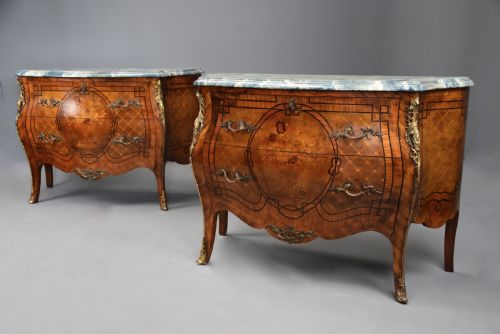
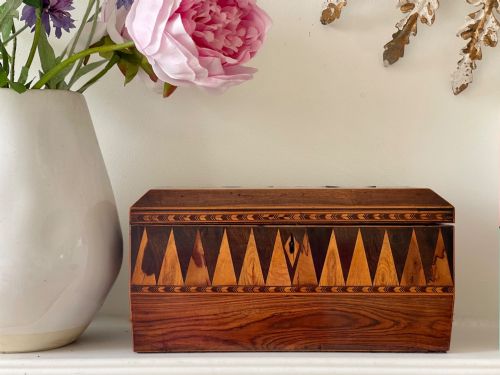
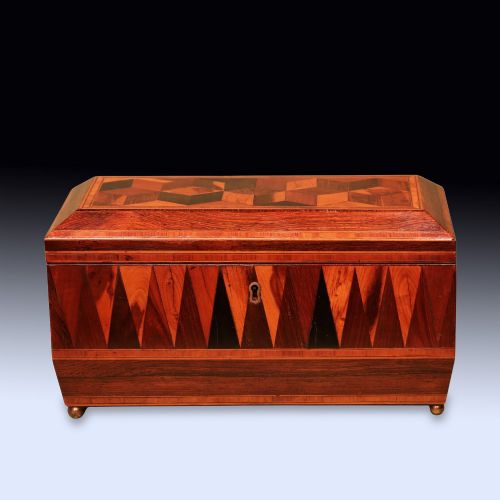
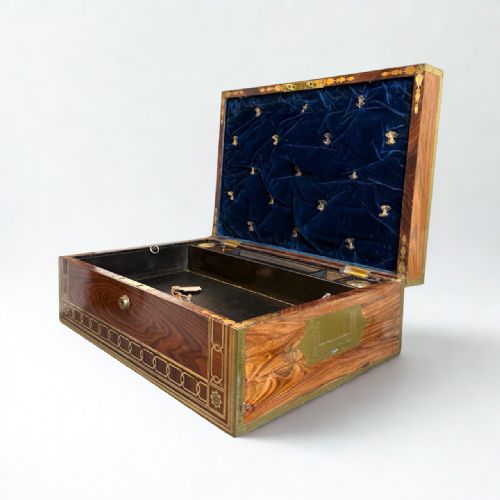
These decorative inlaid chest examples bring together centuries of intricate woodwork and precise ornamentation to elevate any room.
Decorative Inlaid Chest
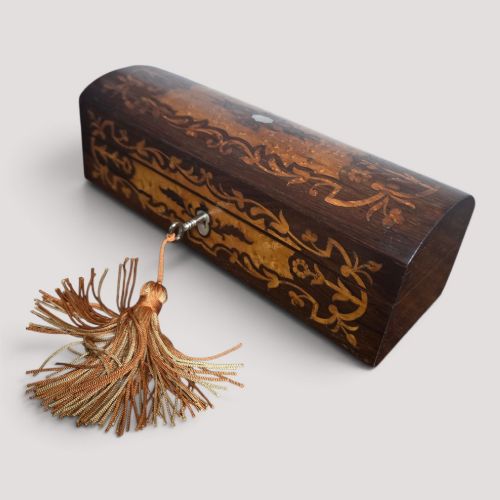
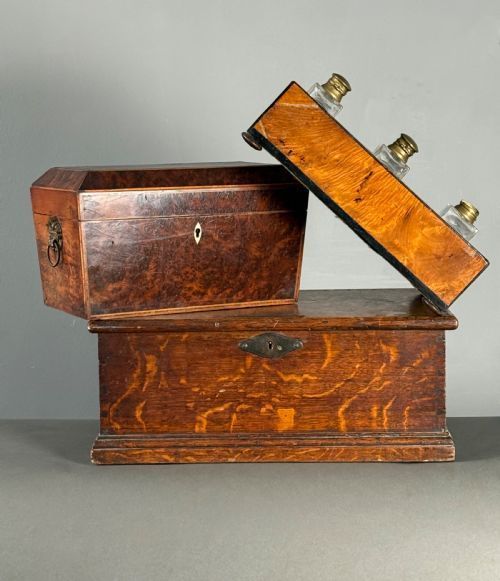
A decorative inlaid chest encompasses a broad range of antique forms, from compact tea caddies and tabletop boxes to large chests of drawers, trunks, and commodes. When exploring this selection, buyers encounter pieces originating from Georgian, Regency, and Victorian periods alongside early twentieth-century examples.
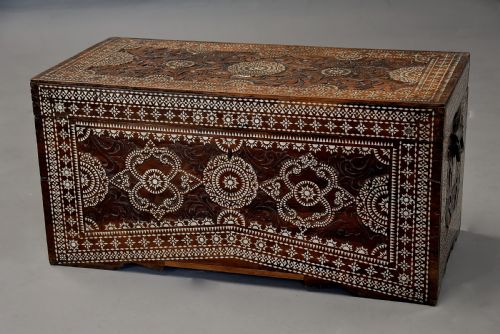
The objects span multiple global traditions and stylistic revivals, including French Rococo Revival, Anglo-Indian, and Ottoman or Syrian aesthetics. Smaller tea caddies and trinket boxes appear frequently, sharing shelf space with larger drawer chests and musical boxes.
Materials and construction methods
Cabinetmakers utilised dense hardwoods such as mahogany, rosewood, walnut, satinwood, and kingwood as foundations for intricate surface decoration. These primary timbers provide a dark or warm grain that contrasts sharply with lighter inlay details.
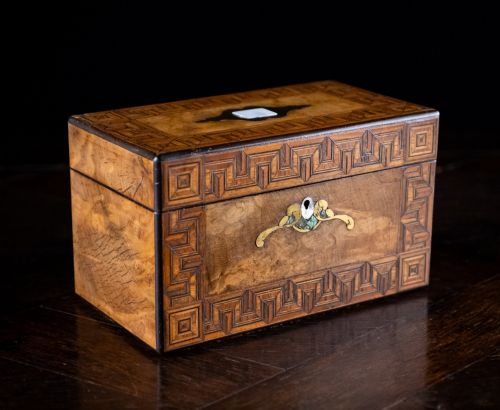
Craftsmen embedded contrasting materials like boxwood, bone, brass, tortoise shell, and mother of pearl directly into the wood surface using parquetry, marquetry, and boulle techniques. Geometric mosaics and detailed pictorial motifs required immense patience and precise hand-cutting.
Decorative Inlaid Chest Retail Price Guide 2026
Typical asking prices for decorative inlaid chest among the pieces listed under this phrase on Sellingantiques today, from the lower quarter to the upper quarter. They describe what is for sale here now, not the wider market.
Distinctions in craftsmanship and preservation
Superior examples display absolute precision in the fit of each inlaid piece, where contrasting woods and metals meet without visible gaps or excessive filler. The complexity of the geometric pattern or pictorial marquetry directly reflects the skill invested by the original maker.
Preservation of the original surface finish, fitted interiors, and operational hardware heavily influences the character of a piece. Minor losses in delicate brass stringing or mother of pearl elements alter the visual harmony of the surface pattern.
The Decorative Inlaid Chest Glossary
- Marquetry
- The art of applying decorative veneer pieces to a structure to form pictorial designs. Craftsmen slice various woods and shells to create elaborate scenes.
- Parquetry
- A geometric mosaic of wood pieces used for surface decoration on boxes and furniture. This technique relies on repeated shapes like squares and triangles.
- Tunbridge Ware
- Small wooden objects decorated with mosaic patterns made from thousands of tiny tinted wood blocks. The technique originated in the English town of Tunbridge Wells.
- Boulle
- An intricate form of marquetry using brass and tortoise shell inlaid together. This method creates a rich contrast of metallic sheen and dark mottled shell.
Decorative Inlaid Chest: Frequently Asked Questions
What were tea caddies used for?
Tea caddies served as secure storage containers for expensive tea leaves when tea was a high-status commodity. They often featured internal compartments and locked lids to protect the contents.
Today, these small chests function as decorative boxes on tables or desks, holding modern trinkets while retaining their historical charm.
How do I identify a Georgian chest?
Georgian pieces typically display restrained classical proportions, fine mahogany or satinwood veneers, and precise brass fittings. Construction relies on traditional joinery methods appropriate for the eighteenth and early nineteenth centuries.
Examining the secondary timbers inside drawers or compartments helps confirm the period of manufacture alongside the external style.
How should I care for antique rosewood?
Antique rosewood benefits from stable indoor humidity levels and protection from direct sunlight to prevent the timber from drying out. Gentle dusting with a dry cloth maintains the surface without stripping historical finishes.
Avoid applying modern silicone polishes, as these can penetrate old wood pores and damage delicate inlaid brass or pearl elements.