





Decorative Imari Pottery
These decorative imari pottery pieces bring saturated colour and rich patterns to a room, spanning Japanese imports and British interpretations.
Decorative Imari Pottery
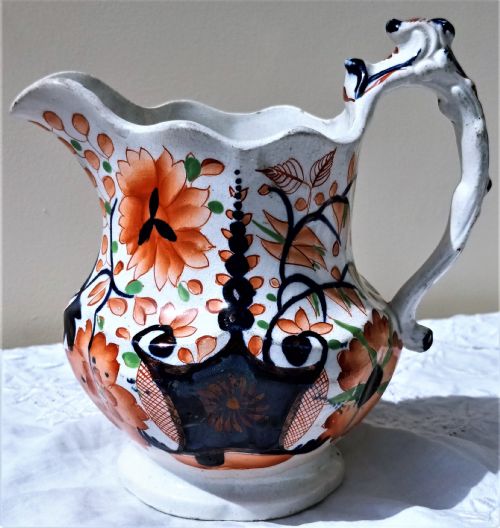
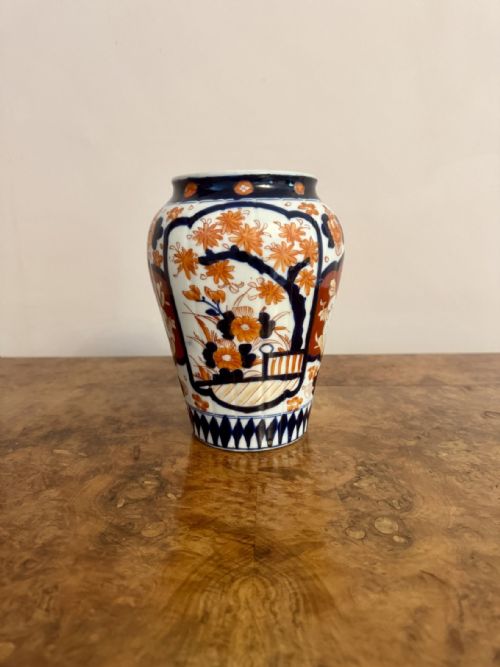
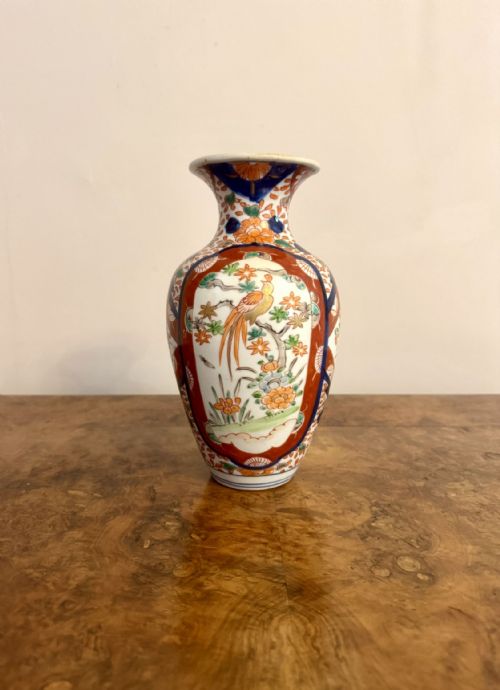
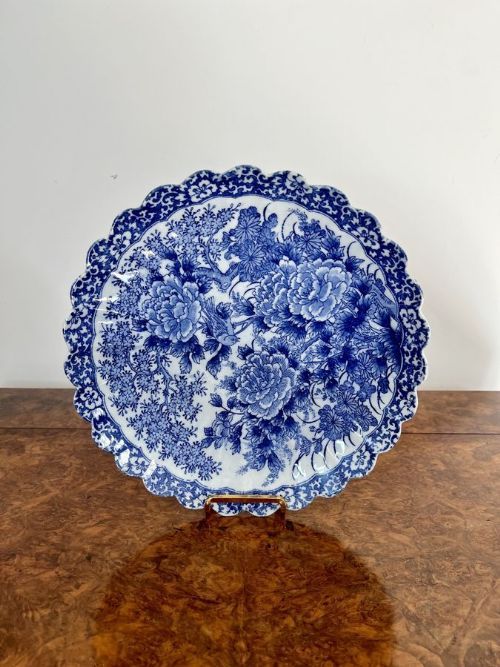
When you search for decorative imari pottery, you encounter a distinct cross-cultural tradition defined by deep iron-red, cobalt blue and gilt palettes. The pieces on this page span the eighteenth, nineteenth and early twentieth centuries, reflecting both Japanese origins and British factory responses.
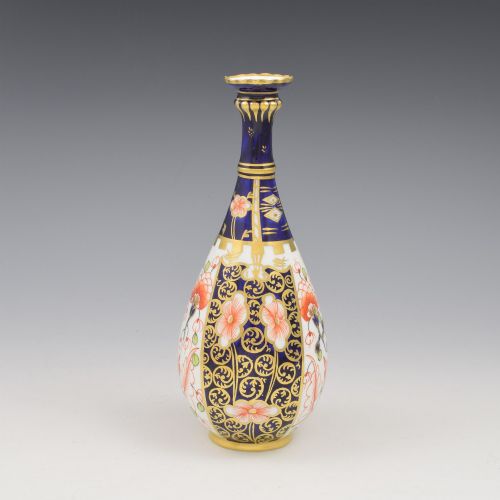
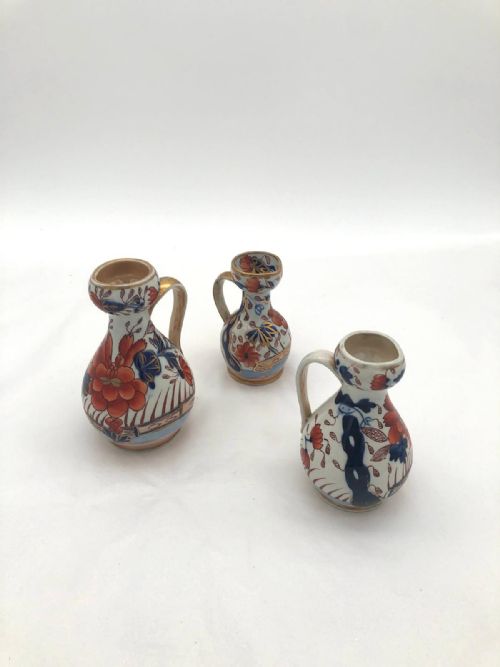
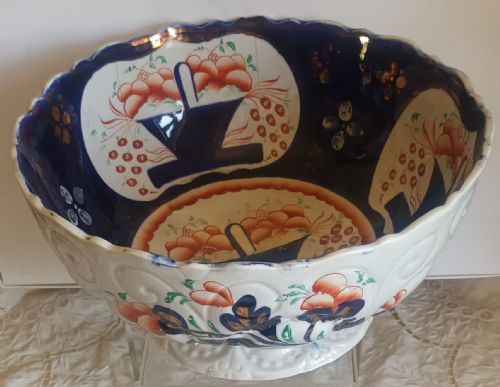
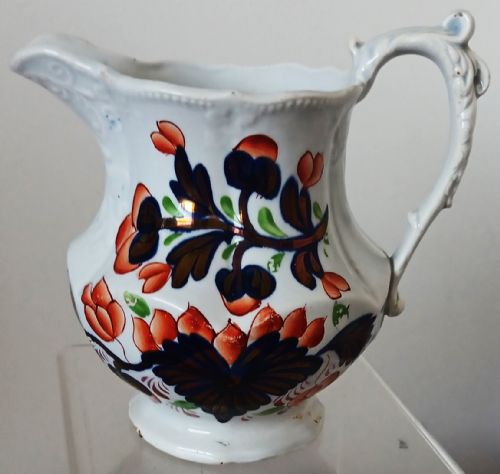
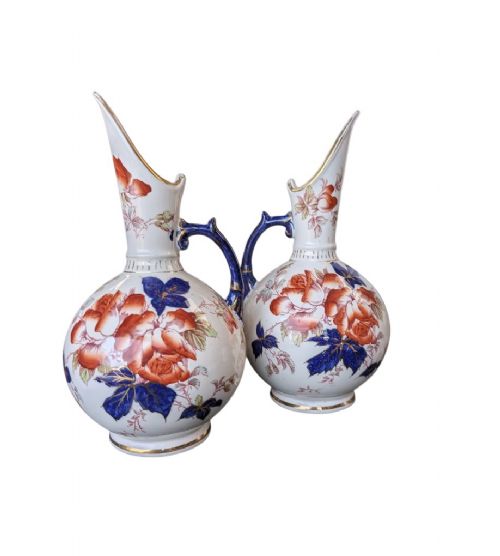
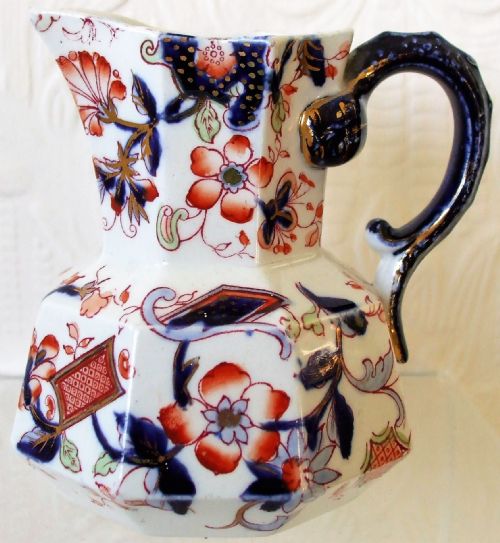
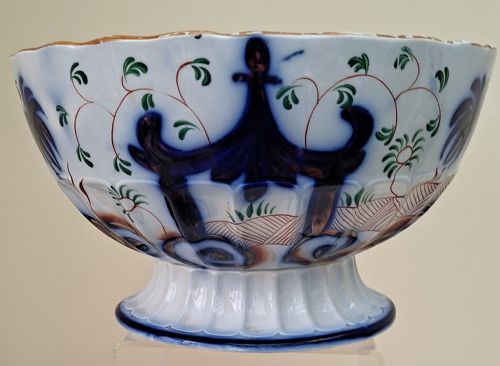
Vases, chargers, plates and jugs dominate the selection, appearing alongside footed bowls and pitchers. Japanese Arita wares sit alongside English ironstone and porcelain adaptations from makers such as Royal Crown Derby and Mason's.
Materials and construction
The makers utilised hard-paste porcelain, earthenware, and ironstone as the foundation bodies for these ceramics. Ironstone provided a dense, durable canvas for heavy domestic use, while porcelain offered a refined, resonant base for delicate cabinet pieces.
Decorators applied cobalt blue under the glaze before firing, then layered enamel colours and gold leaf over the glaze in subsequent low-temperature firings. This technique produced the characteristic raised texture and metallic sheen seen across the Japanese and English pieces.
Decorative Imari Pottery Retail Price Guide 2026
Typical asking prices for decorative imari pottery among the pieces listed under this phrase on Sellingantiques today, from the lower quarter to the upper quarter. They describe what is for sale here now, not the wider market.
Listings feature porcelain, ironstone, and earthenware decorated with enamel, glaze, and gold leaf.
Judging the range
Quality reveals itself in the precision of the hand-painted brushwork and the vibrancy of the enamel palette. Stronger examples exhibit crisp detailing in the floral and architectural motifs without blurring or muddying of the cobalt blue.
The density and richness of the gold leaf application further distinguish the tiers of production. Finer wares maintain sharp registration across multiple pattern layers, whereas simpler domestic items show looser, more utilitarian brush applications.
Royal Crown Derby·Mason's·Keeling & Co.·John Ridgway·Mintons
The Decorative Imari Pottery Glossary
- Imari
- A style of ceramic decoration originating in Japan and later copied in Europe, characterised by a palette of cobalt blue, iron-red and gold. It draws its name from the port town of shipment.
- Ironstone
- A type of heavy earthenware patented in the nineteenth century for its durability and resistance to chipping. It served as a robust alternative to true porcelain.
- Charger
- A large decorative plate intended for display on a wall or sideboard rather than for dining use. These pieces often showcase the most elaborate painted compositions.
- Enamel
- Opaque glass-like coloured paints applied over the fired glaze and fixed in a second, cooler kiln run. It provides the bright reds, greens and yellows of the palette.
- Gilt
- A thin layer of gold applied to the surface of the ceramic to accent patterns and borders. It catches the light and frames the painted panels.
Decorative Imari Pottery: Frequently Asked Questions
What is decorative imari pottery?
It encompasses ceramics decorated in the distinct Japanese imari style, alongside British nineteenth-century earthenware and porcelain inspired by those same palettes.
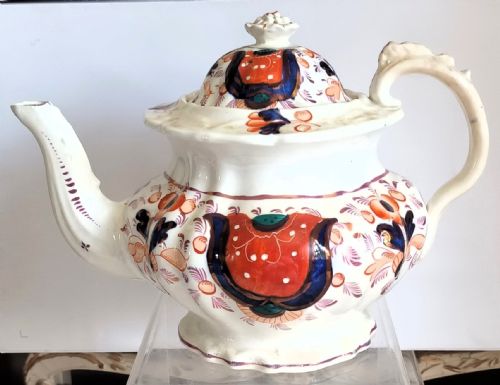
These objects range from large Japanese chargers and vases to English ironstone jugs and Gaudy Welsh teapots.
How do I date these pieces?
Dating relies on factory marks, ceramic bodies, and stylistic traits recorded across the nineteenth and early twentieth centuries.
Japanese pieces often align with the Edo or Meiji periods, while British works feature Victorian or Edwardian registry and maker stamps.
Where were these ceramics made?
The geographical origins divide primarily between Arita in Japan and Staffordshire in England.
English potteries actively reinterpreted the imported Japanese aesthetic for domestic dining and display.
How should I display them?
Their strong colours and gilt detailing suit placement on sideboards, open shelving, or wall mounts for chargers.
Pairs of vases and graduated jugs create balanced focal points within a traditional interior.