

Decorative Hearth Guard
A decorative hearth guard protects the room from stray embers while adding a striking focal point to the fireplace.
Decorative Hearth Guard
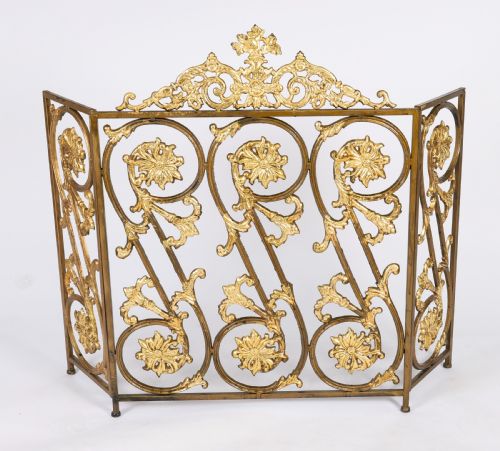
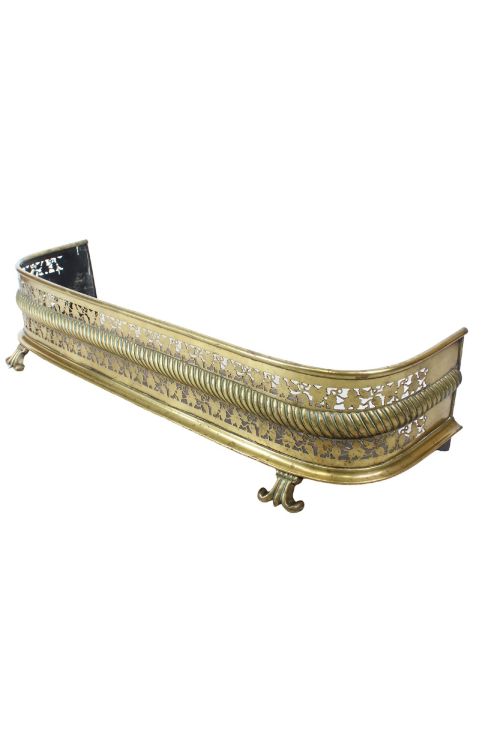
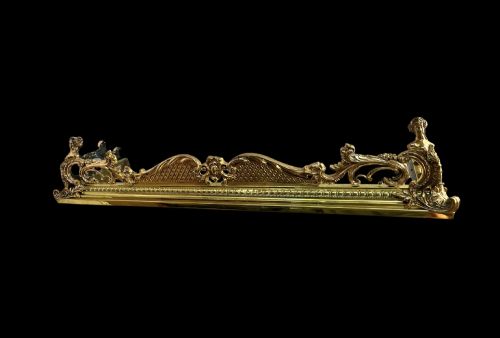
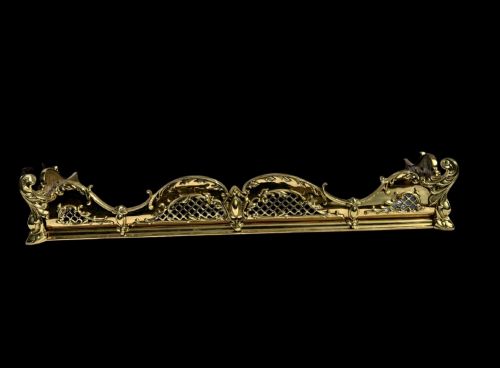
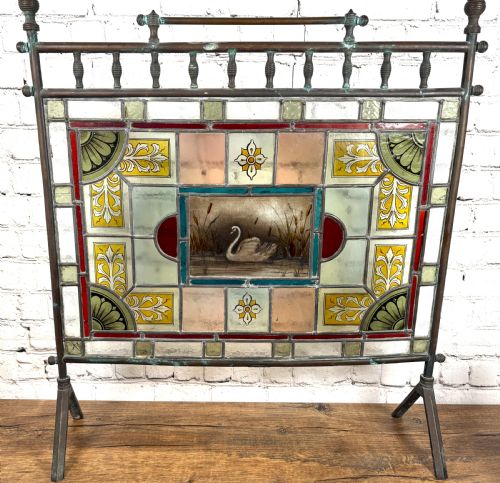
A decorative hearth guard encompasses fire screens, fenders, and kerbs designed to sit before an active fireplace. Buyers searching this phrase will find a variety of freestanding screens and low perimeter guards intended to contain sparks and ash.
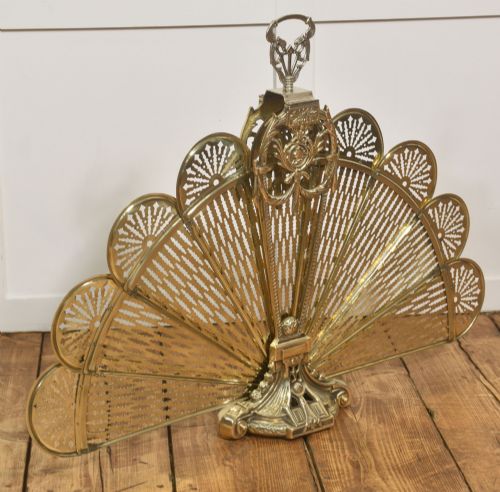
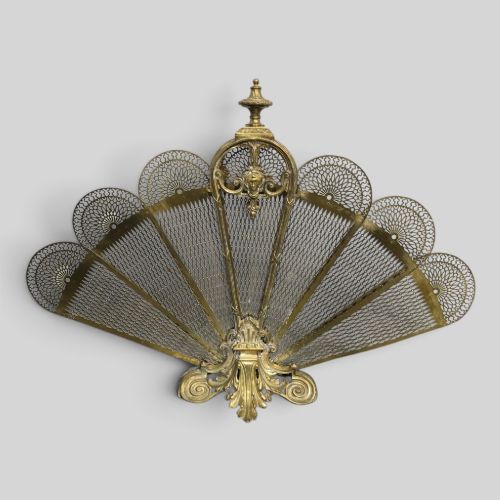
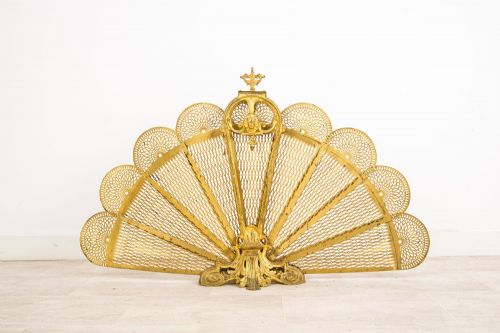
The selections span the nineteenth century through the early twentieth century, with Victorian and Edwardian examples appearing most frequently. These pieces range from simple pierced brass fenders to elaborate folding peacock fan screens and glazed panels.
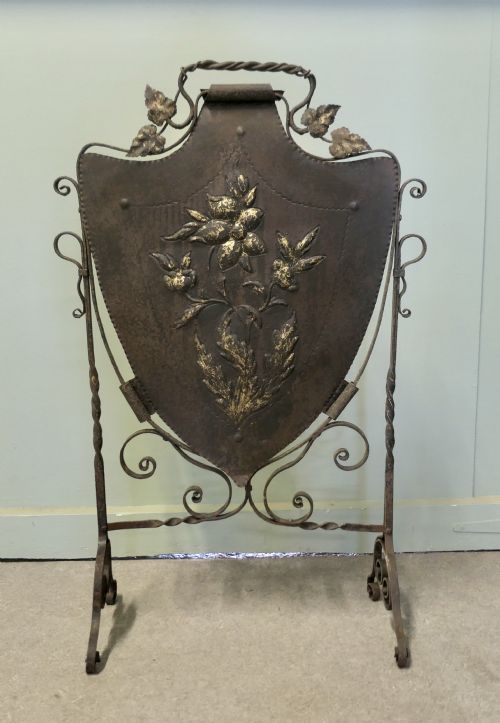
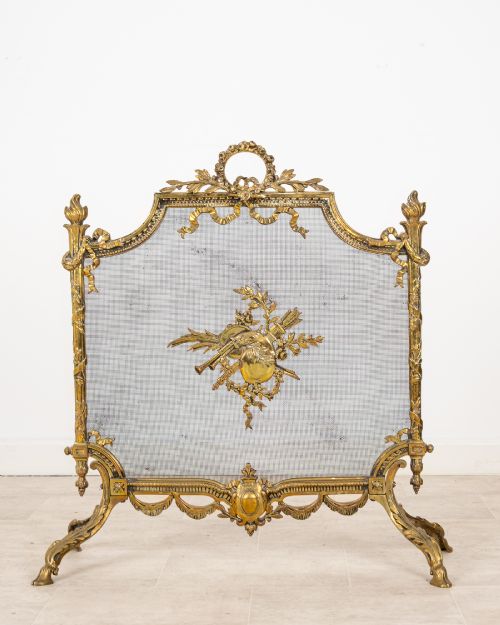
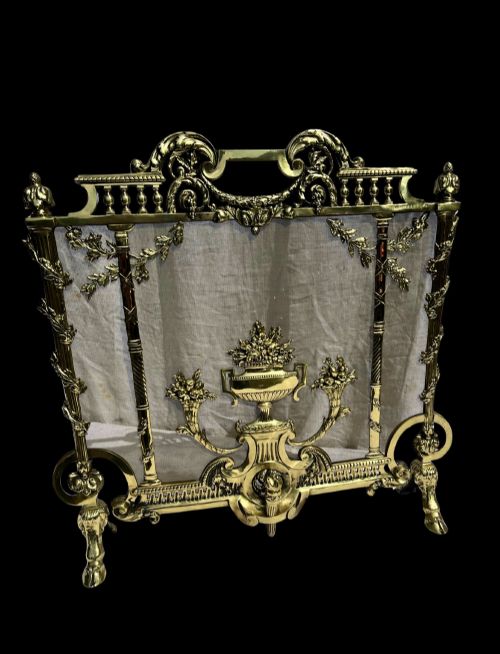
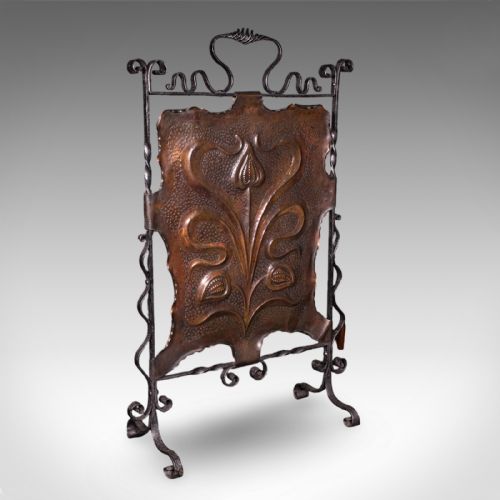
Stylistic influences vary widely across the inventory, drawing on French Rococo Revival, Gothic Revival, and Art Nouveau motifs. Metalwork dominates the forms, utilising brass, wrought iron, and copper to create decorative barriers for the hearth.
Materials and Construction
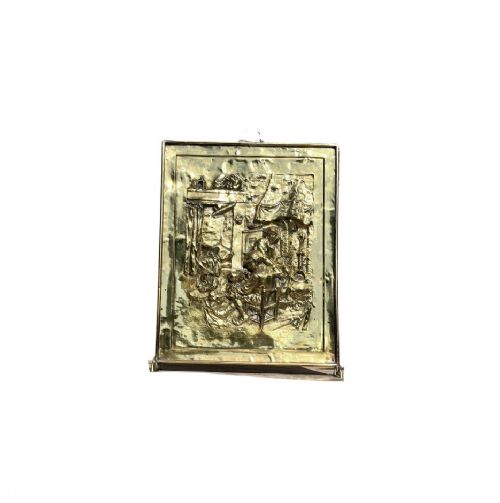
Makers utilised cast and sheet brass, wrought iron, steel, and copper to build the structural frames and decorative panels of these guards. Pierced metalwork, repoussé detailing, and wire mesh provided both ornamentation and practical spark protection.
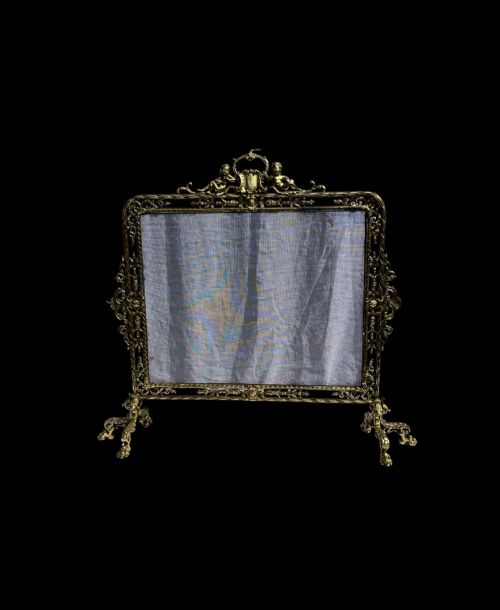
Many screens incorporate secondary elements such as stained glass, cut glass, mirror panels, or textile inserts like silk embroidery and tapestry. Gilt finishes and bronze plating were frequently applied to brass and iron components to achieve a richer appearance.
Listings feature periods spanning from the early 1800s George III era through the Victorian period, Art Nouveau, and 1920s Art Deco.
Assessing Quality and Execution
Quality in a decorative hearth guard rests upon the crispness of the casting, the weight of the metal, and the intricacy of the piercing or hand-hammered detail. Heavier gauge brass and thick wrought iron provide structural stability that lighter stamped metal lacks.
The refinement of decorative motifs - whether an Art Nouveau plant tendril or a Rococo scroll - distinguishes superior examples from standard production pieces. Integrated elements like bevelled glass panels or hand-stitched tapestries further elevate the standard of manufacture.
The Decorative Hearth Guard Glossary
- Fire screen
- A movable barrier placed in front of a fireplace to block excessive heat or contain sparks when the fire dies down. They often feature folding fans, glass panels, or fabric inserts.
- Fender
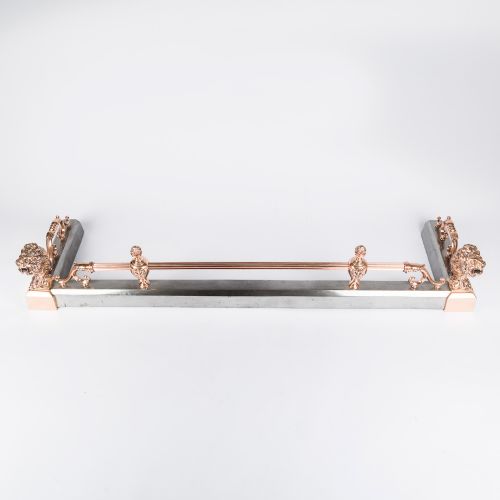
- A low metal frame placed on the floor around the hearth to keep burning logs and embers contained within the fireplace opening. They double as kerbs to define the hearth boundary.
- Repoussé
- A metalworking technique where the metal is hammered from the reverse side to form a raised design in relief. This method appears frequently on brass and copper fire screens.
- Spark guard
- A protective mesh or screen specifically designed to catch flying embers and sparks from an open fire. They are typically constructed from fine wire mesh or iron.
- Ormolu
- Gilded bronze or brass applied to decorative objects and furniture mounts, popular in French revival pieces. It provides a bright, durable golden finish.
Decorative Hearth Guard: Frequently Asked Questions
How do I clean a brass hearth guard?
Dust the metal regularly with a soft dry cloth to prevent the buildup of soot and ash residue. Avoid harsh chemical cleaners that can strip historic patinas from nineteenth-century brass.
For stubborn tarnish, apply a gentle metal polish specifically formulated for brass, working carefully around any glass, textile, or painted inserts.
What is the difference between a fender and a screen?
A fender sits flat on the floor around the perimeter of the hearth to contain logs and ashes within a defined boundary. They are usually low in height and constructed from heavy brass, iron, or steel.
A screen stands upright to shield the room from radiant heat and flying sparks, often taking the form of a folding fan, a framed panel, or a glazed barrier.
How do I date a Victorian brass fire screen?
Examine the manufacturing techniques and stylistic cues, noting whether the piece uses hand-pierced metalwork typical of mid-nineteenth-century workshops or machine stamping common by the end of the Victorian era. Art Nouveau curved tendrils and stylized florals generally point towards the 1890s and early 1900s.
Cast brass components, heavy gauge frames, and specific revival styles such as French Rococo or Gothic Revival also provide clear chronological markers.