


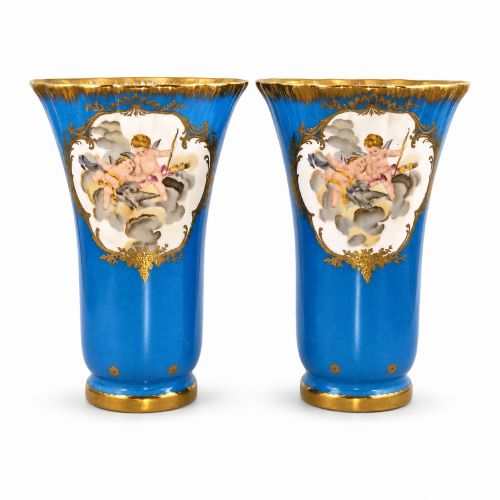
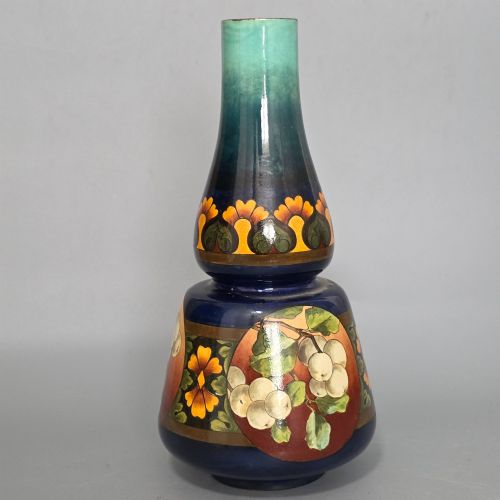
Decorative Hand Painted Vases
Decorative hand painted vases bring together centuries of craftsmanship, colour and fired ceramic forms to transform a mantelpiece or tabletop.
Decorative Hand Painted Vases
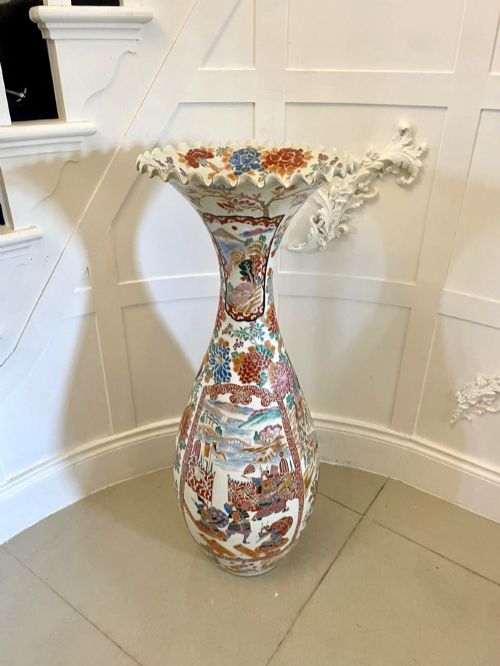
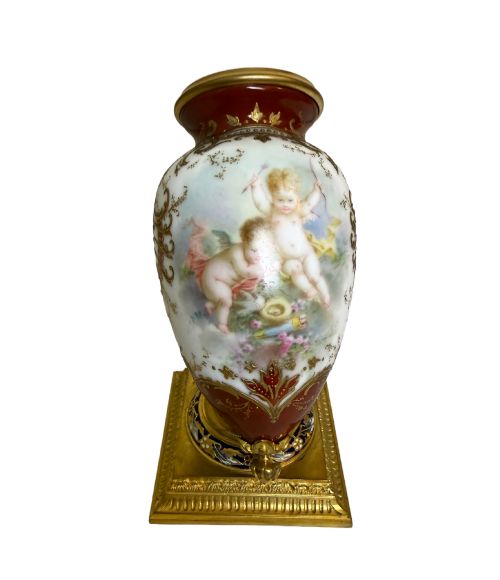
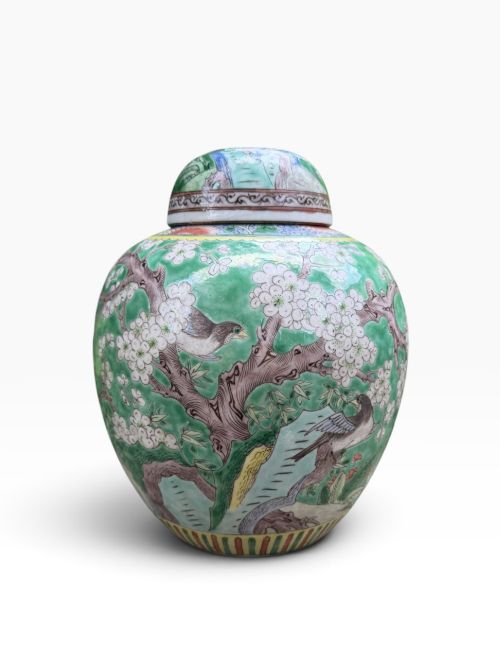
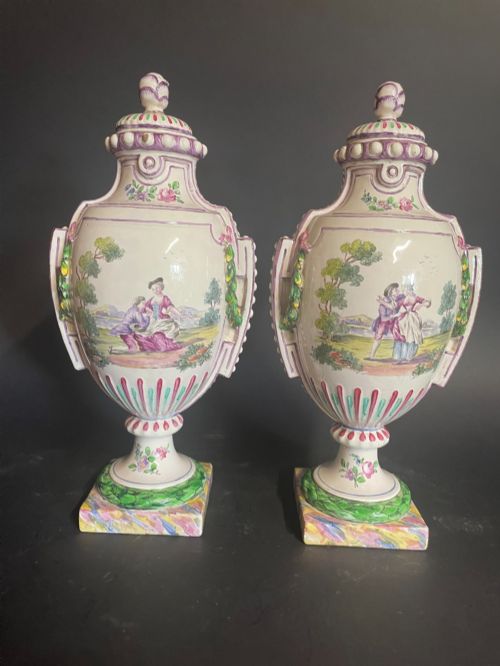
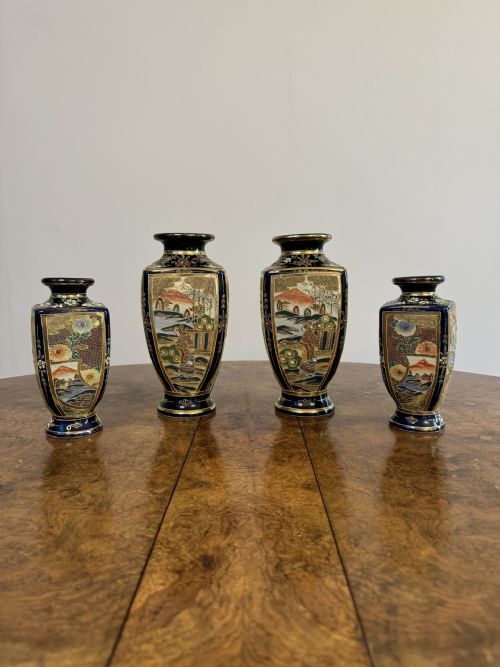
Decorative hand painted vases encompass a wide selection of ceramic, porcelain, earthenware and glass vessels produced across the nineteenth and early twentieth centuries. When searching for decorative hand painted vases, buyers encounter everything from large Japanese Imari floor standing pieces and Chinese ginger jars to delicate Royal Worcester blush ivory table items and European porcelain urns.
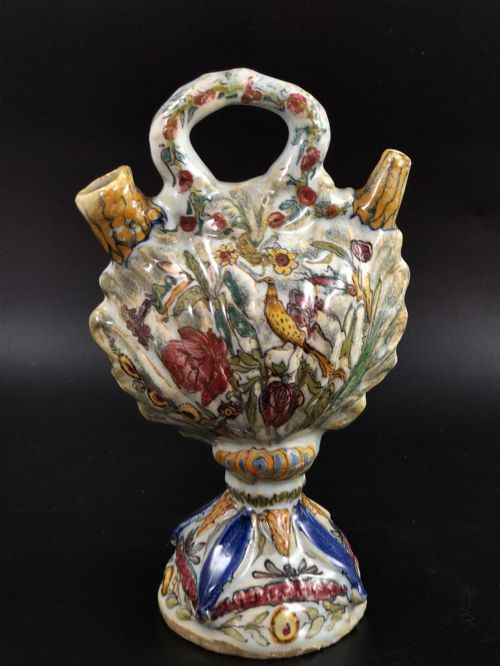
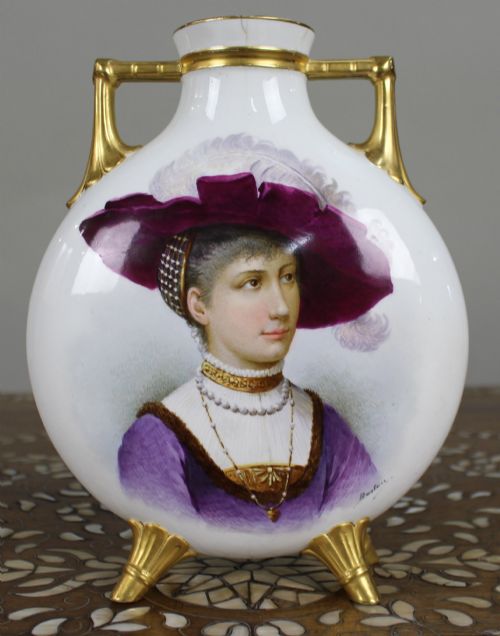
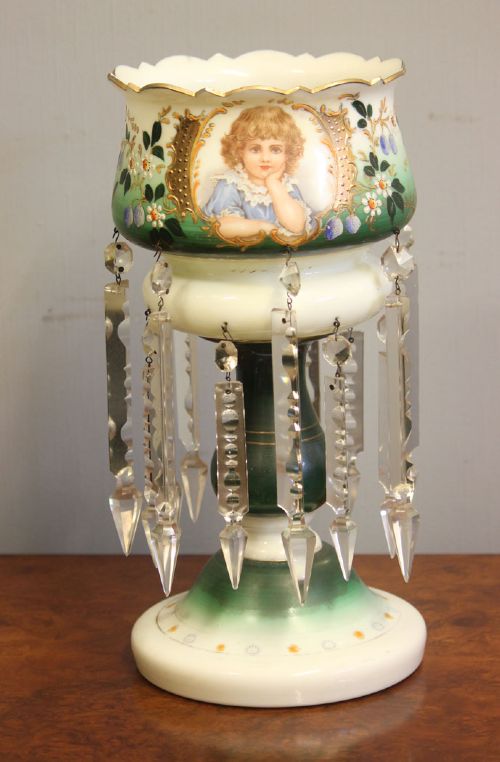
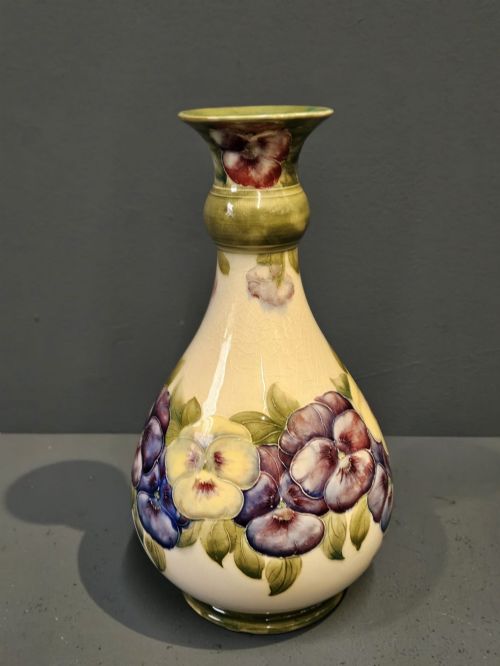
The objects on this page span diverse aesthetic movements including Victorian, Edwardian, Art Nouveau, Art Deco, Japanese Satsuma, and Chinese Qing Dynasty periods. Forms range from standard baluster vases and moon flasks to monumental floor urns, majolica pilgrim flasks, and table mantle lustres.
How they were made
Makers shaped these vessels using traditional ceramic and porcelain bodies, applying liquid glazes before firing the clay in kilns to achieve durable, vitrified surfaces. Artisans then meticulously hand painted the designs onto the hardened surfaces using mineral enamels, slips, and pigments.
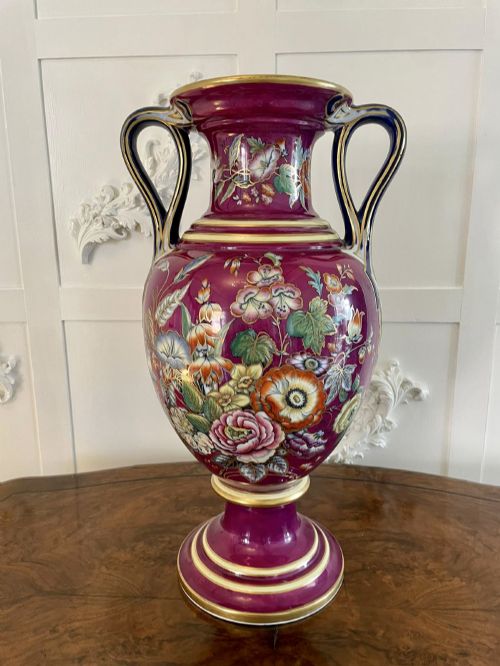
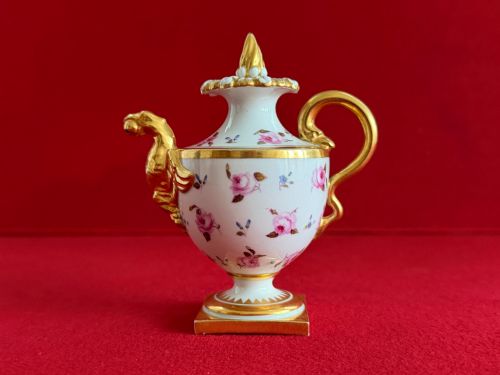
Many pieces received intricate surface detailing through the application of gold leaf and gilding, which highlighted moulded reliefs, painted borders, and floral motifs. Glass variations utilised specialised enamel techniques directly on the translucent body to create rich, light-catching textures.
Listings feature items from the nineteenth century up to the 1930s, incorporating ceramic, porcelain, earthenware, and glass materials.
What varies in quality
The standard of decorative hand painted vases is defined by the precision and skill of the brushwork, where delicate, finely detailed botanical or figurative scenes distinguish superior examples from simpler, repetitive patterns. The execution of the gilding and enamelling also sets higher-tier studio and factory pieces apart, showing depth, secure adhesion, and careful alignment with the underlying ceramic contours.
Furthermore, the sophistication of the form and the prestige of the manufacturing origin contribute heavily to the standing of an individual vessel. Well-documented works signed by master artists or produced by renowned kilns and potteries demonstrate a higher degree of artistic ambition.
Flight Barr And Barr·Barr Flight And Barr·Doulton Lambeth·Royal Worcester·Coalport·Minton·Helena Wolfsohn·Samson Paris·Reissner Stellmacher And Kessel
The Decorative Hand Painted Vases Glossary
- Porcelain
- A hard, white, translucent ceramic composed of kaolin and petuntse fired at high temperatures. It forms the smooth, refined body for many fine floral and gilt-decorated vessels.
- Imari
- A traditional style of Japanese export porcelain characterised by a palette of underglaze blue, iron red, and gilt overlays. These vibrant patterns often feature intricate panel designs of flowers and landscapes.
- Gilding
- The application of gold leaf or powdered gold mixture onto the surface of ceramic, glass, or bronze mounts. This technique accents handles, rims, and decorative borders with a metallic sheen.
- Moon Flask
- A flattened, circular pilgrim flask resting on a small base, typically fitted with two small side handles. This distinct shape provided a wide, flat canvas for detailed hand-painted compositions.
- Faience
- Tin-glazed earthenware produced across various European workshops. The opaque white glaze serves as a smooth background for colourful painted decorative scenes.
Decorative Hand Painted Vases: Frequently Asked Questions
Were these vases made for display or daily use?
Most antique decorative vases were produced primarily as ornamental items for formal interiors, parlours, and mantelpieces rather than for holding fresh water and flowers. Their elaborate hand-painted designs and delicate gilding reflect a focus on artistic display and interior decoration.
While some sturdy earthenware or porcelain pieces can function practically, collectors usually keep them empty to protect the historical interior glaze and exterior finish. Using them as dry floral displays is common, provided care is taken not to scratch the rims.
What does blush ivory mean on Royal Worcester pieces?
Blush ivory refers to a specific tinted cream or off-white matte glaze developed by Royal Worcester in the late nineteenth century. It provided a soft, subtle background designed to mimic the appearance of natural ivory for delicate hand-painted floral decorations.
This finish was often paired with raised gold gilding and naturalistic plant forms, such as thistles or spring blossoms. The technique became a signature aesthetic for the factory during the late Victorian and Edwardian eras.
How do I identify Art Nouveau styling on a vase?
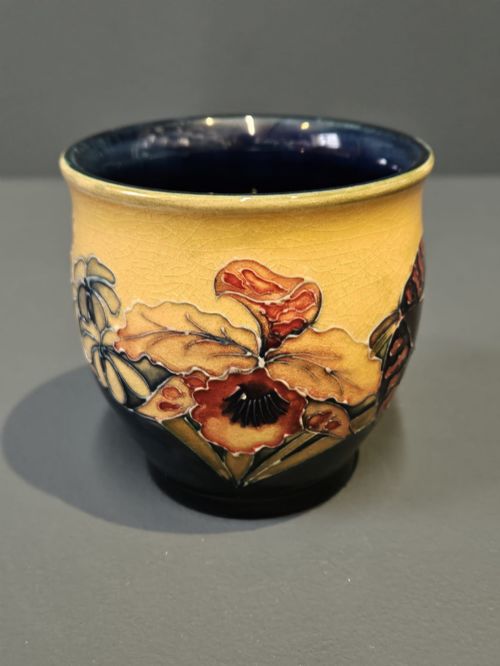
Art Nouveau vases are characterised by organic, flowing lines inspired by natural forms such as plant stems, seed pods, and insect wings. The decorative motifs avoid rigid symmetry in favour of undulating curves and sinuous silhouettes.
The colour palettes often incorporate soft greens, ochres, blues, and iridescent lustres that mimic natural phenomena. Potters and glassmakers utilised these sinuous, fluid designs to break away from traditional historical revivals.