





Decorative Gold Oval Mirror
A decorative gold oval mirror brings warmth and elegance to a room, catching the light in a way few other wall pieces can.
Decorative Gold Oval Mirror
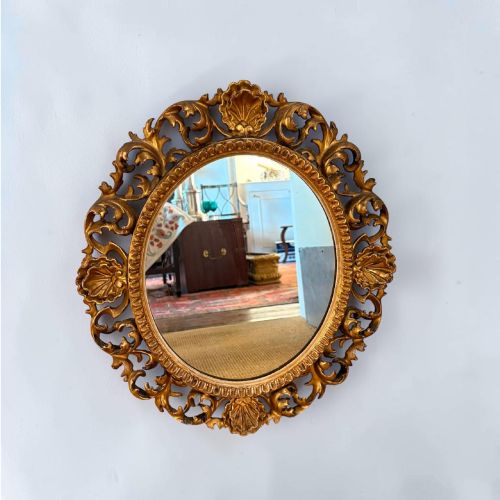
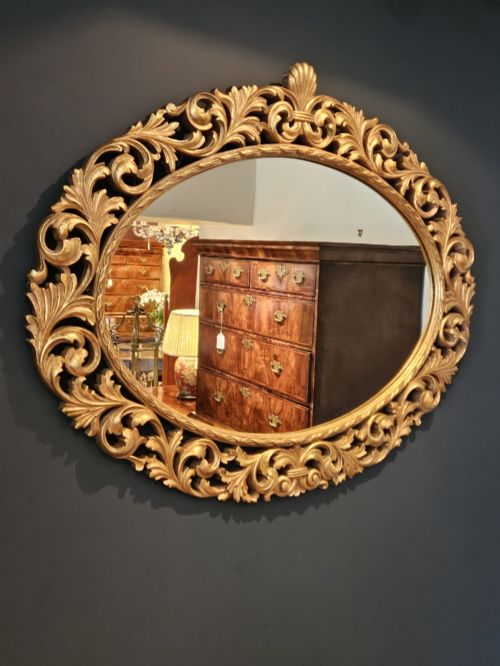
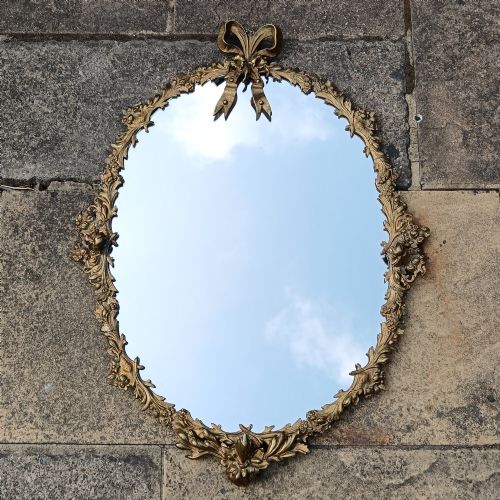
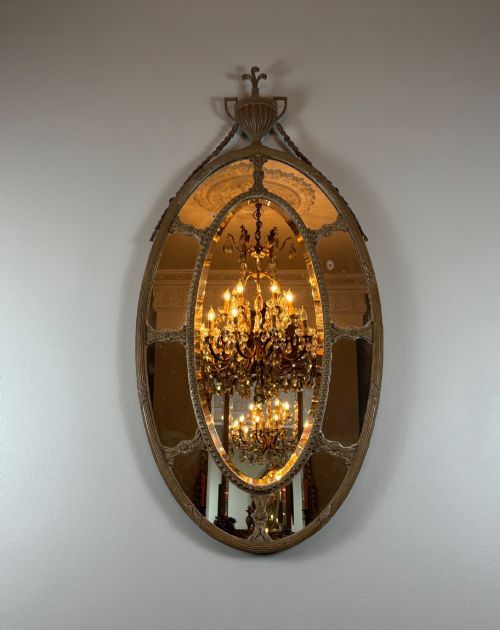
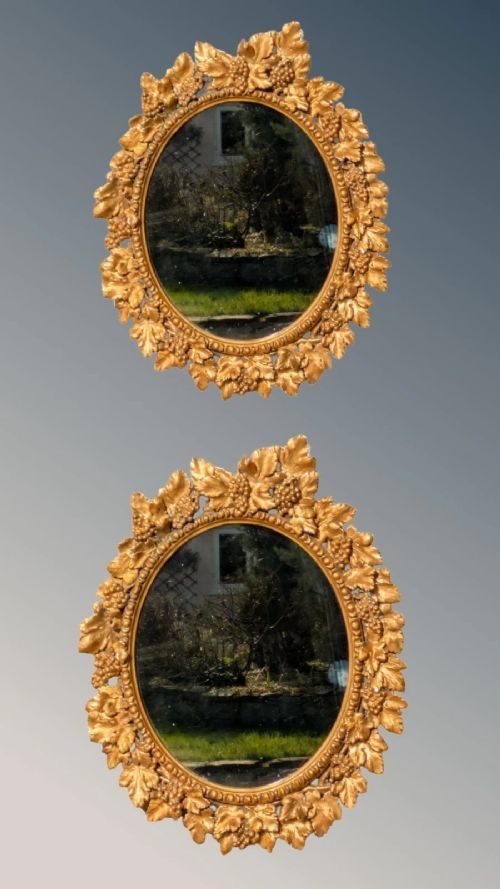
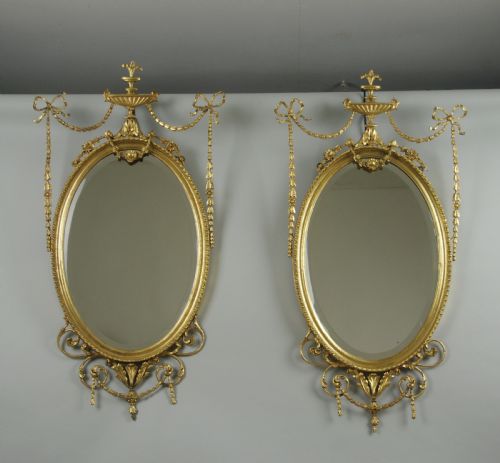
When you search for a decorative gold oval mirror, you encounter pieces spanning from the seventeenth century through the Edwardian era, with Victorian examples appearing most frequently. These items include wall mirrors, overmantel mirrors, and girandole mirrors designed to hang in principal rooms. Styles range from French chateau and Rococo revival to Neoclassical and Adam designs, often featuring elaborate ornamentation like urns, swags, and ribbons.
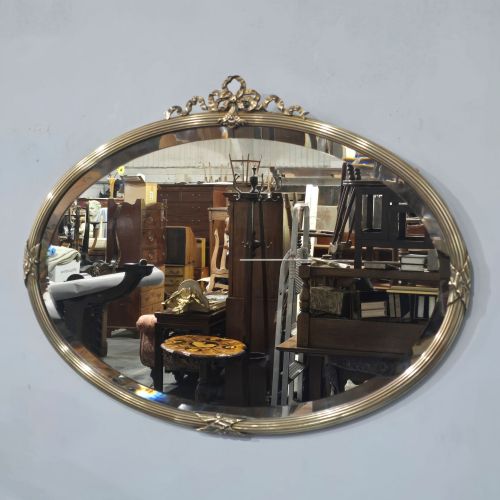
The materials recorded in these pieces include giltwood, gesso, timber, gilt bronze, and brass, finished with gold leaf or gilding. You will find both single frames and matched pairs, varying from compact hall pieces to large country house proportions. The curved outline softens interior corners while the gilded surface reflects natural and artificial light across the space.
How they were made
Carved timber and gesso form the foundation of many frames, providing a stable base for intricate surface decoration. Artisans applied layers of gesso over wood before gilding the surface with gold leaf or applying paint and parcel-gilt details.
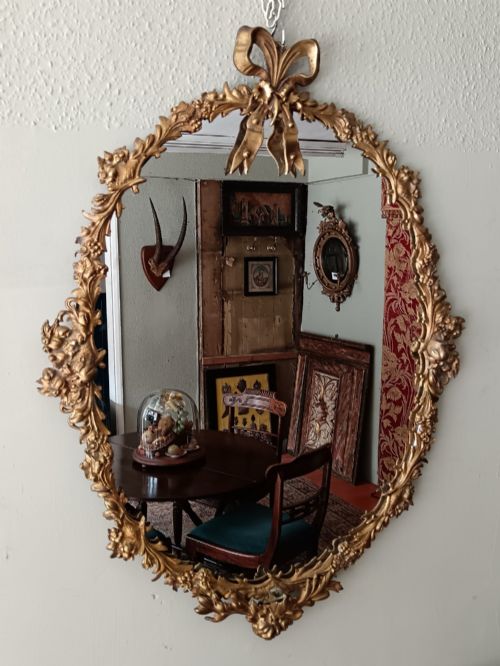
Cast metals such as gilt bronze and brass appear in French and Victorian pieces, offering crisp details like ribbon bows and rococo scrolls. Mirror glass was set within these frames, sometimes incorporating border glass or bevelled edges to enhance the visual depth.
Materials recur across different eras, pairing traditional giltwood and gesso with cast gilt bronze and brass.
What varies in quality
The depth and crispness of the carving dictate much of the visual character, distinguishing hand-carved giltwood from simpler moulded gesso compositions. Finer pieces display sharply defined foliage, urns, and ribbons that retain their original definition beneath the gilding.
The handling of the gold surface matters greatly, as original gold leaf ages with a softer warmth compared to later metallic paints. Structural integrity in the timber backing and the preservation of the original mirror glass further separate standard examples from exceptional ones.
The Decorative Gold Oval Mirror Glossary
- Giltwood
- Timber carved and coated with gold leaf. This material forms the primary structure of many high-status antique frames.
- Gesso
- A plaster-like mixture applied to wood frames and carved or moulded into relief decoration before gilding. It allows for smooth curves and intricate ornamental details.
- Overmantel mirror
- A large horizontal or vertical mirror designed to hang above a fireplace mantelpiece. These pieces often anchor the decorative scheme of a reception room.
- Girandole
- A decorative wall mirror featuring attached candle sconces. The candleholders multiply the reflected light within the room.
- Parcel-gilt
- Woodwork partially gilded with gold leaf while other areas are painted, stained, or ebonised. This technique creates contrast between the dark timber and the bright gold details.
Decorative Gold Oval Mirror: Frequently Asked Questions
How do I hang a heavy antique oval mirror?
Heavy giltwood and gesso frames require secure wall fixings anchored directly into masonry or substantial timber studs. Weight distribution should be supported by appropriate brackets rather than relying solely on the original hanging ring.
Professional installation is recommended for large overmantel pieces to ensure the weight is held safely against the wall.
Where should I place a decorative gold oval mirror?
These mirrors work effectively above mantelpieces, console tables, or as a focal point on a plain wall. Hanging them opposite a window maximises the natural light they circulate around the space.
Smaller examples suit hallways and smaller reception rooms, while larger country house formats command attention in principal living areas.
How do I clean a gilded antique frame?
Dust the carved surfaces gently with a soft, dry brush to avoid disturbing fragile gesso or gold leaf. Moisture and modern chemical cleaners can damage historical gilding and should be strictly avoided.
For the mirror glass itself, apply a mild glass cleaner to a cloth rather than spraying directly onto the glass, preventing liquid from seeping behind the frame edge.
How do I tell an Adam style mirror from a Rococo style mirror?
Adam style mirrors reflect Neoclassical symmetry, featuring straight lines, urns, swags, and classical architectural motifs. They emphasise balance, restraint, and refined geometric proportion.
In contrast, Rococo style mirrors embrace asymmetry, curved scrolling foliage, C-scrolls, and naturalistic motifs like vine leaves, creating a more exuberant and fluid silhouette.