


Victorian Gold Leaf Mirror
When you want a victorian gold leaf mirror, you are looking for a heavy, gilded statement piece designed to anchor a grand interior room.
Victorian Gold Leaf Mirror
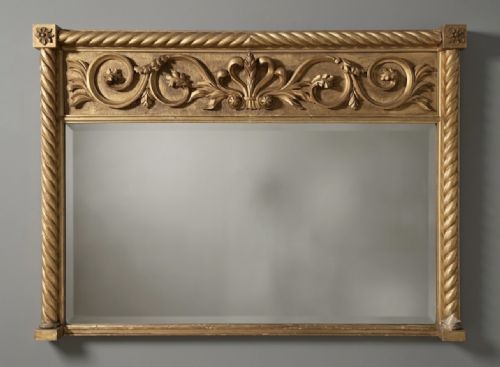
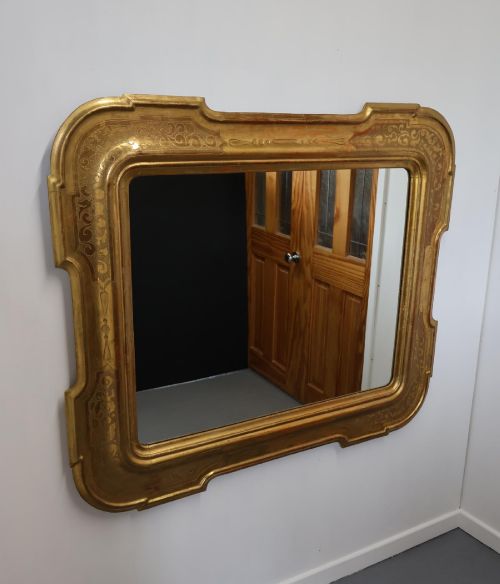
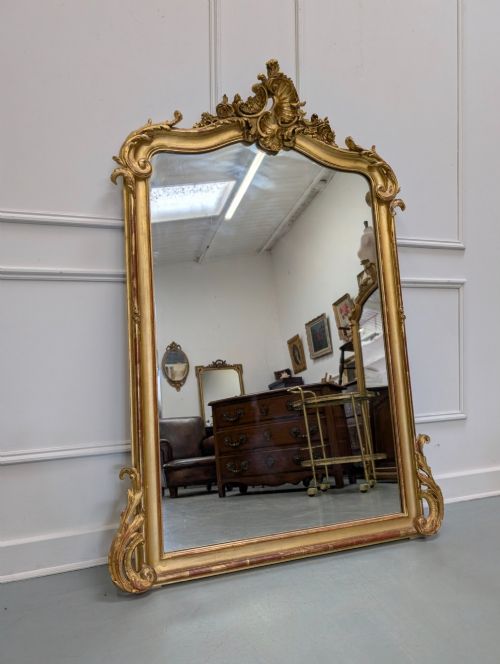
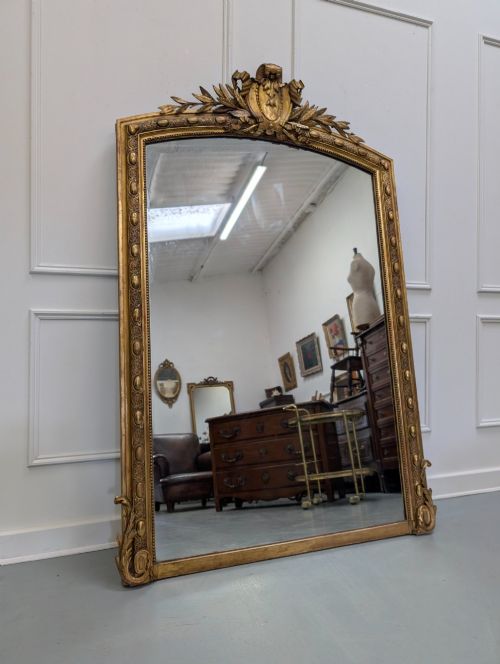
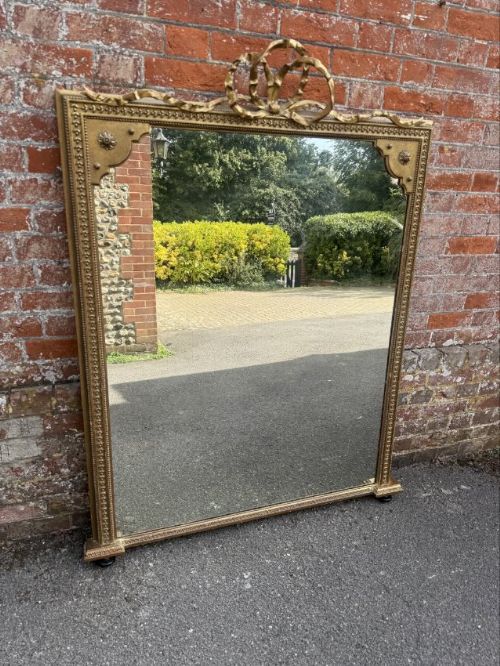
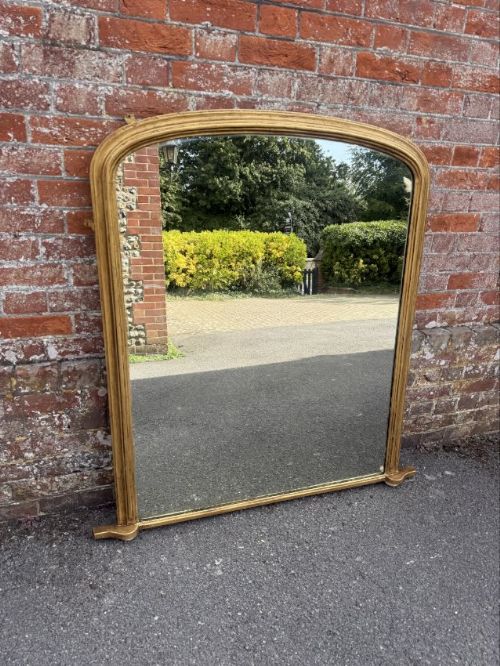
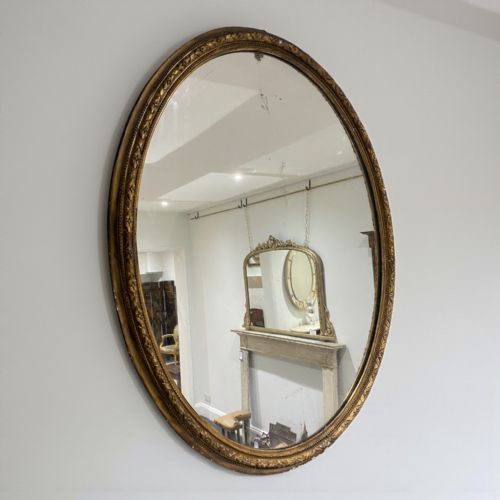
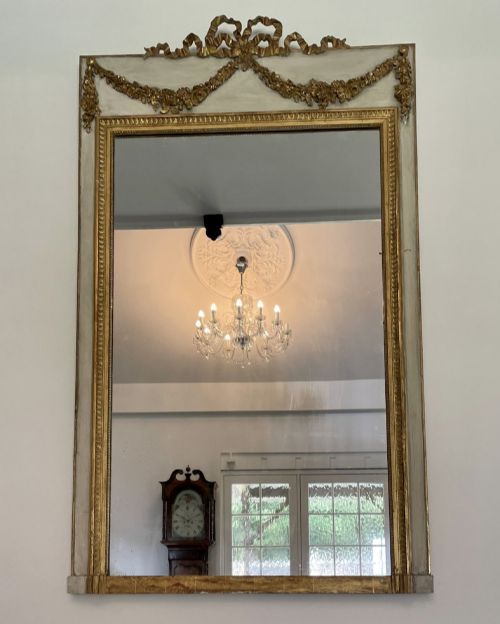
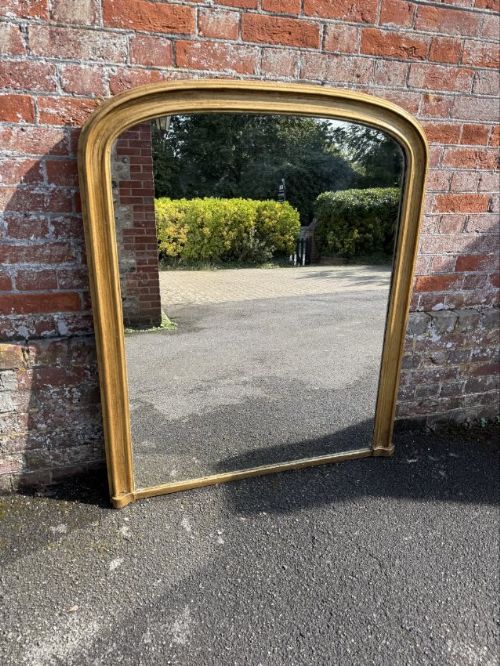
A victorian gold leaf mirror typically presents as a substantial wall hanging or a wide overmantel mirror designed to sit above a fireplace. These large glass plates are framed by ornate timber structures shaped for prominent domestic spaces.
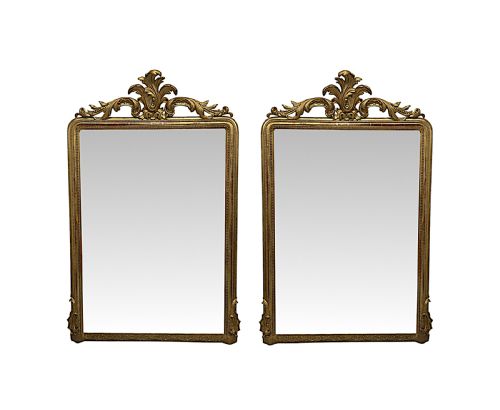
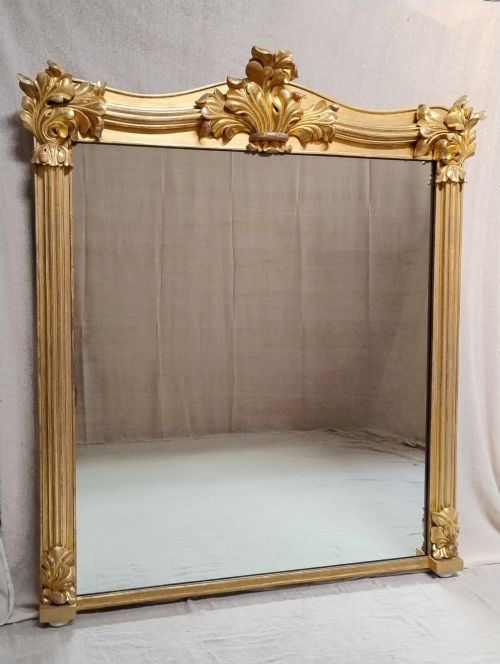
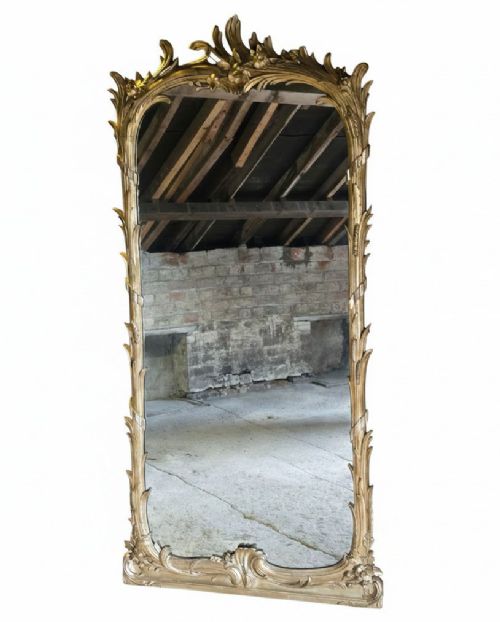
The selection ranges from grand arched top overmantels to tall wall mirrors and deep decorative frames. Many examples display regional French influence or revival styles such as Rococo and Neoclassical, reflecting nineteenth-century interior taste.
Materials and Construction
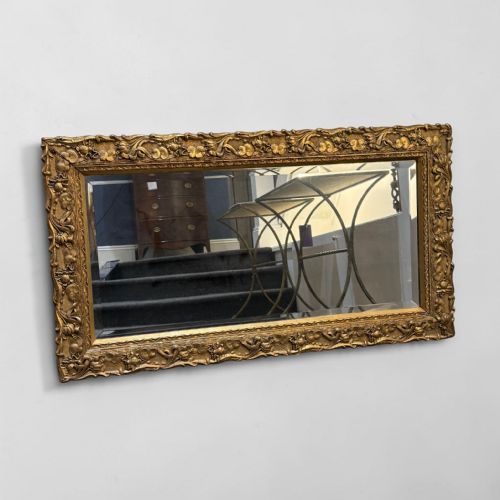
Carved wood provides the primary structural foundation for these frames, often enhanced with applied gesso to build up intricate surface details. Artisans then laid delicate gold leaf or applied composition ornament over the prepared wooden base to achieve a brilliant metallic finish.
Mirror glass plates are set within these heavy wooden surrounds, sometimes showing the natural foxing and age spots of the period. Joinery methods relied on sturdy timber construction to support the considerable weight of the glass and heavy moulding.
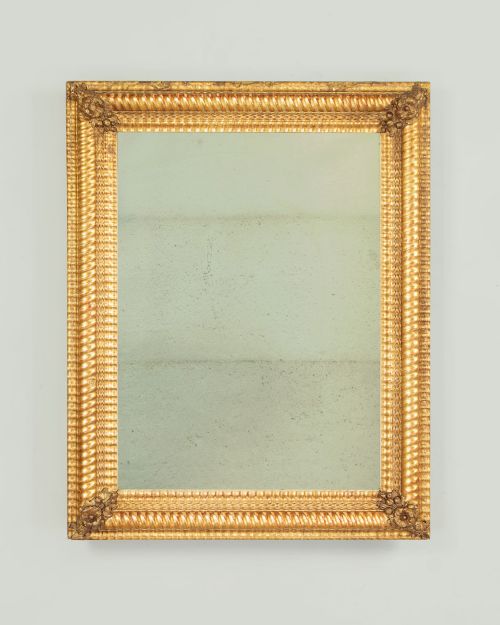
Several mirrors retain the subtle, starry freckles of foxed glass that reflect a long history of domestic rooms.
Distinctions in Execution
The depth and crispness of the carved wood and gesso ornamentation separate standard production from superior examples. Finely modelled acanthus leaves, rope twists, and columns show the hand of a skilled artisan rather than a hurried mould.
The preservation of the original gold leaf and the clarity or character of the mirror plate determine the overall integrity of the piece. Untouched surfaces retain a warmer, softer metallic lustre compared to later interventions.
The Victorian Gold Leaf Mirror Glossary
- Gesso
- A plaster-like mixture applied to wood frames to create a smooth surface for gilding. It allows craftsmen to mould intricate relief patterns before applying gold leaf.
- Giltwood
- Timber that has been coated with gold leaf or gold paint. This technique gives the appearance of solid gold while utilising a lighter wooden core.
- Overmantel Mirror
- A large horizontal mirror designed specifically to hang on the wall directly above a mantelpiece. These pieces often feature arched or shaped tops to fit architectural chimney breasts.
- Rococo Revival
- A nineteenth-century design style mimicking the flowing, asymmetrical curves and natural motifs of the eighteenth-century French Rococo movement. It frequently incorporates C-scrolls and floral elements.
- Foxed Glass
- Mirror glass that exhibits spots, clouding, or discoloration due to the degradation of the backing over time. Collectors often value original foxing as an indicator of age.
Victorian Gold Leaf Mirror: Frequently Asked Questions
Where should an overmantel mirror hang?
These large mirrors traditionally anchor the wall directly above a fireplace mantel, reflecting light and the room below.
They also function effectively as substantial leaner mirrors placed on the floor against a principal wall.
How do I identify a gesso frame?
Gesso is a dense plaster mixture layered over wood to build up decorative relief work before gilding.
Under magnification or around minor chips, you can see this white foundational layer beneath the gold leaf.
What causes foxed mirror glass?
Foxing occurs when moisture or air breaches the protective backing of the mirror plate over many decades.
This chemical interaction creates natural dark spots and cloudiness across the reflective surface.
Are these frames made of solid gold?
The metallic surface consists of extremely thin sheets of gold leaf applied over a prepared gesso and wood base.
This traditional gilding technique provides a rich appearance while keeping the heavy frame structurally manageable.