
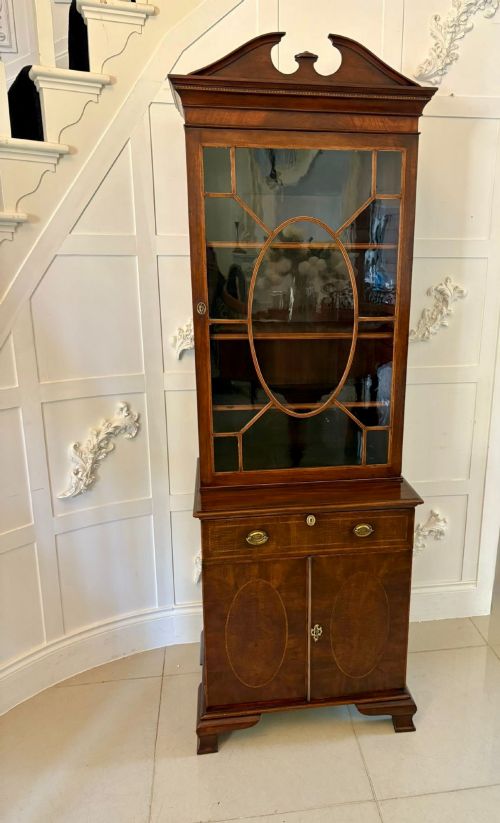

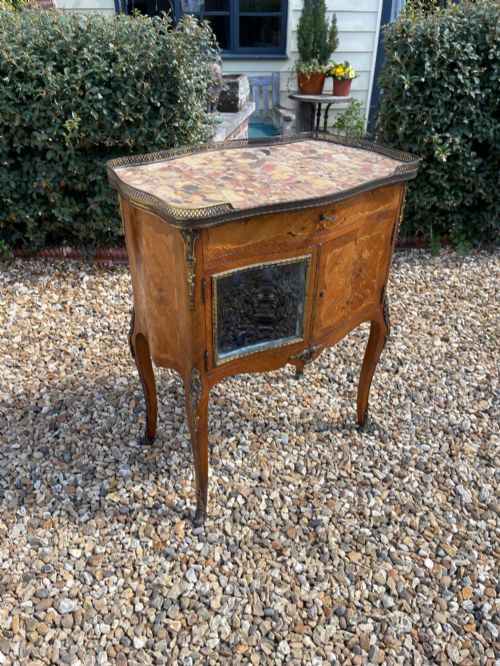


Decorative Glazed Cabinet
These decorative glazed cabinet pieces bring glass-fronted elegance to any room, offering a disciplined way to display prized possessions.

Decorative Glazed Cabinet
When you search for a decorative glazed cabinet, you are looking at furniture designed to display ceramics, books, or small objects behind glass. The selection ranges from Victorian mahogany and burr walnut examples to French Directoire vitrines and Edwardian pier cabinets.
You will encounter display cabinets, side cabinets, and bookcases spanning the nineteenth century up to the Art Deco period. Many incorporate stylistic revivals such as Chippendale, Sheraton, and French Rococo.
The form exists primarily to protect delicate contents from dust while keeping them visible. Cabinets often feature intricate wood inlays, brass ormolu mounts, or glazed doors to frame the items kept inside.
How they were made
Cabinet makers utilised dense timbers such as mahogany, walnut, and satinwood, frequently applying detailed wood inlays to the exterior surfaces. Frameworks were constructed to support glazed doors and side panels securely.
Metal elements including brass mounts and ormolu were cast and applied to enhance the structural framing of French and Victorian designs. Glass panes were fitted into timber doors to create clear viewing areas for display.
Miniature vases from the Meiji period sit comfortably alongside grand French armoires, proving good display comes in all scales.
What varies in quality
The distinction between tiers rests on the precision of the timber work and the complexity of the secondary materials utilised. Refined examples display careful matching of grain patterns, such as burr walnut or satinwood veneers, alongside crisp inlay work.
Mounts and hardware also dictate the standard of the piece, with heavy, well-chased brass ormolu indicating superior manufacture compared to simpler cast alternatives. The integration of glass panels and the structural integrity of the timber frame complete the assessment.
Edwards & Roberts·John Ridgway·Clarice Cliff·Chosei
The Decorative Glazed Cabinet Glossary
- Vitrine
- A glass-fronted display cabinet used primarily for showcasing porcelain, curiosities, and small decorative items.
- Ormolu
- Gilded bronze mounts applied to furniture, frequently seen on nineteenth-century French pieces.
- Pier cabinet
- A low cabinet designed to fit against the wall space between windows.
- Inlay
- A technique where contrasting woods or materials are inserted into the primary timber surface to form decorative patterns.
- Boulle
- A form of marquetry utilising tortoiseshell and brass, popular in nineteenth-century decorative furniture.
Decorative Glazed Cabinet: Frequently Asked Questions
Where should I place a display cabinet?
These cabinets suit reception rooms, drawing rooms, or hallways where natural light can strike the glass doors. Ensure the floor is level so the timber frame and doors remain properly aligned.
Keep the piece away from direct sunlight and strong heat sources to protect antique wood finishes and interior displays.
How do I clean the glass and wood?
Dust the timber surfaces regularly with a dry, soft cloth to prevent particulate buildup. Avoid silicone-based polishes which can damage historic polish layers.
Use a mild glass cleaner applied to a cloth rather than directly onto the glass, ensuring moisture does not seep into the timber joints.
Can these cabinets hold heavy books?
Most display and pier cabinets are intended for porcelain, small ornaments, or lighter volumes rather than heavy reference libraries. Check the interior shelf construction before loading weighty items.
Bookcases within the selection are structurally reinforced for heavier burdens, whereas vitrines prioritise delicate display over robust load-bearing capacity.
How do I identify a Victorian piece?
Victorian cabinets often utilise dense timbers like mahogany and walnut, frequently accented with satinwood inlays or burr veneers. Construction techniques from this era typically show hand-cut joinery and traditional polishing methods.
Stylistic influences during the period ranged from heavy revival designs to lighter French-inspired vitrines with brass mounts.