


Decorative Glass Pairs
These decorative glass pairs span Victorian vases to Edwardian mirrors, offering matching symmetry and fine craftsmanship for any interior.
Decorative Glass Pairs
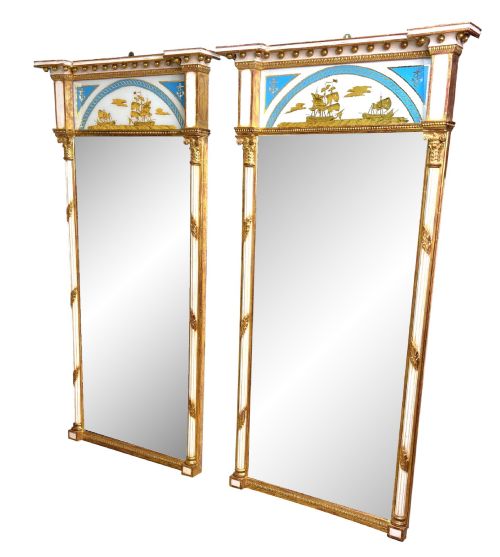
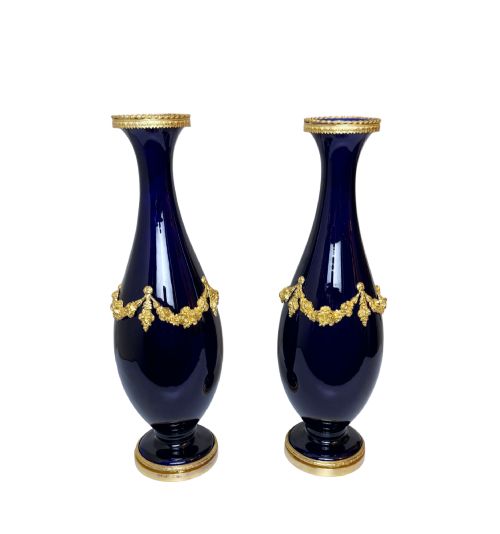
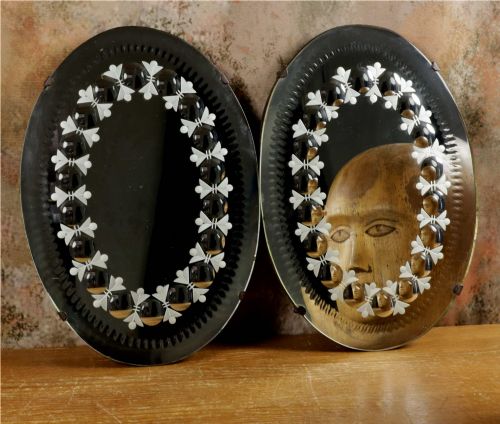
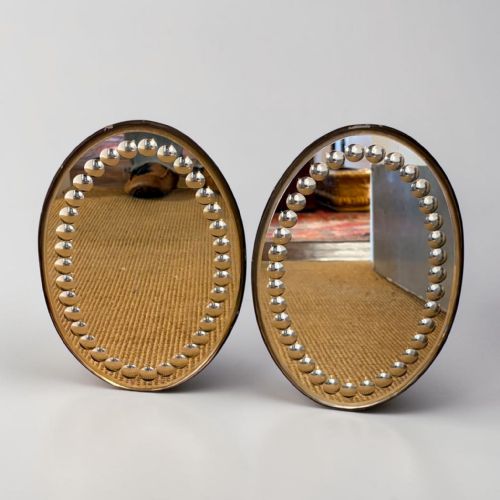
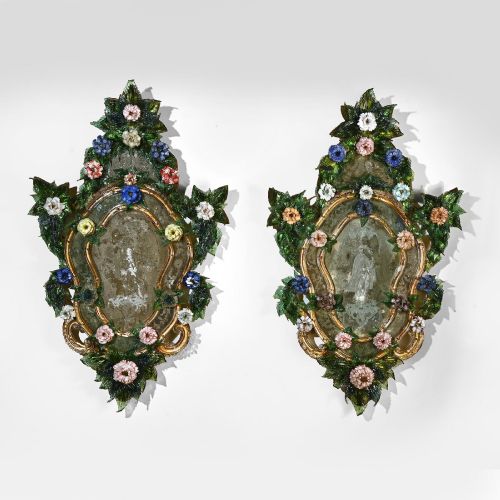
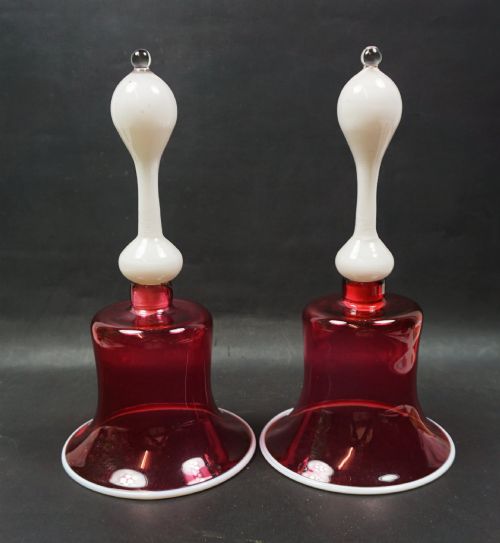
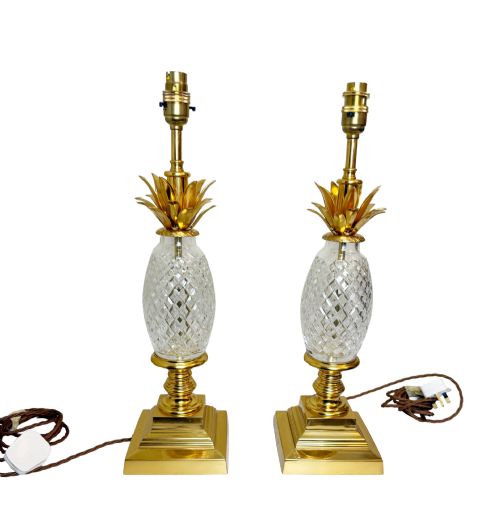
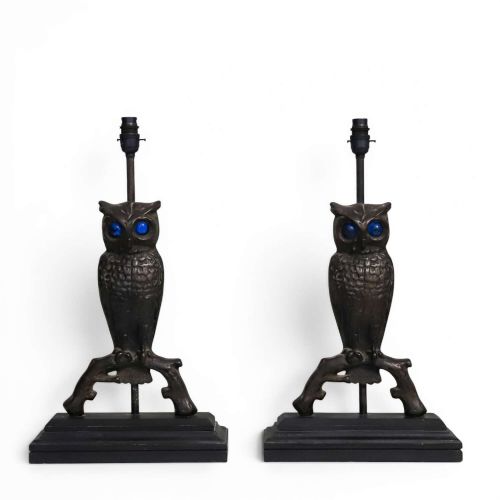
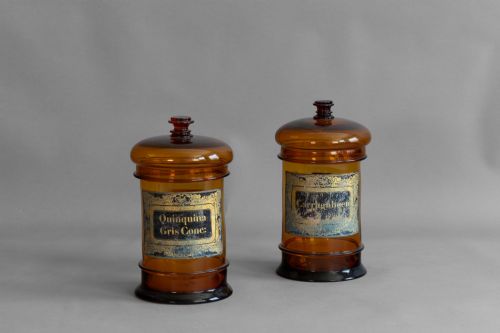
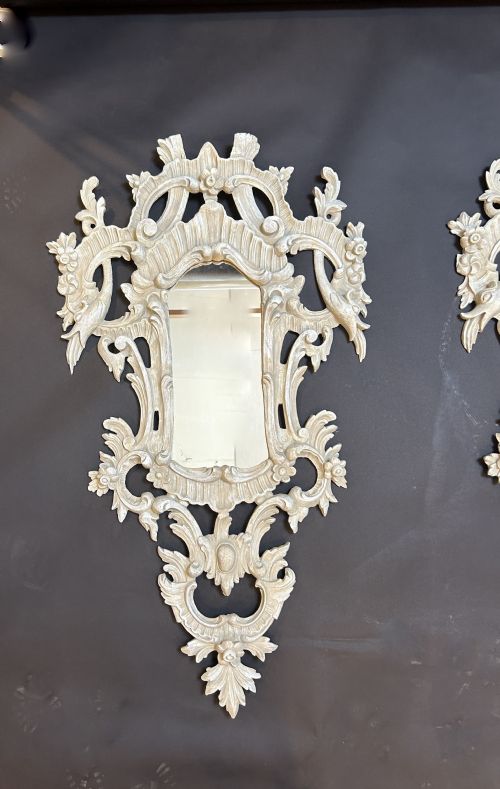
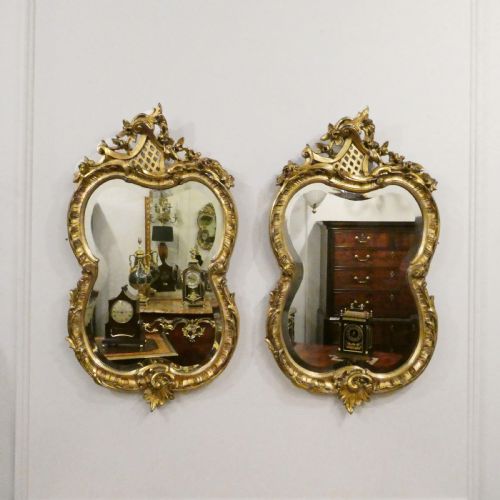
Decorative glass pairs consist of matching items created in tandem, predominantly taking the form of wall mirrors, vases, table lamps, and bells. You will frequently encounter Victorian and Edwardian examples alongside pieces from the nineteenth and early twentieth centuries.
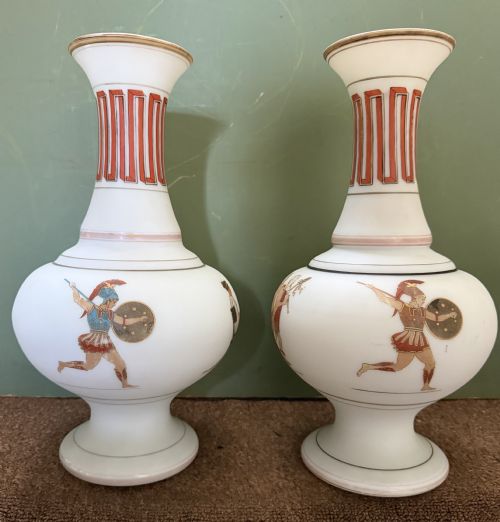
The selection ranges from functional items like door handles and claret jugs to purely ornamental pieces such as opaline vases and sorcerer mirrors. Many originate from British, French, and Bohemian workshops, reflecting diverse regional tastes in glass manufacture.
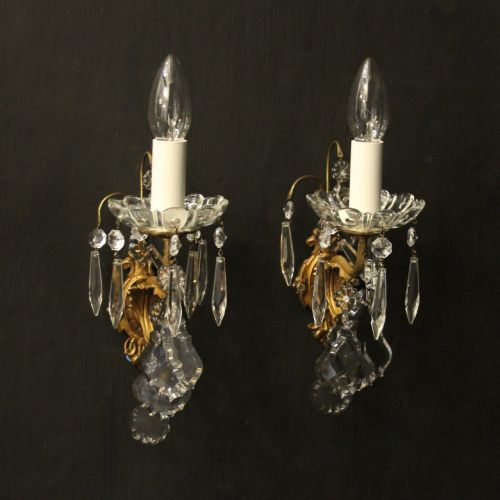
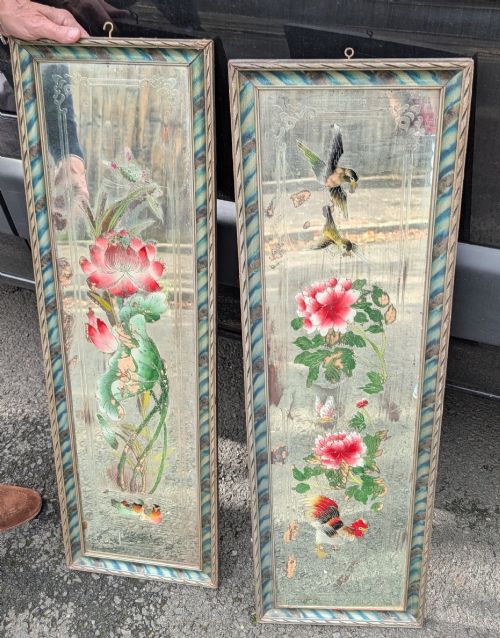
Symmetry defines these pairs, whether they are displayed as mantel garnitures, window panels, or matched wall sconces. Each grouping preserves a uniform design scheme conceived by the maker.
How they were made
Makers utilised molten glass techniques including blowing, casting, and moulding, often combining the primary material with brass, giltwood, bronze, or gesso mounts. Coloured glass variants incorporate mineral oxides to achieve hues like cranberry, ruby, amber, and deep blue.
Surface ornamentation involved hand-painting, acid-cutting, etching, and gilding. Enamel work and applied glass details added textural contrast to vases and bells.
Structural elements such as frames and stands were constructed from cast iron, carved wood, or cast brass to support heavier glass components like mirrors and carboys.
Decorative Glass Pairs Retail Price Guide 2026
Typical asking prices for decorative glass pairs among the pieces listed under this phrase on Sellingantiques today, from the lower quarter to the upper quarter. They describe what is for sale here now, not the wider market.
Listings feature glass, brass, gesso, wood, giltwood, enamel, opaline glass, and mirror glass across the nineteenth and early twentieth centuries.
What varies in quality
The sophistication of the glasswork dictates the standing of a piece, observable in the clarity of cut crystal, the precision of acid-etched motifs, and the depth of coloured glass layers. Triple cased glass and intricate cameo carving represent higher levels of artisan skill.
Mounts and frames contribute significantly to the overall standard, distinguishing simple utilitarian items from luxury salon pieces. Hand-carved giltwood, finely chased ormolu, and substantial brass mounts elevate the execution of the paired objects.
The preservation of original hand-painted vignettes, gilding, and surface finishes maintains the integrity of the work. Pairs that retain matching hues and uncompromised surface detail demonstrate superior survival.
Baccarat·Stevens & Williams
The Decorative Glass Pairs Glossary
- Opaline glass
- An opaque, pale glass developed in the nineteenth century, frequently tinted in pastel shades and utilised for decorative vases and tableware.
- Sorcerer mirror
- A convex mirror designed to distort reflections playfully, also known as a witching mirror or toad glass.
- Jack in the pulpit vase
- A nineteenth-century glass vase style featuring a wide, ruffled rim resembling a traditional pulpit canopy.
- Cased glass
- Glass composed of multiple distinct layers of different colours fused together, allowing carvers to cut through top layers to reveal contrasting hues underneath.
- Cornucopia
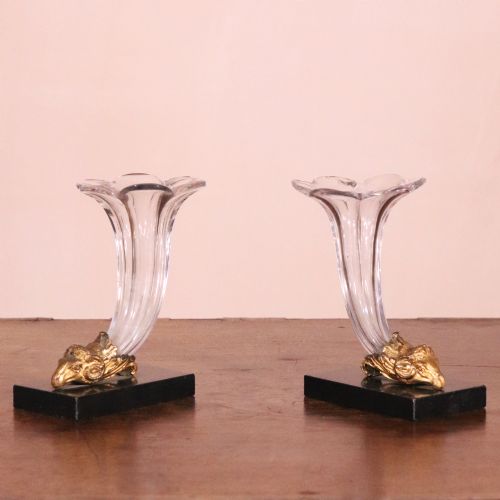
- A horn-shaped container symbolising abundance, often rendered in glass and bronze as an ornamental wall pocket or table ornament.
Decorative Glass Pairs: Frequently Asked Questions
What are decorative glass pairs used for?
These matched objects serve primarily as decorative mantel garnitures, flanking centrepieces, or balanced wall accents. Their symmetry brings visual equilibrium to interior spaces.
They also fulfill practical roles as table lamps, door furniture, and window panels while maintaining a cohesive design aesthetic.
How do I identify Victorian glass pairs?
Victorian pieces frequently display rich colours like cranberry, ruby, and cobalt blue, often combined with hand-painted floral or figural motifs. Common forms include jack-in-the-pulpit vases and hand bells.
Construction techniques from this era involve heavy mould-blown glass and applied glass details, occasionally paired with silver plating or brass.
Where were these glass pairs made?
The pieces originate from prominent European manufacturing centres, notably in Britain, France, and Bohemia. French workshops often produced opaline and gilt bronze combinations.
Bohemian and Venetian makers specialised in layered coloured glass, intricate gilding, and specialised mirror production during the nineteenth and early twentieth centuries.
How should I care for antique glass pairs?
Clean the glass surfaces gently with a soft, dry cloth or a slightly damp microfibre towel to preserve delicate gilding and painted vignettes. Avoid harsh chemical cleaners that might damage enamel or metal mounts.
Ensure that mounted items with brass or giltwood frames are kept in stable humidity conditions to protect the underlying materials.