



Decorative Glass Centrepiece Vase
These decorative glass centrepiece vase pieces bring rich colour and form to a table, combining striking glasswork with historic design.
Decorative Glass Centrepiece Vase
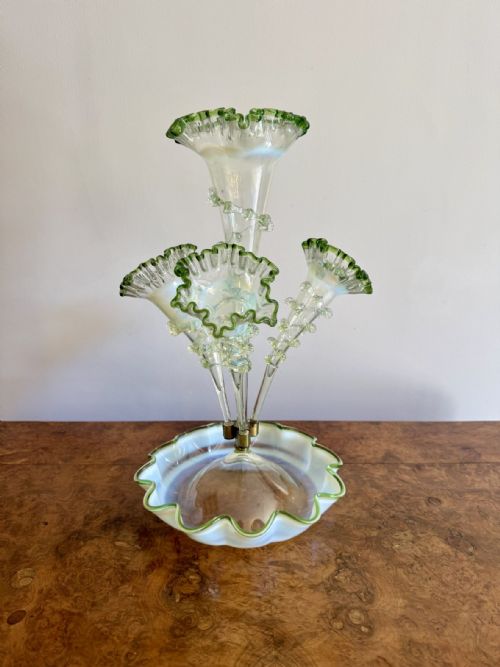
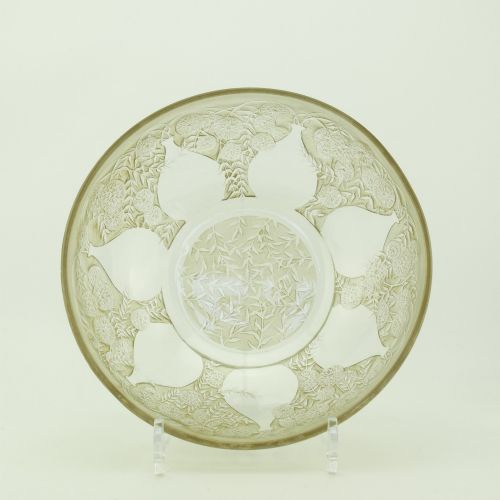
A decorative glass centrepiece vase serves as the visual anchor of a room, taking the form of large bowls, epergnes, baluster vessels and table centrepieces. When you search for a decorative glass centrepiece vase, you encounter pieces intended to command attention from the middle of a table or sideboard.
How they were made
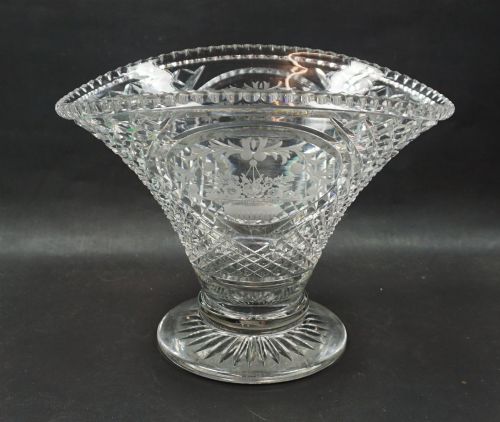
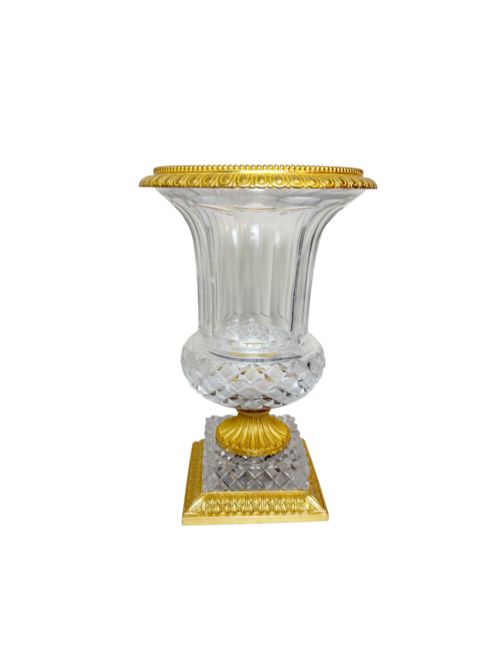
Makers utilised glass as the primary medium, often enhancing the material with gold leaf, enamel and silver plating to create rich surface decoration. Techniques range from deep engraving and cutting to achieving iridescent finishes and opalescent qualities.
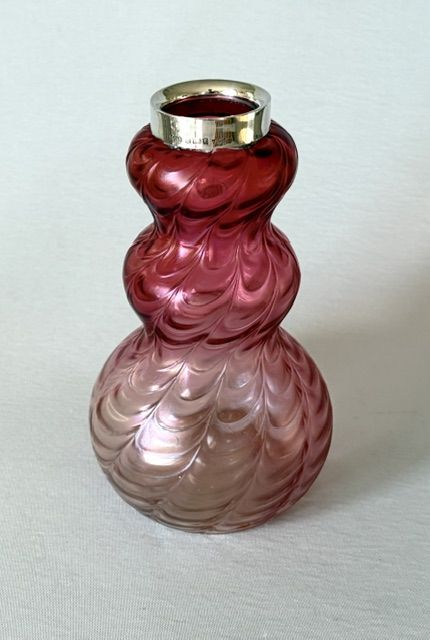
Vessels take shape through specialised glassblowing and moulding methods, resulting in lobed contours, baluster silhouettes and integrated animal decorations. Artisans combined these forming techniques with applied colourways, such as cranberry glass and multi-coloured peacock eyes.
Decorative Glass Centrepiece Vase Retail Price Guide 2026
Typical asking prices for decorative glass centrepiece vase among the pieces listed under this phrase on Sellingantiques today, from the lower quarter to the upper quarter. They describe what is for sale here now, not the wider market.
What varies in quality
The distinction between tiers rests upon the ambition of the design and the sureness of the execution, from simple moulded forms to complex multi-layered patterns. Master glassworks achieved subtleties in opalescence and iridescence that lesser workshops could not replicate.
The integration of precious elements like gold leaf and the crispness of engraved details separate standard production from exceptional examples. Weight, balance and the clarity of the crystal or glass body also determine the standing of a piece within its period.
Rene Lalique·Stuart·LCT Tiffany
The Decorative Glass Centrepiece Vase Glossary
- Opalescent glass
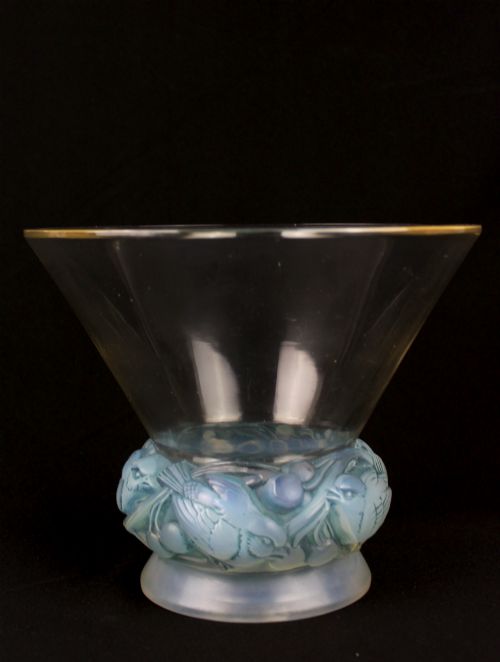
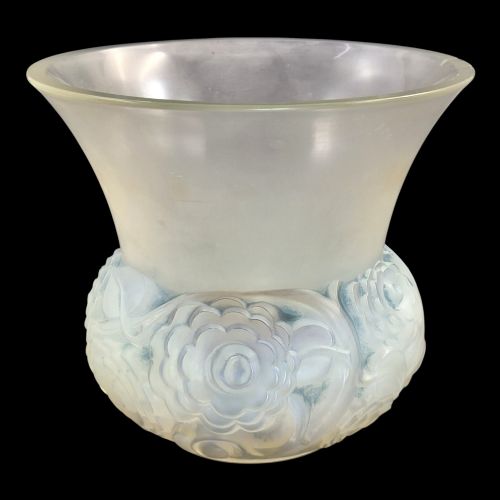
- Glass that diffuses light with a milky or pearlescent appearance, shifting tone according to the angle of illumination. This effect was favoured by twentieth-century makers to highlight moulded reliefs.
- Baluster vase
- A vessel form characterised by a swollen lower body tapering to a narrower neck, resembling an architectural baluster. This shape provides stability while displaying decorative patterns across a curving surface.
- Epergne
- A large table centrepiece featuring a central dish surrounded by multiple smaller hanging vases or branches. Victorian examples often utilise cranberry glass to create dramatic height and colour on a dining table.
- Iridescent glass
- Glass treated with metallic oxides to produce a rainbow sheen that reflects shifting colours in the light. This shimmering finish defines many Art Nouveau pieces.
- Enamel
- Opaque glass paste applied to the surface of a vessel and fired to fuse with the body. It adds raised colour and pattern to the glass.
Decorative Glass Centrepiece Vase: Frequently Asked Questions
What is a centrepiece vase?
A centrepiece vase is a large decorative vessel designed to sit in the middle of a table or dining surface, catching the eye from every angle.
These pieces often combine substantial bowls or baluster shapes with elaborate surface treatments, serving as both functional holders and standalone displays.
How do I date these vases?
Dating relies on observing stylistic markers, such as the flowing organic lines typical of Art Nouveau or the geometric symmetry associated with Art Deco.
Materials, manufacturing techniques and specific colourways also point toward particular decades, from Victorian cranberry glass to twentieth-century opalescent styles.
Where were these pieces displayed?
Historically, these grand vessels occupied the centre of dining tables, large sideboards and entrance halls where guests could admire them.
Their substantial size and decorative presence made them focal points for formal entertaining in Victorian and twentieth-century homes.
How do I care for antique glass?
Antique glass requires gentle cleaning with lukewarm water and a mild detergent, avoiding harsh abrasives that might damage delicate surface finishes.
Care should be taken with pieces featuring added gold leaf, enamel or silver plating to preserve the integrity of the decoration.