




Decorative Garden Planters
These decorative garden planters bring architectural presence to outdoor spaces, offering enduring form and practical utility for planting.
Decorative Garden Planters
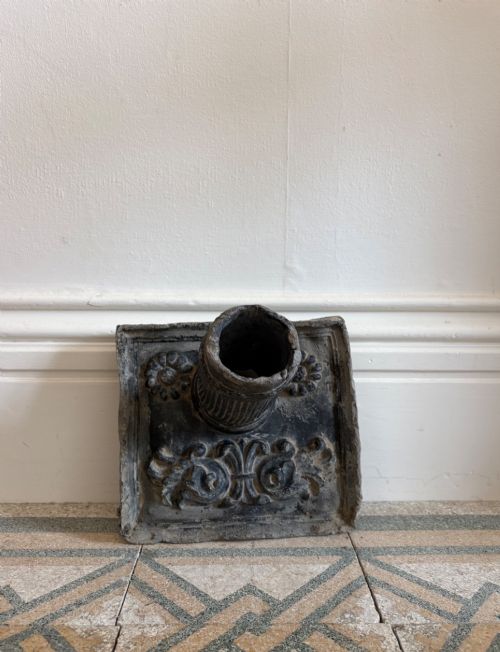
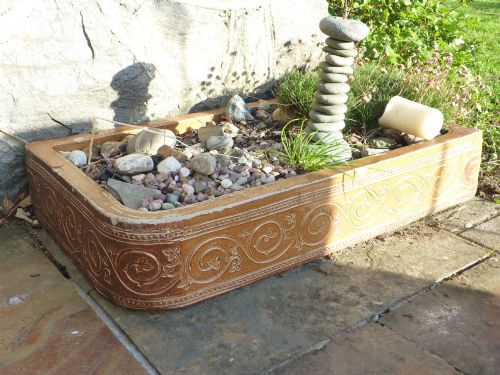
Decorative garden planters encompass heavy metal urns, troughs and pedestal stands designed to hold foliage and flowers in formal gardens or on terraces. These items bridge architectural salvage and horticulture, serving as focal points within grounds and courtyards.
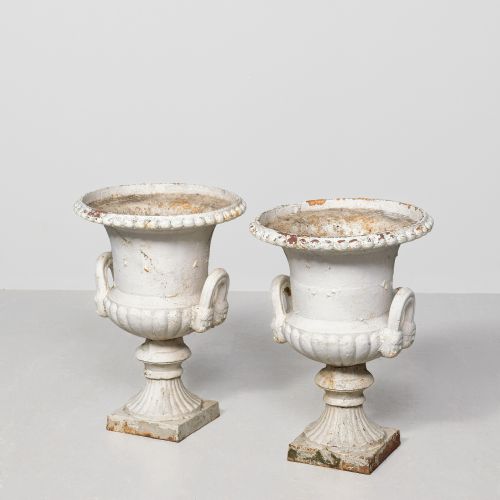
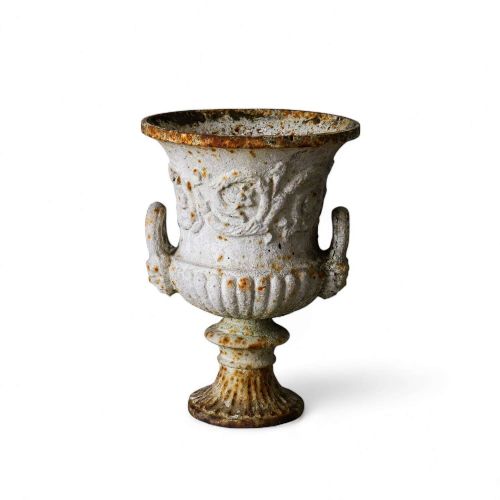
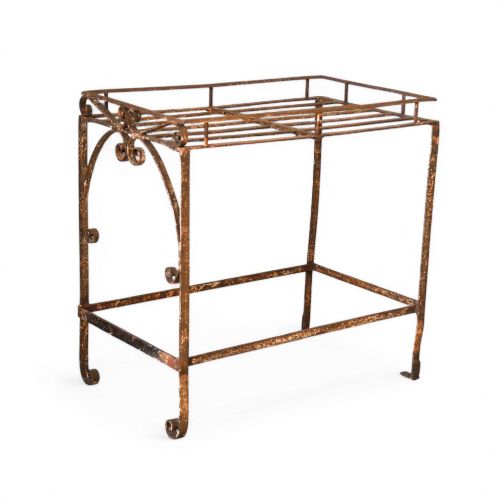
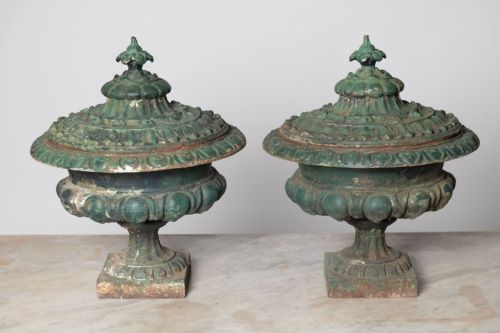
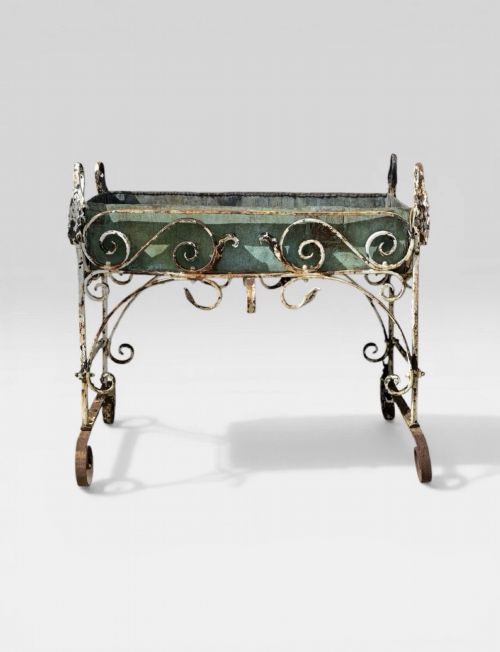
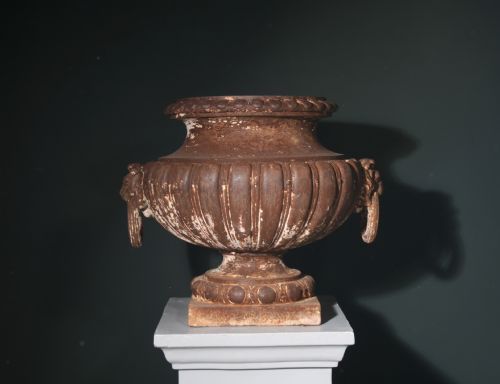
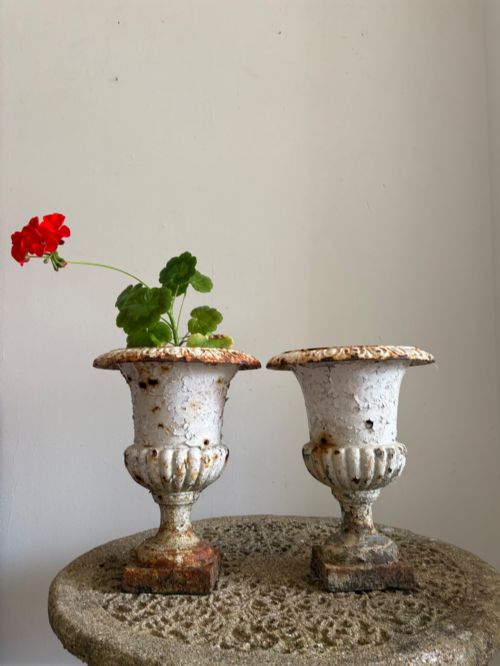
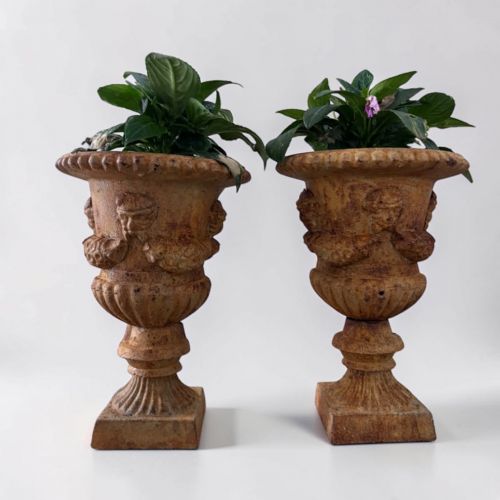
The pieces on this page are most commonly cast iron urns from the nineteenth century, including Campagna and tazza shapes. Alongside these metal forms, buyers encounter terracotta vessels, salt-glazed stoneware troughs and wrought iron plant stands dating from the Georgian period through to the Edwardian era.
What varies in quality
Quality rests in the crispness of the casting and the depth of the ornament, where sharp relief work distinguishes foundry output from worn secondary copies. The integrity of the original material matters significantly, particularly in cast iron and lead where surface weathering should appear natural rather than structurally compromised.
Proportion and scale dictate the success of a piece, with balanced pedestals and well-matched pairs holding greater architectural weight. Surviving original elements such as matching lids, pedestals, or untouched historic paint surfaces elevate the standing of an individual vessel.
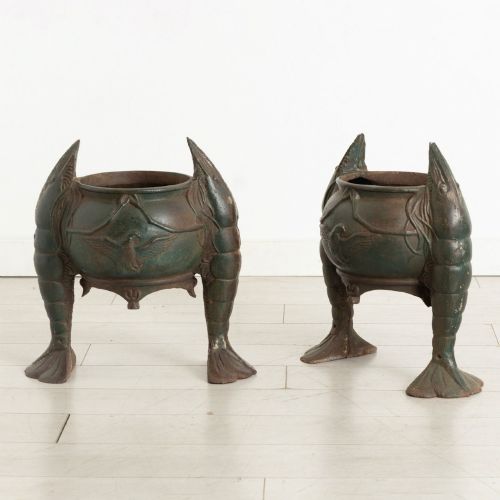
Among the heavy ironwork, one nineteenth-century pair takes the literal form of marine shrimp.
VAL D'OSNE FOUNDRY·Andrew Handyside·Guichard Carriès
The Decorative Garden Planters Glossary
- Campagna urn
- A bell-shaped garden vessel with a flared rim and footed base, popular in classical and nineteenth-century garden design. This form derives from ancient Roman marble excavations.
- Tazza
- A shallow bowl-shaped vessel raised on a stem and foot, frequently utilised as a garden urn or planter. These pieces display classical proportions.
- Salt-glazed stoneware
- Ceramic pottery fired at high temperatures with salt introduced into the kiln, producing a dense, glassy texture. This impermeable material resists frost.
- Terracotta
- Fired unglazed clay ranging in colour from orange to buff, traditionally used for pots, chimney pots and garden jars. Porous bodies allow plant roots to breathe.
- Wrought iron
- Iron beaten into shape by hand using tools, known for its fibrous structure and resilience in structural garden supports and plant stands.
Decorative Garden Planters: Frequently Asked Questions
How do I care for cast iron planters?
Cast iron planters benefit from seasonal inspection and periodic repainting with suitable exterior metal paint to inhibit rust. Keeping drainage holes clear prevents trapped water from expanding during freezing weather.
Positioning heavy iron vessels on brick or stone feet stops direct contact with damp soil, reducing moisture retention at the base.
Are terracotta planters frost proof?
Terracotta vessels vary in density and firing temperature, meaning some absorb more moisture than others. Lifting pots onto pot feet during winter allows water to drain freely and minimises frost cracking.
Moving vulnerable antique earthenware into an unheated greenhouse or porch through the coldest months provides additional protection.
How do I date a garden urn?
Dating relies on material composition, casting technique, and stylistic markers such as neoclassical motifs or Victorian proportions. Foundry marks and stamps, when present, offer specific attribution.
Wear patterns, weathering depth and the composition of historic paint layers further indicate the age of metal and ceramic pieces.
Can lead planters stay outside year round?
Lead garden planters withstand extreme weather conditions naturally without requiring indoor storage. The metal develops a protective stable grey patina over decades of exposure.
Their substantial weight also provides stability against high winds in exposed garden locations.