




Decorative Floral Dish
A decorative floral dish brings hand-painted blooms and botanical charm directly to a table or cabinet.
Decorative Floral Dish
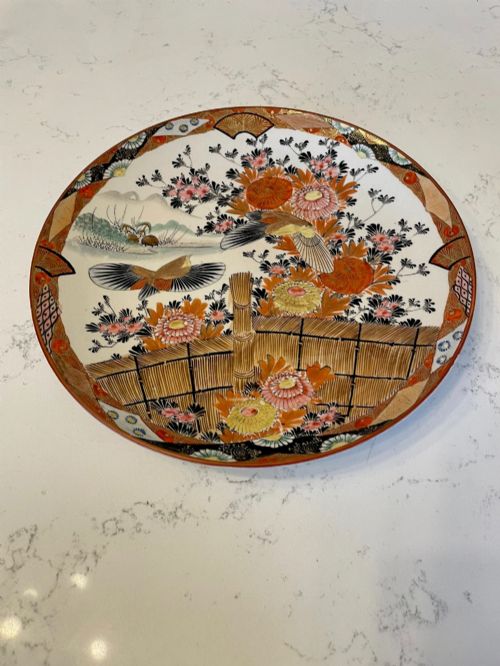
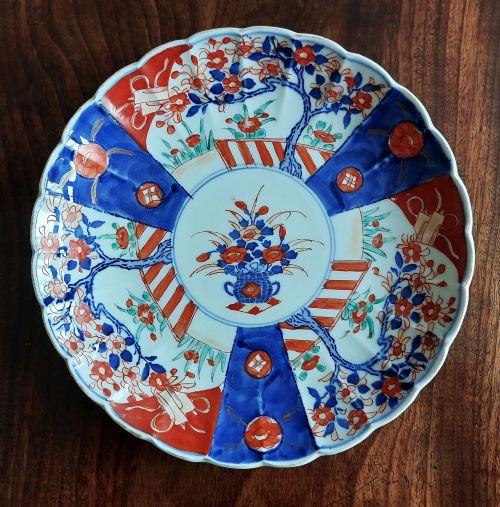
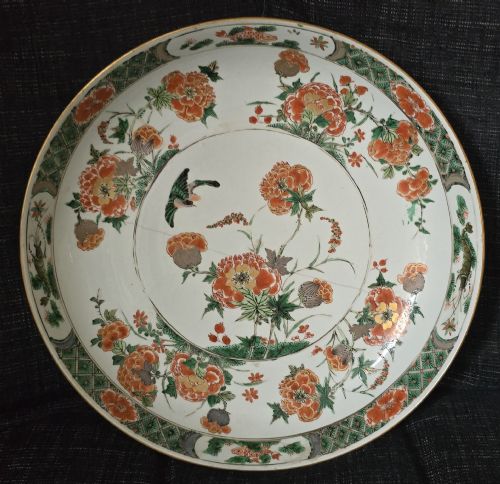
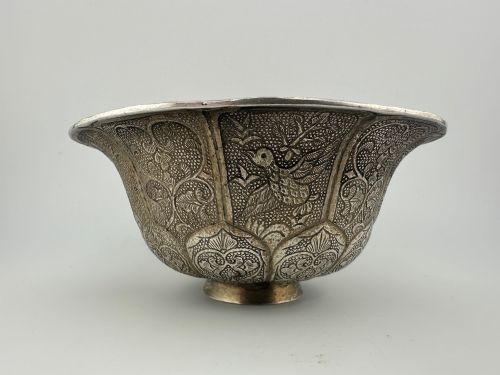
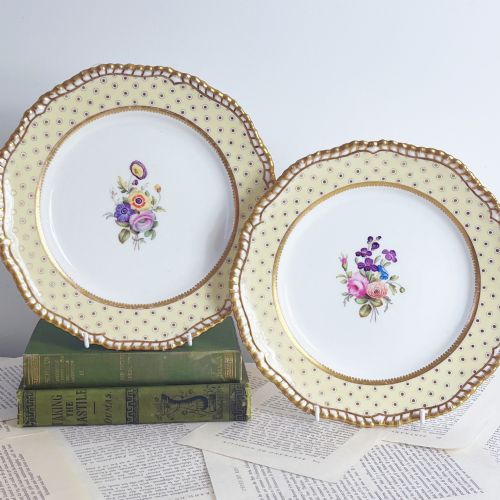
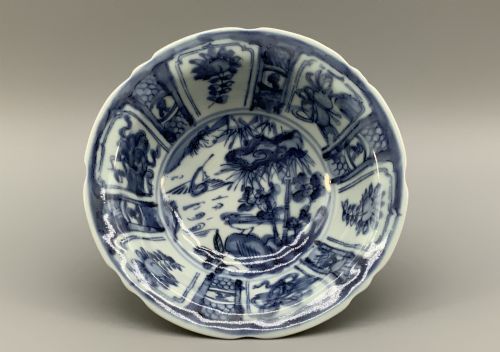
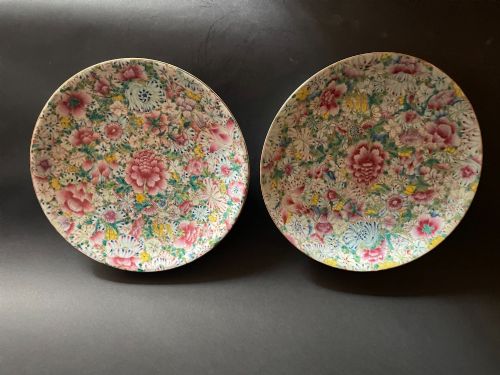
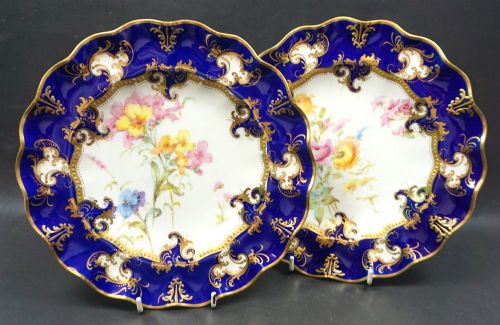
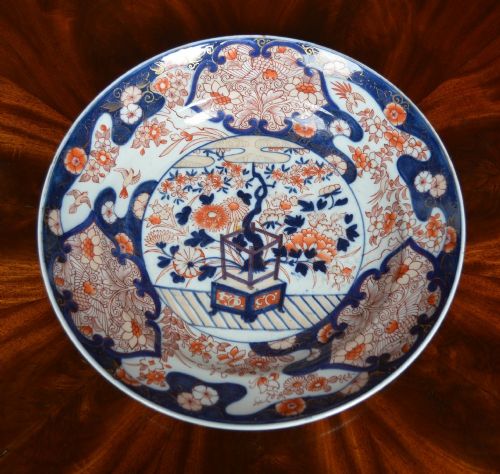
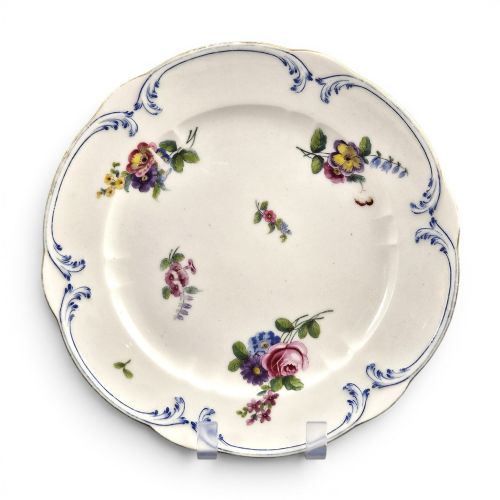
A decorative floral dish encompasses various serving vessels, plates, and chargers adorned with botanical motifs. When searching this phrase, buyers encounter examples ranging from 18th-century European porcelain to Meiji period Japanese Imari wares. The selections vary from cabinet plates designed purely for display to substantial chargers and bowls.
The objects originate from diverse traditions, notably English factories, French porcelain houses, and East Asian workshops. Pieces appear across multiple periods, including the Victorian era, the 19th century, and the early 20th century. These items were created for both practical use and decorative appreciation in period interiors.
How They Were Made
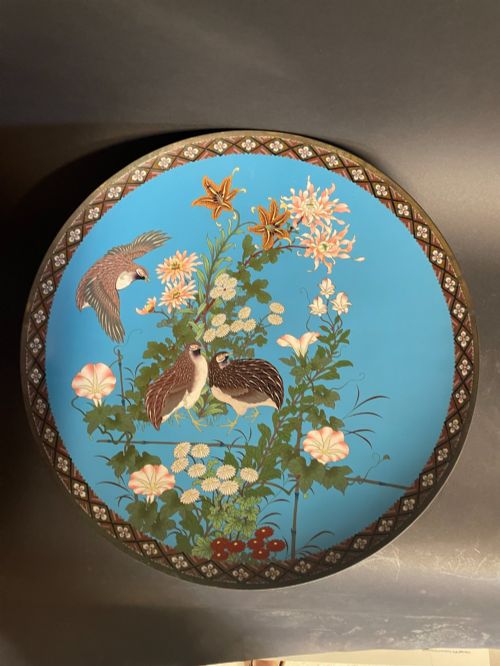
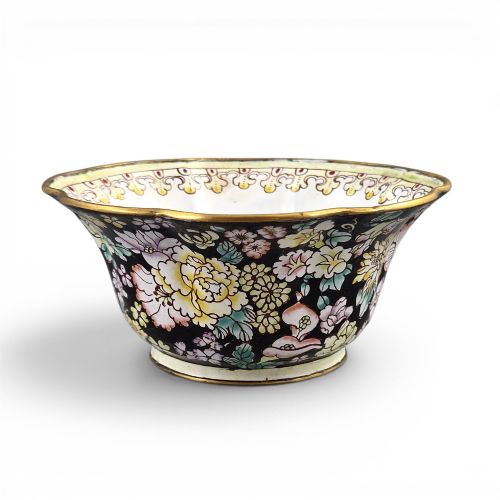
Potters and artisans utilised ceramic, porcelain, and ironstone as the primary bases for these pieces, shaping them into plates, bowls, and scalloped chargers. Decoration relied heavily on hand-painted enamel, glaze, and occasionally gold leaf or gilding to highlight the floral patterns. Techniques such as cloisonné on copper and moriage relief work also appear among the listed items.
Manufacturing methods varied by region, combining traditional Eastern firing techniques with European hard-paste and soft-paste porcelain production. Specialised painters executed intricate bird, butterfly, and botanical designs directly onto the surface before a final glaze firing fixed the pigments.
Listings feature porcelain, ceramic, enamel, and copper pieces spanning the 18th, 19th, and early 20th centuries.
What Varies in Quality
The refinement of the hand-painted brushwork distinguishes standard items from superior examples. Master artists achieved finer detail in floral petals, foliage, and accompanying wildlife subjects like birds and butterflies.
The choice of materials and the complexity of the body shape also dictate the standing of a piece. Scalloped edges, applied relief details, and intact gilding or gold leaf demonstrate superior craftsmanship during production.
Spode Felspar·Royal Crown Derby·Royal Doulton·John Davenport·Mann Co
The Decorative Floral Dish Glossary
- Charger
- A large decorative plate or dish traditionally used for display rather than dining. These substantial pieces often showcase complex hand-painted scenes.
- Imari
- A traditional Japanese style of porcelain characterised by a palette of blue, iron red, and gold. Items in this style frequently feature intricate floral and geometric panels.
- Cloisonne
- A decorative metalwork technique where compartments are created using wire and filled with enamel paste. These dishes display vibrant floral patterns separated by delicate metal lines.
- Moriage
- A Japanese ceramic technique using raised slip to create textured, three-dimensional decorative elements. This method adds tangible depth to depictions of flowers and foliage on vessels.
- Cabinet plate
- A decorative ceramic plate intended for display in a cabinet or on a wall rather than everyday use. These items typically feature higher artistic execution and delicate painted subjects.
Decorative Floral Dish: Frequently Asked Questions
What is a decorative floral dish?
A decorative floral dish is a ceramic or porcelain plate, bowl, or charger adorned with hand-painted plant and flower motifs. These items were produced across various centuries for display or light service in the home.
Today, collectors use them to add colour and historical interest to dining rooms and living spaces. Their designs reflect the aesthetic preferences of periods ranging from the Georgian era to the early 20th century.
How were these dishes used originally?
Many examples served practical roles as dessert plates, fruit bowls, or serving trays on formal dining tables. Others were made specifically as cabinet plates or chargers intended solely for ornamental display.
Over time, functional pieces transitioned into decorative objects as interior display habits changed. Their varied forms accommodated both dining utility and visual presentation.
How do I care for antique porcelain?
Antique porcelain and ceramic pieces require gentle handling and hand washing with mild soap when cleaning is necessary. Avoid submerging items with delicate gilding or enamel work in hot water for extended periods.
Display them away from direct sunlight and areas subject to sudden temperature changes. Stable placement on flat surfaces protects scalloped edges and fragile footed bases from accidental damage.
How do I identify different periods?
Period identification relies on observing the ceramic body, glaze characteristics, and the style of the painted decoration. Maker marks on the underside provide definitive clues regarding the factory and production era.
Stylistic shifts, such as the transition from Rococo revival forms to Meiji period motifs, also help date individual items. Comparing the brushwork and material composition against known examples clarifies the timeline.