




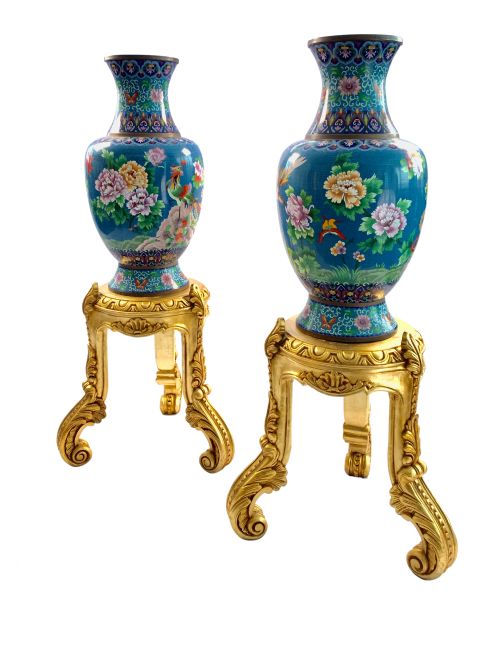


Decorative Floor Vase
A decorative floor vase brings height and presence to a room, offering a grand scale through porcelain, earthenware, bronze, and enamel forms.
Decorative Floor Vase
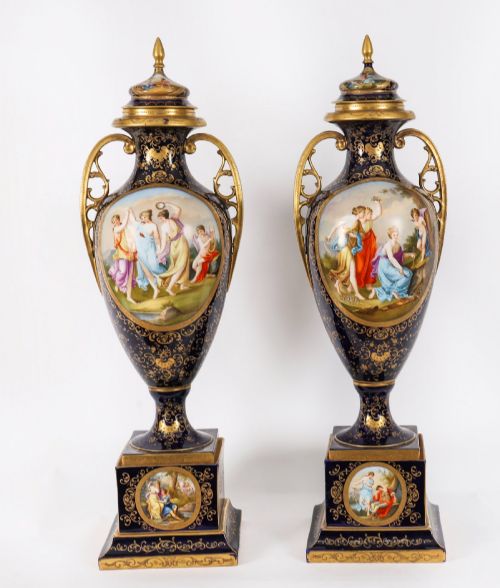
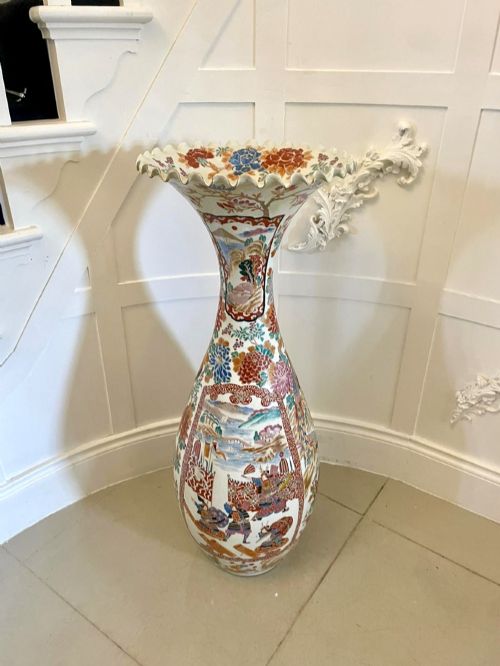
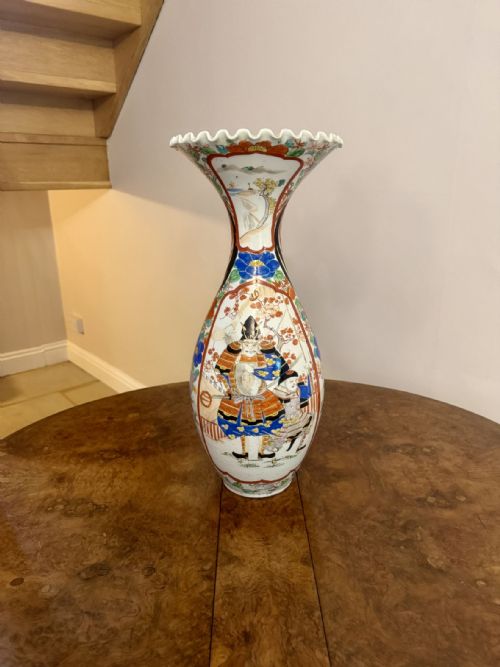
A decorative floor vase stands out through its imposing scale, frequently reaching heights well beyond standard table vessels. These substantial pieces include Japanese Imari and Satsuma wares, Chinese export and Qing dynasty works, and European examples from the Victorian and Art Nouveau periods.
Materials and construction
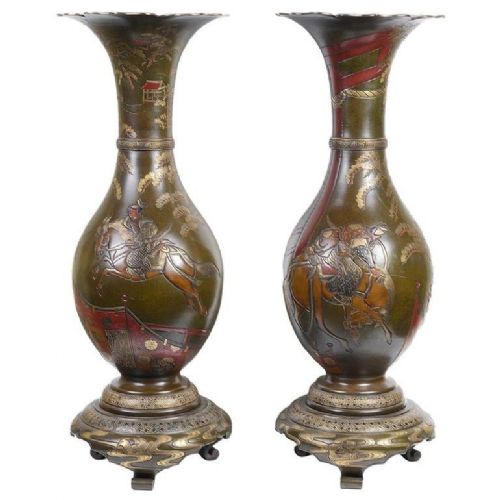
Makers shaped these large vessels from porcelain, earthenware, and copper, applying hand-painted pigments, enamel, and gold leaf for surface richness. Cloisonné examples employ intricate wirework cells filled with coloured enamel pastes, while others integrate lacquer panels over wood or metal bases.
Firing pieces of this magnitude required advanced kiln technology to prevent warping during high temperatures. Artisans then mounted heavy earthenware or porcelain bodies on dedicated stands to ensure stability for tall floor-standing displays.
Decorative Floor Vase Retail Price Guide 2026
Typical asking prices for decorative floor vase among the pieces listed under this phrase on Sellingantiques today, from the lower quarter to the upper quarter. They describe what is for sale here now, not the wider market.
Some towering temple vases stand taller than the average person, requiring dedicated wooden stands just to keep their dignity.
Assessing quality and execution
Quality rests in the precision of the hand-painted detail and the crispness of applied enamel, gold leaf, and lacquer work. Superior pieces demonstrate balanced symmetry across monumental heights, avoiding the slumping or surface distortion common in ambitious large-scale firings.
The refinement of decorative motifs, such as intricate phoenix, bird, and floral scenes, separates standard production from exceptional studio output. Signed works by recognised makers command attention through disciplined brushwork and superior material density.
Kinkozan
The Decorative Floor Vase Glossary
- Imari
- A style of Japanese export porcelain characterised by a distinctive palette of underglaze blue and iron red, frequently heightened with gold. Artisans produced these bold patterns for international markets throughout the nineteenth century.
- Satsuma
- Earthenware pottery featuring a fine crackle-glaze and elaborate polychrome enamel designs often enriched with gold leaf. These decorative vessels frequently depict figurative scenes and traditional Japanese motifs.
- Cloisonne
- Enamelling technique where thin metal wires form raised partitions on a copper or bronze base to hold coloured pastes before firing. This method creates vibrant, patterned surfaces across large palace vases.
- Famille Rose
- A palette of Chinese ceramic glazes dominated by opaque pink or rose enamel, introduced during the Qing dynasty. This coloration allowed artists to render delicate floral and human subjects with subtle tonal gradations.
- Ewer
- A large jug with a wide spout and handle, designed for decorative display or pouring. Victorian makers utilised earthenware and metal to produce monumental examples.
Decorative Floor Vase: Frequently Asked Questions
Where should I place a floor vase?
These large vessels suit wide hallways, grand reception rooms, and corners that require vertical emphasis. Their substantial height allows them to stand directly on the floor without competing with smaller furniture.
Ensure the vessel sits away from high-traffic pathways to protect the fragile enamel, lacquer, or porcelain surfaces from accidental impacts.
How do I clean a large antique vase?
Dust the exterior gently with a soft, dry cloth or a feather duster to remove surface particles. Avoid chemical cleaners and water, particularly on pieces finished with gold leaf, lacquer, or delicate enamel.
Check the stability of any supporting wooden stands before moving the piece, and lift the vase by its body rather than delicate handles or rims.
Can these vases hold water?
Most antique floor vases serve purely decorative purposes rather than functioning as practical plant containers. Historic ceramics and metalwork often feature unglazed interiors or construction methods that are not watertight.
Displaying dried stems or branches is acceptable, but direct moisture risks damaging historical glazes, interior linings, and underlying earthenware bodies.
How do I date a nineteenth century vase?
Examine the base, glaze characteristics, and decorative palette to identify period markers. Nineteenth-century pieces often reflect specific movements such as Victorian Arts and Crafts, Art Nouveau, or the Japanese Meiji period.
Compare the potting technique, weight, and signature styles against documented examples from makers working during the same decades.