






Decorative Enamel Jar
A decorative enamel jar brings vibrant colour and meticulous detail to any interior, spanning centuries of global craftsmanship.
Decorative Enamel Jar
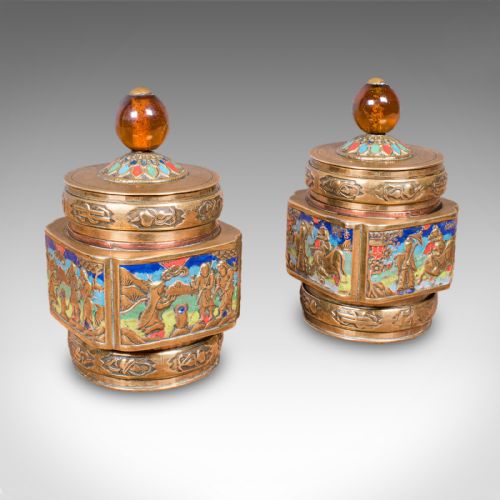
When searching for a decorative enamel jar, collectors encounter a diverse array of lidded containers, ginger jars, and tea caddies originating from various traditions. These vessels encompass pieces from 18th Century productions through to Edwardian and 1930s examples.
Forms range from compact spice pots and lidded gourd containers to monumental floor vases and apothecary jars. Buyers will frequently find pairs of lidded ginger jars and matched sets designed for display.
How they were made
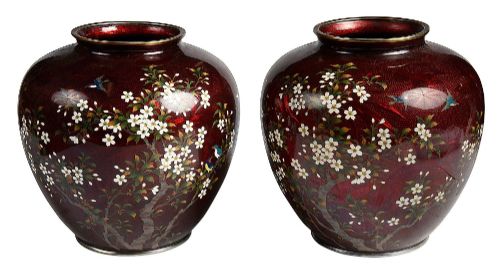
The creation of these objects relies on foundational materials such as brass, copper, porcelain, and glass, combined with enamel work, overglaze decoration, and gold leaf applications. Cloisonné pieces utilise fine wire soldered to metal bases to form cellular compartments for coloured enamel pastes.
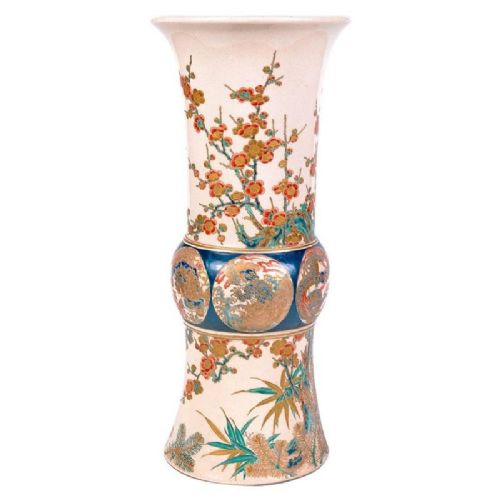
Porcelain and pottery variants employ hand-painted pigments and overglaze enamels fired to achieve rich polychrome surfaces, while glass versions incorporate delicate enamelling and gilding directly onto the blown body. Certain apothecary and storage examples integrate functional elements like cork stoppers.
Decorative Enamel Jar Retail Price Guide 2026
Typical asking prices for decorative enamel jar among the pieces listed under this phrase on Sellingantiques today, from the lower quarter to the upper quarter. They describe what is for sale here now, not the wider market.
Materials recorded across current items include enamel, brass, copper, porcelain, glass, gold leaf, overglaze enamel, and cork.
What varies in quality
Quality in these objects is determined by the precision and complexity of the enamel work, the clarity of the underlying metal, glass, or ceramic body, and the harmony of the palette. Superior examples demonstrate exceptionally fine wirework in cloisonné or highly accomplished brushwork in hand-painted ceramic pieces.
The crispness of the gilt details, the symmetry of the vessel form, and the preservation of the delicate enamel surfaces distinguish finer productions from standard decorative items.
The Decorative Enamel Jar Glossary
- Cloisonné
- A decorative metalwork technique where enamel paste is applied within compartments created by soldered wires. This method produces intricate geometric or pictorial patterns across vases and jars.
- Champlevé
- An ancient enamelling method where troughs are carved or etched into a metal surface to hold the coloured paste. The resulting design shows thick metal lines bordering vibrant enamel fields.
- Famille Rose
- A prominent palette of Chinese ceramic overglaze enamels introduced in the 18th century, dominated by opaque pink or rose colours. This style decorates many traditional baluster vases and ginger jars.
- Meiji Period
- The era of Japanese history lasting from 1868 to 1912, noted for exceptional output in decorative arts including fine cloisonné and Satsuma wares. Pieces from this time display extraordinary technical refinement.
- Opaline glass
- An opaque or translucent glass popular during the 19th century, often tinted in soft shades and finished with enamel and gilt decoration. It provides a smooth canvas for painted floral motifs.
Decorative Enamel Jar: Frequently Asked Questions
How do I care for a decorative enamel jar?
Keep these fragile vessels away from direct sunlight to prevent colour fading in the enamel and gilt surfaces. Dust gently with a soft, dry cloth and avoid liquid cleaners that might damage exposed metal or cork elements.
Display them on stable surfaces away from high traffic areas to protect delicate rims and lids. Handling them with clean, dry hands preserves the integrity of both the metallic and vitreous finishes.
Were cloisonne jars used for storage?
Many lidded vessels and tea caddies served as functional containers for spices, tea, or medicinal substances. Their tight-fitting covers helped protect contents from moisture and air.
Over time, these utilitarian objects transitioned primarily into decorative display pieces valued for their intricate craftsmanship and vibrant palette.
How can I distinguish between Chinese and Japanese cloisonne?
Japanese works from the Meiji period typically feature exceptionally fine, thin wirework and often depict naturalistic subjects like birds and flora with subtle colour gradations. The metal bases are frequently finished to a high, flawless polish.
Chinese pieces, such as those from the Qing Dynasty, often employ bolder wire outlines and a more robust overall construction with traditional symbolic motifs and dense geometric backgrounds.
What is an apothecary jar?
Apothecary jars were originally utilised in pharmacies and dispensaries to hold dried herbs, liquids, or medicinal preparations. These glass or ceramic containers often feature bold painted labels or distinctive coloured bodies.
In modern interior settings, they function as striking decorative focal points that showcase 19th-century manufacturing techniques and rich hues.