





Decorative Desk Ornaments
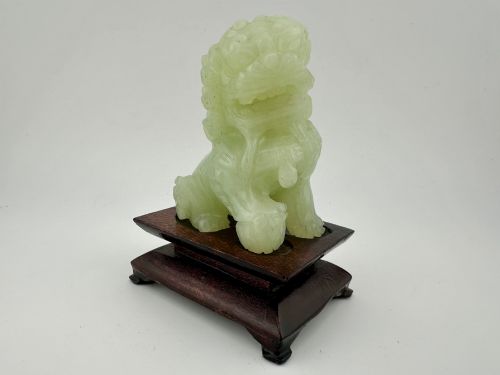
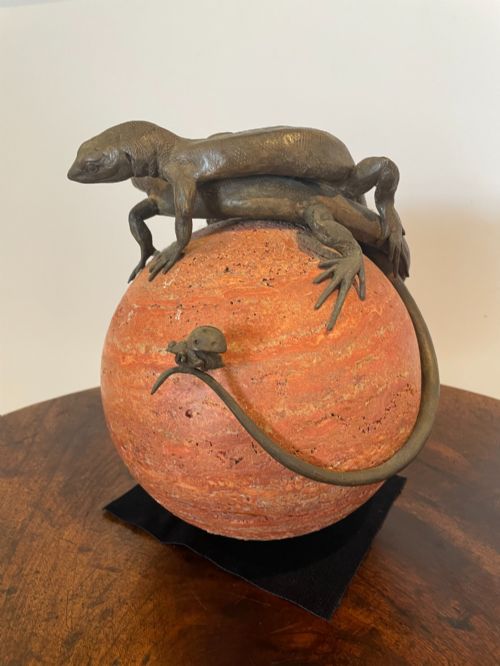
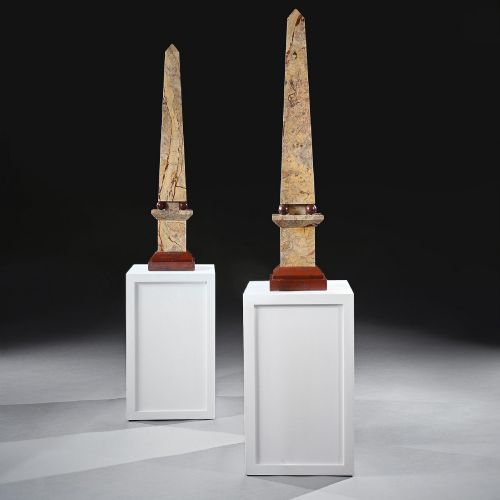
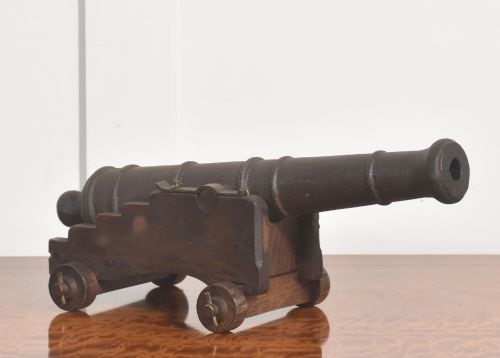
These decorative desk ornaments span bronze sculptures, marble obelisks and cast iron cannons, bringing character and function to any working surface.
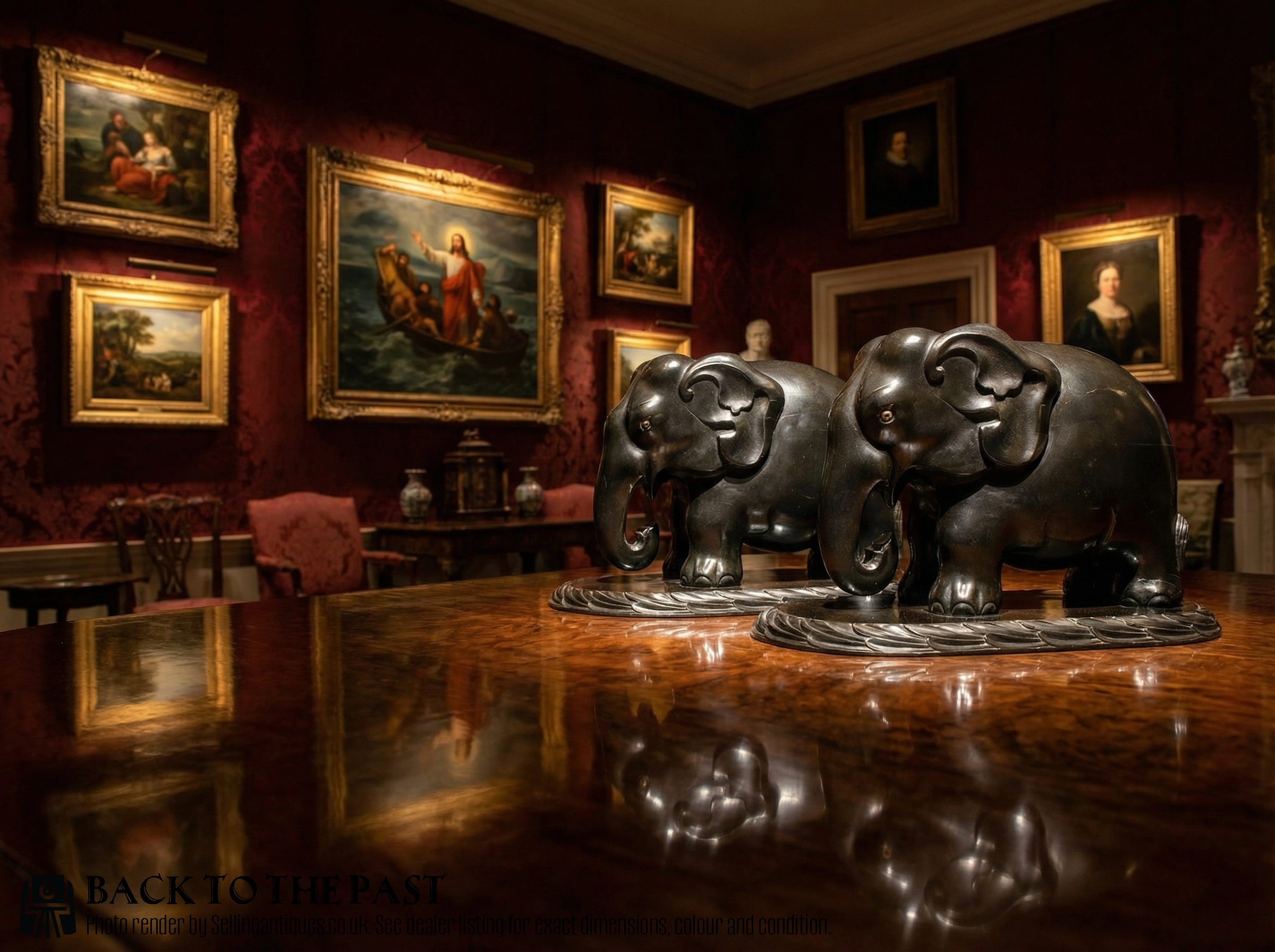
Decorative Desk Ornaments
Decorative desk ornaments encompass a diverse array of nineteenth and twentieth-century objects designed to populate workspaces and libraries. Buyers encounter everything from animalier bronzes and maritime models to marble obelisks and inkwells. These pieces reflect the tastes of Victorian, Edwardian and Art Deco periods, combining practical utility with sculptural presence.
Materials and construction
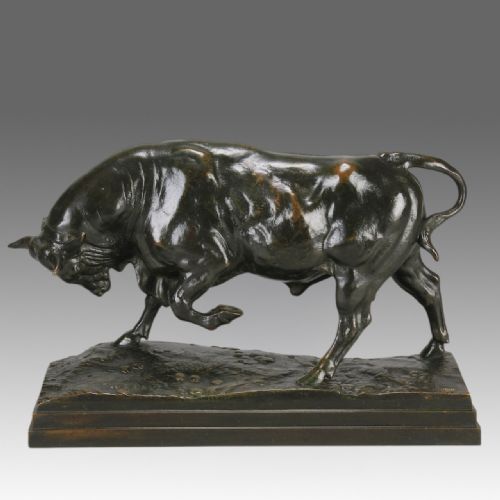
Metals form the backbone of these pieces, utilising bronze, brass, cast iron, and silver alongside gilt treatments and champlevé enamel. Founders cast bronzes using traditional lost-wax methods, frequently mounting the figures on heavy bases of marble, onyx, or alabaster to anchor them securely on a desk. Iron and brass components often display detailed casting and structural assembly.
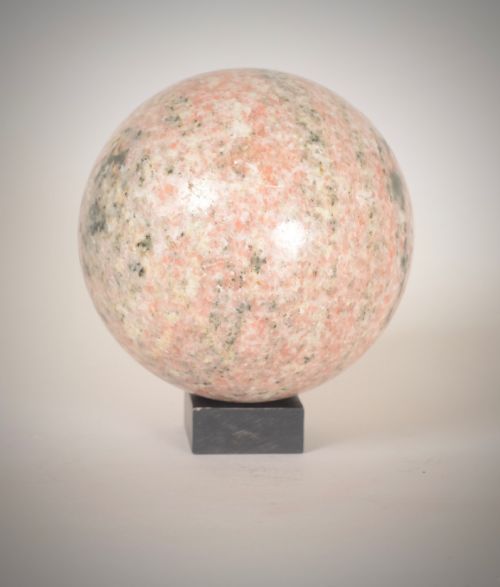
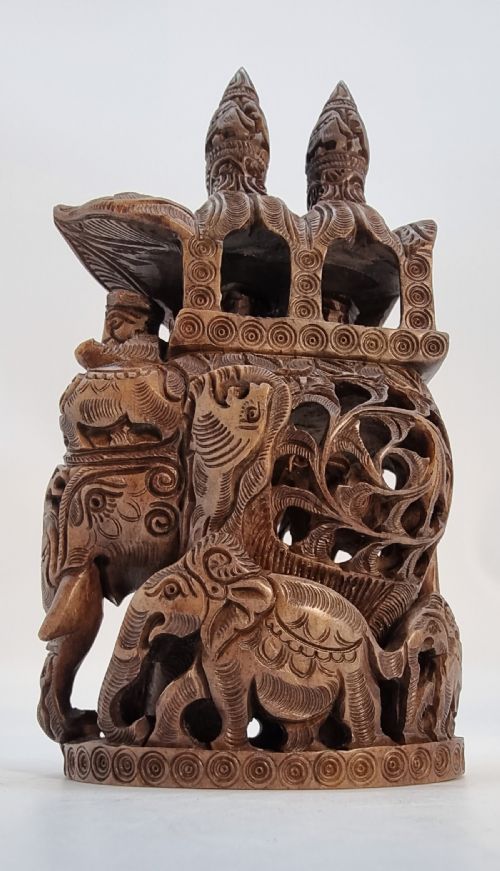
Stone and organic materials appear frequently in the form of carved marble obelisks, soapstone animal studies, and leather-covered models. Artisans worked specialised stones such as Portasanta, Rosso Antico, and Ashford black marble, turning and polishing them into geometric forms or mounting them as thermometer supports. Wood and carved ebony further expand the repertoire of tactile surfaces.
Decorative Desk Ornaments Retail Price Guide 2026
Typical asking prices for decorative desk ornaments among the pieces listed under this phrase on Sellingantiques today, from the lower quarter to the upper quarter. They describe what is for sale here now, not the wider market.
A tiny cabbage patch baby cast in nineteenth-century bronze serves as a diminutive desk weight alongside towering marble obelisks.
Judging quality
Quality rests primarily on the crispness of the casting and the fidelity of the carving. Superior animalier bronzes display muscular tension, fine fur rendering, and clean chasing after the metal leaves the mould. Inferior examples lose detail in softening contours and rely on heavier patination to mask shallow work.
Material selection and base integration dictate the upper tier of the range. Fine marbles, genuine onyx, and champlevé enamel demand superior technical skill compared to standard spelter and plain wood. The harmonious proportion between a sculptural figure and its stone or metal base separates mass-produced items from accomplished studio pieces.
Antoine Louis Barye·Edith Parsons·Barbedienne·Barwise London·Moreau
The Decorative Desk Ornaments Glossary
- Animalier
- A nineteenth-century artistic movement focusing on the realistic portrayal of animals, particularly in bronze. Sculptors in this tradition studied anatomy closely through observation at menageries.
- Champlevé
- An enamelling technique where troughs or cells are hollowed out of a metal surface and filled with vitreous enamel powder before firing. This method creates rich, colourful patterns against a polished metal framework.
- Obelisk
- A tall, four-sided, narrow tapering monument which ends in a pyramid-like shape at the top. On Victorian and Edwardian desks, these served as decorative paperweights or architectural statements.
- Spelter
- A zinc alloy frequently used as a cheaper, more malleable substitute for bronze in decorative figures. It is often painted or bronze-plated to mimic higher-grade metalwork.
- Millefiori
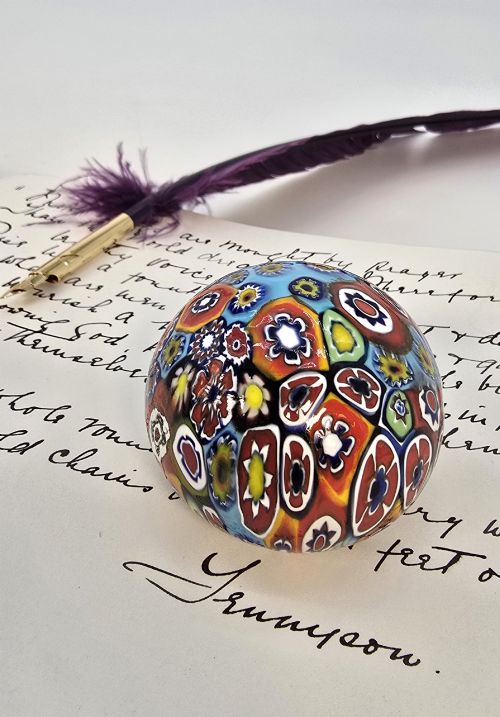
- A glasswork technique producing distinctive patterned mosaics, frequently utilised in decorative paperweights. The term translates from Italian to mean a thousand flowers.
Decorative Desk Ornaments: Frequently Asked Questions
What are decorative desk ornaments?
These are small-scale sculptures, paperweights, inkwells and architectural models created to adorn writing surfaces during the nineteenth and twentieth centuries. They combine artistic merit with practical desk utility.
Items range from cast iron cannons and bronze animal figures to marble obelisks and silver photo frames, reflecting the changing aesthetic preferences of the Victorian, Edwardian and Art Deco eras.
How do I date these items?
Dating relies on identifying the prevailing material, style and manufacturing technique recorded in each piece. Victorian items often feature heavy brass, cast iron or Ashford black marble, while Art Deco pieces favour streamlined bronze, spelter and geometric onyx bases.
Signatures, foundry marks and specific subject matter, such as animals cast by known Parisian foundries, provide further chronological markers to narrow down the decade of production.
How were bronze animal figures made?
Sculptors modelled their subjects in clay or wax before employing the lost-wax casting method to create the bronze form. Once cast, artisans chased the surface with tools to sharpen details like fur and musculature, then applied chemical patinas.
These finished figures were subsequently mounted onto heavy stone plinths made of marble, onyx or alabaster to provide stability and visual contrast for desk use.
Where should I place obelisks?
Marble and stone obelisks work effectively as focal points on writing desks, mantelpieces or bookshelf ledges. Their vertical geometry commands attention and adds architectural structure to flat surfaces.
Pairing matching obelisks on either side of a central desk clock or inkwell creates a balanced, traditional arrangement reminiscent of nineteenth-century library interiors.