


Decorative Copper Planter
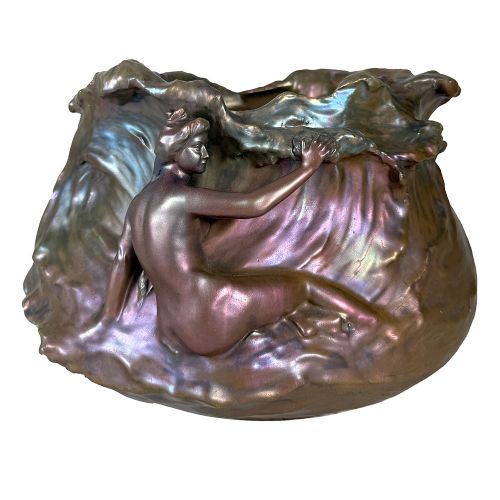
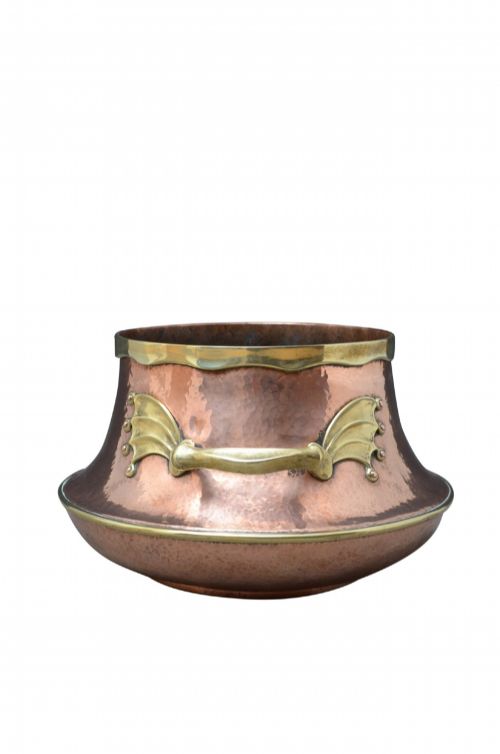
These decorative copper planter examples bring warmth and texture to an interior, combining practical utility with striking metalwork.
Decorative Copper Planter
A decorative copper planter stands as a versatile vessel that bridges gardening and interior display, appearing frequently in Victorian, Arts and Crafts, and Art Nouveau styles. When you search for a decorative copper planter, you encounter robust domestic objects ranging from large jardiniere vessels to coal buckets and wine coolers.
The pieces on this page span the eighteenth, nineteenth, and twentieth centuries, showing forms like coopered wooden buckets banded in metal, hammered vessels, and footed jardiniere shapes. British, Dutch, and Japanese influences shape the selection, offering everything from simple utilitarian bins to ornate display pieces.
Victorian and Arts and Crafts examples dominate the available selection, often combining copper bodies with brass handles, paw feet, or wrought iron mounts. Buyers most frequently meet substantial hammered copper bodies or riveted brass and copper combinations intended for domestic planting or fuel storage.
Materials and construction methods
Makers utilised sheet copper and brass, often combining these metals with wrought iron, tin, and walnut timber to build durable vessels. Construction techniques included hand-hammering, riveting, and coopered wooden stave assembly bound with metal bands.
Surface work relied heavily on manual skill, where artisans shaped sheet metal over forms, hammered decorative textures, and applied soldered or riveted joints. Brass fittings, handles, and feet were then attached to the main copper bodies to finish the objects.
Some vessels started life hauling coal or chilling wine before retiring to a peaceful second career holding ferns.
Distinctions in quality and execution
Quality rests in the weight of the metal gauge, the crispness of hand-hammered texturing, and the integrity of structural joints like rivets and dovetails. Superior examples display balanced proportions, clean integration of brass handles or wrought iron mounts, and harmonious ageing of the metal surfaces.
Lesser pieces show thinner metal sheets that easily dent, rough or careless soldering, and replacement hardware that disrupts the period integrity of the object. The distinction lies in whether the maker prioritised durable construction and deliberate aesthetic detail over mass production.
The Decorative Copper Planter Glossary
- Jardiniere
- An ornamental pot or stand for holding plants or flowers. These vessels often feature decorative metalwork and wide rims.
- Coopered
- Made by a cooper using wooden staves fitted together and bound with metal hoops. This technique appears in bucket and tub forms.
- Arts and Crafts
- A design movement valuing traditional craftsmanship, simple forms, and visible construction methods. Pieces from this period often display hand-hammered surfaces.
- Art Nouveau
- A style characterised by flowing, organic lines and floral motifs. Metalwork from this era utilises rhythmic, curving handles and embossed details.
- Wine Cooler
- A vessel designed to hold bottles and ice, frequently adapted as a planter. Early Dutch examples often exhibit heavy brass or copper construction.
Decorative Copper Planter: Frequently Asked Questions
How do I clean a decorative copper planter?
Wipe surfaces gently with a soft, damp cloth to remove dust and maintain the natural patina. Avoid harsh chemical cleaners that strip the historic finish.
Dry the metal thoroughly after cleaning to prevent spotting and preserve the warm tone of the copper.
Can I use these for real plants?
Many of these vessels were originally made for botanical display or indoor planting. However, metal can react to continuous moisture.
Utilise a plastic or ceramic liner inside the vessel to protect the historic interior from water damage and soil acidity.
How do I identify an Arts and Crafts piece?
Look for visible hand-hammered marks, sturdy riveting, and honest construction that celebrates the work of the artisan. These items usually avoid excessive ornamentation in favour of solid proportions.
The design prioritises utility and the natural texture of the worked copper or brass.
What is the difference between a jardiniere and a bucket?
A jardiniere is typically shaped specifically for holding plants and floral displays, often featuring a wider top and decorative feet or handles. A bucket usually includes a swinging bail handle and relates to functional tasks like coal storage.
Over time, many buckets found new life as planters due to their deep proportions and robust metal construction.