


Decorative Chinese Porcelain
Decorative Chinese porcelain brings centuries of skilled ceramic artistry and vibrant enamel work directly into modern domestic interiors.
Decorative Chinese Porcelain
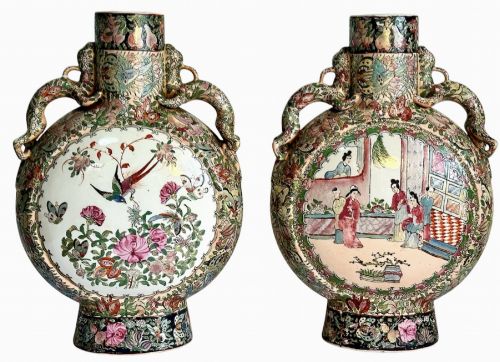
The assortment includes characteristic forms such as moon flasks, jardinières, and figural snuff bottles, often decorated with intricate hand-painted motifs. Many surviving items demonstrate traditional techniques passed down through generations of imperial and provincial workshops, reflecting distinct aesthetic periods from the eighteenth century onward.
Materials and construction
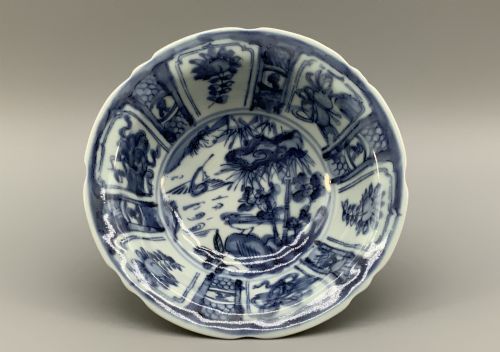
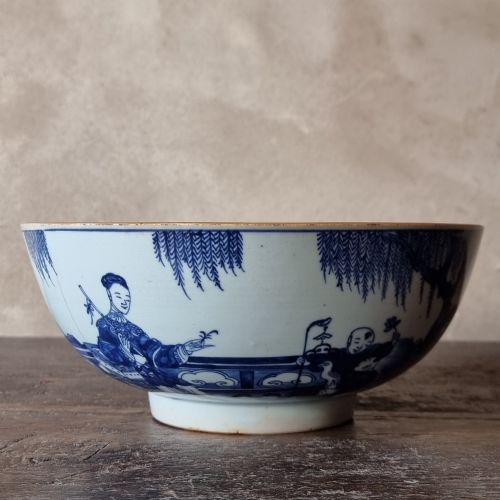
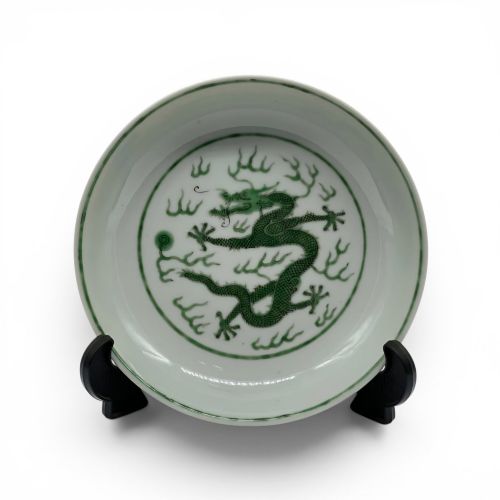
Makers shaped refined ceramic clay into diverse vessels before applying cobalt glaze, enamel, or gold leaf to create intricate surface patterns. Subsequent firing fixed these mineral pigments and protective glazes to the porcelain body, yielding durable surfaces with lasting visual depth.
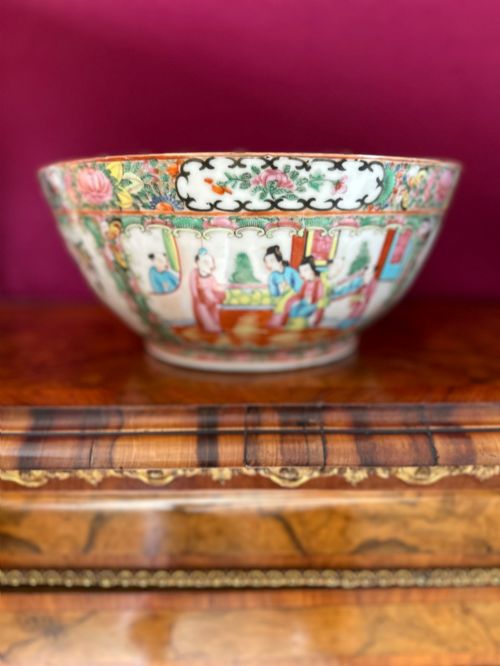
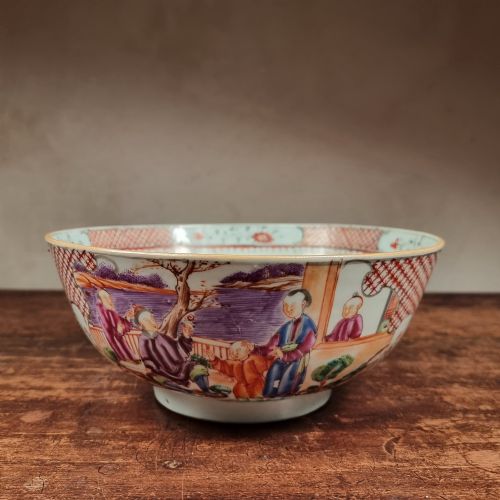
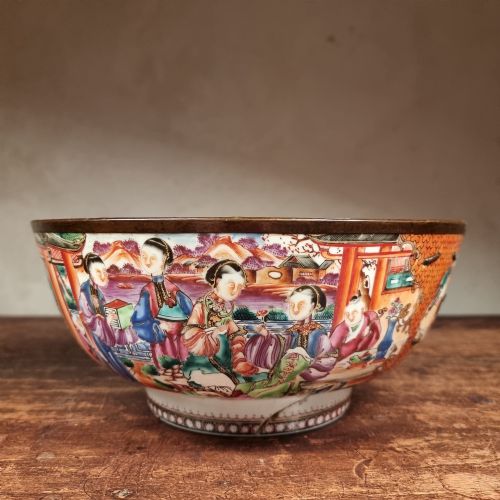
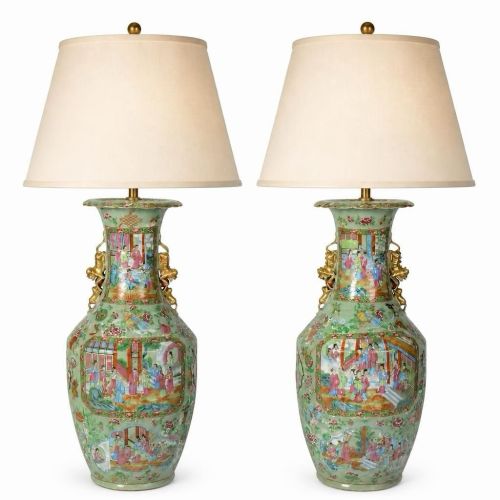
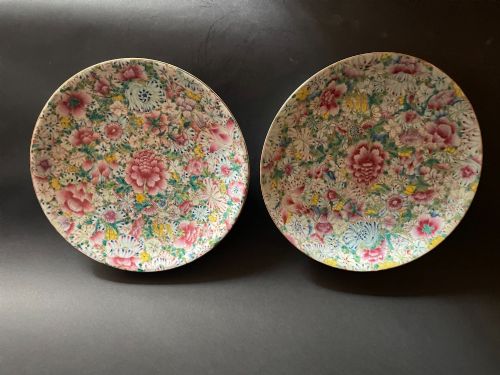
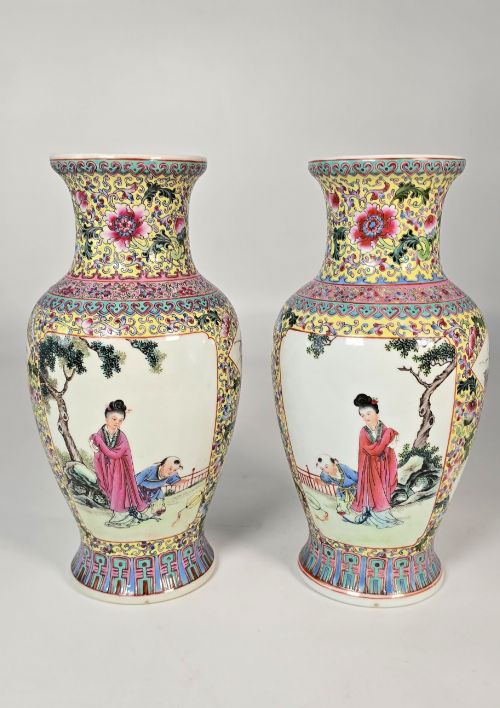
Overglaze enamel applications introduced rich palettes of pinks, greens, and iron-reds, frequently complemented by gilt highlights. Skilled artisans combined precise throwing techniques with meticulous hand-painted detailing, utilising specialised mineral pigments to achieve distinct tonal gradations.
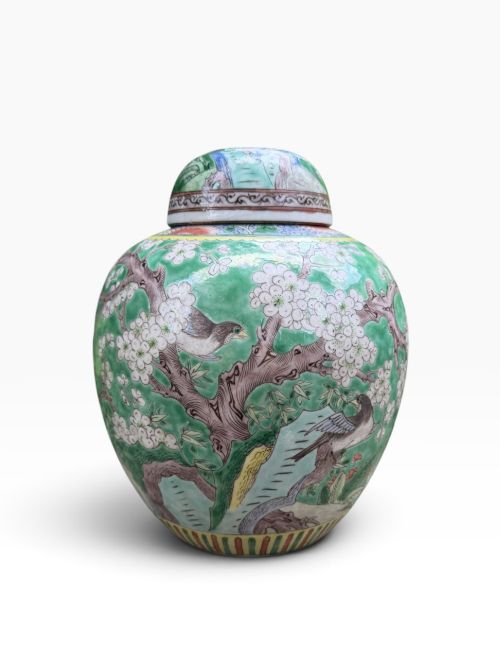
Available objects include table lamps, garden seats, moon flasks, and ginger jars decorated in traditional Qing styles.
Factors determining quality
Quality rests upon the precision of the brushwork, the purity of the porcelain body, and the complexity of the decorative scheme. Finer examples display confident, highly detailed painting without blurring or misalignment in the multi-layered enamel and cobalt designs.
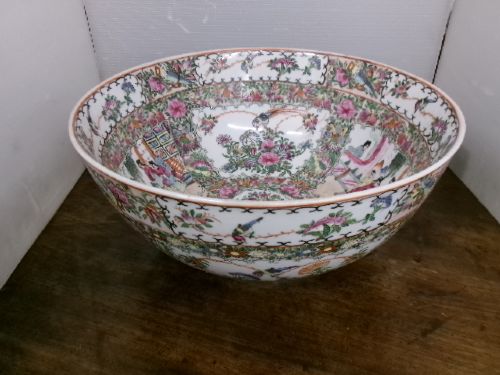
The depth of the glaze, the crispness of incised motifs, and the presence of imperial marks or consistent provenance elevate certain vessels above standard production pieces. Superior proportion and balance in larger forms, such as punch bowls and floor vases, further distinguish exceptional items.
Zhu Mao Ji
The Decorative Chinese Porcelain Glossary
- Famille rose
- A palette of opaque enamels dominated by pink or rose colours, introduced during the Qing dynasty and widely utilised for floral and figural designs. This technique allowed artists to achieve delicate tonal gradations and shading.
- Imari
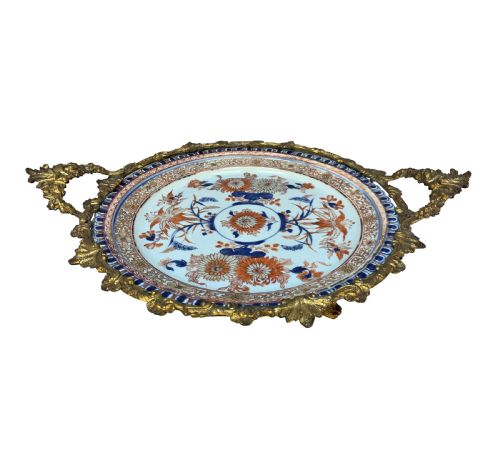
- A style of ceramic decoration featuring a distinctive combination of underglaze blue, iron-red, and gold leaf. Originating in Japan, this aesthetic heavily influenced Chinese Export porcelain production.
- Ginger jar
- A storage vessel featuring a broad shoulders and a domed cover, originally designed for spices or preserved goods. These jars later became popular decorative display pieces in Western interiors.
- Qing dynasty
- The final imperial dynasty of China, spanning from sixteen forty-four to nineteen twelve. Pieces from this era form the foundation of many historical ceramic collections.
- Cobalt glaze
- A deep blue mineral pigment applied beneath the transparent glaze before firing. It withstands high kiln temperatures without losing its intense colour.
Decorative Chinese Porcelain: Frequently Asked Questions
How were large porcelain punch bowls used?
Historical punch bowls served guests at communal gatherings by holding mixed beverages during banquets and social events.
In domestic settings, their capacity made them central table pieces for hospitality and entertainment.
What distinguishes Export porcelain from domestic wares?
Export pieces were specifically manufactured in China for shipment to European and American markets.
Consequently, their designs frequently incorporate Western heraldry, monograms, or shapes tailored to foreign tastes.
How should decorative porcelain be displayed at home?
Vessels benefit from placement on stable surfaces away from high-traffic areas to ensure physical security.
Proper lighting helps accentuate the fine brushwork, iron-red highlights, and intricate enamel colours across the ceramic body.
How do I identify a ginger jar lid?
Original lids fit flush with the shoulder of the jar, following the curvature and decorative scheme of the body.
Matched covers often display consistent glaze tones and identical potting characteristics under close examination.