





Decorative Ceramic Wall Charger
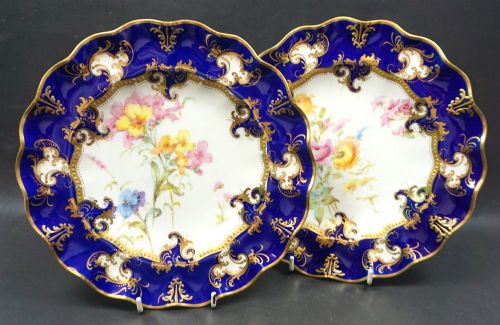
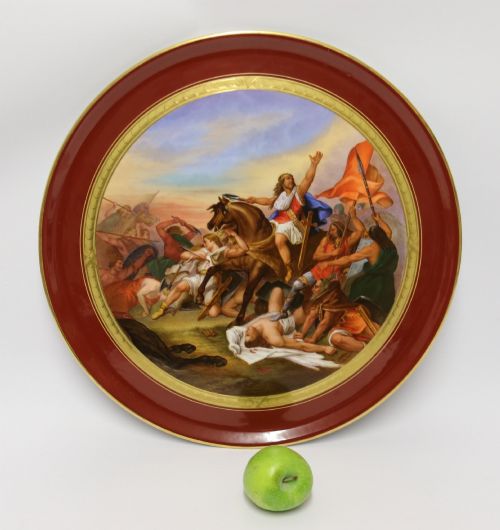
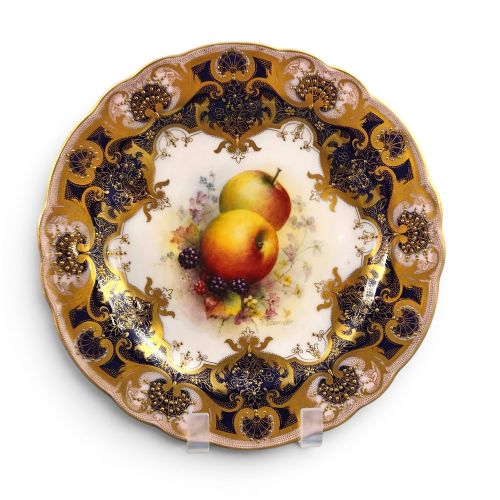
These decorative ceramic wall chargers bring pattern and colour to vertical spaces, offering an expansive surface for painted scenes, armorials and traditional motifs.
Decorative Ceramic Wall Charger
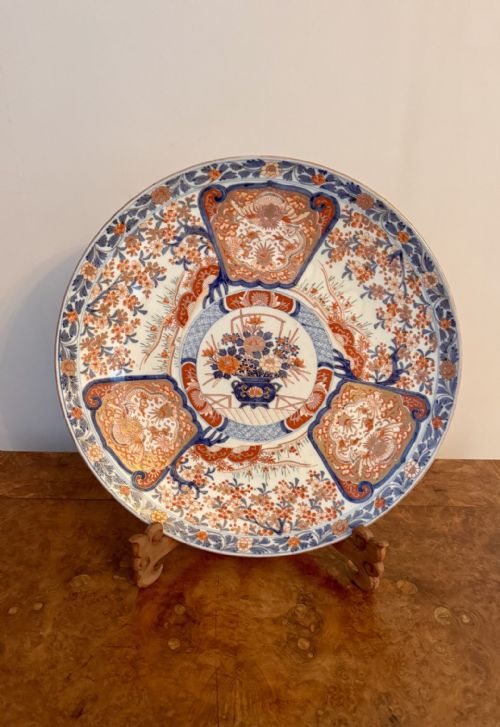
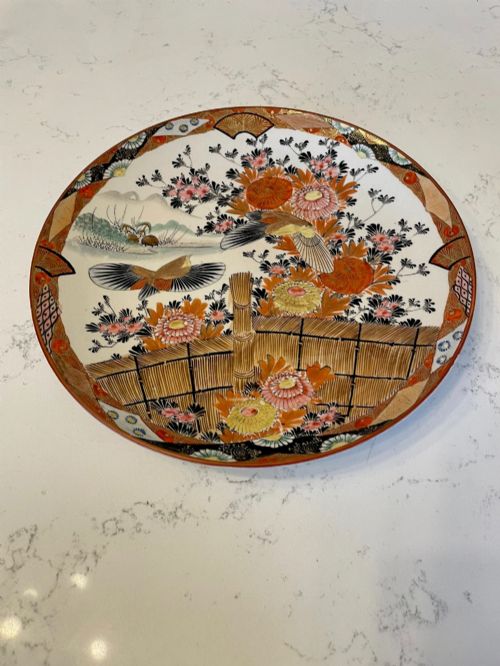
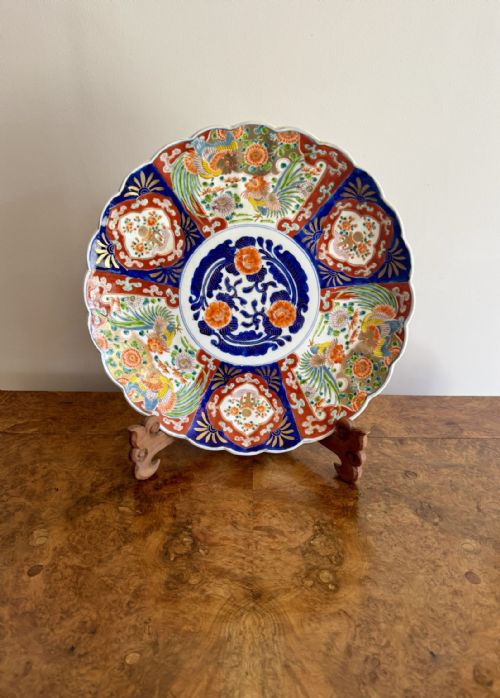
A decorative ceramic wall charger is a large display plate intended primarily for mounting on walls rather than dining. The selection spans the eighteenth, nineteenth and early twentieth centuries, drawing heavily on Japanese Imari and Satsuma traditions alongside European earthenware and porcelain.
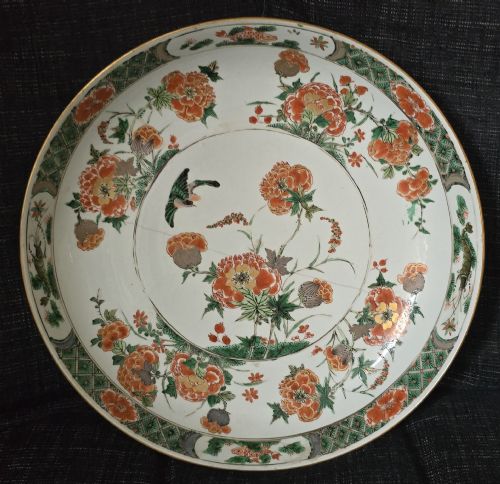
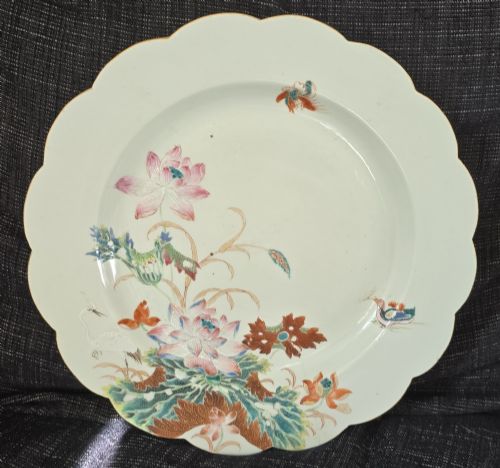
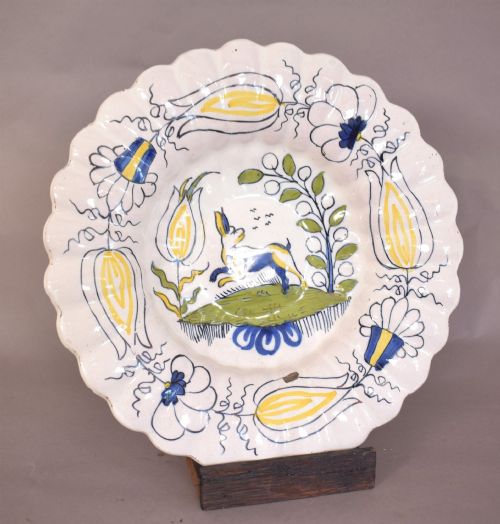
Buyers encounter substantial examples featuring blue and white porcelain, tin-glazed earthenware and polychrome painted designs. Forms range from circular chargers and cabinet plates to decorative plaques and square shaped display dishes.
Origins stretch across Japan, England, France, Holland, Spain, Austria and Italy. Many pieces reflect revivalist tastes and Dutch Baroque styles, while others capture the intricate hand-painted aesthetics of the Meiji period.
How they were made
Potters utilised ceramic bases such as porcelain, ironstone, terracotta and earthenware, applying tin-glaze, enamel and glaze to seal the surface. Gold leaf and gilding frequently highlight the painted details on finer cabinet pieces.
Decoration relied on hand painting, transfer printing and relief moulding. Artisans executed complex narratives, botanical studies and heraldic crests using pigments applied directly to the raw glaze or overfired ceramic surfaces.
The selection includes Japanese porcelain, French Paris porcelain, English ironstone and Continental tin-glazed earthenware spanning three centuries.
What varies in quality
Quality rests in the precision and ambition of the hand painting, where crisp brushwork and detailed pictorial depth separate standard production from masterworks. The complexity of the palette, especially the integration of rich cobalt blues, manganese, yellow and gold leaf, dictates visual impact.
The weight and finish of the ceramic body, alongside the crispness of moulded relief work, mark the distinction between everyday trade wares and exhibition pieces commissioned from notable factories and individual painters.
John Davenport of Longport·Ernst Wahliss·Royal Crown Derby·Royal Worcester
The Decorative Ceramic Wall Charger Glossary
- Charger
- A large decorative plate traditionally designed for display on a wall or sideboard rather than daily dining use.
- Tin-Glazed Earthenware
- Pottery covered with a white tin-oxide glaze that provides an opaque white background for painted decoration, common in Delft and maiolica traditions.
- Imari
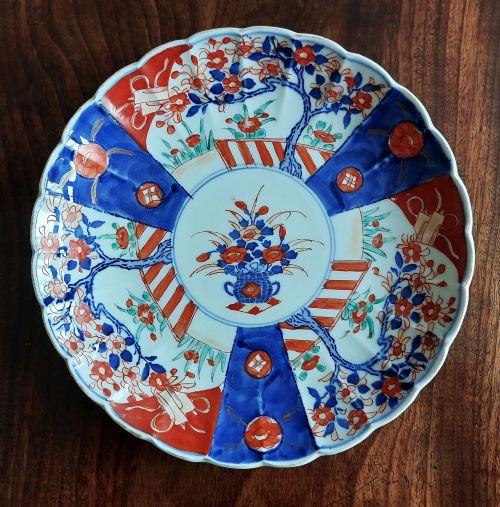
- A Japanese export porcelain style characterised by cobalt blue, iron red and gold colouring, which heavily influenced European pottery imitations.
- Cabinet Plate
- A high-quality decorative plate intended for display within a glass cabinet or formal interior.
- Faience
- European tin-glazed earthenware produced in France, Holland, Spain and other regions.
- Cloisonné
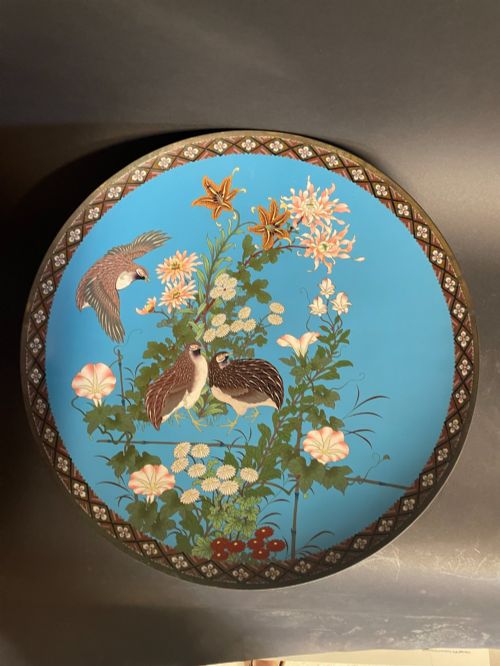
- Metalwork technique using enamel-filled wires, occasionally represented in large decorative dishes listed alongside ceramics.
Decorative Ceramic Wall Charger: Frequently Asked Questions
How were wall chargers displayed originally?
Historic interiors utilised large chargers as centrepieces on sideboards, cupboards and walls to demonstrate wealth and taste through imported porcelain and tin-glazed earthenware.
Display methods involved specialised wire hangers or fitted plate rails designed to support the substantial weight of these large ceramic pieces securely.
What is the difference between a charger and a cabinet plate?
Chargers are significantly larger and heavier, designed to command visual space on a wall or as a focal point on a large piece of furniture.
Cabinet plates are generally smaller, often featuring highly detailed miniature painting intended for close inspection within a cabinet.
How do I identify Japanese Imari styles?
Japanese Imari pieces typically feature a distinct palette combining underglaze cobalt blue with iron red, accented by gilt highlights over a bright white porcelain body.
Motifs frequently include floral arrangements, natural scenes and intricate panel designs originating from the Edo and Meiji periods.
Can these wall chargers be hung safely?
Most antique chargers feature sufficient rim depth or footring construction to accommodate properly adjusted spring-loaded brass wall hangers designed for heavy ceramics.
Professional framing or bespoke display mounts are often utilised for particularly valuable or fragile nineteenth-century porcelain and earthenware plaques.