

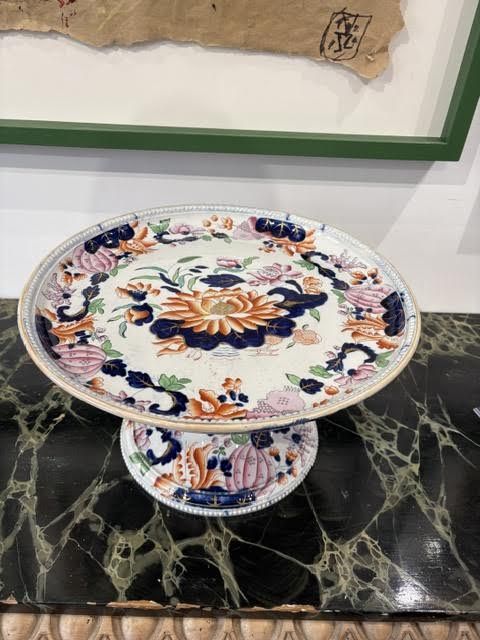
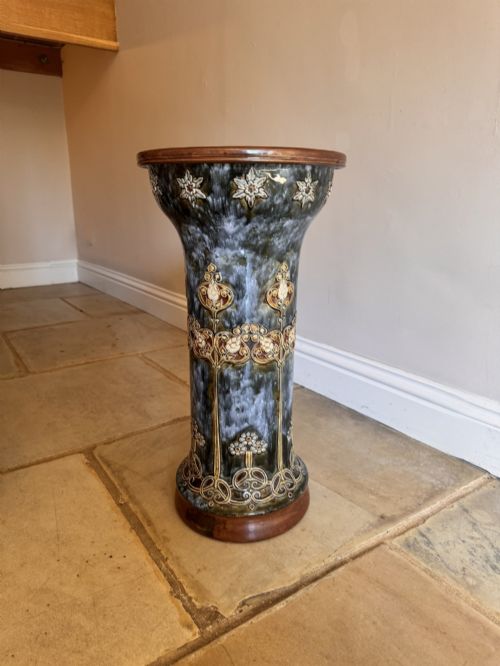
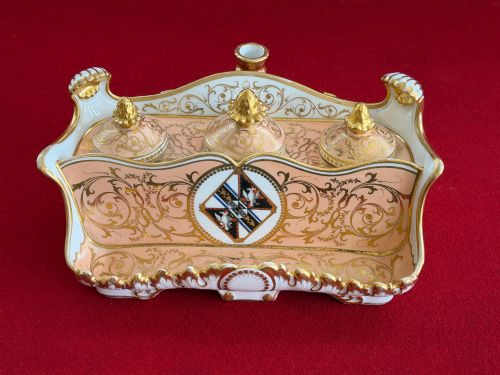
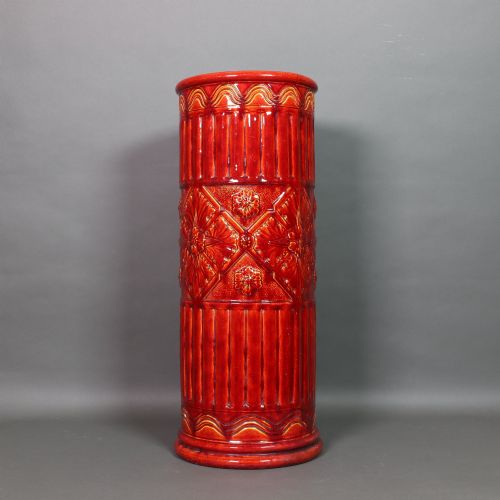
Decorative Ceramic Stand
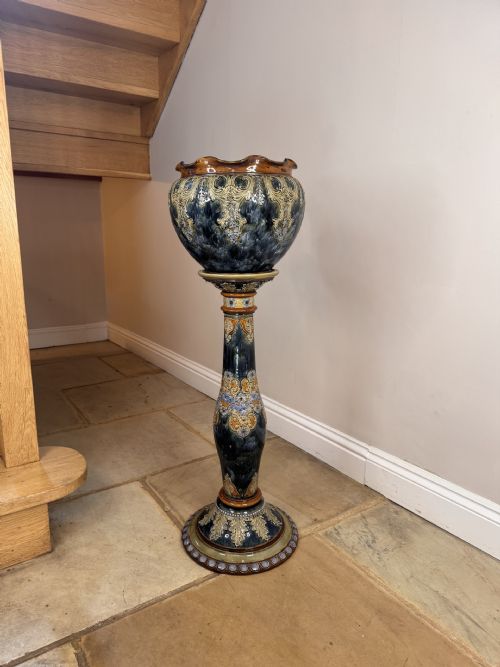
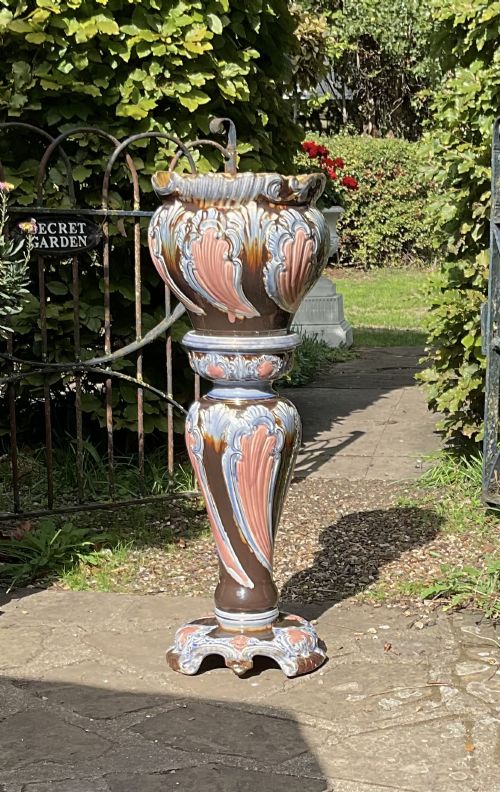
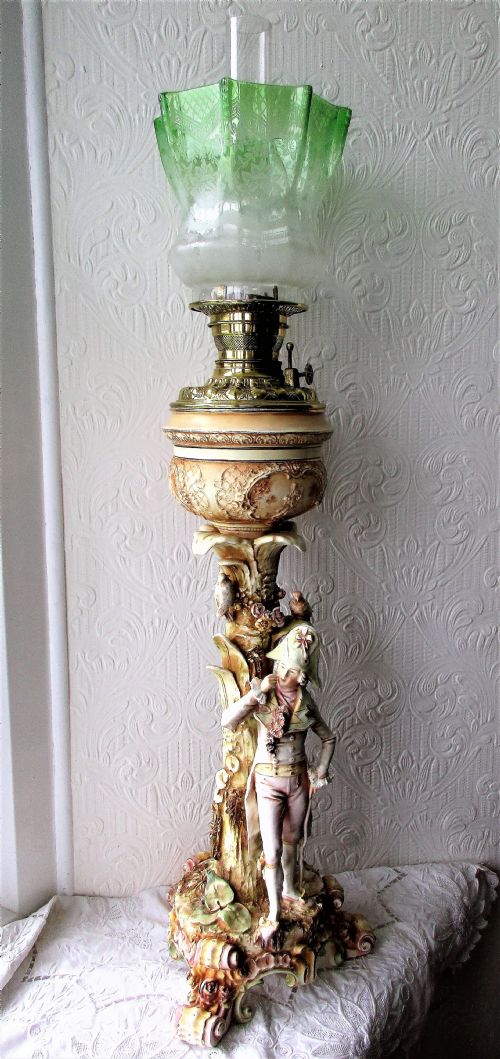
These pieces unite utility and ornament, bringing a decorative ceramic stand into a room to hold plants, lamps or garden seats.
Decorative Ceramic Stand
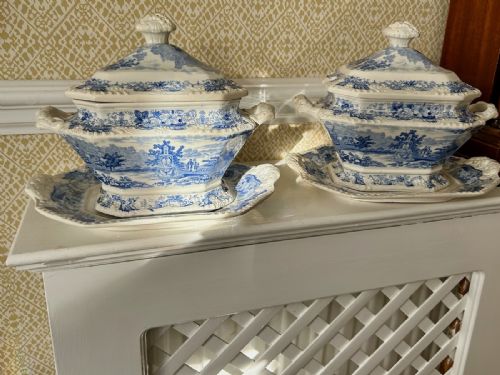
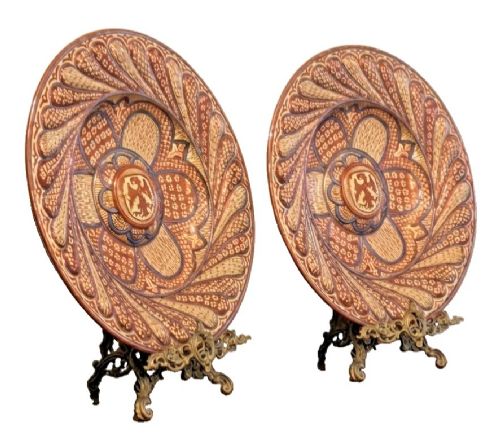
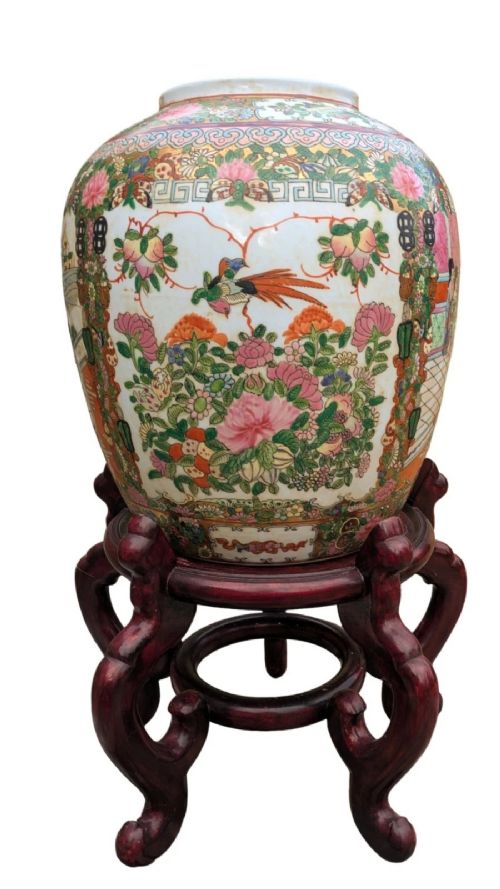
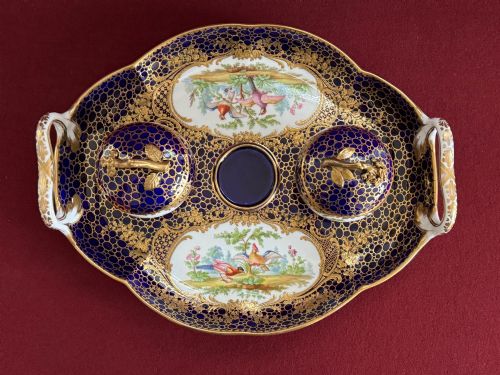
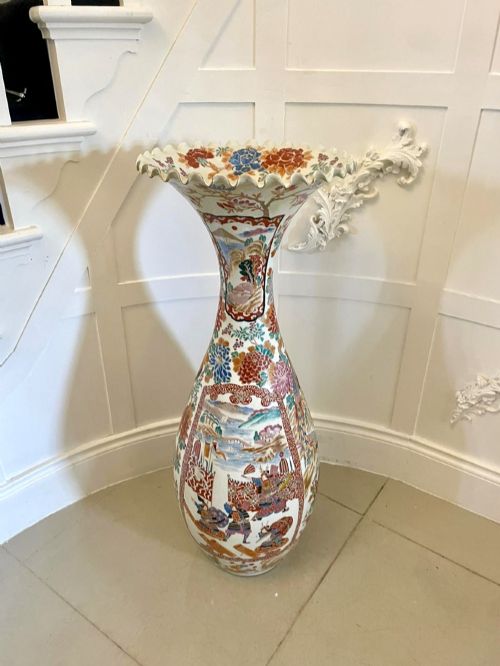
A decorative ceramic stand serves various domestic and horticultural purposes, ranging from floor vases and garden seats to plant stands and jardinières. Buyers searching this phrase encounter nineteenth-century pieces alongside Edwardian, Art Deco and regional ceramics.
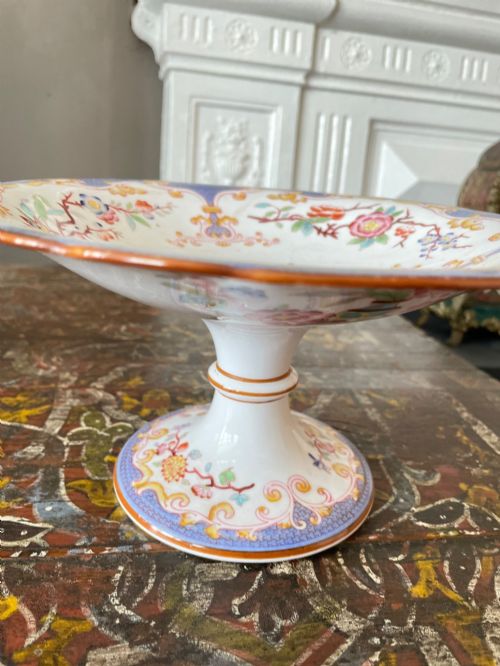
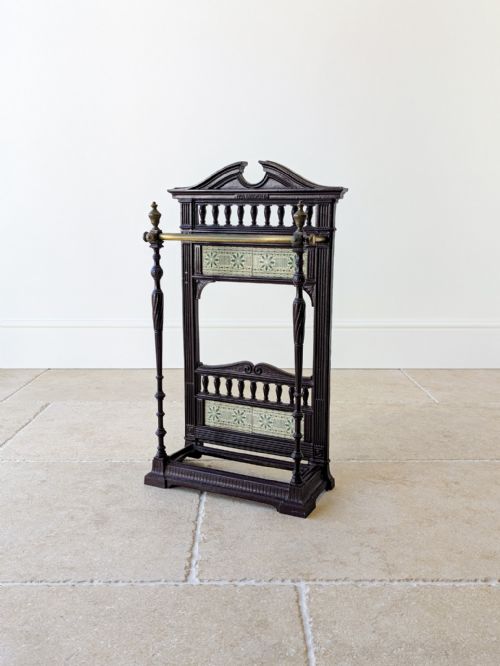
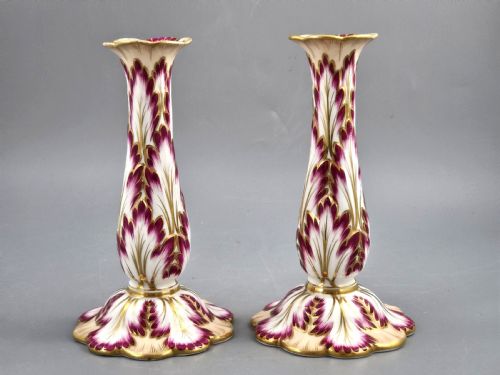
Forms span large barrel garden seats, compotes, candlesticks and pedestal stands. Many pieces incorporate glazed ceramic, earthenware or porcelain paired with brass or iron details.
How they were made
Potters employed earthenware, ironstone and porcelain, shaping bodies by hand or mould before applying coloured glazes, enamel or gold leaf. Certain items integrate brass bases, cast iron frames or silver plating to support the ceramic weight.
Firing techniques determine the density and finish of the material, from majolica and faience to Cloisonné and transfer-printed ironstone. Artisans combined intricate hand-painted detailing with moulded relief work, particularly during the Victorian and Edwardian eras.
Decorative Ceramic Stand Retail Price Guide 2026
Typical asking prices for decorative ceramic stand among the pieces listed under this phrase on Sellingantiques today, from the lower quarter to the upper quarter. They describe what is for sale here now, not the wider market.
Listings feature 19th Century, Victorian, Edwardian and Art Deco periods, utilising porcelain, earthenware, enamel, glaze, ceramic, gold leaf and brass.
What varies in quality
Quality rests in the crispness of the moulded relief, the depth of the glaze and the precision of hand-painted enamels. Finer examples display harmonious colour saturation and balanced proportions rather than muddy glazes or blurred transfer patterns.
The integrity of the body and any secondary metal components, such as brass or silver plating, influences the overall standard of the piece. Makers who maintained strict kiln controls achieved superior surface finishes that endure across the centuries.
Coalbrookdale·Ridgway·Limoges·Burmantofts·Dresden·Minton·Spode
The Decorative Ceramic Stand Glossary
- Jardiniere
- An ornamental pot or stand designed to hold plants or flowers. These ceramic vessels often sit on matching pedestals or floor bases.
- Comport
- A decorative dish or bowl elevated on a stem or foot, typically used for fruit or confectionery. They appear in porcelain and ironstone.
- Majolica
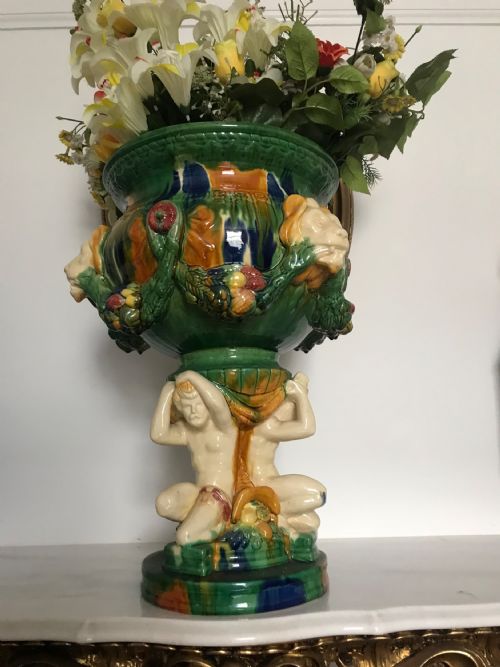
- A type of earthenware coated with an opaque tin-glaze and painted with bright metallic oxide colours. It gained popularity during the Victorian period for botanical and figural designs.
- Faience
- Tin-glazed earthenware produced across Europe, known for its absorbent clay body and vibrant painted surface decoration. Arts and Crafts makers revived the technique.
Decorative Ceramic Stand: Frequently Asked Questions
How do I care for antique porcelain?
Dust glazed ceramic and porcelain gently with a dry, soft cloth to protect vulnerable enamel and gold leaf details.
Avoid harsh chemical cleaners and keep pieces away from direct moisture if the ceramic body is porous earthenware.
How do I date a ceramic stand?
Examine the base for maker marks, registration diamonds or pattern numbers characteristic of nineteenth and early twentieth-century production.
Stylistic cues such as Aesthetic Movement geometry or Art Deco forms also narrow down the decade of manufacture.
What is the difference between a jardiniere and a plant stand?
A jardiniere is the decorative bowl or pot meant to contain the plant, whereas a plant stand is the tall supporting column.
Many period sets combine both elements into a single matched architectural unit.