


Decorative Ceramic Set
When you seek a decorative ceramic set, you encounter groupings of porcelain, ironstone, and earthenware spanning the nineteenth and twentieth centuries.
Decorative Ceramic Set
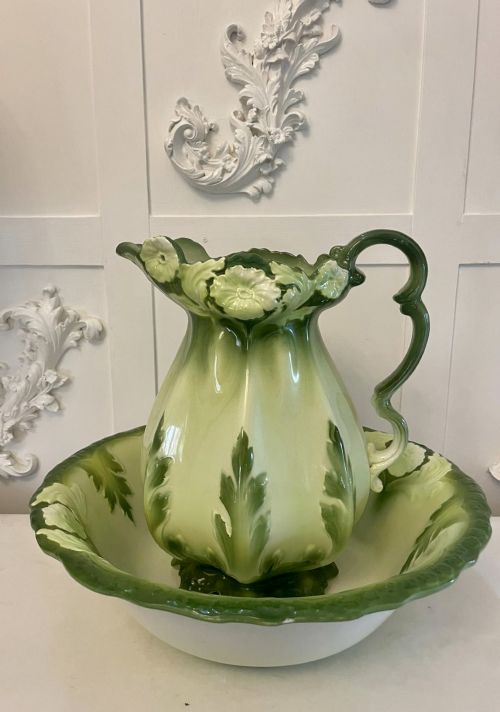
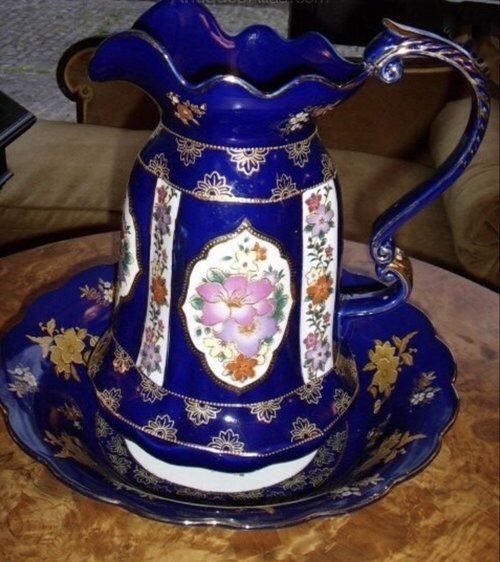
A decorative ceramic set brings together matched or graduated groupings designed for display, dining, or washing. These arrangements frequently comprise garnitures of vases, sets of plates, or matched wash jug and bowl combinations.
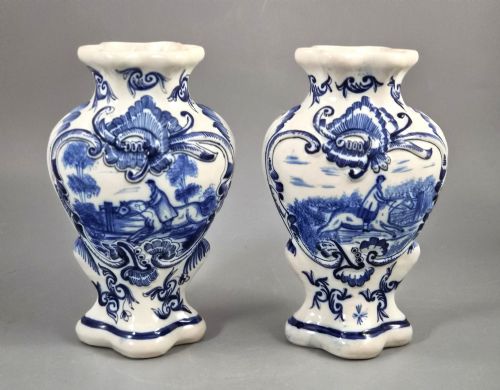
The groupings span periods from Regency and Victorian eras through to the early twentieth century. Makers structured these sets to function as cohesive visual statements within interiors.
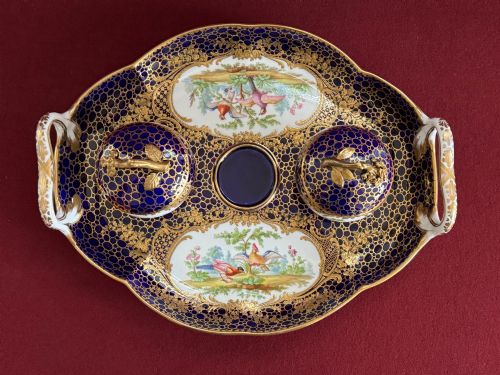
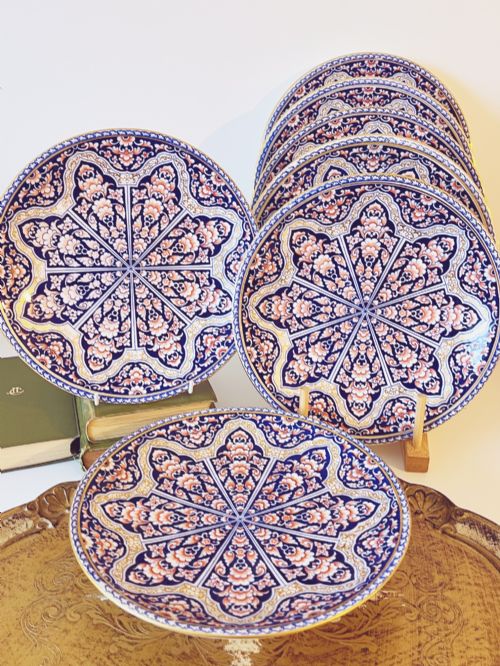
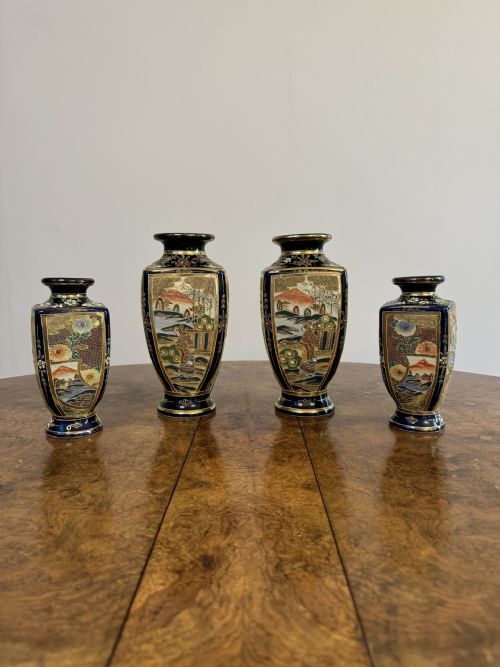
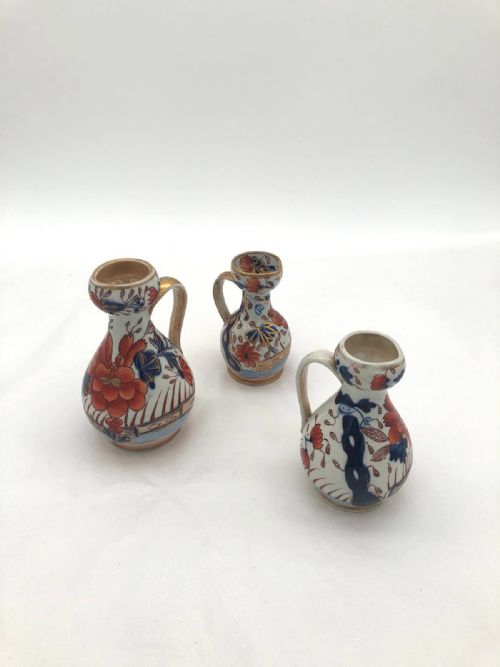
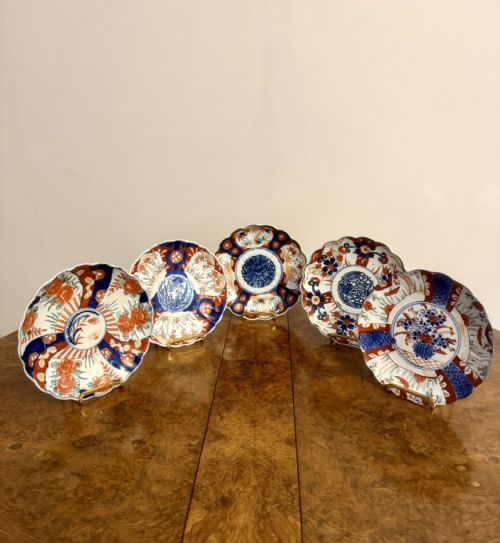
Buyers encounter diverse configurations, from Japanese Imari plates and Satsuma vases to Minton inkstands and Mason's ironstone jugs. Each grouping relies on shared decorative schemes or complementary sizes to maintain visual unity.
Materials and construction
Potters shaped these pieces using earthenware, stoneware, ironstone, and porcelain bodies, applying lead and cobalt glazes to seal the ceramic. Enamel colours and gold leaf embellish the surfaces, often fixed through multiple firings in kiln environments.
Makers utilised hand painting alongside transfer printing to apply intricate floral, geometric, and figural patterns. Gilding and brass mounts occasionally accent the ceramic forms, adding weight and structural definition to the completed sets.
Listings feature nineteen-century earthenware, porcelain, and stoneware, incorporating hand-painted glazes, enamel, and gold leaf across diverse decorative forms.
Assessing quality in ceramic groupings
Quality rests on the crispness of the moulding and the precision of the hand painting across every piece in a grouping. Uniformity in glaze application and the preservation of gold leaf gilding distinguish superior sets from standard production.
The sophistication of the palette and the complexity of patterns, such as detailed Japanese Imari or hand-painted floral motifs by known decorators, elevate the standing of a collection. Completeness within graduated jugs or multi-plate services maintains the integrity of the ensemble.
Minton Porcelain·Royal Crown Derby·Mason's Ironstone·Fourmaintraux-Courquin·Müller Volkstedt MV Co.·Doulton Lambeth·Kinkozan·Wedgwood·Doulton Burslem·Davenport·Phillips and Bagster
The Decorative Ceramic Set Glossary
- Garniture
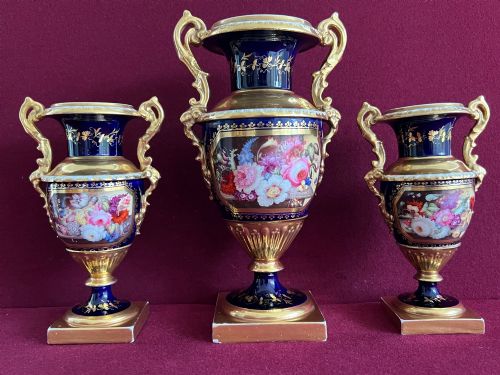
- A set of three or more ornamental vases or vessels designed to be displayed together on a mantelpiece or sideboard. They typically share a matching decorative scheme but vary in height.
- Ironstone
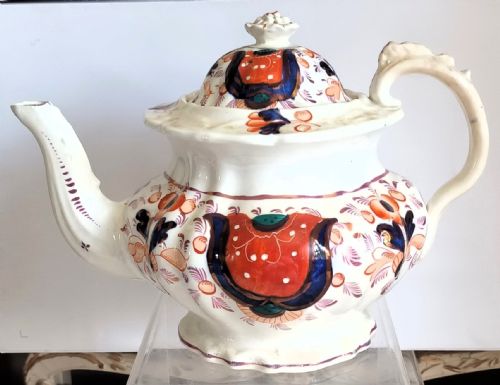
- A dense, durable type of earthenware patented in the nineteenth century to imitate Chinese porcelain. It resists chipping and served as a robust material for jugs and dinner services.
- Imari
- A style of Japanese export porcelain decorated in underglaze blue, iron red, and gold. Makers in Europe subsequently copied these vibrant patterns during the Victorian period.
- Satsuma
- A type of earthenware originating from Japan featuring a crackle-glaze finish and intricate polychrome enamel designs enriched with gold. These wares gained widespread popularity in the late nineteenth century.
Decorative Ceramic Set: Frequently Asked Questions
What is a garniture?
A garniture is a matched set of three or more vases or urns intended for balanced display across a mantelpiece or shelf. The central vessel is typically taller, flanked by two matching smaller pieces.
These sets created a symmetrical focal point in period interiors. They unified the decorative theme of a room through repeating patterns and colours.
How do I care for antique ceramics?
Wash antique ceramics gently by hand in warm water using mild soap, avoiding harsh scrubbing or immersion of pieces with metal mounts. Dry them immediately with a soft, lint-free cloth to protect fragile glazes.
Keep delicate enamel and gilt surfaces away from direct sunlight and abrasive materials. Proper support prevents stress on handles and rims during handling.
How do I identify Imari ware?
Imari wares are recognised by their distinct palette combining underglaze cobalt blue with rust red and supplementary gilding. The motifs frequently feature floral arrangements, panels, and brocade patterns.
Originating in Japan, this aesthetic inspired numerous European potteries to create their own Imari-style interpretations during the Victorian era. Examining the paste, weight, and glaze helps distinguish Japanese originals from later European copies.