



Decorative Ceramic Holders
Decorative ceramic holders are vessels and stands shaped in porcelain and earthenware, offering functional utility and rich display across diverse interiors.
Decorative Ceramic Holders
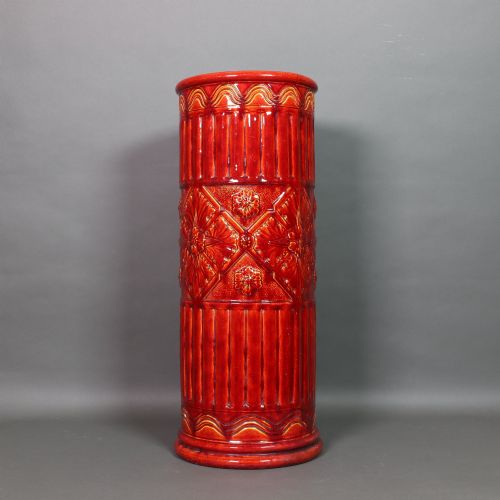
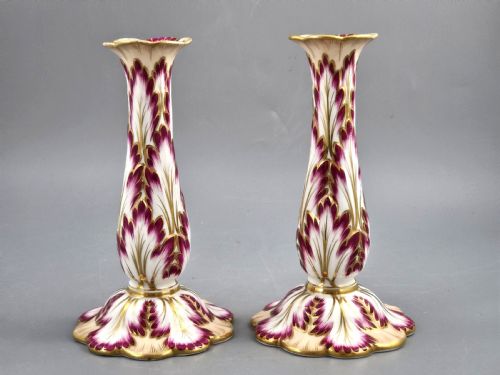
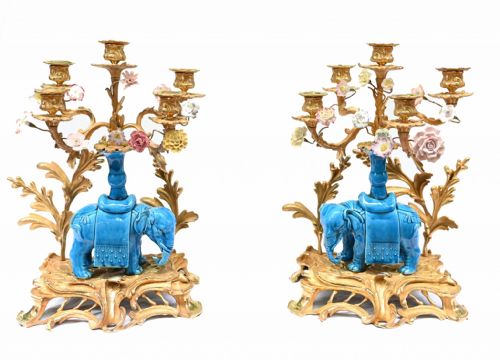
Decorative ceramic holders encompass a wide assortment of utilitarian and ornamental forms designed to contain flora, light, or small items, including candlesticks, vases, stick stands, and posy holders.
The pieces on this page span several centuries, drawing heavily upon the Victorian, Edwardian, and Regency periods alongside specific items from the eighteenth and nineteenth centuries.
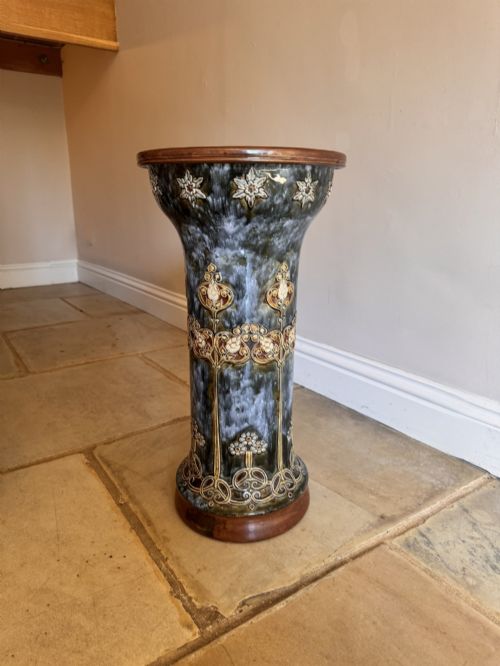
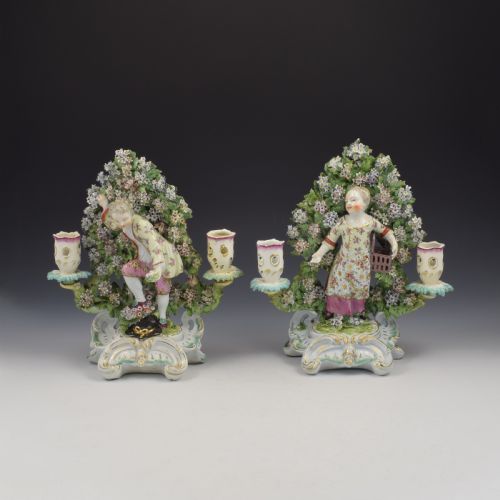
Buyers will encounter items ranging from English porcelain spill vases and figural bocage candlesticks to glazed earthenware stick stands and transfer-printed jardinières.
Materials and methods
Makers utilised earthenware, terracotta, and fine porcelain bodies, applying liquid glazes and enamels to seal the ceramic and provide a glossy or satin surface.
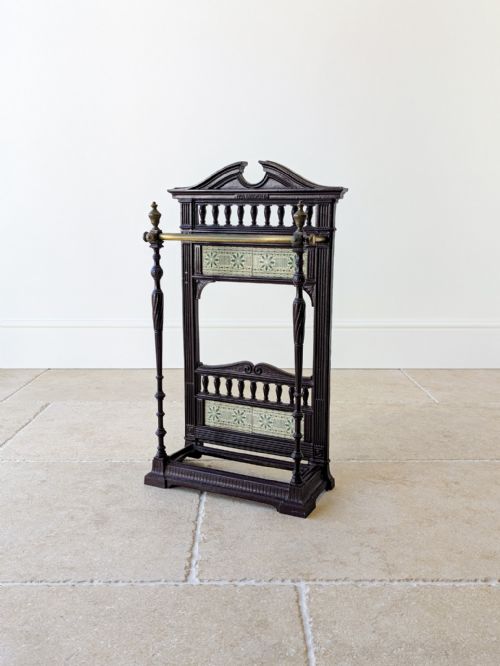
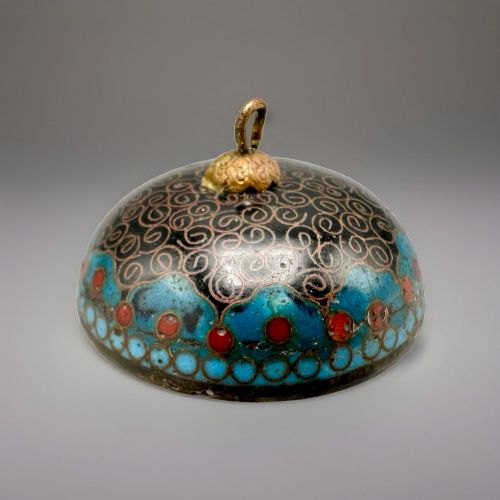
Certain objects incorporate hand-painted pigments, metallic gold leaf accents, and cast iron or silver-plated framing to complement the fired ceramic elements.
Moulding and throwing techniques shaped the clay into intricate figural models, botanical motifs, and architectural vessels before high-temperature kiln firing.
Decorative Ceramic Holders Retail Price Guide 2026
Typical asking prices for decorative ceramic holders among the pieces listed under this phrase on Sellingantiques today, from the lower quarter to the upper quarter. They describe what is for sale here now, not the wider market.
The listings feature diverse materials including porcelain, earthenware, terracotta, and enamel, spanning the eighteenth to the twentieth centuries.
Quality and execution
The refinement of the modelling and the precision of the hand-painted detailing distinguish finer pieces from standard commercial production.
Depth of glaze application, clarity of enamel colours, and the crispness of moulded relief work determine the visual weight and finish of each item.
The integrity of the ceramic body and the harmonious integration of decorative additions, such as bocage foliage or gilding, elevate individual examples.
Burmantofts Faience·Royal Doulton·Charlotte Rhead·Royal Worcester·Coalbrookdale
The Decorative Ceramic Holders Glossary
- Bocage
- Applied ceramic foliage and floral work surrounding figures, frequently seen on eighteenth-century candlesticks. This leafy backdrop adds three-dimensional texture to the composition.
- Spill vase
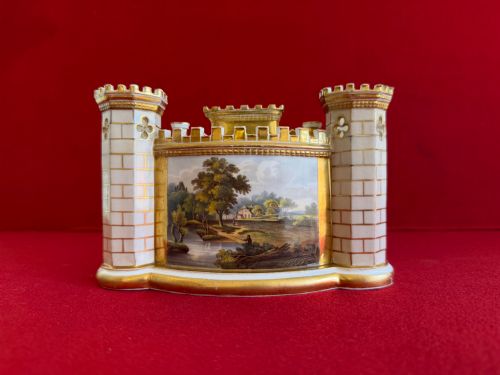
- A tall, narrow vessel designed to hold slender tapers used for lighting pipes or candles. These practical items often took whimsical architectural or figural shapes.
- Pot pourri
- A perforated vessel intended to hold dried scented plant materials for perfuming a room. Covers are pierced to allow the fragrance to disperse.
- Faience
- Tin-glazed earthenware produced with opaque colourful enamels. Burmantofts is a well-known maker associated with this technique.
- Chamberstick
- A low candlestick fitted with a pan and a handle for carrying through a house at night. They provided portable illumination before electric lighting.
Decorative Ceramic Holders: Frequently Asked Questions
What are decorative ceramic holders?
Decorative ceramic holders are functional or ornamental items shaped from clay, including candlesticks, vases, and stick stands.
They display various glazes, hand-painted details, and period styles from the eighteenth century onwards.
How were stick stands used?
Stick stands were positioned in hallways to hold walking sticks, umbrellas, and canes.
Their robust ceramic or earthenware construction provided stability for heavy items.
How do I identify a period piece?
Period identification relies on observing the ceramic body, glaze characteristics, and decorative motifs associated with specific eras like Regency or Victorian.
Maker marks and painting styles also help date the object.
Where should I place a jardiniere?
A jardiniere is suited for holding potted plants or floral arrangements on tabletops or plant stands.
Its glazed interior protects surfaces from moisture.