



Decorative Ceramic Compote
These decorative ceramic compote pieces bring raised bowls and centrepieces to the table, combining nineteenth-century porcelain with hand-painted enamel and gilt bronze mounts.
Decorative Ceramic Compote
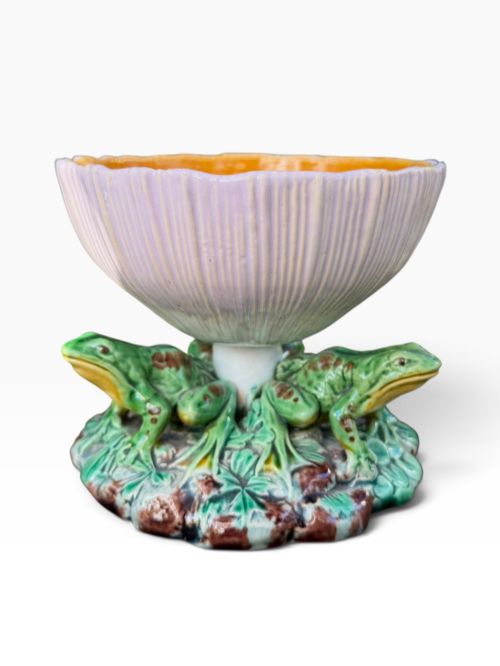
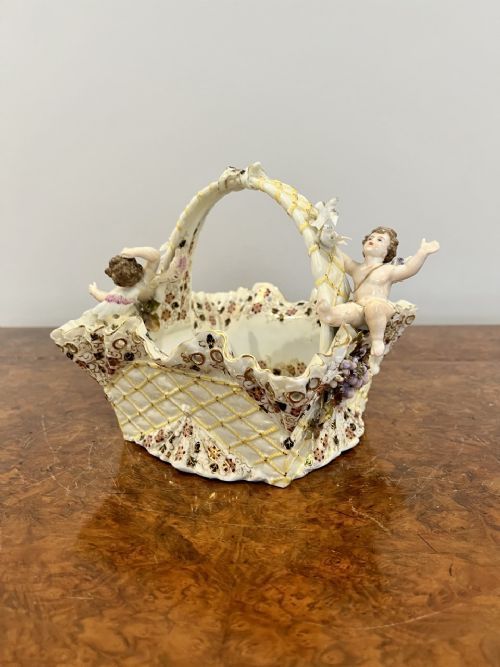
A decorative ceramic compote serves as a raised centrepiece bowl for fruit or display, taking forms from nineteenth-century majolica to Edwardian porcelain with cherubs.
The pieces on this page span the Victorian period into the nineteen-twenties, appearing as footed bowls, baskets, and compote bowls decorated with glazes and enamel.
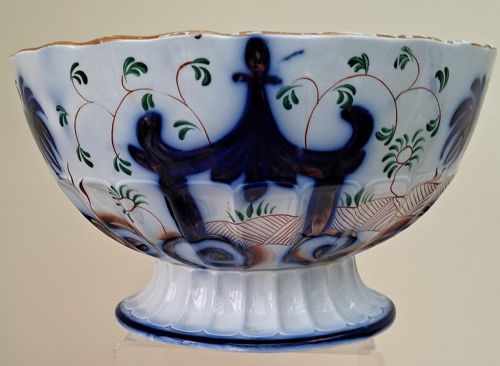
Makers such as Minton and Wedgwood produced notable examples, alongside German Schierholz porcelain and Mason's ironstone fruit comports.
How they were made
Potters shaped earthenware and porcelain bodies before applying colourful ceramic glazes, majolica techniques, and intricate enamel patterns.
Many compotes incorporate cast gilt bronze mounts or raised cherub figures, combining ceramic basins with metalwork and fine hand-gilding.
Decorative Ceramic Compote Retail Price Guide 2026
Typical asking prices for decorative ceramic compote among the pieces listed under this phrase on Sellingantiques today, from the lower quarter to the upper quarter. They describe what is for sale here now, not the wider market.
What varies in quality
Quality rests on the crispness of the modelling, particularly in figural elements like cherubs and majolica leaves, where finer hand-painting distinguishes better examples.
The richness of the glaze and the complexity of patterns, such as Masons ironstone or Wedgwood lustre, dictate the tier of execution across Victorian and Edwardian pieces.
Minton·Schierholz·Masons Ironstone·Makeig-Jones Wedgwood·Moorcroft
The Decorative Ceramic Compote Glossary
- Majolica
- A type of colourful lead-glazed earthenware popular during the Victorian era, often featuring naturalistic leaf and animal motifs.
- Compote
- A footed bowl or dish used historically for serving fruit or sweetmeats, standing raised above the table surface.
- Ironstone
- A durable type of heavy earthenware patented in the nineteenth century, known for holding crisp moulded details and bright enamel colours.
- Lustre
- A metallic ceramic glaze that produces an iridescent sheen, famously utilised on Wedgwood Melba wares.
- Gilt bronze
- An alloy finished with a gold coating, frequently used for the decorative mounts and bases supporting nineteenth-century porcelain bowls.
Decorative Ceramic Compote: Frequently Asked Questions
What is a decorative ceramic compote used for?
These elevated vessels functioned as centrepiece bowls on dining tables, traditionally holding fresh fruit or sweet dishes during formal meals.
Today, collectors use them as standalone decorative objects on sideboards or mantelpieces to showcase nineteenth-century ceramic artistry.
How do I date a ceramic compote?
Dating relies on identifying the manufacturing marks, factory stamps, and stylistic periods such as Victorian majolica or Edwardian porcelain.
Details like red scale borders, transfer-printed patterns, and bronze mounts also point to specific decades between the nineteenth and twentieth centuries.
What is the difference between majolica and porcelain?
Majolica uses a porous earthenware body covered in colourful opaque lead glazes, often featuring rich naturalistic textures like leaves and frogs.
Porcelain is a finer, vitrified ceramic material fired at higher temperatures, allowing for delicate modelling such as cherubs and intricate painted scenes.
How should I clean an antique compote?
Dusting gently with a soft, dry cloth is the safest way to maintain glazed ceramic surfaces without risking fragile enamel or gilding.
Avoid immersing pieces in water, particularly those with gilt bronze mounts or old repairs that moisture might damage.