






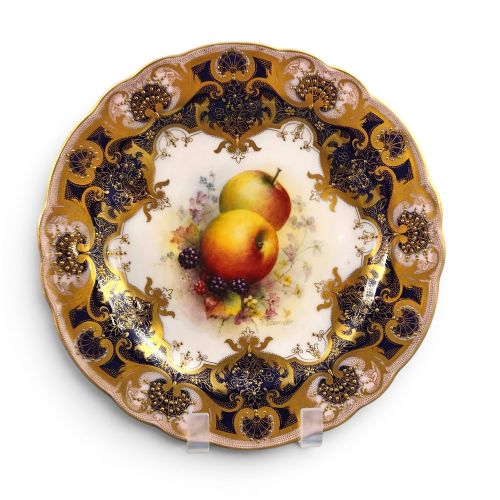
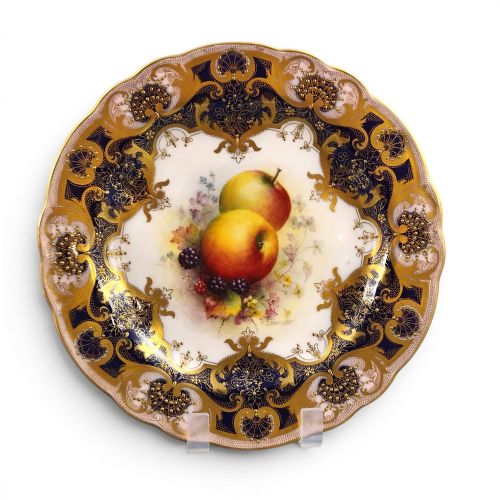
Decorative Ceramic Charger
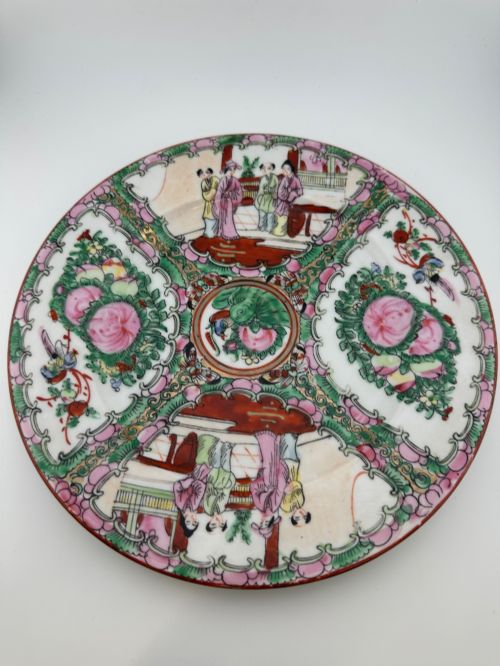
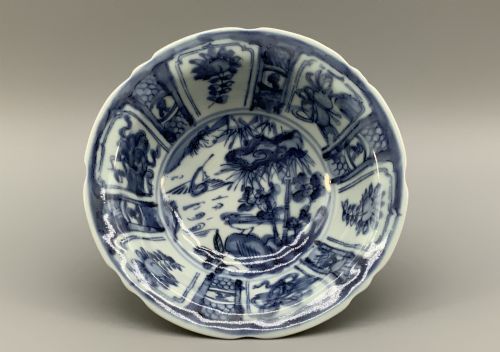
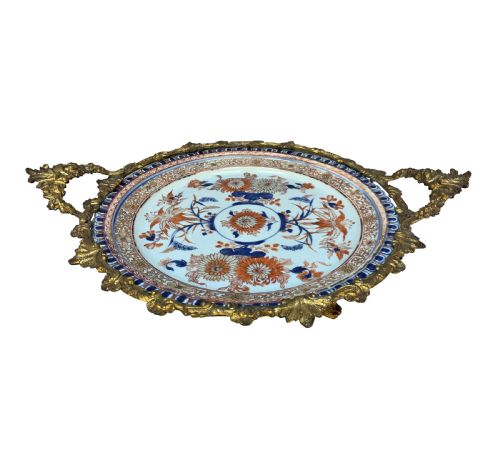
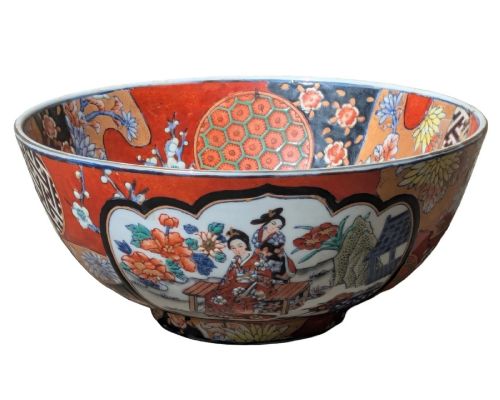
When you search for a decorative ceramic charger, you are looking for large display pieces designed to command attention on a wall or sideboard.
Decorative Ceramic Charger
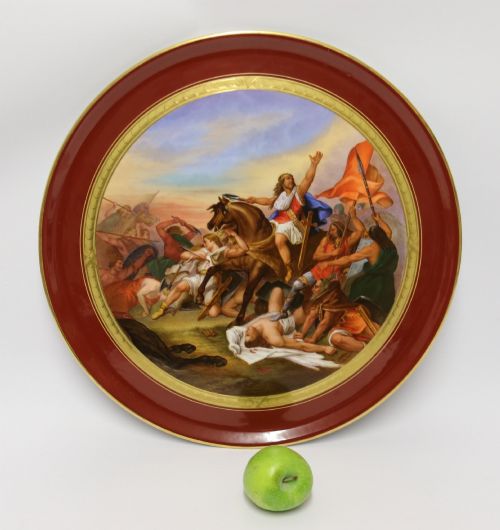
A decorative ceramic charger is a substantial plate or dish made primarily for display rather than dining. The pieces available span the eighteenth, nineteenth, and early twentieth centuries, drawing on diverse global traditions.
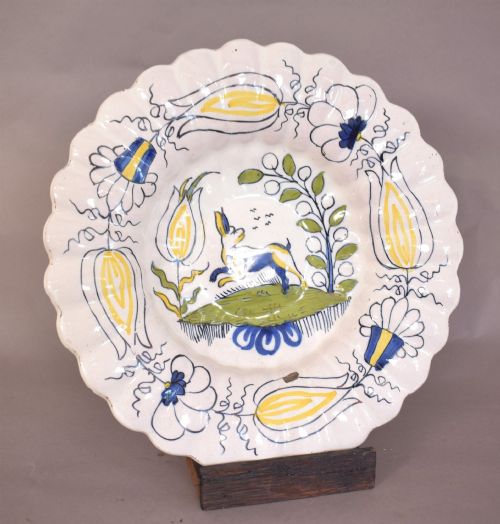
You will frequently encounter Japanese Imari porcelains and European tin-glazed earthenwares such as Dutch, French, and Spanish Delft. These items often feature generous diameters designed to showcase intricate hand-painted motifs.
Materials and production techniques
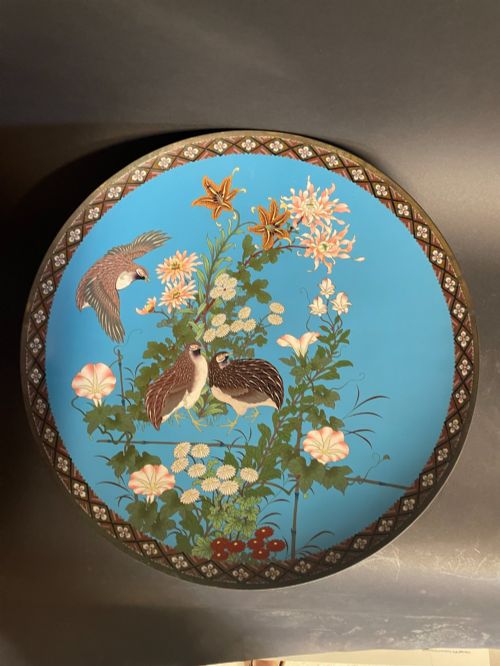
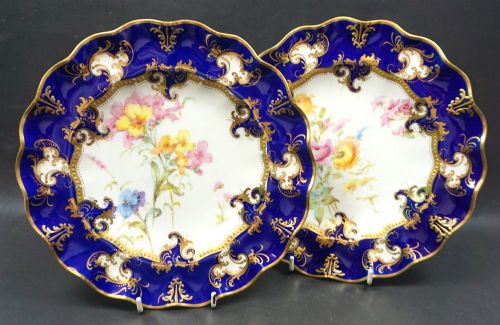
The material base relies heavily on porcelain, earthenware, and tin-glazed earthenware bodies shaped into wide bowls and plates. Artisans applied cobalt blue, polychrome enamels, and occasionally gold leaf or gilding over or under the glaze before firing.
Many European and Asian examples involve specialised hand-painting techniques, with specific workshops employing distinct glazing formulations to achieve characteristic crackle, lustre, or opaque white finishes.
Listings feature porcelain, earthenware, and tin-glazed earthenware spanning the eighteenth, nineteenth, and early twentieth centuries.
Assessing visual and technical quality
Quality in a decorative ceramic charger rests upon the crispness and complexity of the hand-painted brushwork. Superior pieces exhibit confident, detailed pigments that remain stable and vibrant across the entire surface of the glaze.
The structural integrity of the ceramic body and the precision of the firing process also separate standard production wares from exceptional studio output, particularly in large-format chargers where warping presents a challenge.
John Davenport of Longport·Royal Worcester·Royal Crown Derby·Copeland Pottery
The Decorative Ceramic Charger Glossary
- Charger
- A large ornamental plate typically exceeding standard dining diameters, intended for display on tables or walls. These substantial dishes form the core of this category.
- Tin-Glazed Earthenware
- Pottery fired with an opaque white glaze containing tin oxide, providing a smooth canvas for painted decoration. This technique defines Dutch, English, and continental European Delft wares.
- Imari
- A style of Japanese porcelain featuring a distinct palette of underglaze blue, iron red, and gold. These pieces were widely exported to Europe and copied by domestic factories.
- Soft-Paste Porcelain
- A ceramic composition made from a mixture of clay and glass frit, fired at lower temperatures than hard-paste porcelain. It results in a warm, slightly translucent body common in eighteenth-century European pieces.
- Faience
- European tin-glazed earthenware produced in France, Spain, and other continental regions. It often displays rich polychrome designs or characteristic manganese and yellow tones.
Decorative Ceramic Charger: Frequently Asked Questions
How were decorative ceramic chargers used?
Historically, large chargers served as ornamental centerpieces on sideboards or were hung on walls to display wealth and artistic taste.
Today, collectors use them in similar interior settings, often mounting them securely on walls or resting them on plate stands to highlight their scale and painted details.
How do I identify a Delft charger?
Delft chargers typically feature an earthenware body covered in an opaque white tin glaze, frequently painted in cobalt blue with botanical or Chinoiserie scenes.
Examining the unglazed footrim often reveals the porous clay body characteristic of European earthenware produced during the seventeenth and eighteenth centuries.
What is the difference between Imari and Delft?
Imari pieces originate from Japan, utilising porcelain bodies decorated with distinct iron red, cobalt blue, and gilding. Delft pieces are European earthenwares covered in a white tin glaze.
While both offer striking visual patterns for display, their ceramic composition and regional origins differ completely.
Can these plates be hung on walls?
Many large chargers were manufactured with display in mind, though period pieces require specialist, non-damaging wire hangers that distribute the weight evenly.
Ensure any hanging hardware is securely fitted to the footrim or utilises a properly sized spring clamp designed for antique ceramics.