

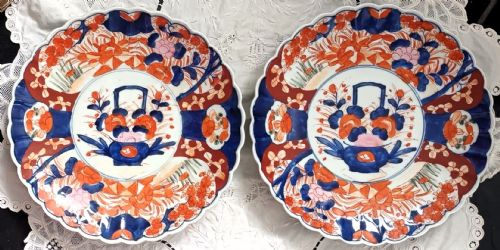


Decorative Ceramic Basket
These decorative ceramic baskets combine painted views, applied flowers and hand-crafted modelling from the nineteenth and early twentieth centuries, offering a charming centrepiece for a traditional table.
Decorative Ceramic Basket
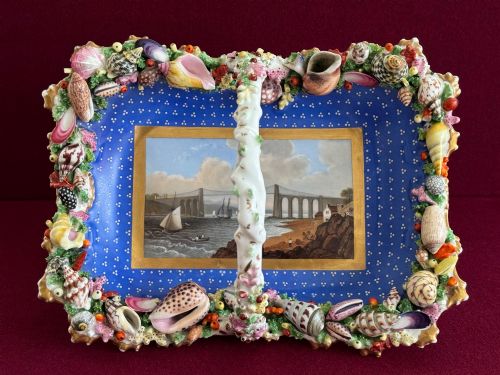
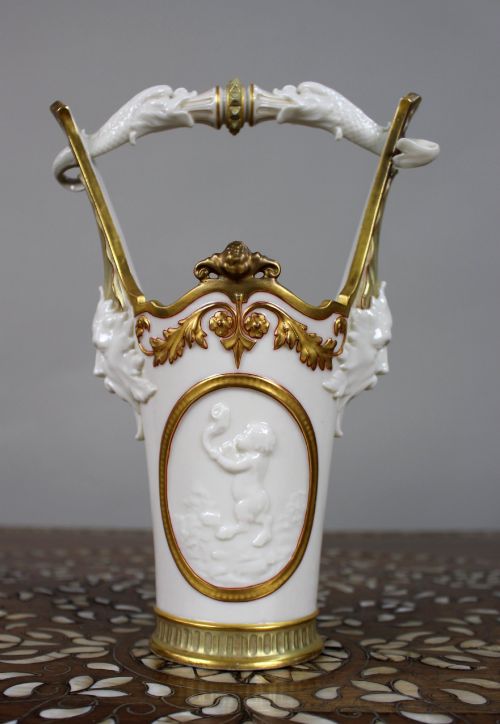
A decorative ceramic basket takes various forms across the Victorian and Edwardian periods, including footed bowls, centrepieces, and handled vessels painted with named views or floral patterns. When you search for a decorative ceramic basket, you encounter porcelain and earthenware items originating from English factories like Chamberlain Worcester and Royal Worcester, alongside continental figures and oriental wares.
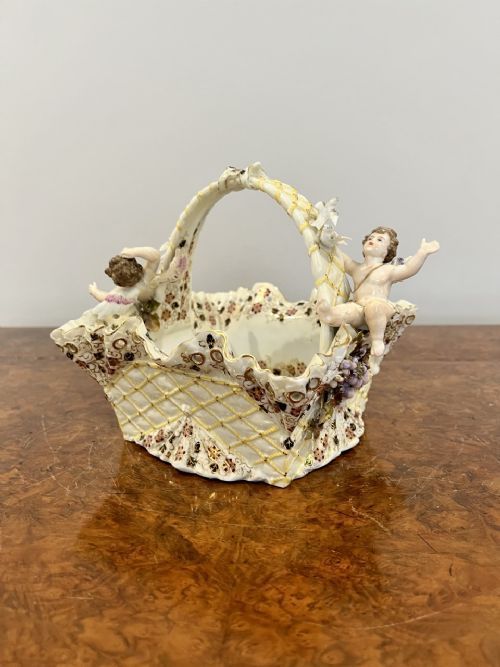
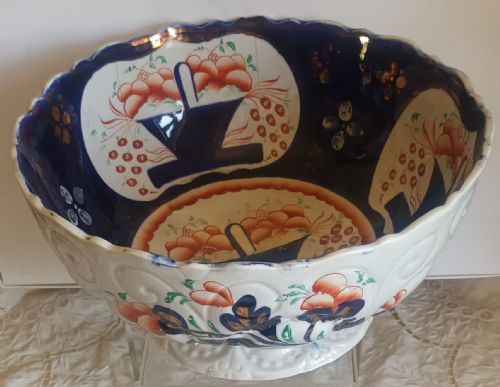
The selection ranges from footed pottery bowls bearing the Gaudy Welsh "Basket of Flowers" pattern to exhibition pieces adorned with cherubs and applied flowers. These objects served primarily as ornamental items for the parlour or dining table, reflecting the nineteenth-century taste for elaborate floral and landscape decoration.
Materials and manufacturing techniques
The pieces on this page utilise porcelain, earthenware, and ironstone bodies shaped into bowls, vases, and figures. Makers applied coloured glazes, enamel paints, and gold leaf or gilding to finish the surfaces, often incorporating hand-painted topographical views and applied ceramic flowers.
Techniques varied from moulded earthenware featuring printed and painted patterns to finely potted porcelain decorated with hand-painted reserves. Some items combine ceramic pots with metal stands or wicker cases, showing the diverse production methods of nineteenth-century potteries.
Decorative Ceramic Basket Retail Price Guide 2026
Typical asking prices for decorative ceramic basket among the pieces listed under this phrase on Sellingantiques today, from the lower quarter to the upper quarter. They describe what is for sale here now, not the wider market.
Listings feature items from the nineteenth and early twentieth centuries, spanning the Victorian and Edwardian eras alongside the Japanese Meiji period.
Assessing quality in ceramic baskets
Quality in these pieces depends on the crispness of the modelling, particularly in applied floral work and figural elements such as cherubs. Hand-painted details, including detailed views of bridges or floral motifs, distinguish superior items from standard production wares.
The reputation of the maker, such as Chamberlain Worcester or Royal Worcester, influences the standing of a piece within its period. Finer examples exhibit meticulous brushwork, careful gilding, and well-balanced forms that survive from the nineteenth and early twentieth centuries.
Chamberlain Worcester·Royal Worcester·Schierholz·Masons
The Decorative Ceramic Basket Glossary
- Gilding
- The application of gold leaf or gold paint to ceramic surfaces for ornamentation. It highlights handles, rims, and decorative motifs.
- Enamel
- A vitreous composition fused to the ceramic surface through firing to provide bright colours. It creates durable, glossy decoration on porcelain and pottery.
- Copper Lustre
- A metallic glaze producing a coppery, reflective sheen on pottery. It appears on nineteenth-century earthenwares to add warmth and shine.
- Ironstone
- A type of durable earthenware patented in the nineteenth century. It provides a sturdy body for plates and bowls decorated with hand-painted designs.
Decorative Ceramic Basket: Frequently Asked Questions
What are decorative ceramic baskets?
These items are nineteenth and early twentieth-century porcelain and earthenware vessels shaped like baskets or decorated with basket motifs, often featuring hand-painted views and applied flowers.
Created primarily as ornamental centrepieces or table displays, they reflect the Victorian and Edwardian preference for elaborate floral artistry in the home.
How were these ceramic pieces used?
Victorian households utilised these ceramic baskets and bowls as decorative centrepieces on dining tables or sideboards to display flowers or simply as standalone ornaments.
Smaller pieces and figures served to adorn mantelpieces and display cabinets, adding colour and craftsmanship to formal rooms.
How do I date a ceramic basket?
Dating relies on identifying factory marks, stylistic traits of the Victorian, Edwardian, or Meiji periods, and manufacturing materials like porcelain versus earthenware.
Named topographical views, specific floral patterns such as Gaudy Welsh, and documented maker names also help narrow down the production era.
How should I display ceramic baskets?
Place these items on stable surfaces away from high-traffic areas to protect delicate applied flowers and painted enamel surfaces from accidental knocks.
Keep them out of direct sunlight to preserve the vibrant colours of the hand-painted views and gold leaf details over time.