





Decorative Cachepots
These decorative cachepots house indoor plants in style, offering a handsome vessel to elevate ordinary flower pots.
Decorative Cachepots
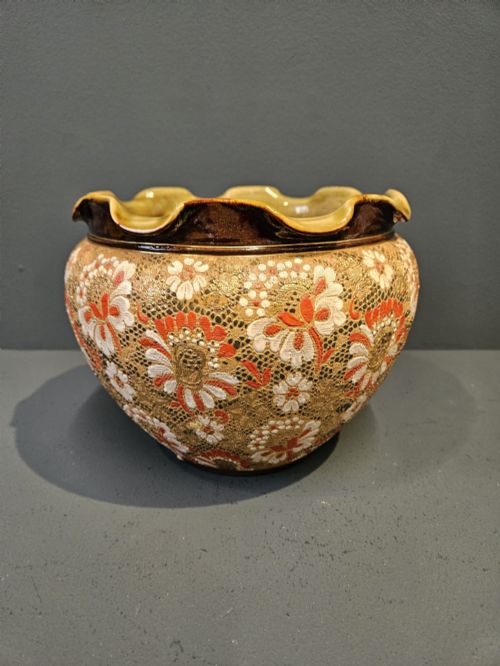
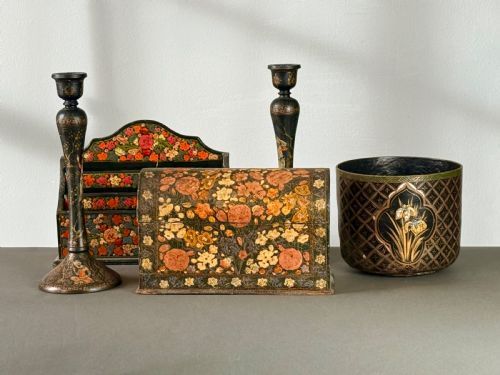
When searching for decorative cachepots, buyers encounter a variety of vessels designed to conceal plain plant pots, primarily taking the form of jardinieres, planters, and bowls. These items emerge from periods spanning the Georgian era through to the early twentieth century, encompassing Victorian and Edwardian examples.
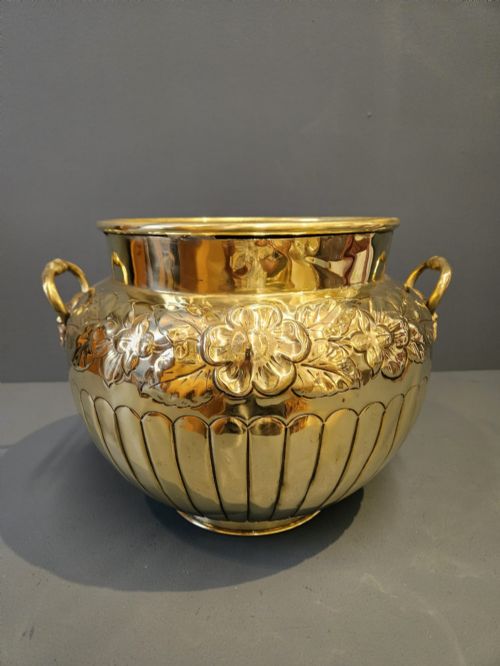
The selection frequently includes ceramic and porcelain bodies alongside metalwork pieces formed in brass, copper, and bronze. Stylistic influences range from Chinoiserie and Japanese Edo or Meiji periods to European Arts and Crafts, Art Nouveau, and traditional Chinoiserie designs.
Makers and potteries such as Doulton, Royal Worcester, and Minton feature prominently among the ceramic offerings. Buyers also find wooden wine coolers and coopered planters sitting alongside pierced or embossed metal receptacles.
How They Were Made
Potters and ceramicists utilised earthenware, porcelain, and clay bodies, applying detailed glazes, enamel work, and hand-painted scenes to the surfaces. Factories such as Doulton Lambeth and Royal Worcester employed specialised techniques like blush ivory finishes and transfer printing.
Metalworkers shaped vessels using brass, copper, and bronze through methods including piercing, embossing, and coopered construction. Cloisonné enamel work appears on metal bowls, while wooden pieces rely on traditional joinery and cooperage for mahogany, walnut, and pine structures.
Decorative Cachepots Retail Price Guide 2026
Typical asking prices for decorative cachepots among the pieces listed under this phrase on Sellingantiques today, from the lower quarter to the upper quarter. They describe what is for sale here now, not the wider market.
A solitary nineteenth-century pine wine cooler finds itself moonlighting among the ceramic jardinieres as a remarkably deep indoor planter.
What Varies in Quality
The calibre of a piece rests heavily on the crispness of its surface decoration, whether in the depth of hand-painted porcelain floral motifs or the precision of embossed brass and copper work. Pieces featuring named artists or established factory marks demonstrate superior artistic execution.
Material thickness and structural integrity set finer examples apart from standard utility items. Substantial bronze castings, heavy gauge brass planters, and cleanly turned wood cooperage indicate high-grade workshop production.
Barr Flight and Barr·Doulton Lambeth·Doulton Burslem·Royal Doulton·Royal Worcester·James Hadley·Coalport·Minton
The Decorative Cachepots Glossary
- Cachepot
- A decorative flowerpot container designed to hold a growing pot and catch drainage water. The French term translates directly as hidden pot.
- Jardiniere
- A large ornamental pot or stand for indoor plants and flowers. These vessels form the bulk of the ceramic and metal planters found in this category.
- Cloisonne
- An ancient technique for decorating metalwork objects with coloured material held in place by thin metal strips. Artisans solder flat wires to the metal base before filling the partitions with enamel.
- Blush Ivory
- A specialised ceramic ground finish developed by Royal Worcester in the late nineteenth century. It creates a soft, matt cream background that mimics ivory and receives delicate floral painting.
- Coopered
- Constructed from wooden staves bound together with metal or wooden hoops, similar to barrel-making. This technique shapes sturdy planters from mahogany, walnut, and pine.
Decorative Cachepots: Frequently Asked Questions
What is a decorative cachepot used for?
These vessels serve primarily to conceal functional terracotta plant pots inside the home. They prevent water damage to furniture by catching drainage while adding an ornamental focal point to a room.
Historically, they sat upon tables, plant stands, and hearths to bring greenery into interior spaces. Today, they continue this domestic role while doubling as decorative bowls or desk accessories.
How can I identify Victorian ceramic cachepots?
Victorian examples often display maker marks from prominent potteries on the base, alongside registration numbers or impressed factory stamps. Look for characteristic design traits like transfer-printed florals, rich glazes, and hand-painted details.
Stylistic cues such as the aesthetic movement's love for Japanese motifs or heavy moulded earthenware help narrow down the production era.
What is the difference between a jardiniere and a cachepot?
A jardiniere typically refers to a larger ornamental stand or bowl meant to hold plants, often displayed independently on the floor or a dedicated pedestal. A cachepot is traditionally a smaller decorative container designed specifically to hide an ordinary flower pot.
In marketplace terminology, the terms frequently overlap, as many larger jardinieres function perfectly as cachepots for substantial houseplants.