
Decorative Cabinet Plates
These decorative cabinet plates bring together fine porcelain, enamel, and hand-painted artistry from the eighteenth century through to the mid-twentieth century.
Decorative Cabinet Plates
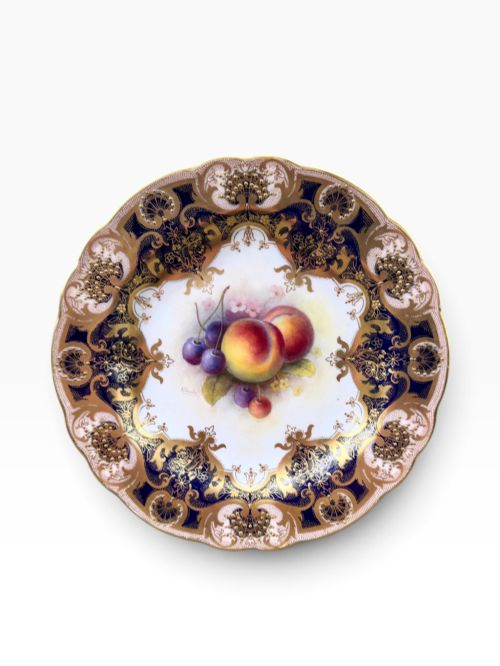
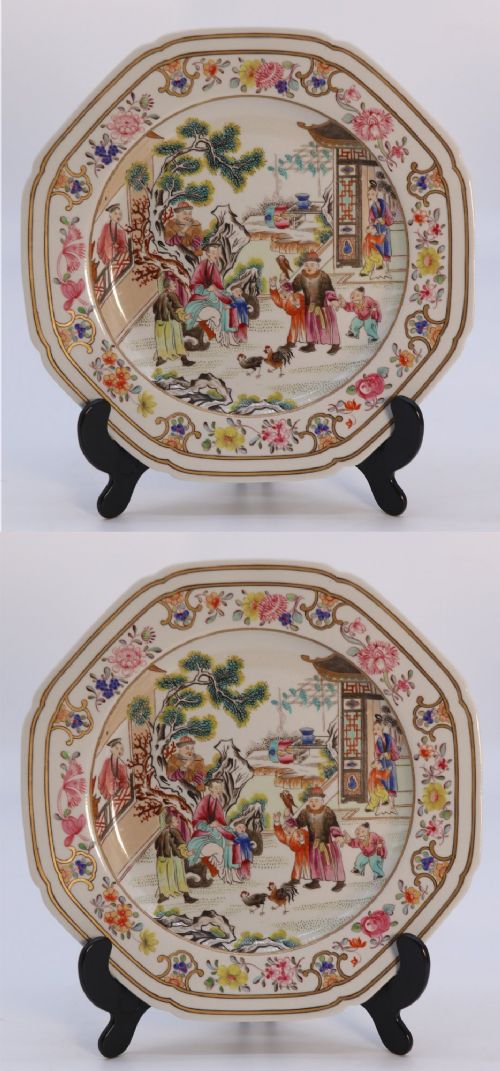
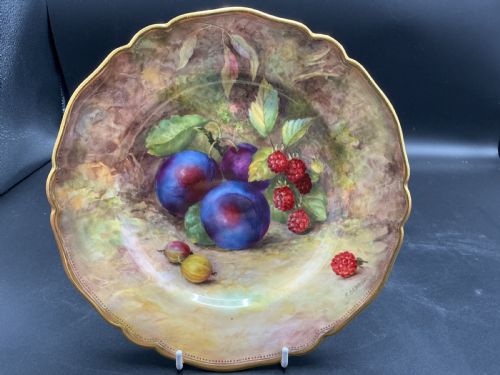
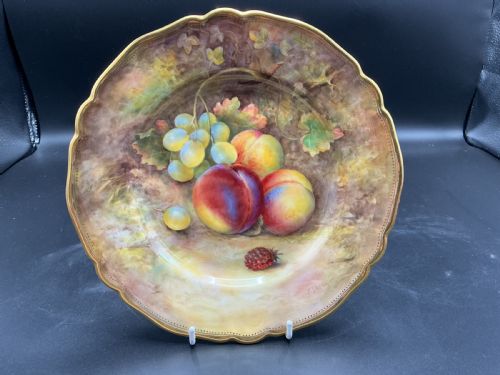
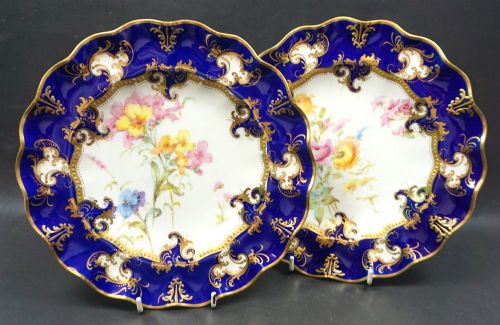
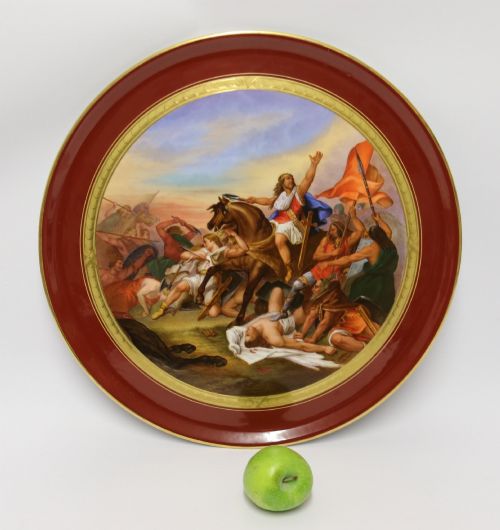
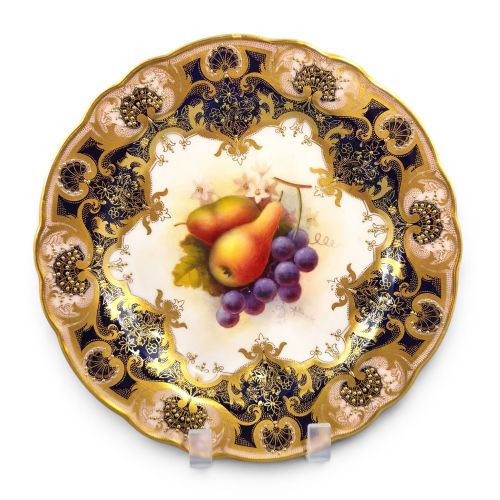
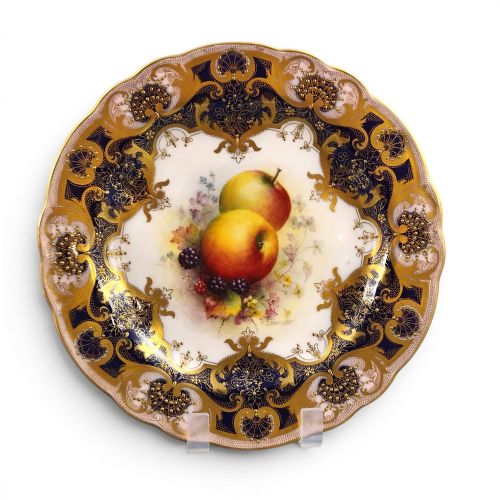
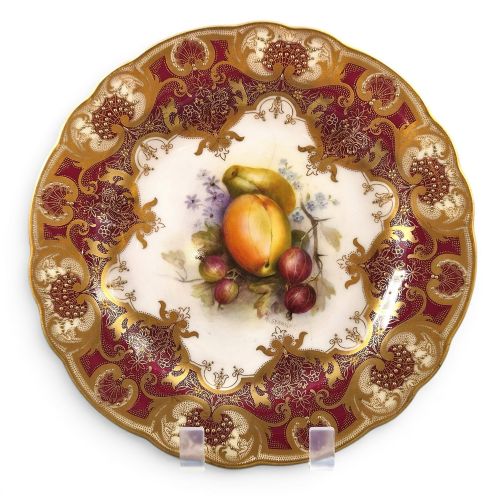
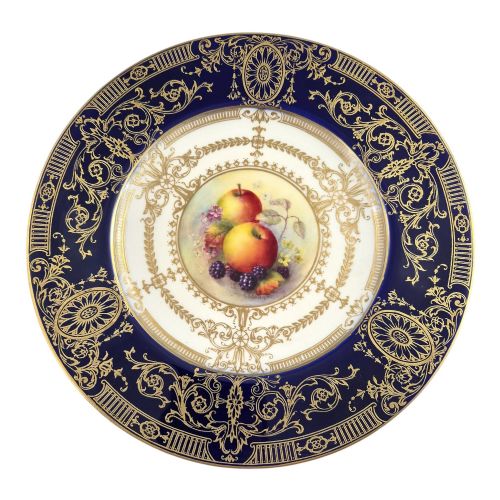
These decorative cabinet plates comprise ornamental dishes, plaques, and chargers created primarily for display rather than dining. The selection on this page draws heavily from nineteenth-century English and French porcelain houses, alongside earlier Georgian and later twentieth-century productions.
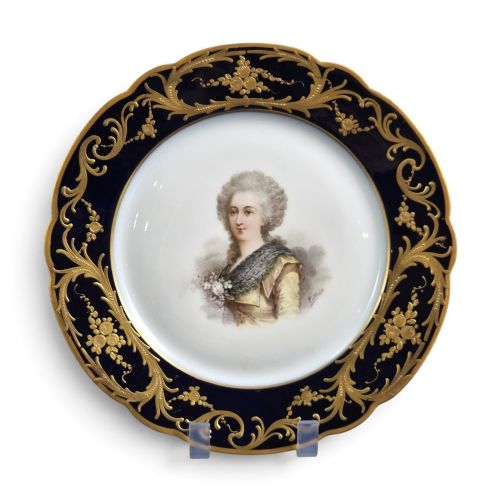
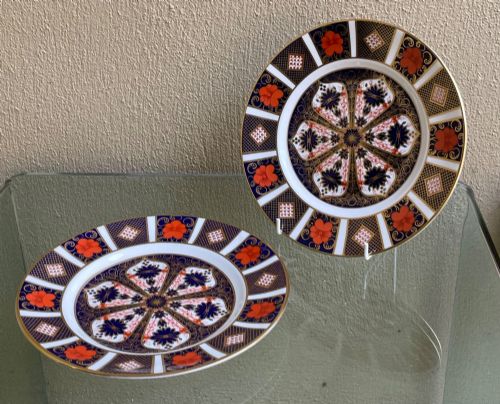
Makers designed these objects to showcase artistic painting, specific patterns such as Japanese Imari, and armorial crests. Collectors will encounter dessert plates, octagonal cabinet dishes, and pictorial plaques spanning styles from Rococo Revival to Art Deco.
How they were made
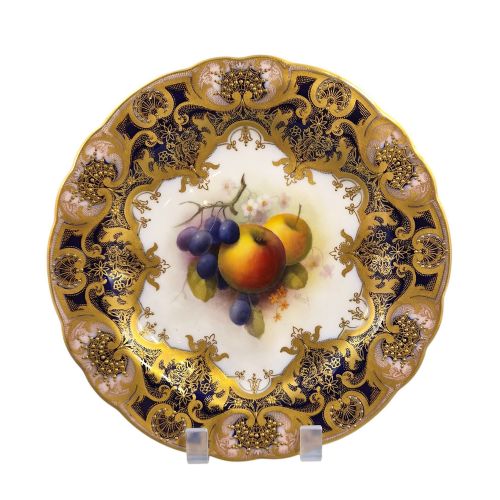
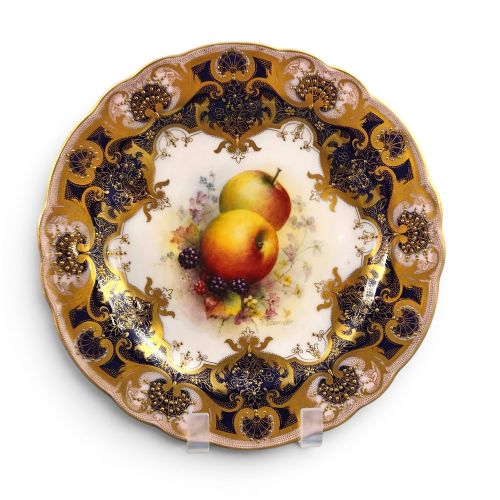
Potters shaped these pieces using porcelain, bone china, stone china, and ironstone, applying glaze and enamel paints to the ceramic body. Artisans then integrated gold leaf and gilding to accentuate borders and central motifs.
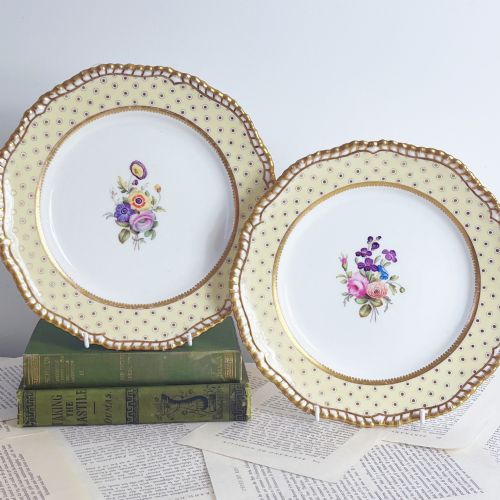
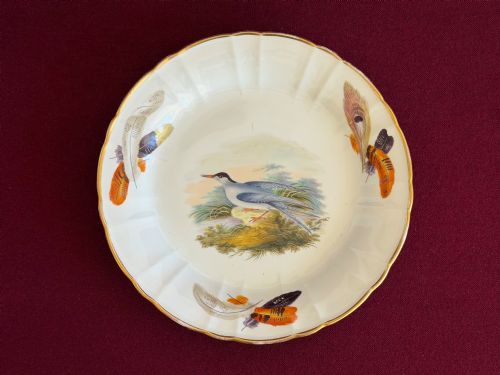
Many items feature hand-painted scenes, botanical studies, and portraits executed by notable ceramic artists. Firing techniques varied from soft-paste porcelain production to robust stoneware fabrication.
Listings feature porcelain, bone china, enamel, and gold leaf across Victorian, Georgian, and Art Deco styles.
What varies in quality
Quality separates ordinary factory output from pieces bearing the signature of recognised artists such as Albert Shuck, Richard Sebright, or David Dewsberry. The precision of hand-painted detail and the richness of the gilding determine the upper tier of these works.
The complexity of the form and the pedigree of the manufacturing house, from Sèvres and Royal Worcester to Copeland and Minton, dictate the standing of each plate within the broader scope of ceramic history.
Royal Crown Derby·Royal Worcester·Royal Doulton·John Davenport of Longport·Darte Brothers
The Decorative Cabinet Plates Glossary
- Cabinet plate
- An ornamental dish intended for display in a cabinet rather than use at the table. These often feature elaborate painted scenes or rich gilding.
- Imari
- A decorative style originating in Japan characterised by cobalt blue, iron red, and gold. English factories frequently copied these palettes during the Georgian and Victorian periods.
- Bone china
- A type of porcelain composed of bone ash, feldspathic material, and kaolin. It offers high mechanical strength and a milky translucency.
- Gilding
- The application of gold leaf or gold powder to the surface of ceramics. This technique highlights rims, handles, and painted borders.
Decorative Cabinet Plates: Frequently Asked Questions
What are decorative cabinet plates?
These are ornamental ceramic dishes designed specifically for display in cabinets or on walls rather than for serving food.
They often feature intricate hand-painted subjects, armorial crests, or rich gilding that reflect the artistic standards of their period of manufacture.
How were cabinet plates used?
Owners displayed them in dining rooms and drawing rooms to demonstrate taste, wealth, and an appreciation for fine art.
Special stands or wall-hanging brackets kept them secure while allowing guests to admire the painted decoration.
How do I live with antique plates?
Displaying them securely in dedicated cabinets or utilising proper wall mounts protects the delicate enamel and gold leaf from accidental damage.
Keeping them away from direct sunlight preserves the vibrancy of the hand-painted pigments over time.
How do I tell different periods apart?
Makers' marks stamped or painted on the reverse provide the most reliable guide to a piece's age and origin.
Stylistic cues, such as the heavy gilding of Victorian pieces or the clean lines of Art Deco designs, also help establish the era of manufacture.