



Decorative Bronze Desk Light
A decorative bronze desk light brings weight, character and warm illumination to a workspace, combining metalwork and sculptural form.
Decorative Bronze Desk Light
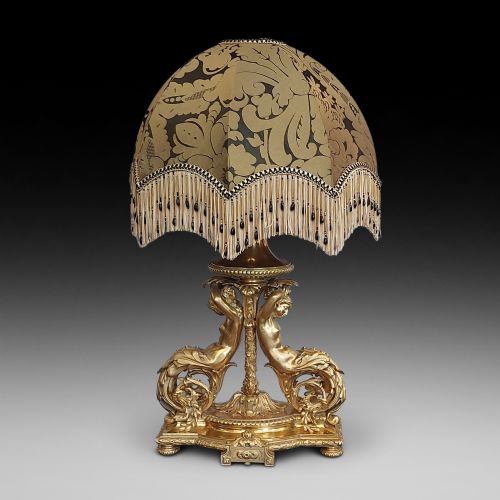
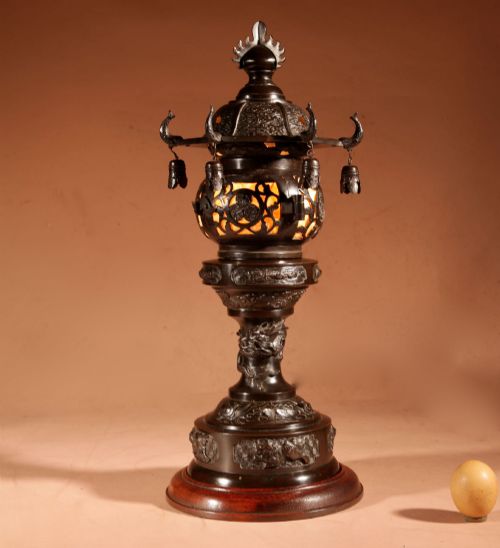
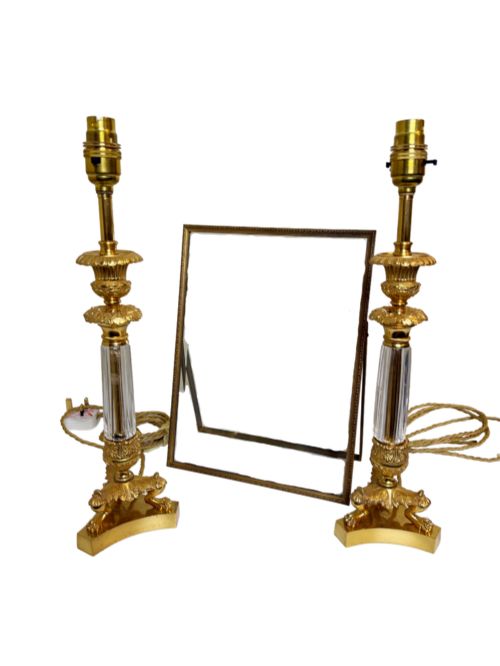
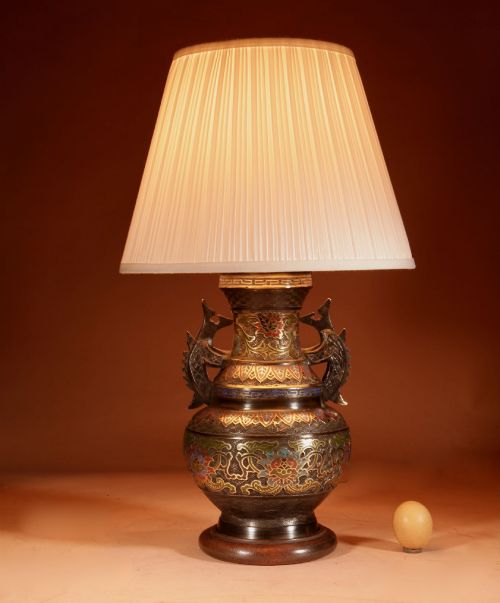
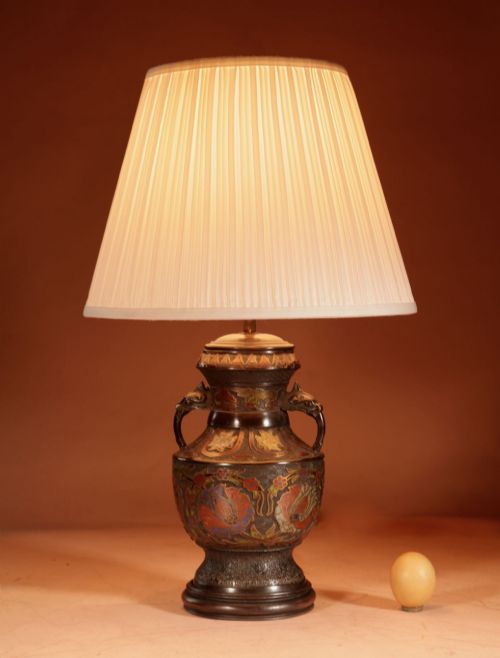
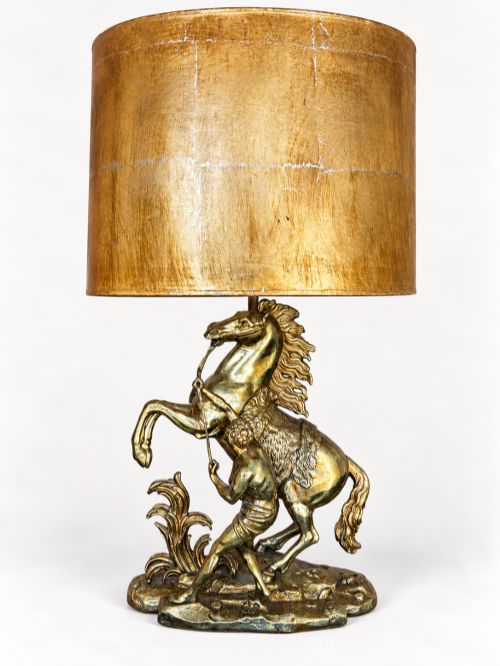
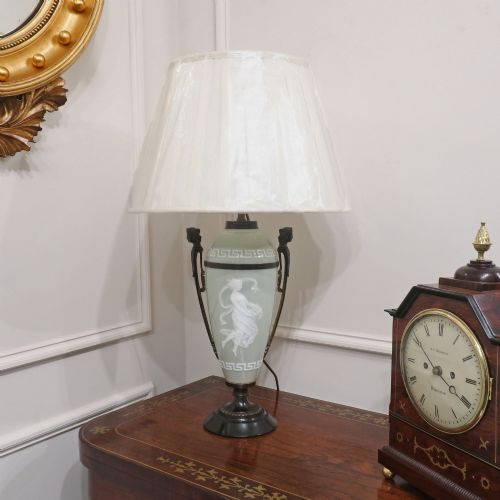
A decorative bronze desk light is typically encountered as a table lamp, lamp base, or converted vessel dating from the nineteenth and early twentieth centuries. These pieces span diverse aesthetic movements, including Art Nouveau, Art Deco, and French revival styles.
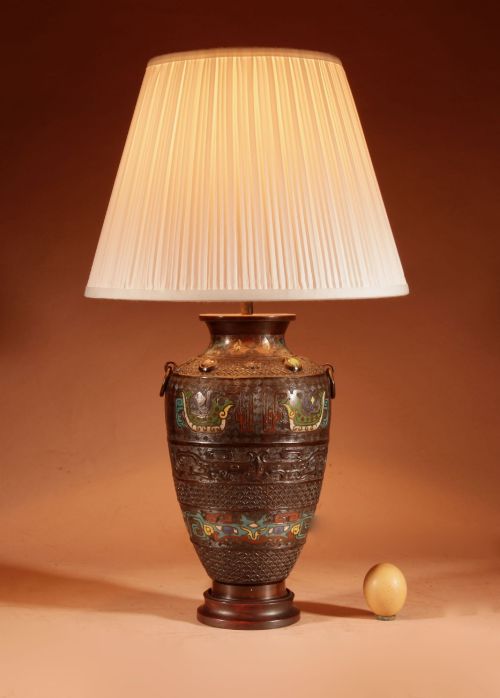
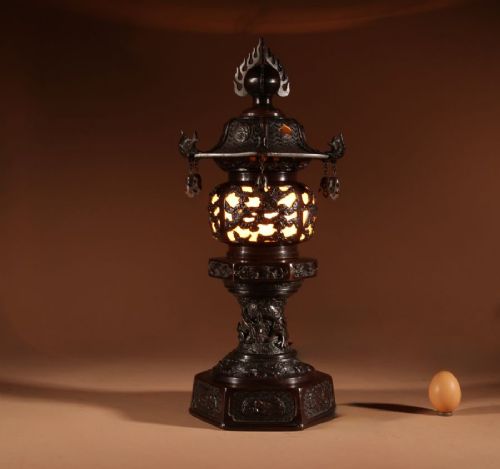
Makers often drew inspiration from classical motifs, Japanese craftsmanship, or figurative sculpture, resulting in varied forms from urns and ewers to figural desk pieces.
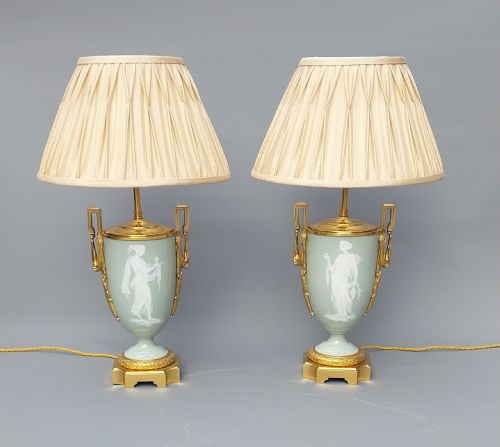
Buyers frequently find models incorporating contrasting materials like porcelain, marble, or glass alongside the primary metal structure.
Materials and construction
Foundry work relies heavily on bronze, gilt bronze, and ormolu, sometimes paired with brass or finished with bronzed patination.
Many examples integrate decorative elements such as champlevé enamel, glass cabochons, crystal accents, or inserts of porcelain like celadon and pate-sur-pate.
Decorative Bronze Desk Light Retail Price Guide 2026
Typical asking prices for decorative bronze desk light among the pieces listed under this phrase on Sellingantiques today, from the lower quarter to the upper quarter. They describe what is for sale here now, not the wider market.
Current listings feature pieces spanning the 1870s to the 1930s, incorporating bronze, porcelain, marble, and fabric elements.
Quality and execution
The distinction between tiers rests upon the crispness of the casting and the finesse of the hand-finishing, particularly in chased details and figural definition.
Harmonious integration of mixed media, such as high-grade porcelain bodies secured with finely cast mounts, separates standard production from superior examples.
Georges Leleu·Emile Picault·Guillaume Coustou·P. Sega
The Decorative Bronze Desk Light Glossary
- Ormolu
- Gilded bronze, typically produced by applying a mercury and gold amalgam to a bronze base and heating it until the mercury vaporises. This technique yields a durable, rich surface finish found on many classical mounts.
- Champlevé
- An enamelling technique where troughs or cells are hollowed out of the metal surface and filled with vitreous enamel before firing. It frequently appears on Japanese-influenced metalwork of the late nineteenth century.
- Pâte-sur-pâte
- A ceramic decoration method where liquid clay is built up in successive layers on a base body to create low-relief cameos. These plaques are often set into metal lamp bodies.
- Cabochon
- A gemstone or piece of glass shaped and polished brightly rather than faceted. In lighting design, glass cabochons are often inset into metal frames to diffuse light.
Decorative Bronze Desk Light: Frequently Asked Questions
How do I date a bronze desk light?
Dating relies on stylistic clues, such as fluid organic lines for Art Nouveau pieces or geometric simplification for Art Deco models.
Material composition and casting techniques also provide context, as nineteenth-century methods differ perceptibly from later industrial output.
Were these lamps originally electrical?
Many older pieces began as candlesticks, oil lamps, vases, or ewers before conversion to electricity at a later date.
Such transformations are standard practice for antique lighting and preserve historical bases for modern use.
How do I care for gilt bronze?
Maintain the surface by dusting gently with a soft, dry cloth without applying chemical cleaning agents.
Aggressive polishes can strip the original gilding or patination accumulated over decades.
What styles are common in these lamps?
Common styles include French neoclassical, Rococo revival, Art Nouveau, and Japanese Meiji period designs.
Maker influences often dictate whether a piece leans toward classical symmetry or naturalistic asymmetry.