



Gold Bronze Reading Light
These gold bronze reading light fixtures bring warm illumination and classic decorative presence into a room, forged from enduring metals through French and English craftsmanship.
Gold Bronze Reading Light
A gold bronze reading light provides focused task illumination while acting as a striking decorative object in a study or drawing room. When searching for a gold bronze reading light, collectors encounter substantial table lamps and tall standard lamps originating from the nineteenth and early twentieth centuries.
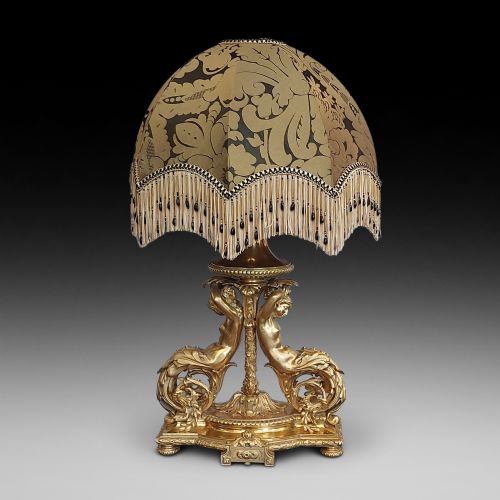
The pieces appearing on this page span Victorian, Edwardian, and Belle Epoque periods, drawing heavily on French Rococo Revival, Neoclassical, and Second Empire design aesthetics. These fixtures often incorporate figural elements, classical columns, and elaborate cast ornamentation designed to sit proudly on heavy tables or floor stands.
How they were made
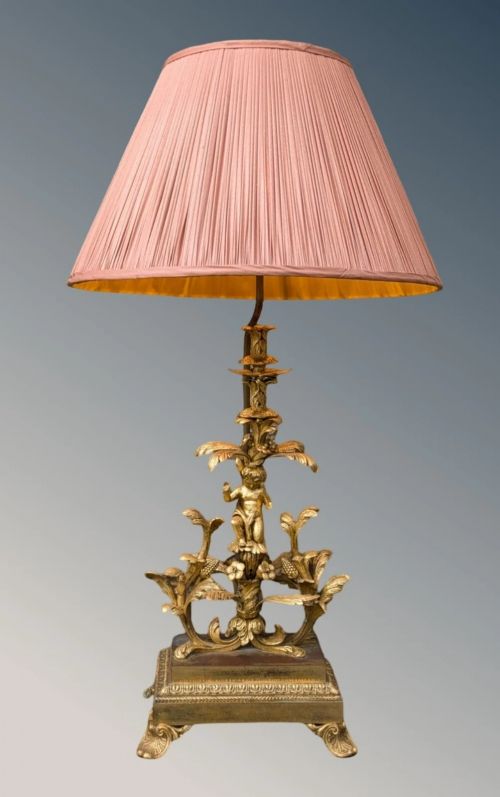
Metalworkers shaped these lamps primarily using bronze, gilt bronze, and ormolu, occasionally combining brass components and heavy marble bases for structural balance and visual contrast. Artisans employed detailed casting techniques to produce figurative motifs like cherubs alongside crisp architectural column designs.
Lighting assemblies frequently integrated glass shades paired with fabric or silk coverings to diffuse the illumination effectively. These materials required precise joining methods, ensuring that substantial metal columns and figural bases could safely support electrical fittings or original burner mechanisms.
Gold Bronze Reading Light Retail Price Guide 2026
Typical asking prices for gold bronze reading light among the pieces listed under this phrase on Sellingantiques today, from the lower quarter to the upper quarter. They describe what is for sale here now, not the wider market.
A tiny bronze cherub perched atop a nineteenth-century column lamp has spent over a hundred years watching readers turn pages.
What varies in quality
The standard of chasing and surface finish distinguishes standard production from exceptional examples, as sharper hand-chiselled details reveal the true skill of the bronze worker. Heavier castings with deep relief work and refined gilding demonstrate superior workshop output compared to simpler, softer surface treatments.
Proportion and material integrity also dictate worth, particularly where heavy bronze meets marble or secondary metals like brass. Superior pieces maintain crisp casting lines across intricate figural elements and architectural column fluting without blurring or surface pitting.
The Gold Bronze Reading Light Glossary
- Ormolu
- Gilded bronze produced through an application of mercury and gold amalgam, creating a durable golden surface finish. This technique defines many high-status French decorative objects from the nineteenth century.
- Gilt bronze
- Bronze metal treated with a thin layer of gold applied through fire gilding or modern electroplating methods. It provides the lustrous metallic sheen seen across numerous period lamps.
- Spelter
- A zinc alloy frequently utilised as a cost-effective alternative to bronze for figural sculptures and lamp bases. It carries a painted or bronzed finish to mimic heavier metals.
- Belle Epoque
- A period of optimistic cultural and artistic production spanning the late nineteenth century up to the First World War. Designs from this era emphasise elegance, ornamentation, and French stylistic influence.
- Column lamp
- A lighting fixture shaped like a classical architectural column, often featuring a fluted shaft and detailed capital. These heavy structural bases borrow directly from ancient Greek and Roman orders.
Gold Bronze Reading Light: Frequently Asked Questions
Where should I place a standard lamp?
These tall floor-standing fixtures work best in corners of reception rooms or beside reading chairs where they can cast downward illumination. Their substantial metal bases require stable flooring and adequate clearance from foot traffic.
Positioning them away from damp environments preserves the delicate fabric shades and protects the gilded bronze or brass surfaces from oxidation over time.
How do I identify a French nineteenth century lamp?
French pieces from this era typically display distinct stylistic markers such as Rococo Revival curves, Neoclassical proportions, or elaborate Second Empire detailing. The casting quality on handles, bases, and figural mounts tends to be exceptionally crisp and deep.
Examining the underlying bronze or ormolu construction alongside any assembly screws or threading often confirms European manufacturing methods typical of Paris workshops.
Are these lamps wired for modern use?
Many period fixtures have been rewired at various points in their long histories to comply with contemporary electrical standards safely. Collectors should inspect the internal wiring paths and plugs to ensure they meet current domestic safety requirements before daily operation.
Professional rewiring preserves the original metal body while providing modern functional reliability for everyday illumination.
What maintenance do bronze and ormolu require?
Historic bronze and gilded surfaces need only gentle dusting with a soft, dry cloth to prevent the accumulation of grime. Harsh commercial cleaning agents or abrasive polishes must be avoided entirely because they strip away patination and original gilding.
Maintaining a stable room temperature free from excessive humidity helps protect the underlying metal and any associated fabric or silk shades.