






Decorative Asian Pottery
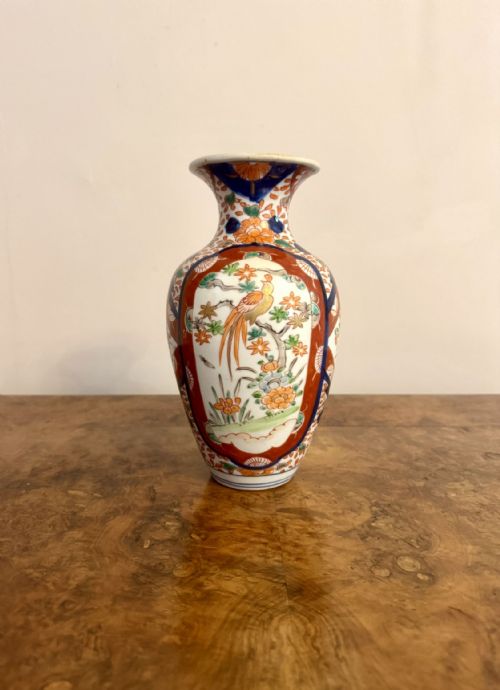
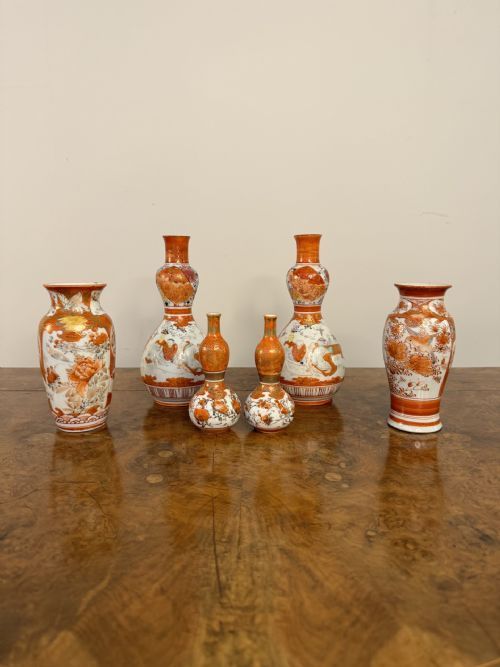
These decorative asian pottery pieces bring centuries of refined ceramic artistry into a room, offering rich colours and intricate hand-painted details.
Decorative Asian Pottery
When buyers search for decorative asian pottery, they encounter a diverse selection of vessels and figures originating primarily from Japanese and Chinese traditions. The pieces appearing here span from the nineteenth century into the early twentieth century, encompassing Victorian and Edwardian interpretations alongside distinct Asian eras.
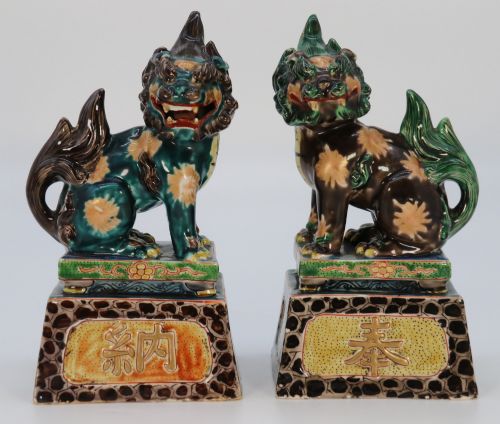
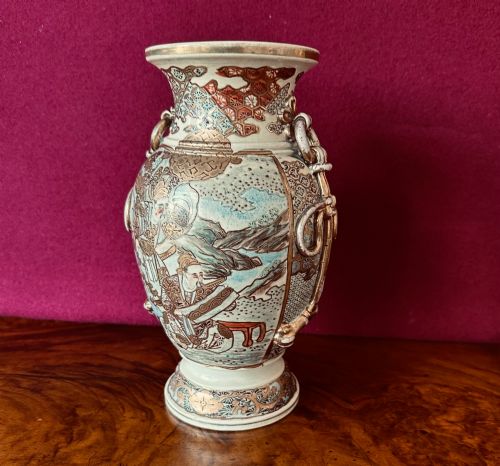
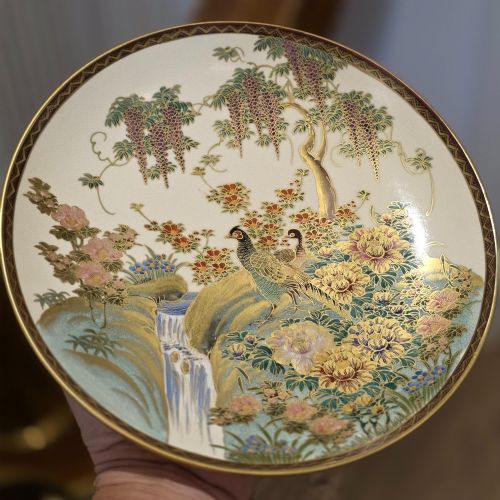
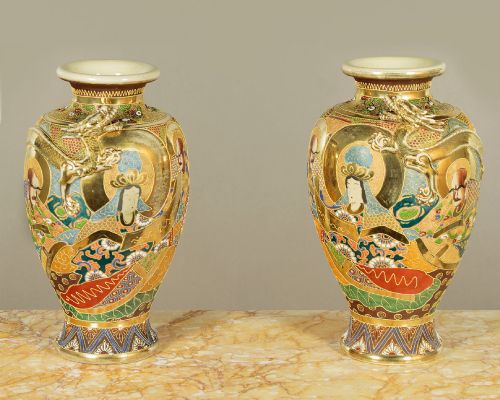
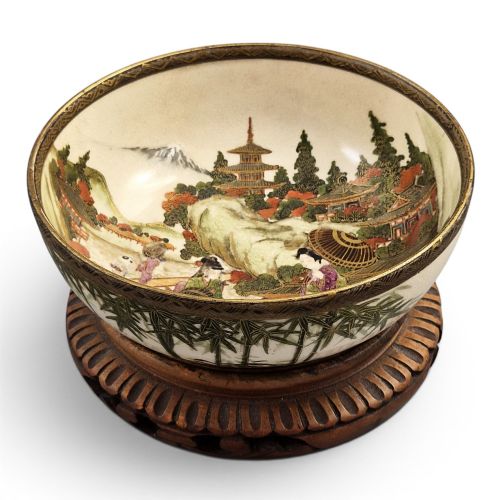
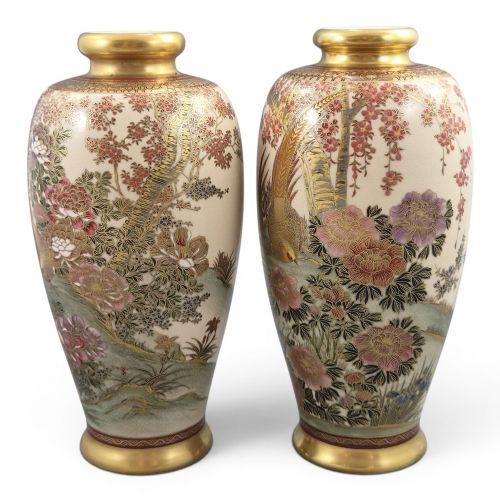
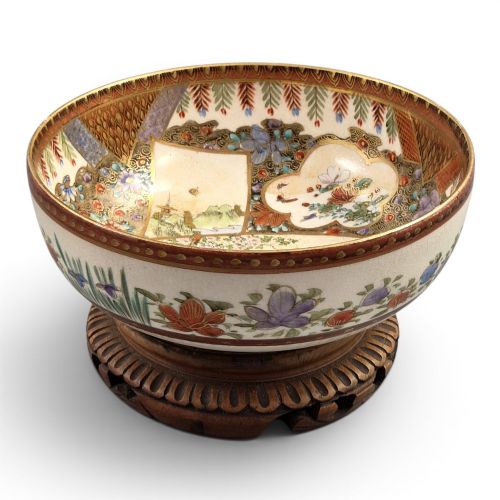
Vases, bowls, and lidded jars form the core of the selection, accompanied by table lamps, decorative plates, and sculptural figures such as Buddhist lions and okimono. Satsuma and Kutani wares dominate the current grouping, representing specific regional styles known for intricate surface painting.
Items range from compact miniature vases to large pairs intended for prominent display spaces. Buyers find both export pieces made for Western markets and traditional forms reflecting specific historical periods like the Meiji era and Qing dynasty.
Materials and construction methods
Pottery and porcelain provide the primary structural foundation for these objects, shaped into vases, bowls, and figures before receiving decorative treatments. Earthenware and ceramic bodies are glazed, painted, or left with subtle celadon and sancai finishes depending on the intended aesthetic.
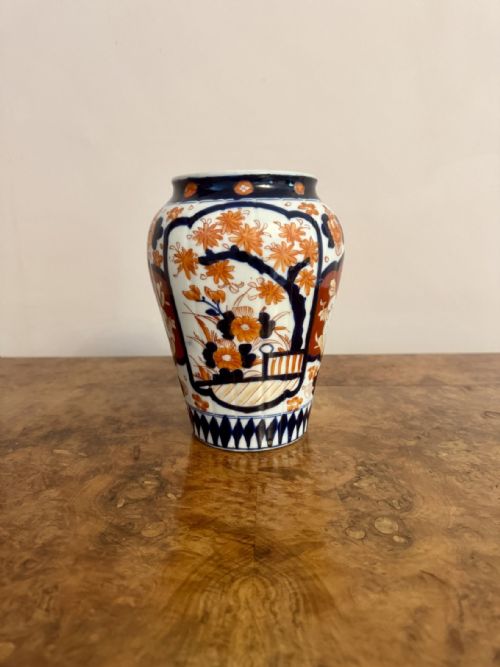
Enamel and gold leaf frequently overlay the ceramic body, applied with meticulous brushwork to create detailed patterns, family scenes, and floral motifs. Artisans utilise gilt highlights and cobalt blue underglazes to accentuate relief carving and painted panels on Satsuma and Imari pieces.
Decorative Asian Pottery Retail Price Guide 2026
Typical asking prices for decorative asian pottery among the pieces listed under this phrase on Sellingantiques today, from the lower quarter to the upper quarter. They describe what is for sale here now, not the wider market.
Listings feature items from the Victorian and Edwardian periods alongside pieces dated directly to the nineteenth and early twentieth centuries.
Distinguishing quality across the range
Quality rests upon the precision and complexity of the hand-painted decoration, where fine brushwork and controlled use of gold leaf distinguish superior examples from standard production. Signed pieces by recognised makers often display greater artistic ambition in narrative scenes and intricate patterning.
The harmony between the ceramic form and its surface ornamentation dictates overall success, with well-balanced proportions enhancing the visual impact of the glaze and enamel. The crispness of incised motifs and the depth of colour application further separate ordinary items from exceptional works.
Manpei Kobe·Kozan·Ryuzan·Chosei·Kinkozan·Kizan·Hakusan·Hododa
The Decorative Asian Pottery Glossary
- Satsuma
- A type of Japanese earthenware with a ivory-coloured, crackled glaze that serves as a canvas for elaborate polychrome and gilt enamel painting.
- Kutani
- A style of Japanese coloured porcelain and pottery traditionally characterised by vibrant palettes and bold pictorial designs.
- Imari
- A traditional Japanese export ware featuring distinctive dark blue and iron red designs accented with gold.
- Okimono
- A small Japanese decorative carving or figurine intended for display on a shelf or in a tokonoma alcove.
- Celadon
- A pale green or grey-green transparent glaze that mimics jade, often found on early ceramic vessels with incised decoration.
Decorative Asian Pottery: Frequently Asked Questions
Where should I display large decorative bowls?
Place large bowls on sturdy sideboards, tables, or specialised stands where their interior patterns and rim details remain fully visible. Ensure they sit away from high-traffic edges to prevent accidental knocks.
Good natural light enhances the intricate painted scenes and cobalt blue tones without exposing the pigments to harsh direct sunlight.
What defines the Meiji period style?
The Meiji period encompasses Japanese items created during an era of rapid artistic output and international trade. These works frequently feature dense, highly detailed narrative scenes, intricate floral borders, and rich application of enamel and gold.
Signature panels and artist marks commonly appear on the base of these vessels.
Can I use these antique lamps safely?
Table lamps fashioned from older pottery require professional electrical rewiring to meet modern safety standards before regular use. A qualified electrician can adapt the wiring without altering the ceramic body or historic fittings.
Pair them with appropriately sized shades that complement the proportions of the base.