


Decorative Asian Porcelain Urns
These decorative asian porcelain urns bring hand-painted narrative scenes and rich cobalt glazes into modern interiors, originating largely from Japanese Meiji and Showa workshops.
Decorative Asian Porcelain Urns
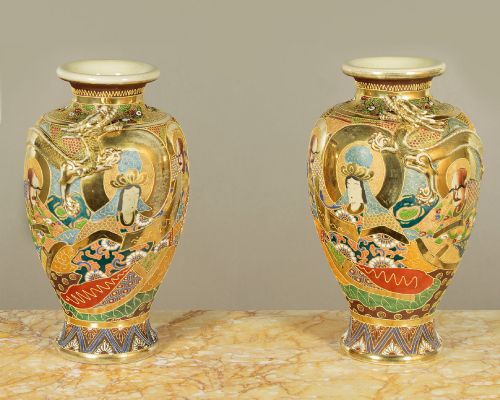
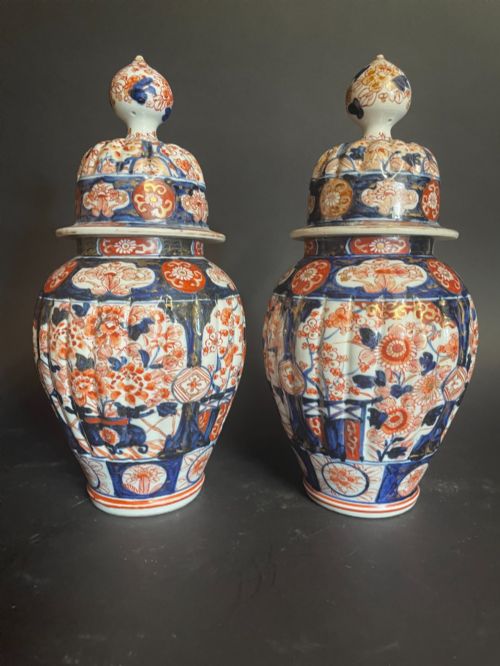
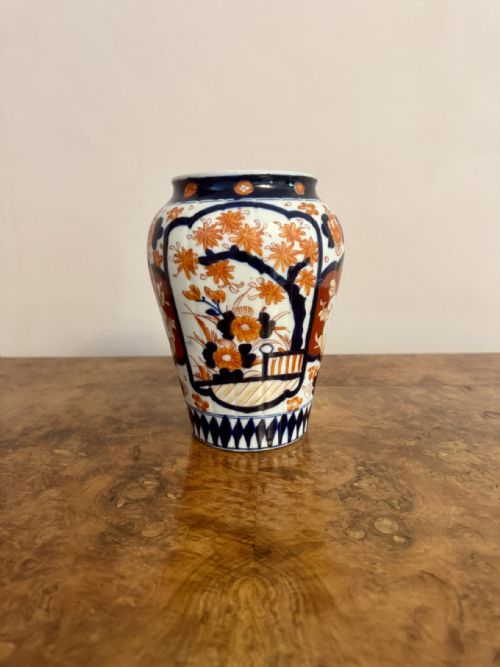
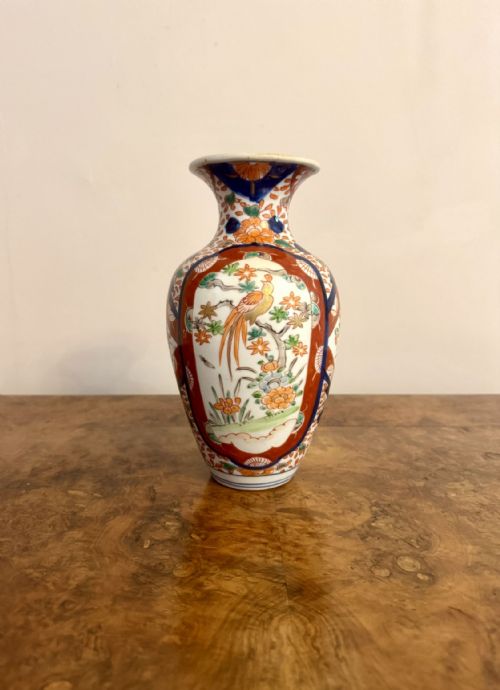
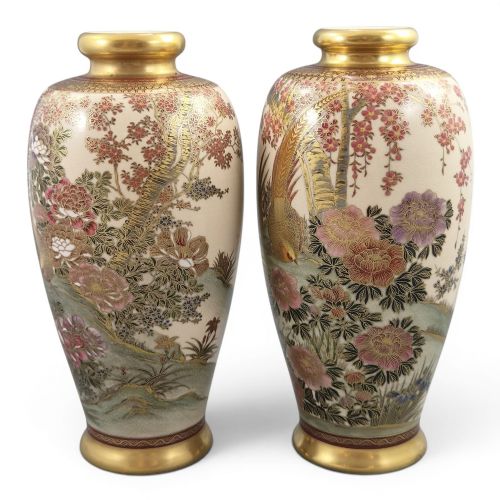
When searching for decorative asian porcelain urns, buyers encounter a robust selection of Japanese and Chinese vessels spanning the nineteenth and early twentieth centuries. The inventory focuses heavily on Satsuma, Imari, and Kutani wares configured as vases, ginger jars, lidded jars, and incense burners.
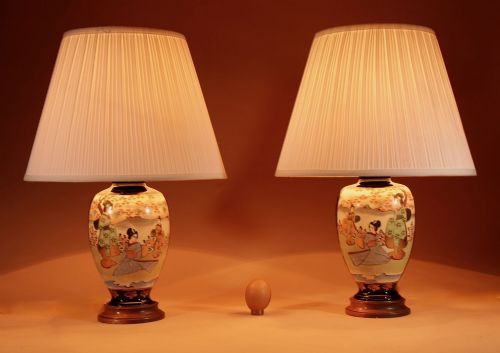
Most examples originate from the Meiji period through to the Showa era, demonstrating traditional forms like baluster vases and bottle vases with flaring necks. Buyers frequently find matching pairs and larger monumental pieces alongside smaller cabinet specimens and converted table lamps.
Chinese blue and white porcelain ginger jars with Kang Xi marks also appear alongside Japanese pieces finished with lacquer over black paint. These vessels served both decorative and ritual functions in their original settings, translating historic eastern aesthetics into tangible domestic objects.
How they were made
Potters shaped these vessels from ceramic and porcelain bodies before applying intricate hand-painted designs using enamel pigments and gold leaf details. Artisans incorporated gilt accents and occasionally combined porcelain with wood, fabric, and lacquer over black paint to achieve contrasting surface textures.
Kiln firing fixed the underglaze cobalt blues and vibrant overglaze enamel palettes onto the ceramic substrate. Specialised workshops employed master painters who signed their Satsuma and Kutani output with specific artist marks and family crests.
Several pieces preserve quiet family scenes painted over a century ago, allowing quiet glimpses into domestic Japanese life.
What varies in quality
The degree of artistic execution in the hand-painted figures and landscapes dictates the standing of an individual piece. Finer examples display meticulous brushwork, dense gilt highlights, and balanced composition across the ceramic surface.
Signatures from recognised makers and historical workshops elevate specific vessels above standard commercial production. Preservation of the original enamel and gold leaf without excessive rubbing distinguishes superior survivals from heavily handled items.
Manpei Kobe·Chosei Kyoto·Kizan
The Decorative Asian Porcelain Urns Glossary
- Satsuma
- A type of earthenware originating from Japan, characterised by a cracked ivory glaze richly decorated with polychrome enamels and gold leaf.
- Imari
- A distinct style of Japanese porcelain featuring a palette dominated by underglaze blue, iron red, and supplementary gold overglaze.
- Kutani
- Japanese porcelain and ceramic ware known for bold, pictorial designs utilising vibrant greens, blues, yellows, purples, and reds.
- Koro
- A traditional Japanese incense burner, typically fitted with a pierced cover to allow fragrance to escape.
- Baluster
- A vertical architectural form resembling a vase shape, swelling towards the lower portion and tapering upward.
Decorative Asian Porcelain Urns: Frequently Asked Questions
How do I identify Satsuma ware?
Satsuma pieces feature a distinctive fine craquelure glaze in cream or ivory, serving as a ground for heavily applied enamel and gilt decoration. These vessels often depict figurative family scenes or dense floral patterns.
Makers frequently added artist signatures or kiln marks to the base, which helps establish the specific workshop origin and production period.
Where should I display these urns?
Large baluster vases and lidded jars anchor prominent spaces such as entrance halls, mantelpieces, and dining room sideboards. Their strong vertical forms and rich coloration command attention in traditional and eclectic interiors alike.
Smaller vessels and miniature vases suit enclosed shelving or cabinet displays where close inspection of the hand-painted details remains possible.
Are these pieces functional?
While historic vessels were created to hold flowers, store spices as ginger jars, or burn incense as koros, surviving examples primarily function as decorative works of art. Converting certain vases into table lamps adapted them for modern lighting needs while preserving the antique ceramic body.
Water tightness cannot be guaranteed on antique ceramics, so using inner protective liners is recommended if displaying fresh floral arrangements.
What is the difference between Imari and Kutani?
Imari wares rely on a signature palette combining deep underglaze cobalt blue with vibrant iron red and supplementary gold highlights, often arranged in geometric and floral panels. The aesthetic emphasises rich contrast and structured ornamentation.
Kutani ceramics lean toward pictorial storytelling with broader palettes featuring striking greens, yellows, and purples, focusing heavily on narrative scenes and natural landscapes.
How do I care for antique porcelain?
Dust these surfaces gently using a soft, dry brush to protect delicate enamel pigments and raised gold leaf from abrasion. Avoid chemical cleaners or excessive moisture, particularly around unglazed earthenware areas and older lacquer elements.
Position vessels away from direct sunlight and sudden temperature shifts to safeguard the integrity of the historic glazes and ceramic bodies.