


Decorative Portrait
These decorative antique portrait pieces span oil paintings, miniatures, and busts that bring historic character into a room.
Decorative Portrait
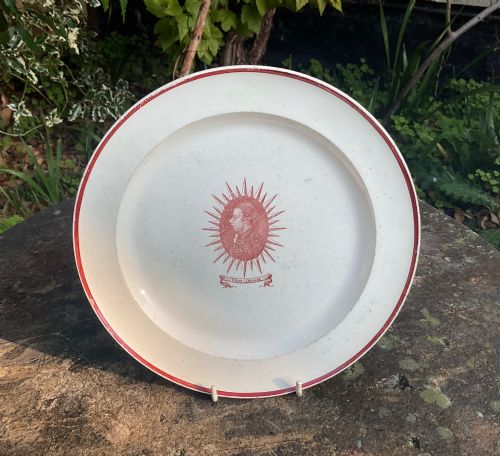
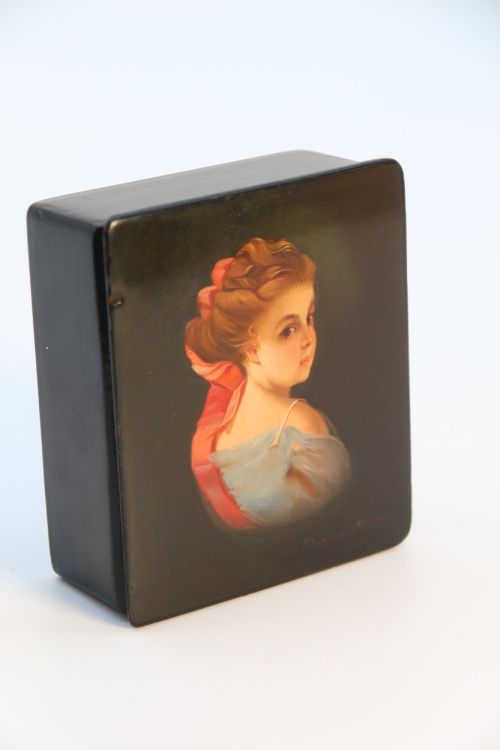
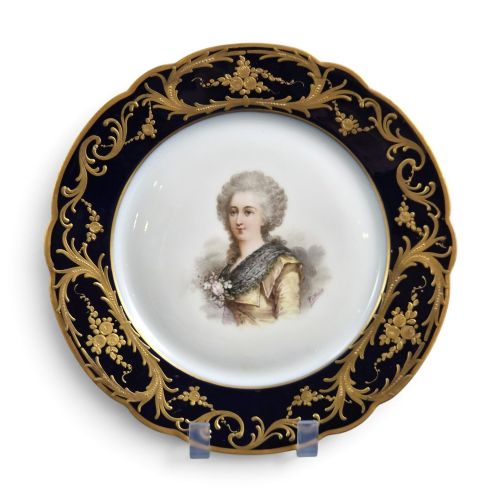
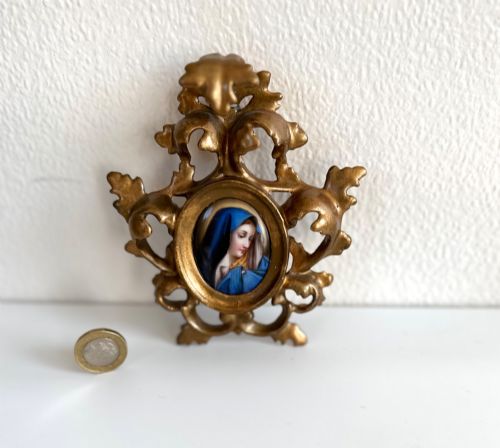
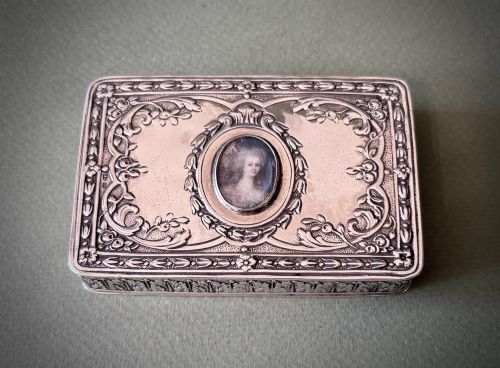
A decorative antique portrait encompasses a broad range of historic likenesses, from painted canvases and miniature watercolours to ceramic cabinet plates, bronze busts, and framed metal plaques. These works record historical figures, royalty, literary subjects, and private sitters through the skilled eyes of past makers.
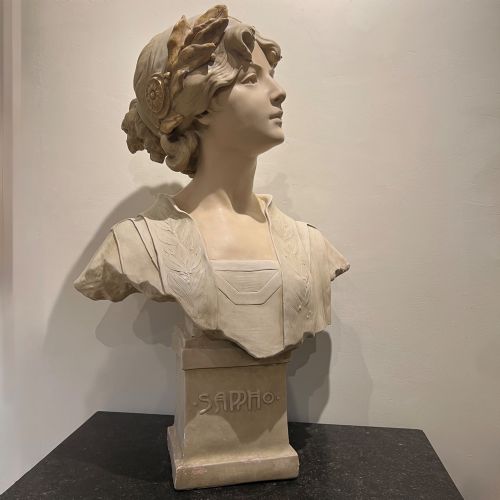
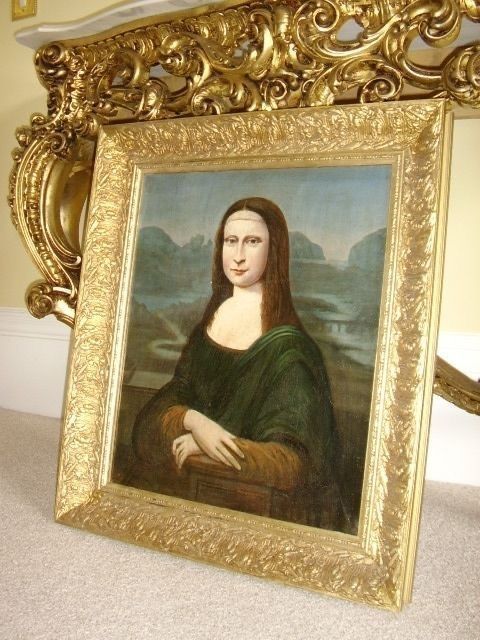
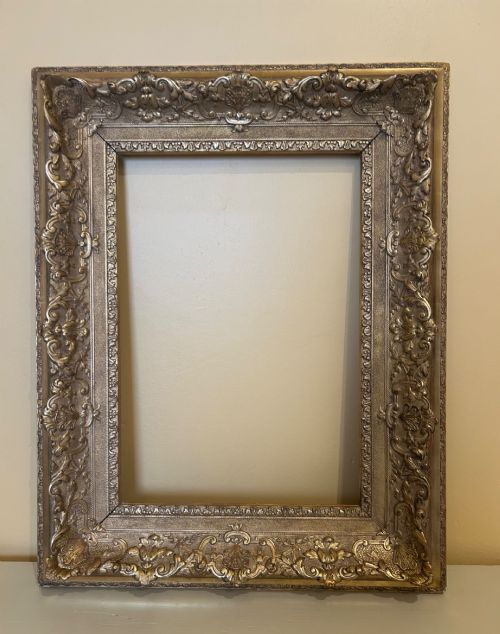
On this page, a buyer most frequently encounters 19th-century and Victorian examples, alongside pieces stretching back to the 18th century and forward into the early 20th century. The selection includes oil paintings in ornate gilt frames, ceramic tiles, and sculptural busts in alabaster, marble, and terracotta.
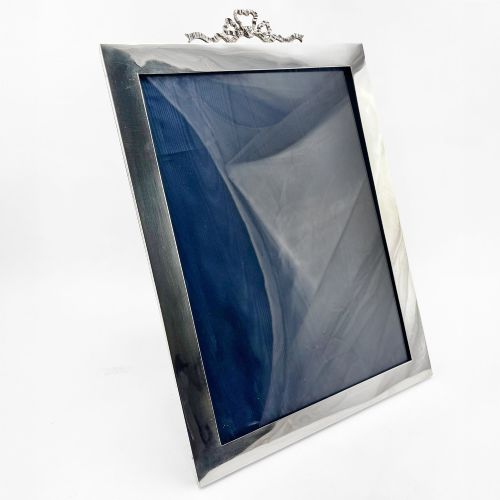
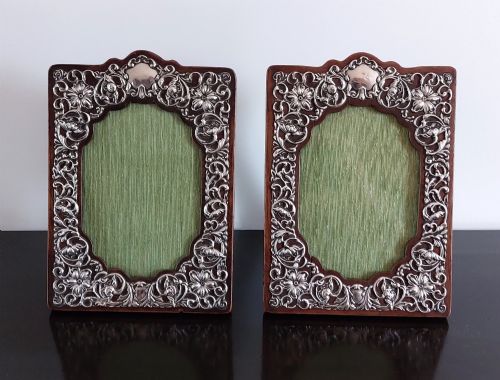
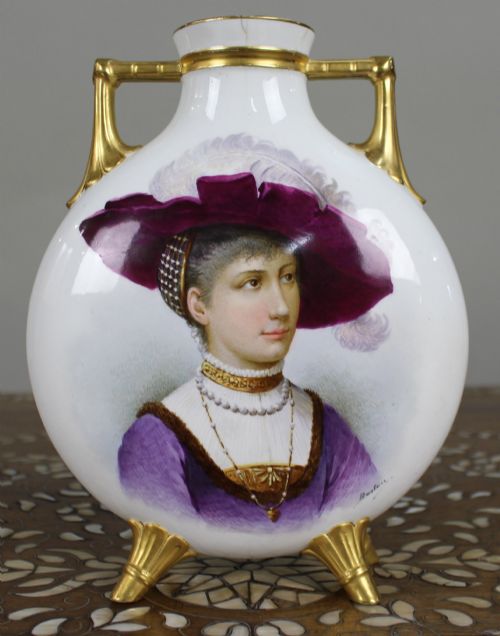
The forms vary widely in scale and purpose, spanning wall-hung paintings, tabletop miniatures, photo frames, and commemorative pottery dishes. Each object integrates likeness with decorative craft, serving simultaneously as a piece of fine art and an interior ornament.
How They Were Made
Makers of these pieces relied on traditional hand techniques, applying oil paint to canvas or wood panel, gouache to paper, and enamel to porcelain plates. Sculptural portraits were carved from alabaster and marble, or cast in bronze, brass, terracotta, and plaster.
Frames and mounts often utilise giltwood, gold leaf, and velvet backings, employing detailed moulding methods such as egg and dart patterns. Ceramic and porcelain examples combine hand-painted details with high-temperature firing and gilding.
Decorative Portrait Retail Price Guide 2026
Typical asking prices for decorative portrait among the pieces listed under this phrase on Sellingantiques today, from the lower quarter to the upper quarter. They describe what is for sale here now, not the wider market.
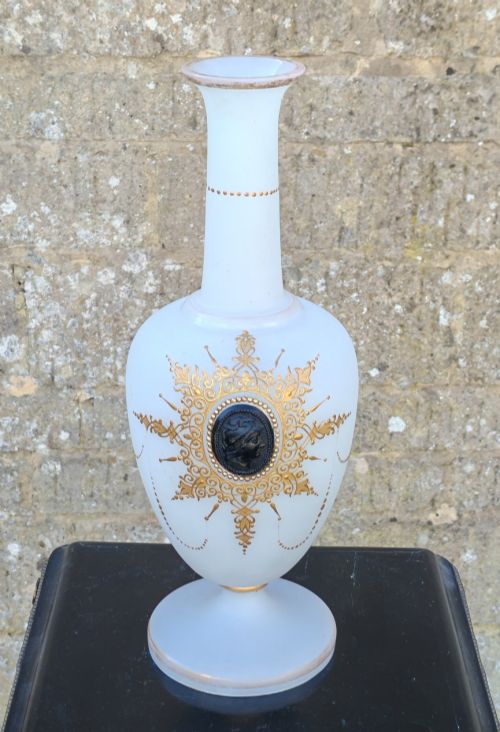
The material record includes glass, enamel, wood, velvet, gold leaf, and giltwood across diverse objects from frames to cabinet plates.
What Varies in Quality
Quality rests in the precision of the rendering, where master painters and sculptors capture expression, proportion, and texture with distinct vitality. Weaker pieces rely on rigid formulae and mechanical repetition, lacking the subtle shading and anatomical truth of finer works.
Materials and framing further distinguish the tier of a piece, with heavy cast bronze, hand-carved alabaster, and deep giltwood moulding elevating an object above mass-produced counterparts. The integrity of the original surface finish, whether unblemished enamel or untouched oil paint, dictates the standing of the work.
John Faber Snr·Nicholas Kannhauser·Reissner Stellmacher and Kessel·Theodore Jensen·John A Monteith·Paul Sormani·John Wenlock Rollins·Sherwin and Cotton·Doulton Lambeth·F Winterhalter·Henry Raeburn
The Decorative Portrait Glossary
- Mezzotint
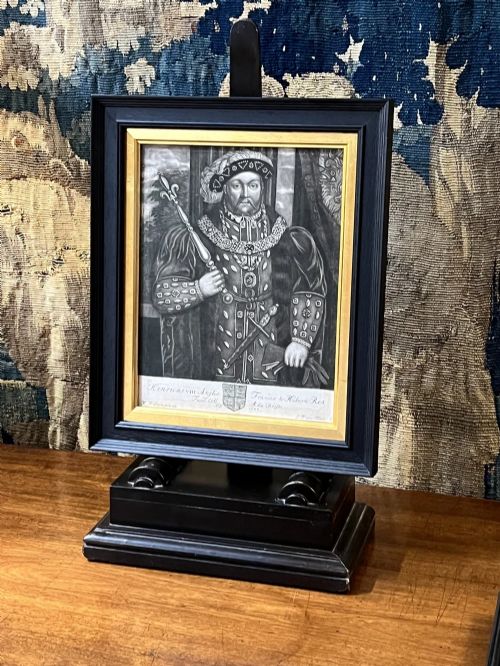
- A printmaking process where the copper plate is roughened to produce tones and rich dark areas. This technique allows for subtle gradations of light and shade in portrait prints.
- Giltwood
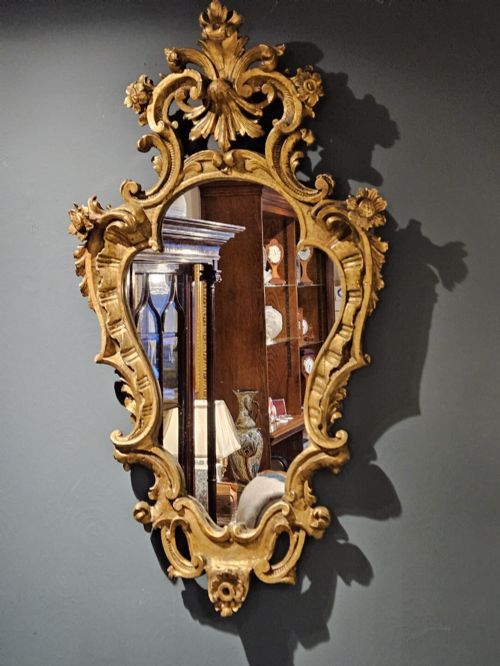
- Wood that has been coated with a thin layer of gold leaf or gesso and gold paint. It provides the shimmering decorative borders seen on many period frames and mirrors.
- Cabinet plate
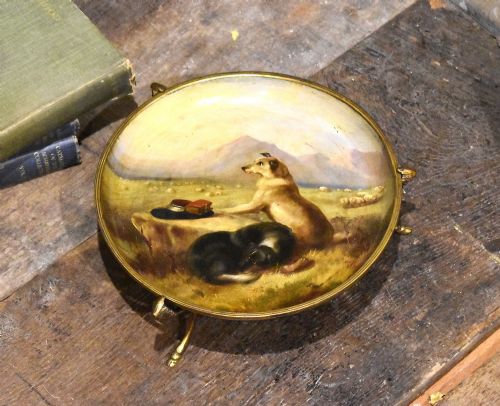
- An ornamental ceramic plate intended for display on a wall or stand rather than for dining. These often feature hand-painted portrait subjects and gilt rims.
- Trumeau mirror
- A decorative wall mirror paired with a painted panel or low-relief carving above the glass. The upper section frequently incorporates classical motifs or portrait scenes.
Decorative Portrait: Frequently Asked Questions
How are antique portrait paintings dated?
Dating relies on costume details, hairstyles, stretcher construction, and canvas types used during specific periods. Signatures and exhibition labels also help place a work within a known active window.
Material analysis of the pigments and the style of the surrounding frame provide additional clues to confirm the era of creation.
Where were portrait miniatures displayed?
These small-scale works were often housed in pocket cases, worn as pendants, or set into travel frames on desks and dressing tables. Their intimate scale allowed owners to carry likenesses of family members during journeys.
Later Victorian examples frequently incorporated velvet backs and precious metal stands for prominent display on mantelpieces.
What is the difference between an oil painting and a mezzotint?
An oil painting is a unique work created by applying pigment suspended in oil directly to canvas, panel, or board. Each brushstroke is singular to the artist's hand.
A mezzotint is an intaglio print created from a copper plate, allowing multiple impressions to be pulled while retaining tonal depth and shadow.
How do I care for antique gilt frames?
Gilt frames require gentle dusting with a soft, dry brush to prevent the accumulation of dirt on delicate leaf surfaces. Moisture and chemical cleaners should be strictly avoided to prevent stripping the gold.
Stable indoor humidity protects the underlying wood and gesso from cracking or separating over time.