
Decorative Gilt Porcelain
Decorative antique gilt porcelain brings together fine ceramics and applied gold leaf, offering refined historical ornamentation for any interior.
Decorative Gilt Porcelain
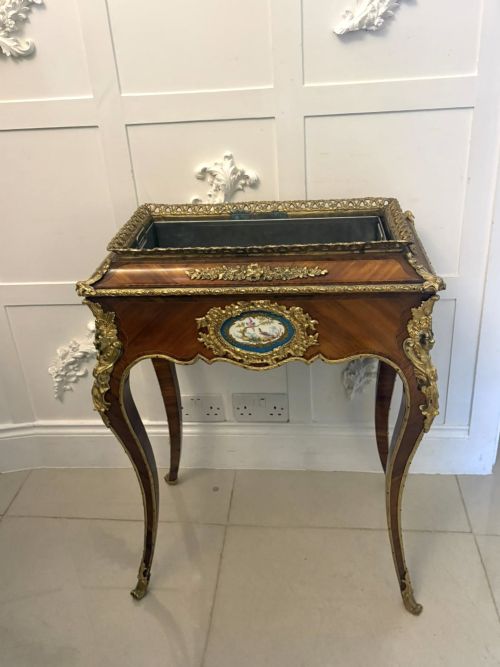
Decorative antique gilt porcelain encompasses a broad range of ornamented ceramics enriched with gold leaf, gilding, or ormolu mounts, predominantly originating from nineteenth-century European and Asian traditions. Buyers searching this phrase encounter diverse domestic and display objects including vases, cabinet plates, jars, jugs, and mantel clocks.
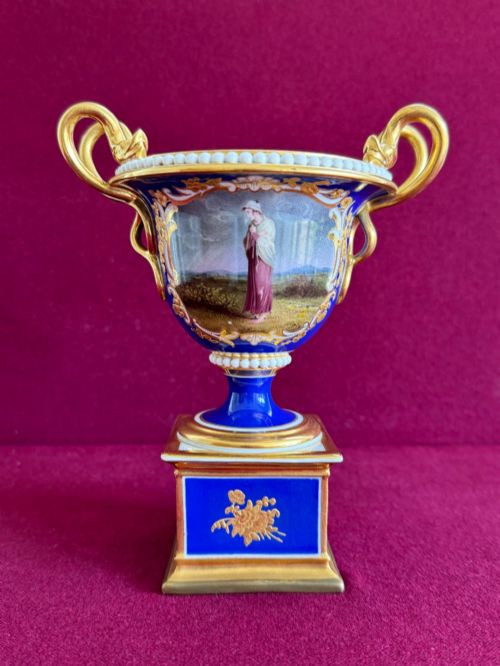
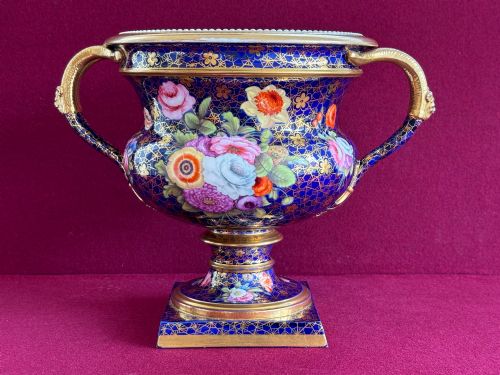
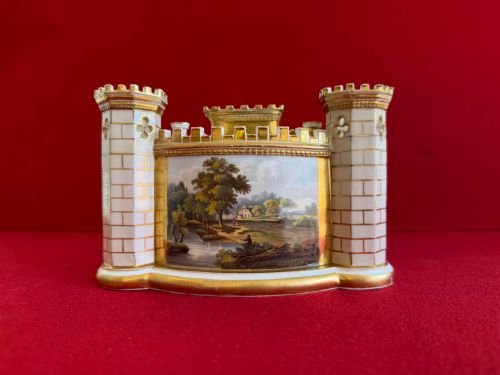
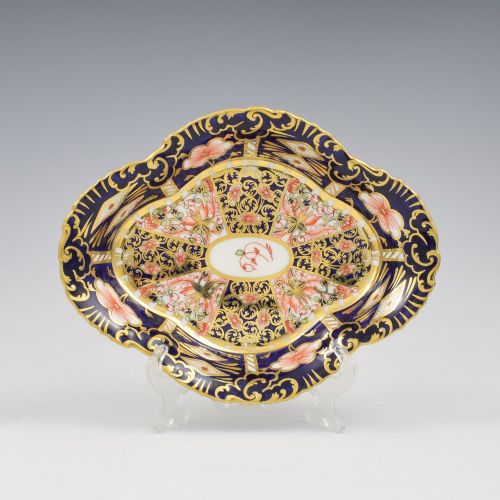
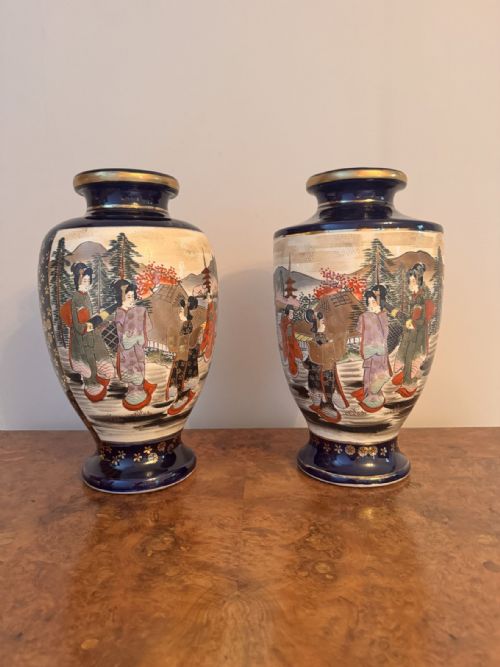
Vases and decorative plates represent the most common formats, often styled with painted panels, hand-applied floral motifs, or intricate patterns. These pieces function as decorative focal points, reflecting the high craftsmanship of ceramic centres across Britain, Europe, and East Asia.
Materials and production techniques
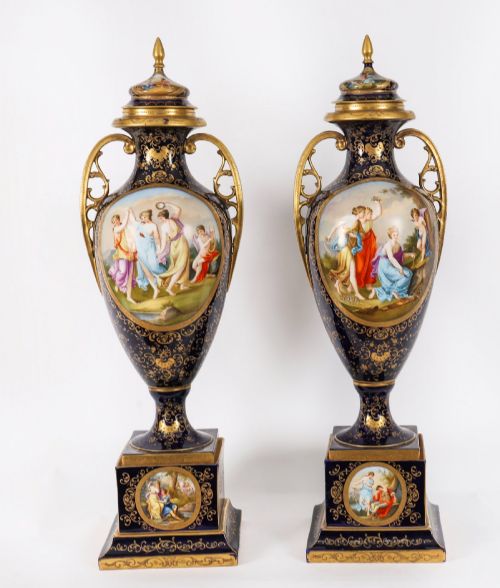
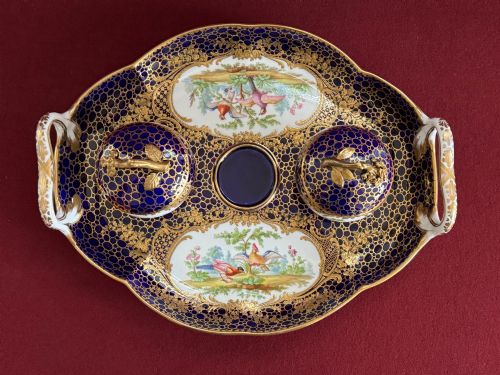
Makers shaped these items from hard-paste porcelain, bone china, or ironstone, fired at high temperatures to create durable ceramic bodies before applying detailed enamel colours and underglaze pigments. Cobalt blue and turquoise grounds frequently serve as rich backdrops for subsequent metallic decoration.
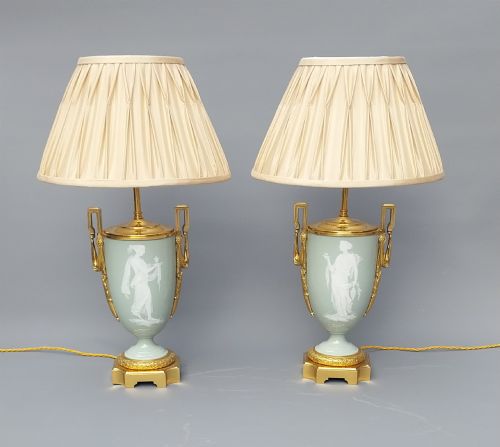
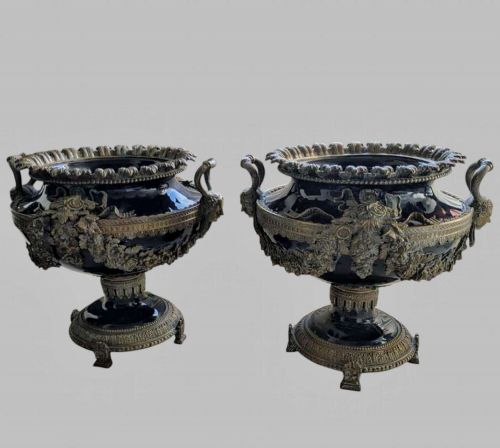
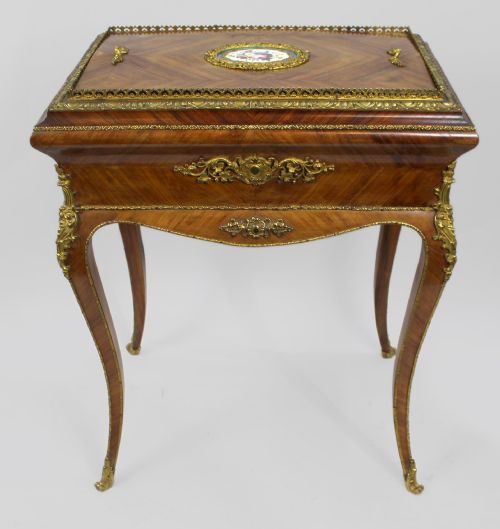
Gold leaf and liquid gilding were hand-painted or burnished onto the ceramic surface, often highlighting rims, handles, and raised relief patterns. Artisans also combined the fired porcelain with cast gilt bronze or ormolu mounts, securing decorative handles, bases, and rims around the ceramic bodies.
Listings feature porcelain forms spanning the Regency, Victorian, and Edwardian eras, incorporating French Rococo Revival and Art Deco styles.
Distinctions in quality
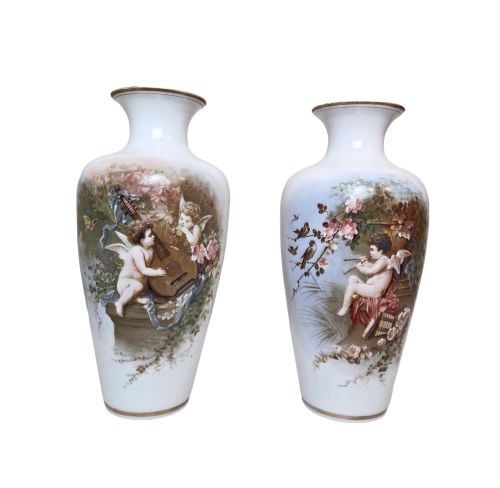
The standard of execution in the hand-painted detailing separates standard production wares from premier exhibition pieces. Finer items exhibit precise brushwork in pictorial panels, such as detailed botanical studies or portraits, executed by named or highly skilled painters.
The weight and finish of the metal mounts contribute significantly to the overall calibre of the object. Heavy, finely chased gilt bronze or ormolu mounts indicate superior workshop standards compared to lighter, simpler brass or plated alternatives.
Royal Crown Derby·Flight Barr And Barr·Henry Marc·Royal Worcester·Daisy Makeig Jones·Helena Wolfsohn
The Decorative Gilt Porcelain Glossary
- Ormolu
- Gilded bronze mounts applied to furniture, clocks, and porcelain bodies. This technique involves coating cast bronze with a finely ground mercury and gold amalgam before heating.
- Bone china
- A type of soft-paste porcelain containing bone ash, invented in England to provide increased strength and a bright white translucency. It forms the base of many nineteenth-century cabinet plates.
- Imari
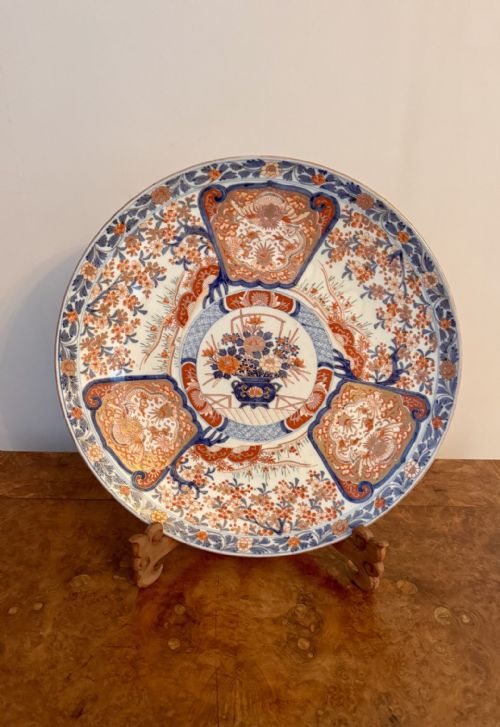
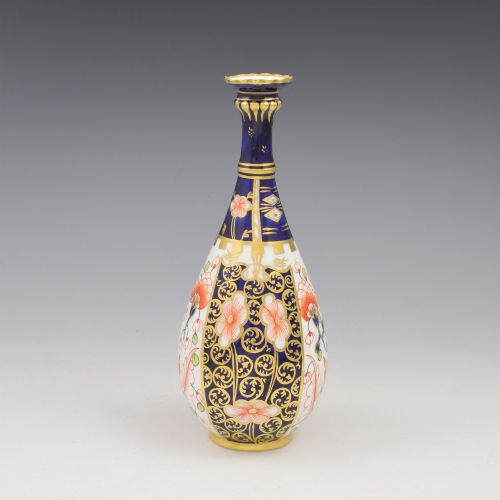
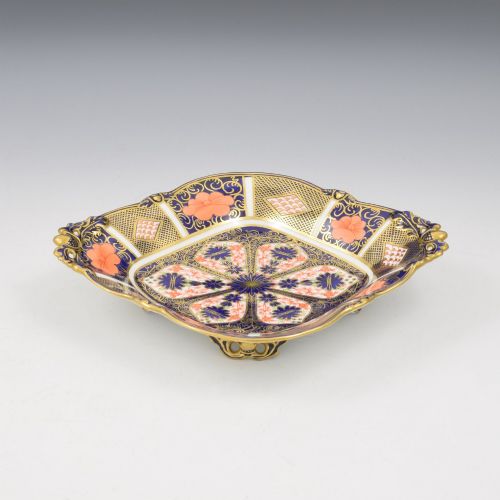
- A style of Japanese porcelain featuring a distinct palette of underglaze blue, iron red, and gold, which heavily influenced European factories during the eighteenth and nineteenth centuries.
- Cabinet plate
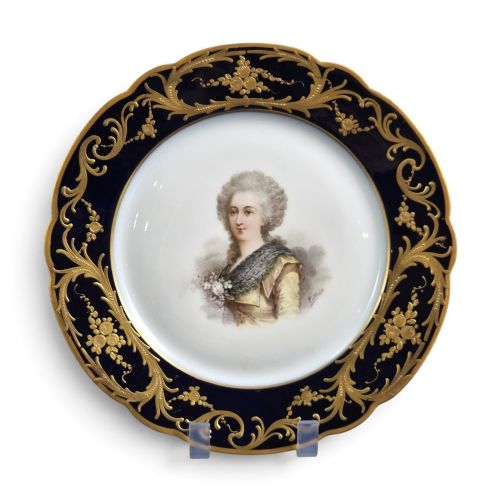
- A decorative ceramic plate intended for display in a cabinet or on a wall rather than for dining purposes. These items often feature elaborate hand-painted scenes and heavy gilding.
- Cassolette
- A decorative vessel shaped like a vase or urn, traditionally used as a burner for perfumes or incense. Many examples feature pierced covers and gilt bronze ormolu mounts.
Decorative Gilt Porcelain: Frequently Asked Questions
How do I display antique gilt porcelain safely?
Place objects away from direct sunlight and areas subject to sudden temperature shifts, which can stress the ceramic body and fragile enamel colours. Use stable, level surfaces inside glass cabinets or on secure mantelpieces where the pieces will not suffer accidental knocks.
Avoid using wire hangers or abrasive display brackets that might scratch the glaze or wear away the delicate gold leaf. Clean the surfaces only with a dry, soft feather duster or a very gentle microfiber cloth without applying water or chemical cleaners.
Can I use these decorative plates for serving food?
Cabinet plates and decorative dishes from the nineteenth century are designed strictly for display rather than culinary use. The delicate enamel paints, raised gilding, and soft lead glazes used during this era can easily scratch, wear off, or react with acidic foods.
Furthermore, many antique ceramics contain historical material compositions that are unsuited for modern dietary safety standards. Enjoy these items visually by mounting them on stands or displaying them flat within a cabinet.
What is the difference between porcelain and bone china?
Traditional porcelain, often referred to as hard-paste, consists of kaolin and petuntse fired at extremely high temperatures to produce a dense, vitrified body. Bone china incorporates animal bone ash into the ceramic mixture, allowing lower firing temperatures while creating a distinctive milky white translucency.
Both materials readily accept complex enamel decoration and gold leaf gilding. English factories frequently favoured bone china for domestic tea services and decorative cabinet wares throughout the nineteenth century.
How are French and English pieces distinguished?
French pieces from houses like Sèvres or Paris workshops often display vibrant ground colours such as cobalt blue or turquoise paired with heavy, intricate ormolu mounts. The decorative focus frequently emphasises neoclassical or rococo revival sculptural forms with gilt bronze details.
English manufacturers like Royal Worcester, Coalport, and Spode typically emphasise botanical illustrations, landscape panels, or Imari-inspired patterns across bone china bodies. The forms tend to reflect distinct British taste, ranging from restrained Regency shapes to elaborate Victorian cabinet services.