

Decorative Centrepiece Bowl
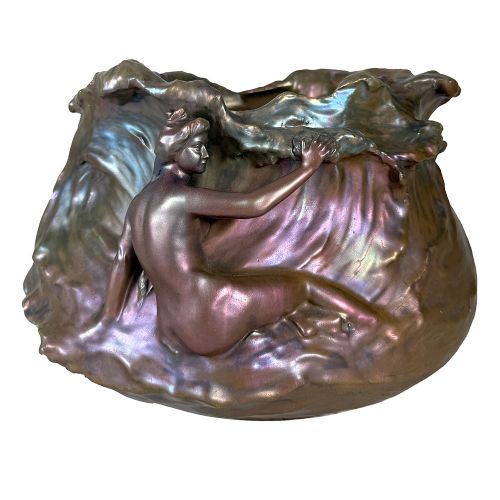
A decorative antique centrepiece bowl anchors a room, bringing together centuries of fine metalwork, porcelain, and glass.
Decorative Centrepiece Bowl
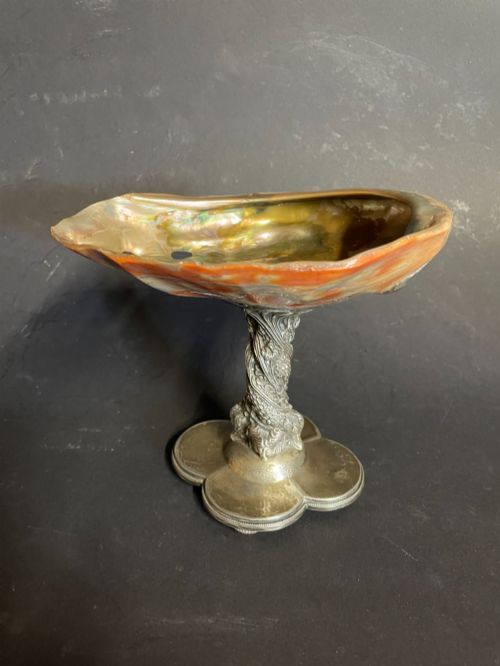
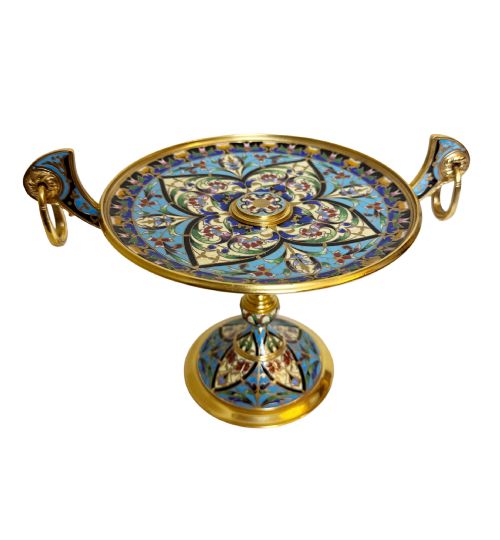
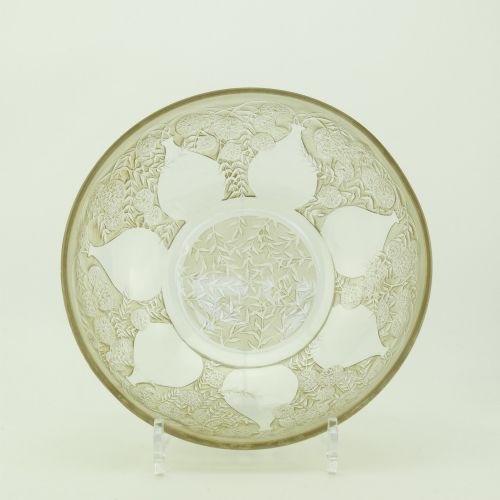
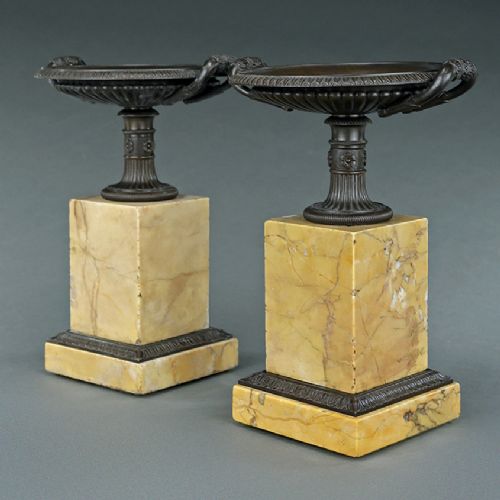
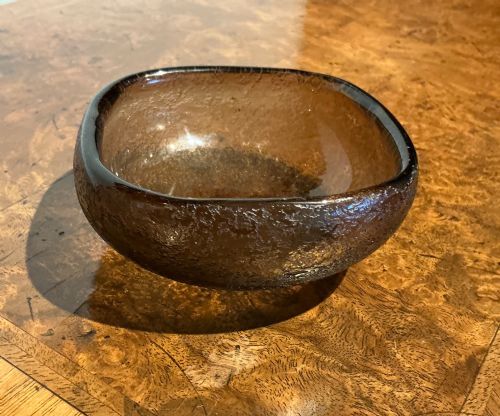
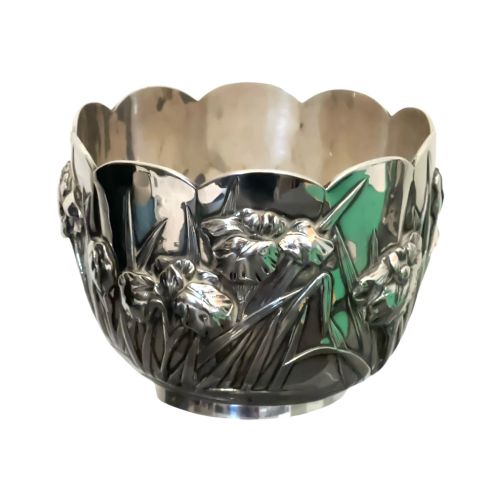
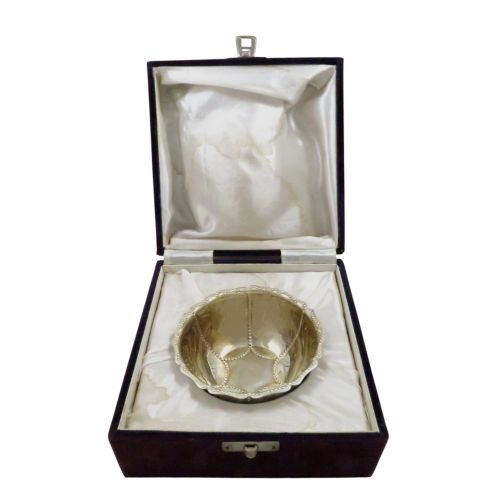
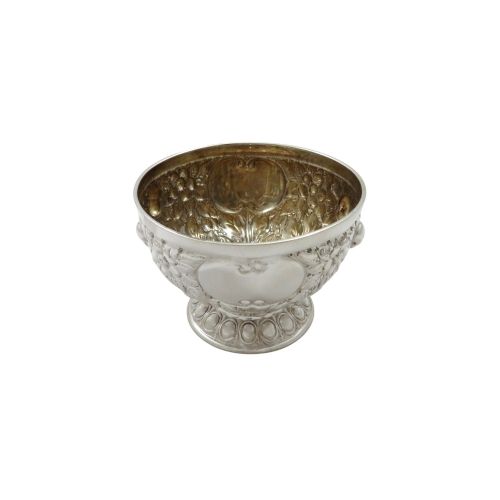
A decorative antique centrepiece bowl takes many forms across the inventory, spanning open footed vessels, tazzas, baskets, and shallow dishes designed to sit proudly in the middle of a table. These pieces emerge from the nineteenth century and stretch through the Edwardian era into the Art Deco period, capturing shifting tastes in domestic display.
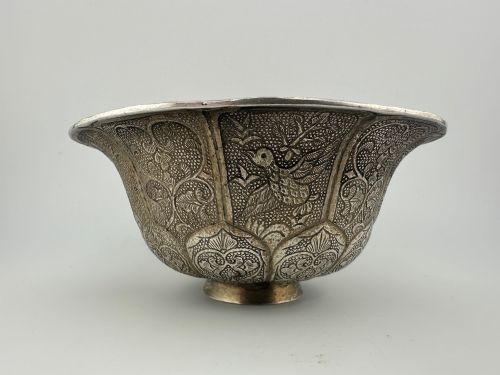
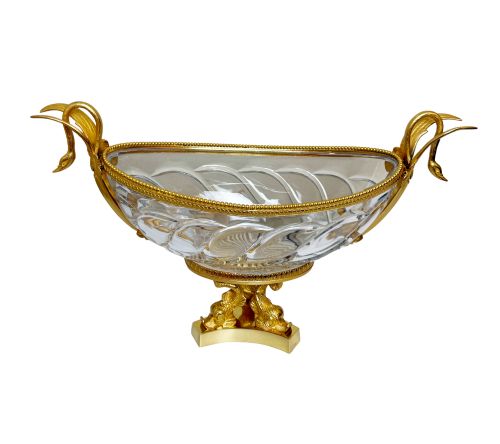
Makers across Britain, Europe, and Asia shaped these decorative antique centrepiece bowl examples for varied uses, from holding fruit to serving as standalone decorative ornaments. The selection encompasses heavy sterling silver, hand-painted porcelain, and cut glass mounted in gilt bronze, each reflecting the aesthetic priorities of its decade of origin.
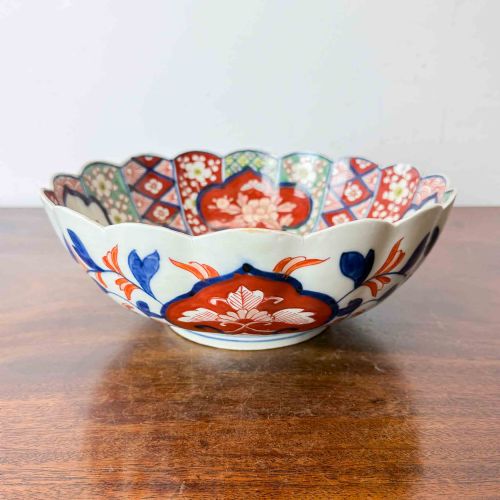
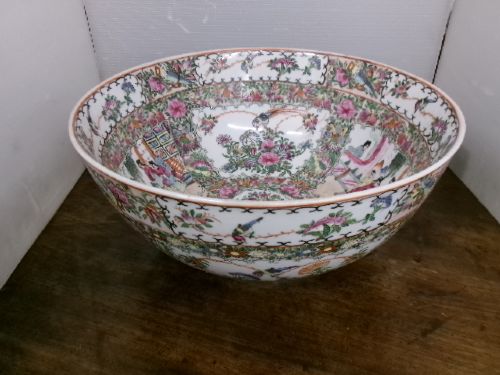
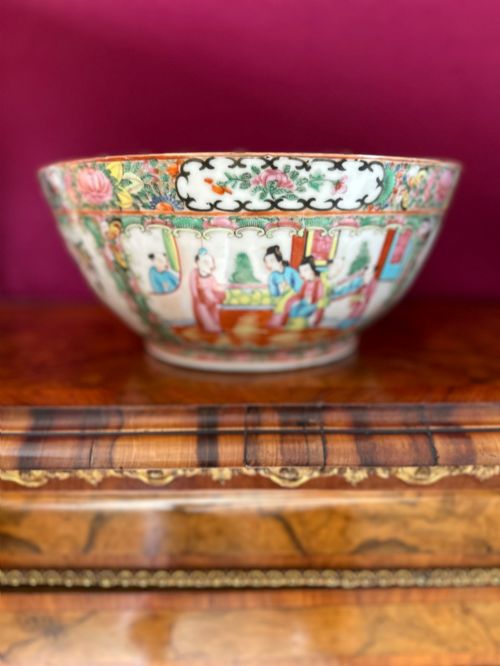
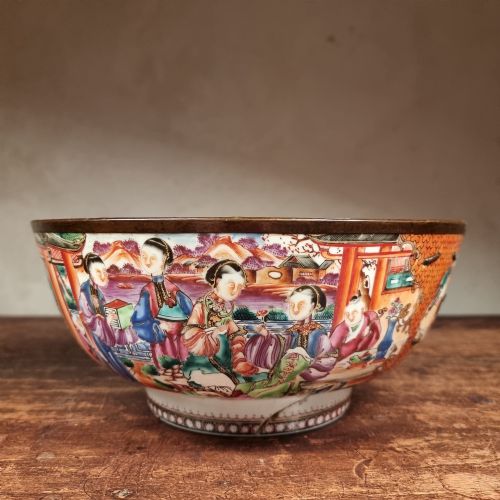
Victorian and Edwardian iterations sit alongside Chinese export wares, Japanese Satsuma and Imari pieces, and French Empire designs. Buyers encounter everything from carved oak fruit bowls to opalescent glass vessels, offering diverse options for formal dining rooms and drawing rooms alike.
Materials and Technique
Craftsmen utilised a rich palette of materials, combining precious metals like sterling silver and gold leaf with base metals such as brass, pewter, and gilt bronze. Many vessels feature cut glass, crystal, or porcelain inserts held within intricate metal mounts, requiring specialist casting, chasing, and repoussé techniques.
Ceramic pieces rely on hand-painted glazes, transfer printing, and elaborate enamelling, seen in Japanese export pottery and English porcelain baskets. Wood and metal varieties often incorporate carved fruiting vines, intricate pierced work, or patinated mixed metals to achieve textural depth.
Listings span multiple traditions, uniting European cut glass and French bronze with Japanese Satsuma and Chinese export porcelain.
Craftsmanship and Design
Quality rests in the crispness of the casting, the weight of the metal, and the precision of hand-painted or chased details. Finer pieces display balanced proportions, secure mounts, and signed or hallmarked elements that denote specific makers or silversmiths.
The sophistication of the decorative program separates standard production from exceptional examples, whether through the depth of repoussé work on silver, the clarity of cut crystal, or the artistry of hand-painted porcelain motifs.
Rene Lalique·Liberty And Co·Oliver Baker·Charles Boyton·Kozan
The Decorative Centrepiece Bowl Glossary
- Tazza
- A shallow ornamental bowl or cup mounted on a stem and foot, commonly used for serving fruit or sweets on a dining table.
- Repoussé
- A metalworking technique where the artisan hammers the design from the reverse side to create a raised pattern in relief on the front.
- Gilt bronze
- Bronze that has been treated with a thin layer of gold leaf or mercury gilding to impart a rich, reflective golden surface.
- Imari
- A style of Japanese export porcelain characterised by a distinctive palette of underglaze blue, iron red, and gilt highlights.
- Champlevé
- An enamelling technique where troughs are dug into a metal surface and filled with vitreous enamel before firing and polishing.
Decorative Centrepiece Bowl: Frequently Asked Questions
What was a centrepiece bowl used for?
These vessels historically held fruit, flowers, or sweetmeats, serving as the visual anchor of a formal dining table during meals. They were designed to catch the eye and reflect candlelight through cut glass or polished silver.
Over time, many transitioned into pure decorative objects placed on sideboards, mantelpieces, or entrance tables to display the wealth and taste of the household.
How do I identify the period of a bowl?
Examining hallmarks on silver, maker marks on porcelain, and the distinct stylistic markers of periods like Art Deco or the Victorian era reveals the date of manufacture. Material combinations and mounting techniques also offer strong clues to age.
Certain motifs, such as neoclassical swags or Japanese export patterns, align closely with specific decades of production recorded across the inventory.
Are these bowls suitable for daily use?
While robustly constructed from materials like silver, heavy glass, and glazed pottery, antique bowls generally require careful handling to preserve delicate surfaces and gilt finishes. Many owners choose to use them for dry decorative displays rather than heavy functional service.
Soft cloths and mild cleaning methods suit precious metal and glass, while unglazed pottery benefits from minimal exposure to moisture.
How do I care for mixed metal and glass bowls?
Glass and crystal inserts can be gently washed in warm soapy water, ensuring they are dried thoroughly before being replaced in their metal mounts. Metal frames require specific care depending on whether they are silver, gilt bronze, or brass.
Harsh abrasive polishes must be avoided to protect applied gilding, patination, and delicate chased details from permanent wear.