





Decorative Animal Carving
These pieces of decorative animal carving bring natural forms into the interior through the hands of makers working across the nineteenth and twentieth centuries.
Decorative Animal Carving
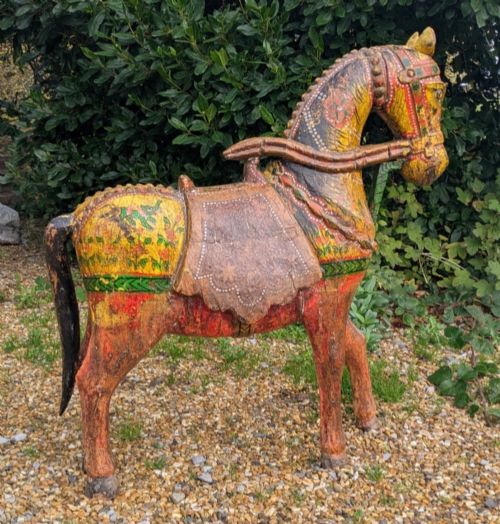
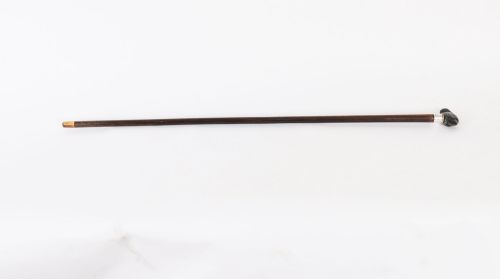
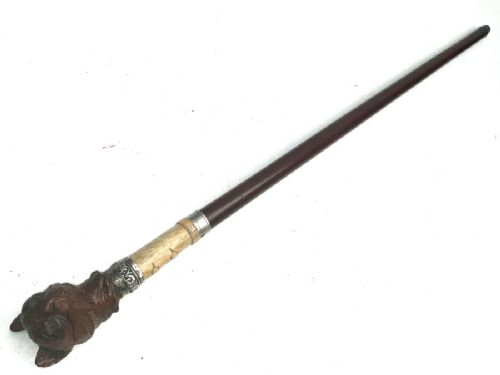
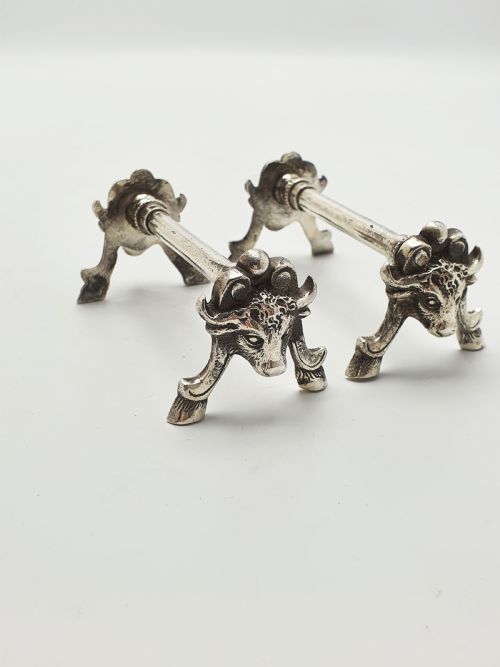
A decorative animal carving represents creatures ranging from domestic dogs and farm goats to exotic monkeys, elephants, and bears, rendered in various scales from small cabinet ornaments to life-size sculptures. The selection includes utilitarian objects decorated with animal motifs, such as walking sticks, knife rests, and inro, alongside standalone figures designed purely for display.
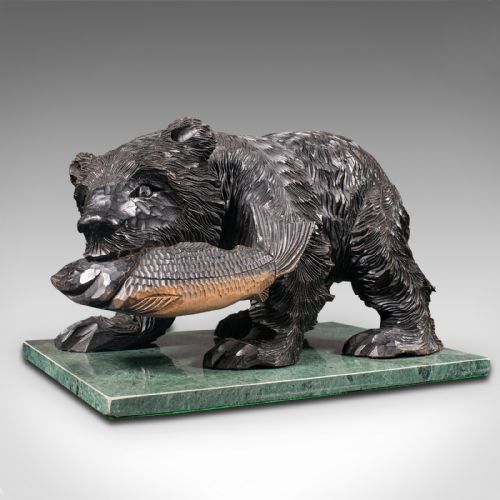
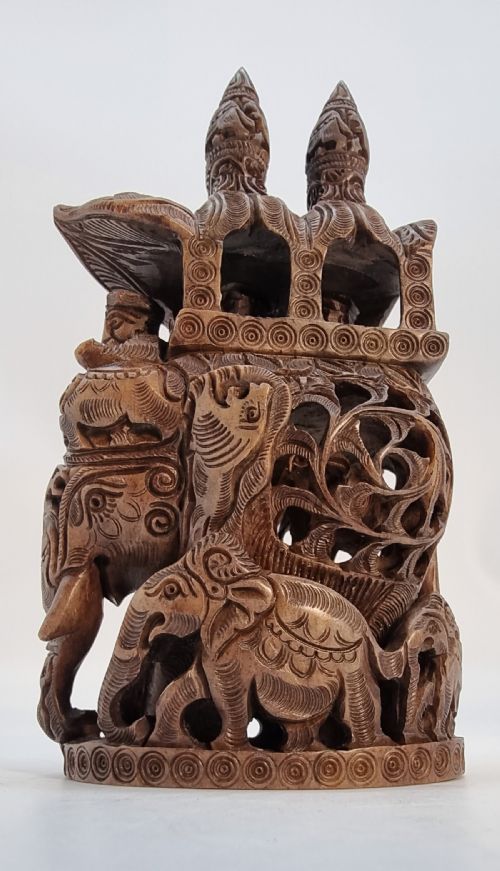
The objects span several decades from the late nineteenth century into the mid-twentieth century, drawing on diverse stylistic traditions including Victorian, Art Deco, Edo Period, and Ming Style. Buyers encounter regional specialisms such as Anglo-Indian hardwood figures, Japanese folk art cedar bears, and Chinese carved bone or jade representations.
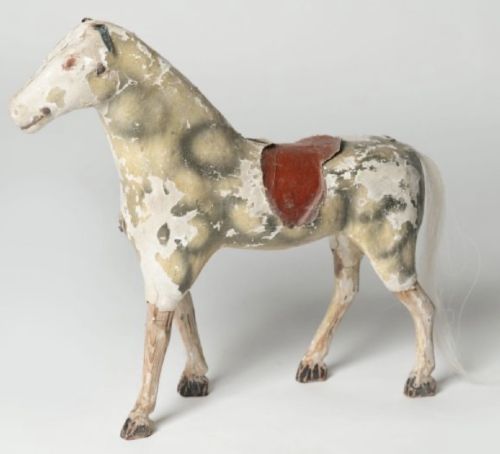
Forms vary from realistic anatomical studies of wild stallions and tortoises to stylised depictions of leaping dogs and parrots on walking canes. Many function as architectural or furniture elements, appearing as wall masks, bench supports, and bookends alongside independent sculptures.
Materials and construction methods
Carvers shaped these figures primarily from timber, utilising dense hardwoods, ebony, cedar, and general carved wood to achieve defined muscular structures and textures. Artisans also worked in bone, soapstone, jade, marble, horn, and metal, sometimes adding paint or silver plating to enhance surface detail.
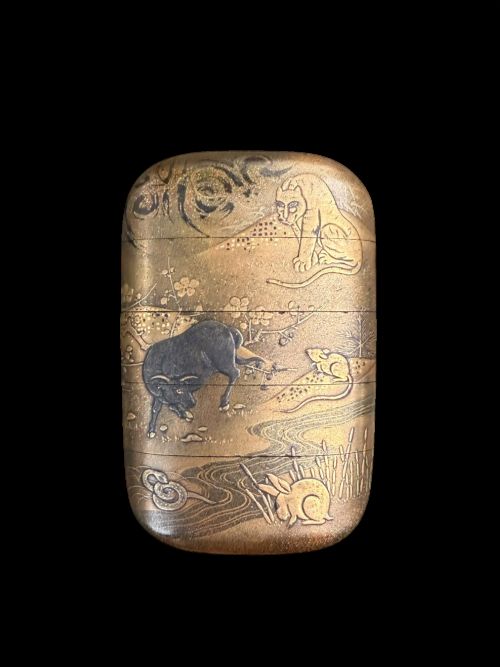
Techniques relied on hand tools to carve, incise, and polish the raw material, whether dealing with the fine grain of Japanese lacquer work or the heavier mass of a life-size wooden lion. Detail was achieved through careful chisel work, bringing out the natural characteristics of the chosen medium.
Decorative Animal Carving Retail Price Guide 2026
Typical asking prices for decorative animal carving among the pieces listed under this phrase on Sellingantiques today, from the lower quarter to the upper quarter. They describe what is for sale here now, not the wider market.
The category includes functional items such as walking sticks, knife rests, and jewellery boxes alongside standalone sculptures and architectural bench supports.
Factors determining quality
Quality rests on the precision of the carving and how successfully the maker captures the posture and anatomy of the animal. Finer pieces demonstrate careful attention to muscle, expression, and texture, whereas simpler versions rely on heavier, stylised blocking.
The choice of material heavily influences the standard of the piece, with dense hardwoods, fine soapstone, and jade allowing for sharper definition than softer or painted substitutes. The integration of the animal motif into functional items, such as walking stick handles or knife rests, also dictates the success and refinement of the object.
The Decorative Animal Carving Glossary
- Edo Period
- A historical division of Japanese history running from sixteen hundred and three to eighteen hundred and sixty-eight, noted for distinct artistic traditions reflected in carved inro and related objects.
- Hardwood
- Timber derived from broad-leaved trees, providing a dense and durable medium favoured for intricate and lasting animal sculptures.
- Sancai Glaze
- A three-colour ceramic glaze technique traditionally associated with Chinese pottery, producing varied tones across glazed figures and vessels.
- Inro
- A traditional Japanese small portable case for holding seals or medicines, often suspended from sashes and decorated with lacquer and carved details.
- Guanyin
- A revered figure in East Asian traditions often depicted alongside symbolic animals and auspicious motifs in carved bone and sculptural works.
Decorative Animal Carving: Frequently Asked Questions
What animals appear most frequently in these carvings?
The selection encompasses a wide variety of creatures, including lions, elephants, monkeys, bears, dogs, horses, and birds. Artisans drew on both familiar domestic animals and exotic species.
Representations range from single standalone figures to paired bookends, knife rests, and creatures incorporated into furniture or walking sticks.
How do I identify the period of a wooden carving?
Dating relies on observing the tool marks, timber type, and stylistic conventions associated with specific eras such as the Victorian period or the Art Deco nineteen-thirties. Regional carving styles also offer strong chronological clues.
Examining the wear patterns and construction methods helps distinguish nineteenth-century works from twentieth-century interpretations.
Where were these decorative animal carvings made?
Origin locations span multiple continents, reflecting traditional craft practices in Britain, Europe, India, Japan, and China. Each region imparted distinct regional aesthetics to the finished sculptures.
For example, Japanese pieces often feature folk art cedar or lacquer work, while Indian items frequently utilise dense hardwoods and soapstone.
How should I care for carved wooden and stone animals?
Maintenance involves keeping pieces away from direct sunlight and extreme temperature fluctuations to prevent timber from splitting or warping. Dusting with a soft, dry cloth preserves the original surface finish.
Stone and metal pieces require minimal upkeep beyond gentle cleaning suitable for the specific material.