

Deco Brass Lighting
Deco brass lighting brings together geometric metalwork and warm illumination, offering distinct period character for modern interiors.
Deco Brass Lighting
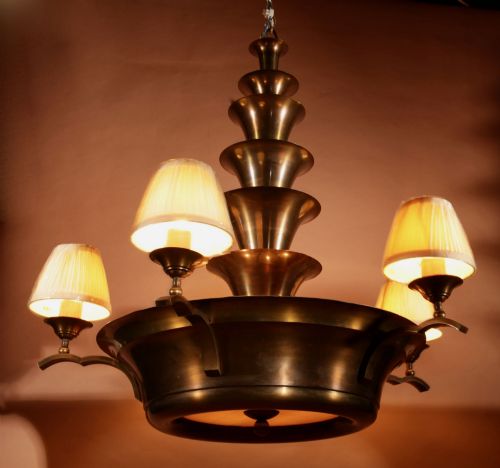
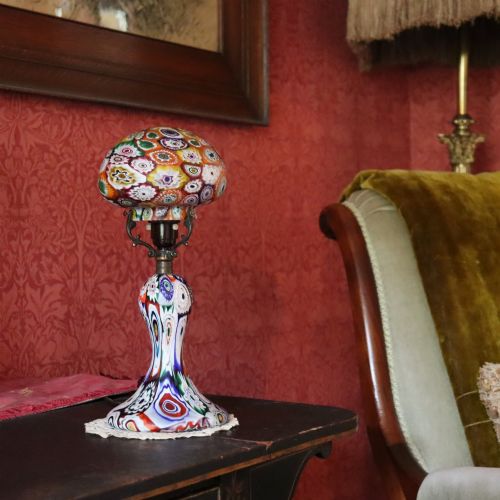
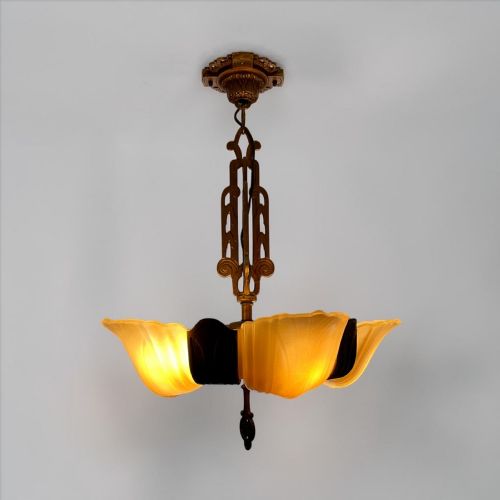
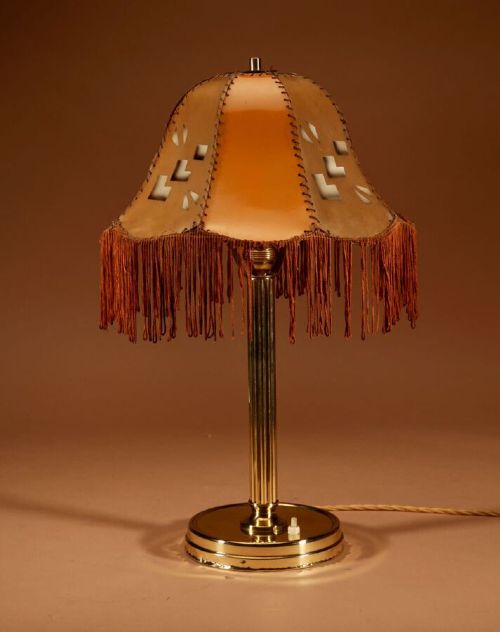
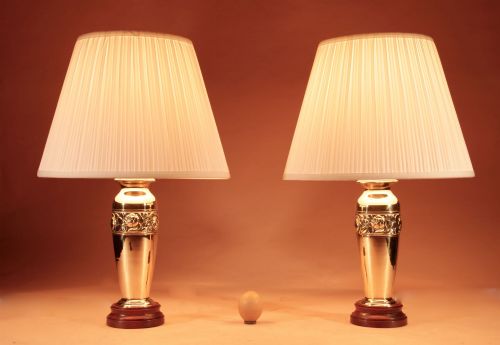
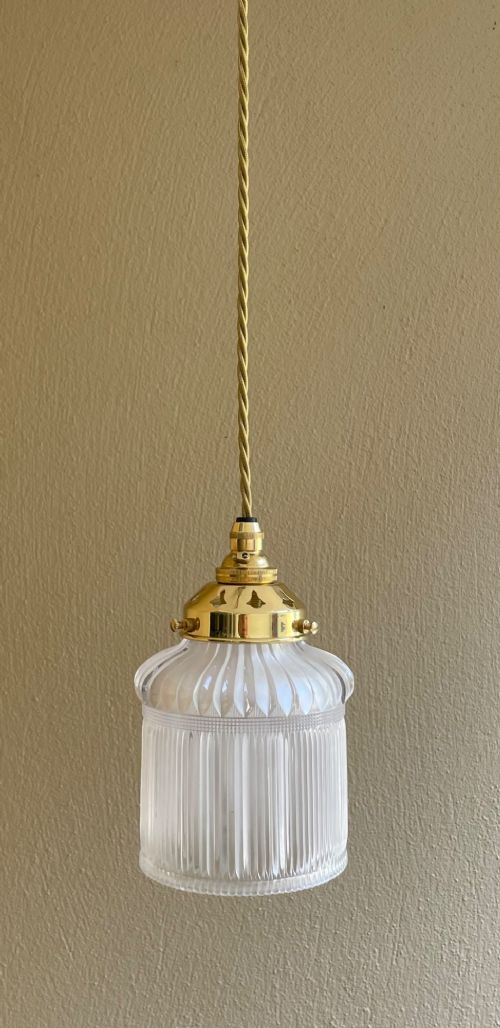
Deco brass lighting encompasses a diverse selection of fixtures designed to illuminate interiors with period style. When exploring this selection, buyers frequently encounter table lamps, wall sconces, and hanging pendant lights originating predominantly from the early decades of the twentieth century.
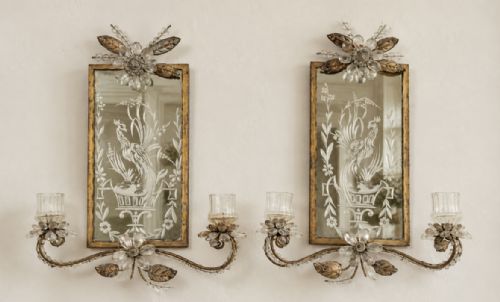
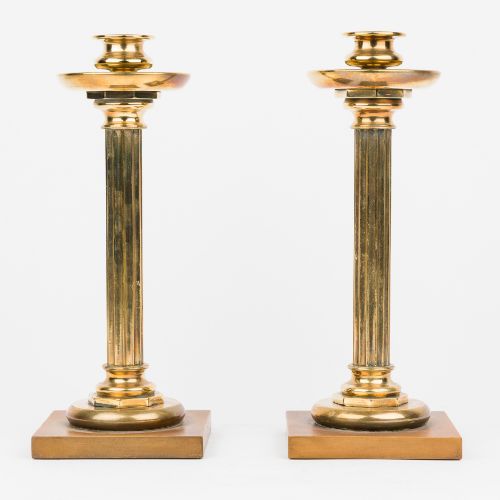
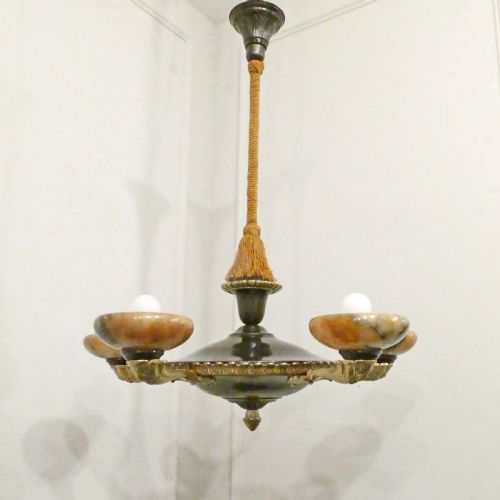
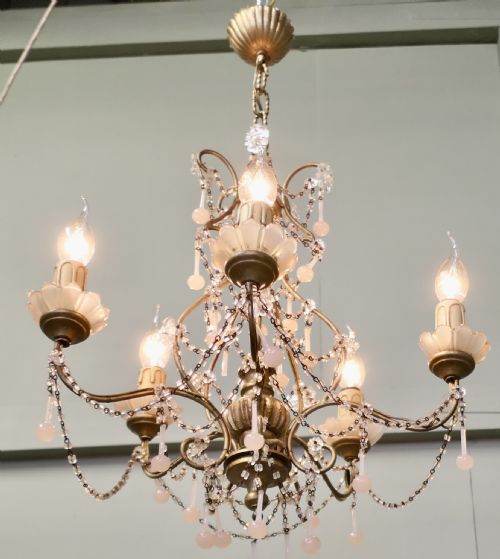
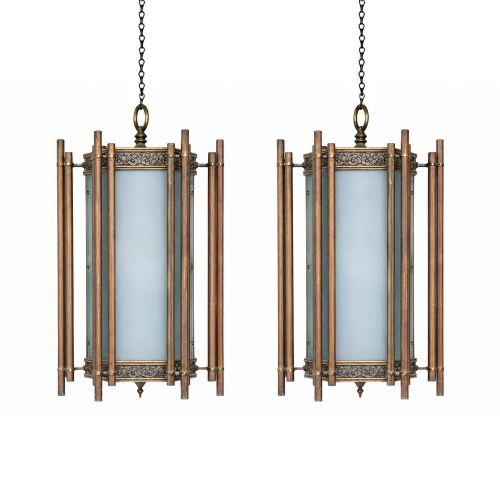
The objects span varied configurations, from adjustable bankers desk lamps and monumental hanging lanterns to multi-branched chandeliers and decorative candlesticks. Pieces often combine polished or patinated brass with complementary elements such as opaline glass, cut glass, marble, and enamel.
Origins stretch across European and American workshops, incorporating distinct design movements including Art Deco, Amsterdam School, and French Neoclassical Revival. These fixtures function effectively as both practical light sources and sculptural decorative objects within a room.
Materials and Construction
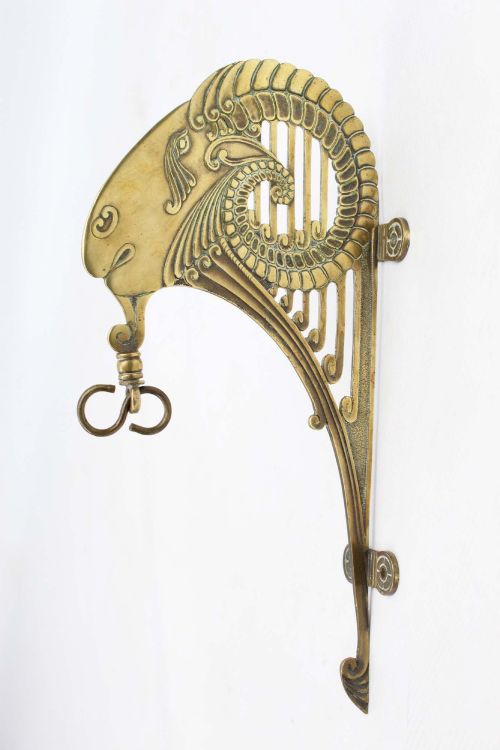
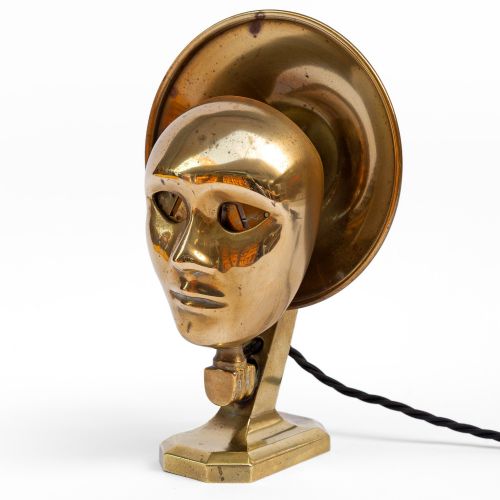
Makers utilised brass as the primary structural metal, frequently pairing it with bronze, copper, or gilt metal to achieve varied surface finishes. Components were often cast, hammered, or articulated to create both rigid architectural frames and flexible, adjustable arms.
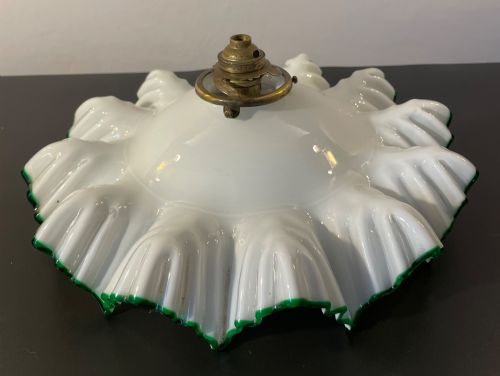
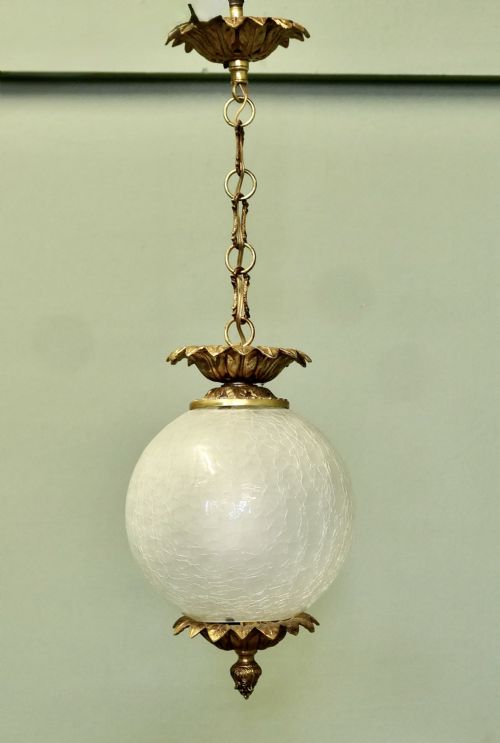
Glass elements played an essential role in diffusion, incorporating opaline glass, crackle glass, frosted glass, and moulded slip shades. These shades were secured to metal mountings through collars, screws, or fitted galleries, sometimes accompanied by fabric elements or hand-painted details.
Deco Brass Lighting Retail Price Guide 2026
Typical asking prices for deco brass lighting among the pieces listed under this phrase on Sellingantiques today, from the lower quarter to the upper quarter. They describe what is for sale here now, not the wider market.
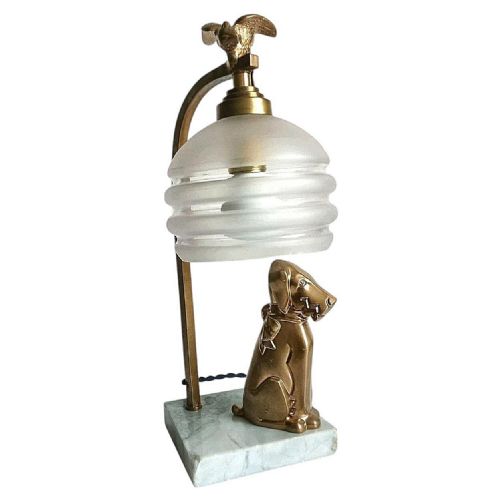
Several desk and table lamps from the period take whimsical animal forms, depicting dogs and parrots cast in brass alongside traditional shades.
Evaluating Quality and Craftsmanship
Quality in these fixtures is distinguished by the weight and thickness of the metal components, alongside the precision of casting and finishing. Superior examples display crisp detailing in chased or patinated surfaces and solid construction in structural joints.
The integrity and origin of the glass shades significantly influence the overall standard of a piece. Hand-blown opaline, signed components, and undamaged moulded or slip-shade glass indicate higher manufacturing standards.
Fratelli Toso·Maison Bagues
The Deco Brass Lighting Glossary
- Opaline glass
- A milky, translucent glass frequently utilised in period shades to diffuse light softly. It appears in various forms including white and coloured pendants.
- Slip shade
- A moulded piece of glass that slots directly into a metal frame or bowl fixture. These are common in American hanging lights from the period.
- Amsterdam School
- An architectural and design movement originating in the Netherlands known for expressive brickwork and dynamic metalwork. Pieces from this school often feature patinated brass and copper.
- Articulated
- Designed with adjustable joints or pivots to direct illumination as needed. This mechanism is frequently found on desk and banker lamps.
Deco Brass Lighting: Frequently Asked Questions
How do I date deco brass lighting?
Dating relies on examining the manufacturing techniques, electrical components, and stylistic markers present in the piece. Early twentieth-century pieces often exhibit heavy cast brass, specific screw threads, and characteristic glass types.
Comparing the design vocabulary, such as strict geometric Art Deco lines or Amsterdam School patinated copper, helps narrow down the decade of production alongside any maker stamps.
Can these vintage lamps take modern bulbs?
Most vintage fixtures accommodate standard modern bulbs, provided the lamp holder matches contemporary socket sizes. Many pieces have been rewired for modern electrical safety standards while retaining their original switches and fittings.
It is advisable to consult a qualified electrician to verify the internal wiring and ensure compatibility with current wattage guidelines before daily use.
Where should I place a ceiling pendant?
Ceiling pendants function well suspended over dining tables, in hallways, or as central illumination in reception rooms. The choice between an opaline globe or a multi-branch chandelier depends on the ceiling height and room scale.
Ensuring adequate clearance beneath the fixture allows the decorative brass and glass elements to be appreciated without obstructing movement through the space.
What is an adjustable banker lamp?
An adjustable banker lamp is a task light featuring a weighted base and a movable brass arm or pivoting shade. These were originally designed for office desks to direct focused light downwards onto paperwork.
The articulated joints and weighted bases make them practical reading lamps for modern studies and side tables.